
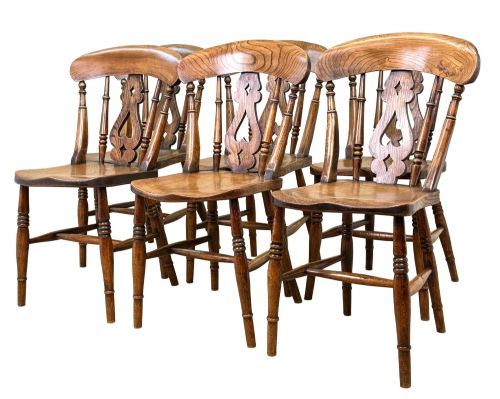
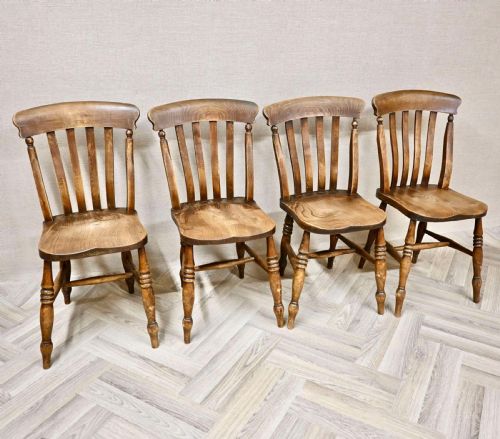
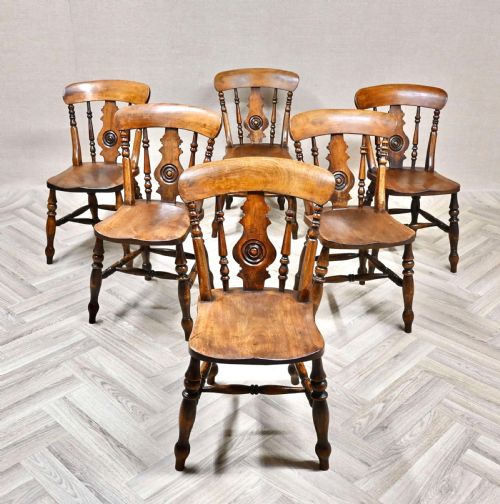
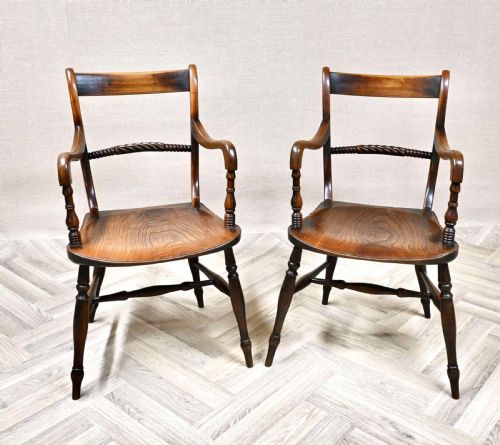
Elm Windsor Dining Chairs
These elm windsor dining chairs bring honest country craft and durable seating to a table, shaped through generations of vernacular woodworking.
Elm Windsor Dining Chairs
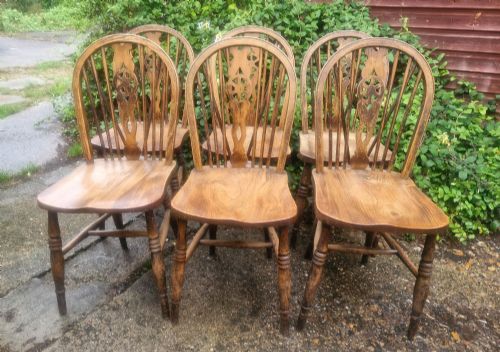
Elm windsor dining chairs are traditional seating forms rooted in English country vernacular design, combining sturdy wooden seats with spindle or stick backs. Buyers looking for elm windsor dining chairs will find pieces ranging from 18th-century origins through Victorian farmhouse iterations up to mid-century utility productions.
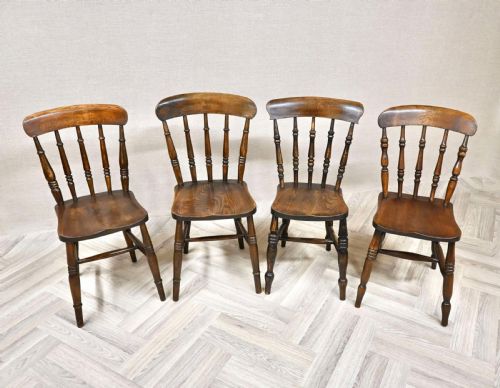
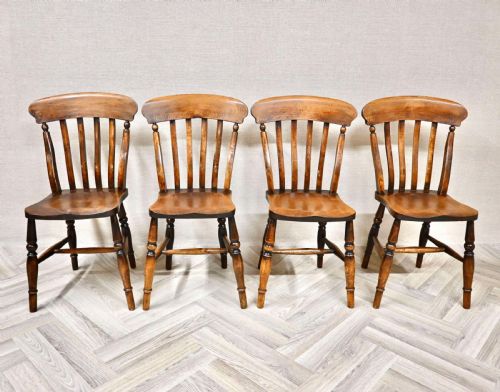
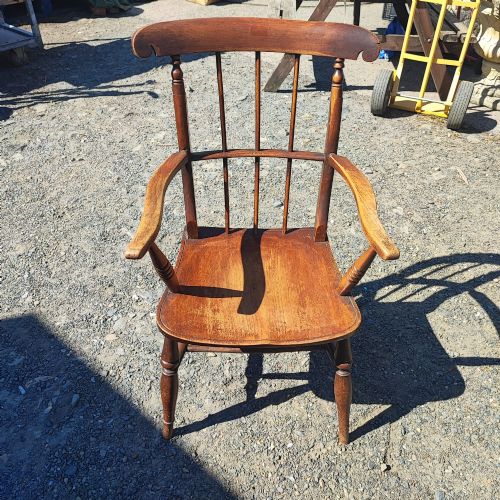
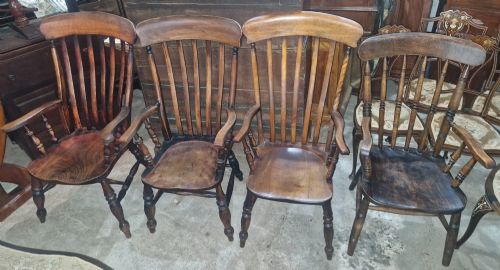
The most common formats on this page include matching or harlequin sets of kitchen dining chairs, alongside individual armchairs and carvers. These seating options reflect regional British variations such as Thames Valley or East Anglian traditions.
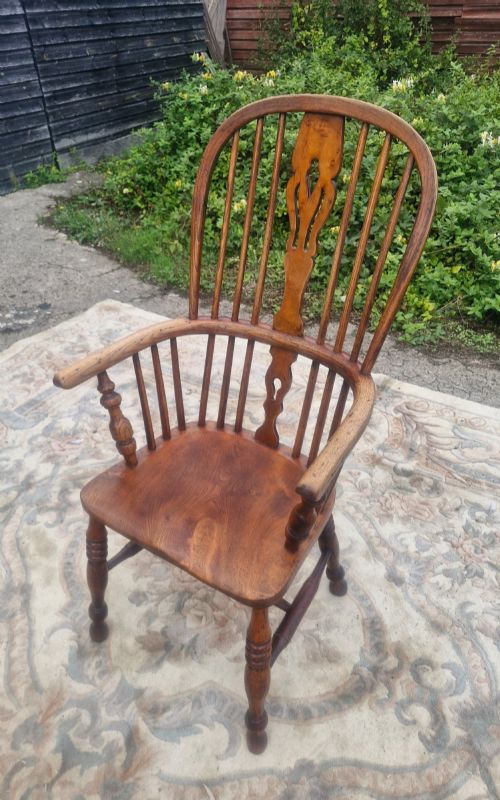
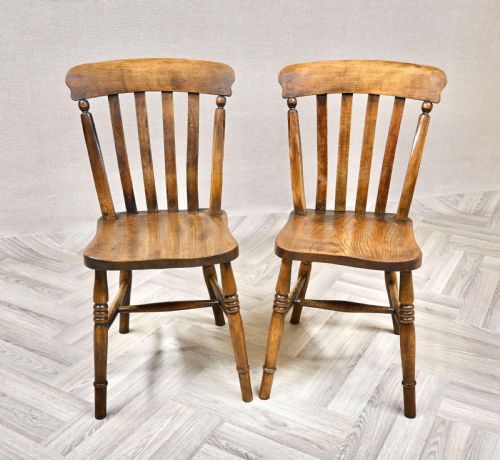
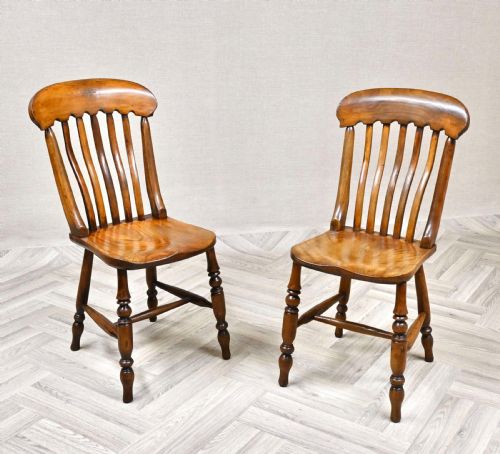
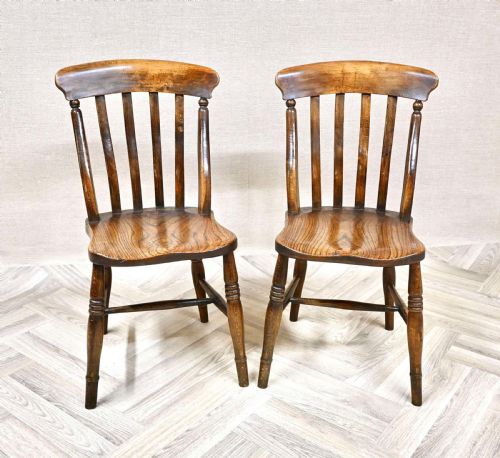
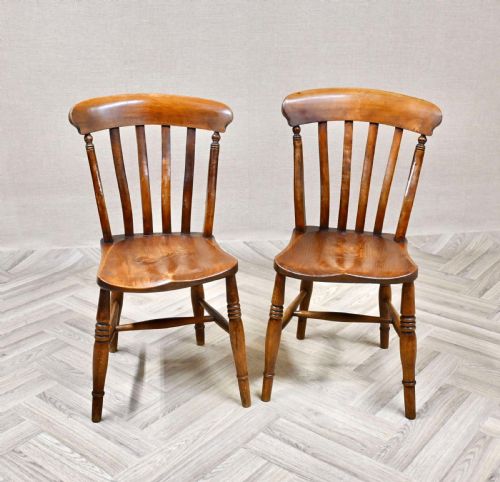
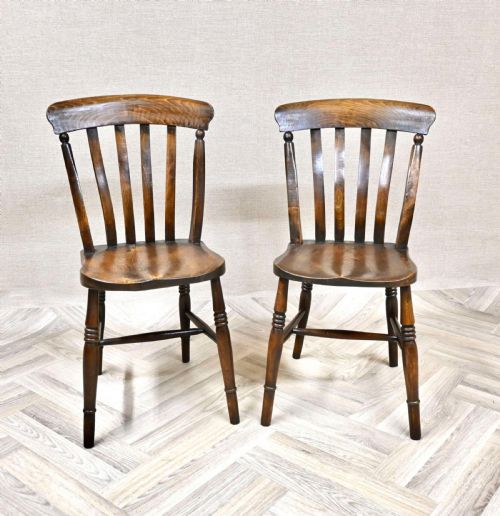
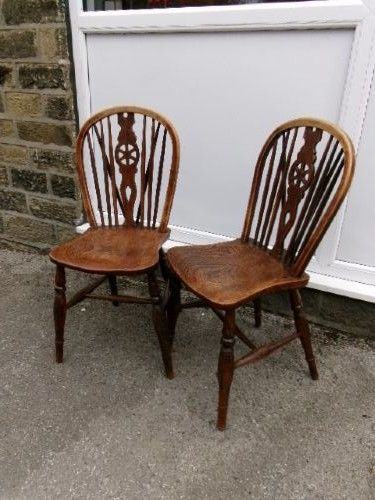
Forms span wheelbacks, hoop backs, lathbacks, comb backs, and bar backs, utilising the distinctive grain and strength of elm for the saddle-shaped seats.
How They Were Made
Makers constructed these chairs using a combination of solid woods, pairing elm for the carved seats with bent ash, beech, oak, or yew for the hoops, bows, and spindles. This multi-timber method utilised the specific properties of each wood, such as the flexibility of ash for steam-bent components and the tear resistance of elm for the thick saddle seat.
Traditional bodgers and country joiners turned legs and spindles on pole lathes, boring tapered holes into the heavy wood seats to receive the undercarriage legs and back uprights securely without modern adhesives.
Elm Windsor Dining Chairs Retail Price Guide 2026
Typical asking prices for elm windsor dining chairs among the pieces listed under this phrase on Sellingantiques today, from the lower quarter to the upper quarter. They describe what is for sale here now, not the wider market.
Listings feature elm combined with ash, beech, oak, and yew across 19th-century and Victorian periods.
What Varies in Quality
The distinction between ordinary utility seating and finer examples lies in the sculpting of the seat and the balance of the proportions. Superior chairs feature deeply dished, thick elm planks with generous saddle shapes and well-defined bow bends.
Consistency across a matched or harlequin set, the presence of original turned stretchers like the crinoline pattern, and the integration of diverse timber grains elevate certain pieces above standard vernacular workshops.
The Elm Windsor Dining Chairs Glossary
- Windsor
- A traditional chair construction method where legs and back spindles are wedged directly into a solid wooden seat rather than a framed chassis.
- Crinoline stretcher
- An arched or bowed wooden brace connecting the legs underneath the seat to provide structural rigidity.
- Wheelback
- A Windsor chair variation featuring a pierced wooden splat shaped like a carriage wheel set into the centre of the backrest.
- Harlequin set
- A collection of dining chairs that share a similar style or period but were gathered from different sources rather than produced as a single batch.
Elm Windsor Dining Chairs: Frequently Asked Questions
How do I care for antique elm seats?
Clean the wood gently using a soft, dry cloth to remove dust without stripping natural oils. Avoid placing chairs near direct heat sources to prevent the timber from splitting.
Apply a microcrystalline wax periodically to nourish the surface and preserve the patina accumulated over decades of use.
Are these chairs comfortable for daily dining?
The saddle-shaped wooden seats were carved to contour the body, offering surprising ergonomic support during long meals. Adding loose squab cushions can increase softness for extended sitting.
Their robust construction handles everyday household use easily.
What is a crinoline stretcher?
A crinoline stretcher is a curved wooden brace linking the legs of an armchair or side chair underneath the seat. It reinforces the joint structure against daily movement.
This feature often indicates earlier 19th-century or regional craftsmanship.
How do I distinguish regional styles?
Regional differences appear in the choice of secondary timbers, back designs, and turning details on the legs. Thames Valley versions often combine elm and ash with specific spindle arrangements.
Comparing back splats and stretcher configurations helps identify local workshops.