


Elm Top Dining Table
An elm top dining table brings tactile warmth and domestic history into a room through its richly figured timber surface.
Elm Top Dining Table
An elm top dining table brings together substantial timber surfaces and sturdy structural frames rooted in historical domestic traditions. When you search for an elm top dining table, you encounter forms ranging from rustic farmhouse and French provincial styles to refined George I and Regency examples.
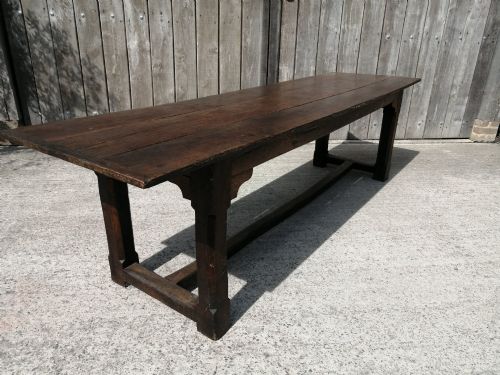
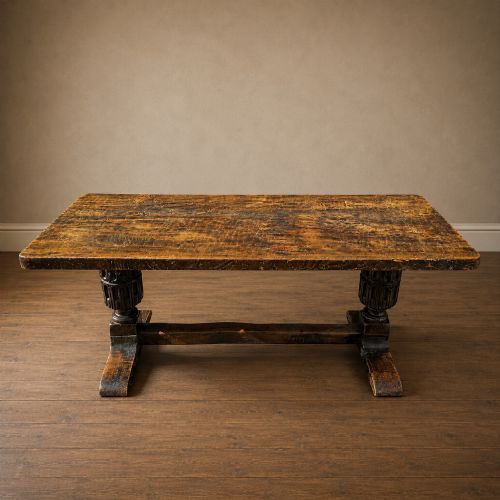
The pieces appearing on this page span several distinct eras, stretching from the 17th century through the Georgian and Victorian periods up to around 1900. You will regularly find refectory tables, trestle tables, and kitchen tables featuring characteristic timber construction.
Makers working within English and French country traditions often paired these distinctive timber tops with oak, pine, sycamore, or iron bases. This combination produces robust furniture designed for daily communal use rather than formal display.
Materials and construction
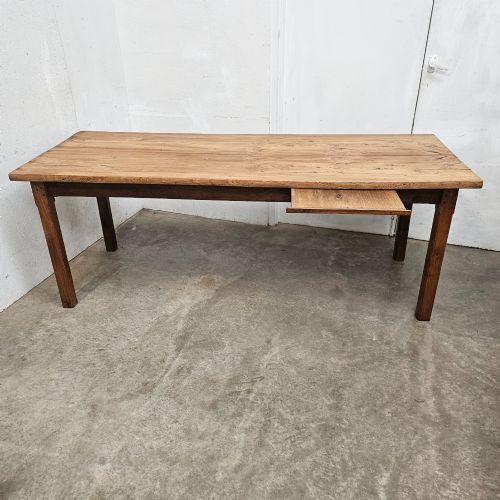
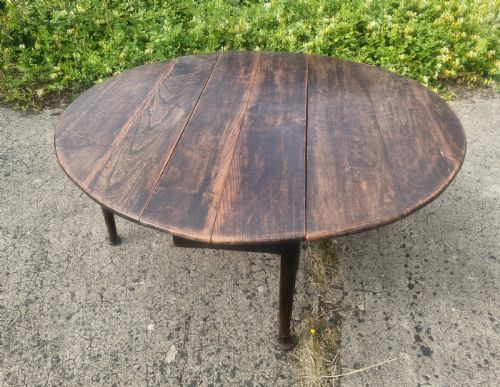
Makers selected elm for its interlocking grain and resistance to splitting, making it an ideal choice for heavy-use surfaces like dining tables. Workshops frequently utilised single plank or two-board configurations for the top, joined to supportive frames of oak, pine, or sycamore.
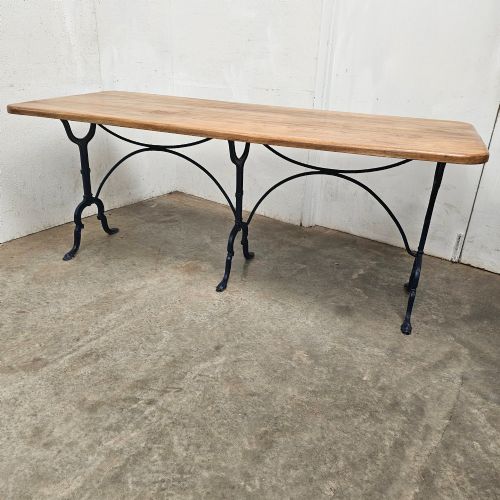
Structural stability was achieved through traditional joinery methods, supplemented in some French bistro examples by iron components. Secondary timbers such as oak and pine provided rigid underframes to support the heavy elm surfaces.
Some French bistro tables feature iron bases sturdy enough to survive a century of spilled wine and lively village debates.
Assessing quality and character
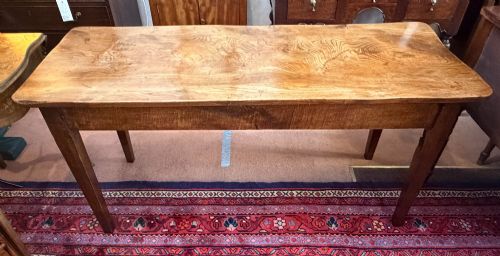
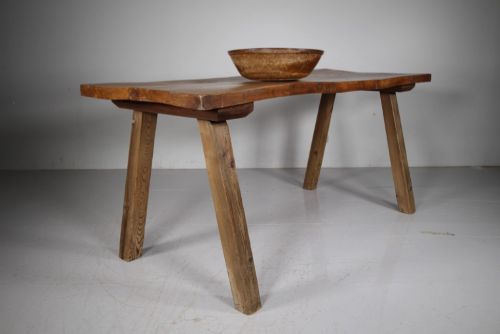
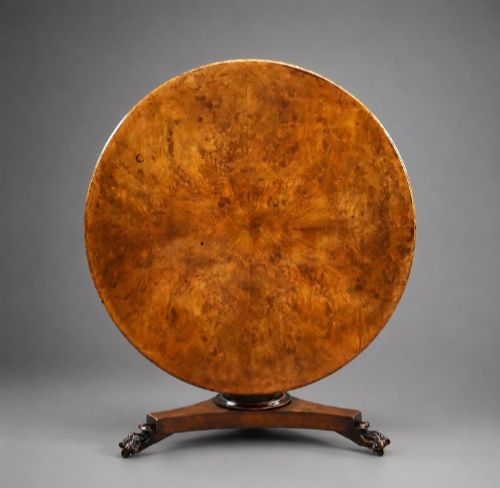
The character of the timber surface dictates much of the visual appeal, with burr elm and dramatic grain patterns commanding particular attention. The presence of single plank tops rather than multi-board construction often indicates a more substantial piece.
Proportion and the harmonious pairing of the elm top with its supporting base separate simpler utilitarian pieces from refined period examples like George I or Regency designs. Surface patination, achieved through decades of scrubbing and use, defines the tactile merit of each table.
The Elm Top Dining Table Glossary
- Refectory table
- A long dining table traditionally used in monastic or large domestic dining halls. These forms usually feature substantial stretcher bases and long timber tops.
- Trestle table
- A table consisting of two or more supports connected by a longitudinal beam that holds a horizontal top. This design allows for maximum legroom along the length of the furniture.
- Burr elm
- A woody outgrowth on an elm tree that produces highly figured, swirling grain patterns. Cabinet makers prized this material for decorative table tops and breakfast tables.
- Plank top
- A table surface constructed from one or more wide boards of timber laid side by side. Single plank examples are particularly valued for their uninterrupted visual flow.
- Country made
- A term describing furniture produced by regional craftsmen outside major urban centres, often utilising locally sourced woods like elm and oak.
Elm Top Dining Table: Frequently Asked Questions
What periods do these tables come from?
The available pieces span from the 17th century through the Georgian and Victorian eras, extending into the late 19th and early 20th centuries.
Earlier examples often display vernacular refectory forms, while later pieces include French provincial and bistro styles.
How do I care for an elm surface?
Elm responds well to simple maintenance using natural beeswax or soft oils to nourish the dry timber grain over time.
Avoid excessive moisture and direct heat sources to protect the historic patination and prevent warping.
What woods are paired with elm?
Makers frequently combined elm tops with oak, pine, and sycamore for the underframes and legs, utilising iron in industrial bistro variants.
This mix of materials provided the structural strength needed to support heavy single plank or two-board elm surfaces.
Are these tables suitable for modern dining?
These robust pieces were built for communal use and function effectively as sturdy central dining tables in contemporary spaces.
Their varied lengths and widths accommodate different seating arrangements, from country kitchen setups to formal dining rooms.