


Black Iron Base Table
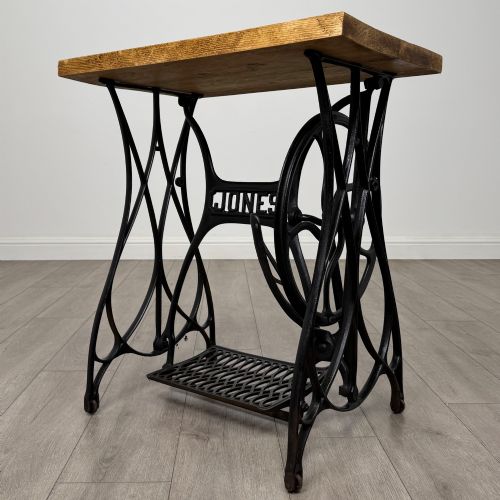
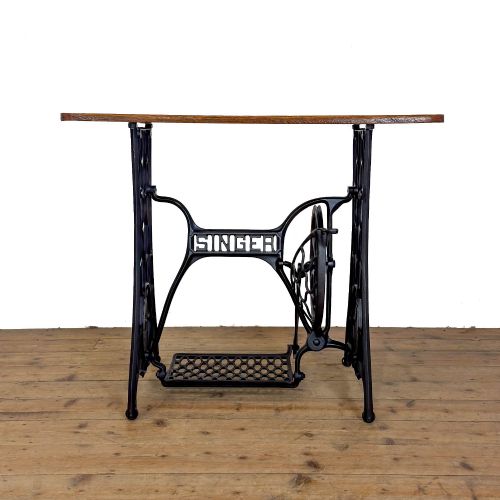
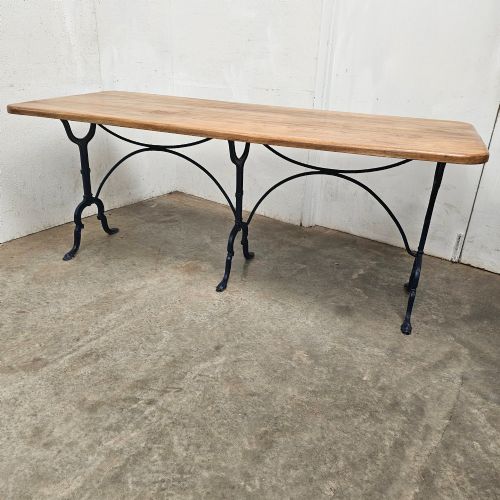
These black iron base table pieces combine heavy metal supports with timber tops, offering robust utility for homes seeking industrial character.
Black Iron Base Table
When you search for a black iron base table, you encounter practical furniture that merges metal structural integrity with wooden or stone surfaces. These pieces emerge across nineteenth century, Victorian, Edwardian, and twentieth century periods, reflecting diverse domestic and commercial origins.
You are most likely to meet bistro tables, coffee tables, and occasional tables on this page. Examples range from French elm bistro tables and pub tables with mahogany tops to garden tables and industrial side tables.
The forms span from utilitarian sewing machine bases and ship lamps to decorative scroll work and lion motifs. They serve as functional centrepieces or side furniture in contemporary and traditional rooms alike.
How they were made
Makers utilised cast iron and wrought iron for the structural bases, employing casting and forging techniques to create durable frames, scroll work, and lion motifs. Enamelling was also applied to certain iron components for protection and finish.
Wooden elements such as mahogany, oak, elm, and general timber form the tabletops, often paired directly with the metal supports. Other materials include marble for specific coffee table surfaces and papier-mâché for specialised trays.
Materials documented in these listings include cast iron, wrought iron, mahogany, oak, elm, timber, and marble.
What varies in quality
The sophistication of the ironwork dictates much of the distinction, separating simple utilitarian castings from intricate scroll work or sculptural forms like lion bases. The integration between the metal base and the top, whether original mahogany or French elm, influences the integrity of the piece.
Materials also set the range, with dense hardwoods and marble surfaces commanding attention alongside simpler timber tops. The condition of the original finish, from black enamelling to aged patination on the iron, marks the finer examples.
The Black Iron Base Table Glossary
- Cast iron
- A strong, hard iron alloy produced by casting in a mould, frequently used for Victorian table bases and decorative supports.
- Wrought iron
- Tough, malleable iron beaten into shape with tools, often seen in French provincial and industrial style frames.
- Bistro table
- A small table traditionally found in cafes and bistros, usually featuring an iron base and a round wooden or stone top.
- Occasional table
- A small table intended for casual use in a living space, encompassing side and coffee table variants.
- Gimbal
- A pivoted support that allows an object to remain level, found on maritime lamps mounted to iron bases.
Black Iron Base Table: Frequently Asked Questions
What periods do these tables come from?
The pieces span the nineteenth century, Victorian era, Edwardian period, and the nineteen-twenties and thirties. This timeline captures both utilitarian workshop items and domestic furniture.
Production methods evolved across these eras, moving from heavy structural castings to lighter industrial and provincial designs.
Where were these iron tables used originally?
They served in varied environments including pubs, French bistros, gardens, ships, and sewing workshops. Each setting dictated the specific weight and design of the iron base.
Commercial and domestic spaces alike relied on iron for its durability and stability under daily use.
How do I care for a wooden top on an iron base?
Maintain the timber top with appropriate waxes or oils suited to hardwoods like mahogany, oak, or elm. Avoid excessive moisture on both the wood and the underlying iron.
Inspect the fixings where the top meets the metal base periodically to ensure the structure remains secure.
Are the iron bases painted or finished?
Many bases feature dark finishes or black enamelling applied to protect the metal from corrosion. Over time, these surfaces develop a natural patina through handling and age.
Original surface treatments contribute to the historical character of each individual piece.