
Antique Iron Bistro Table
An antique iron bistro table brings industrial strength and continental charm to a terrace or small dining space.
Antique Iron Bistro Table
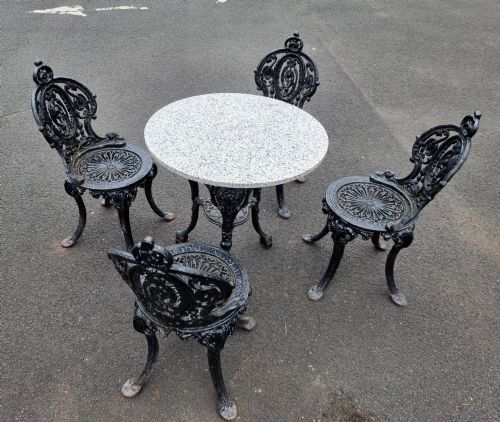
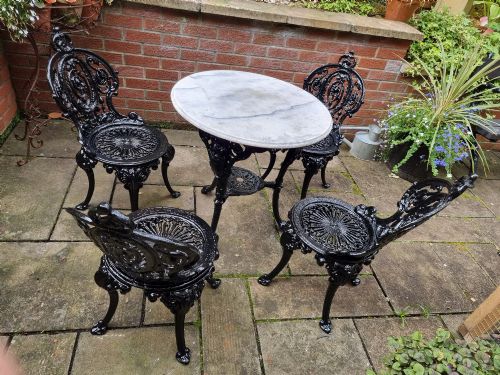
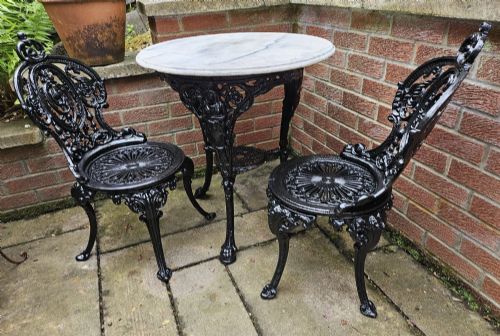
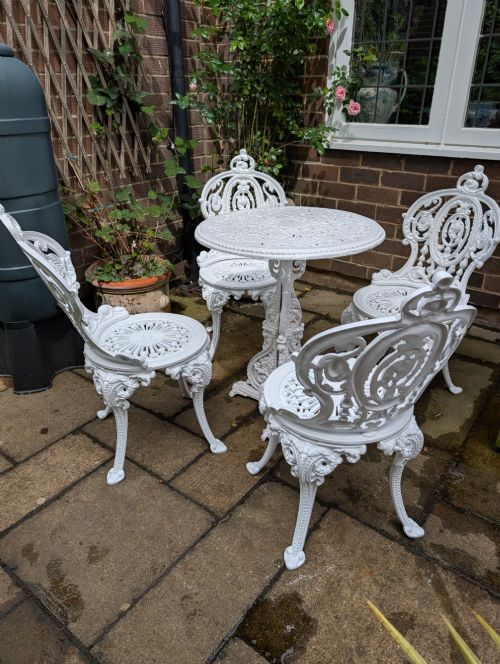
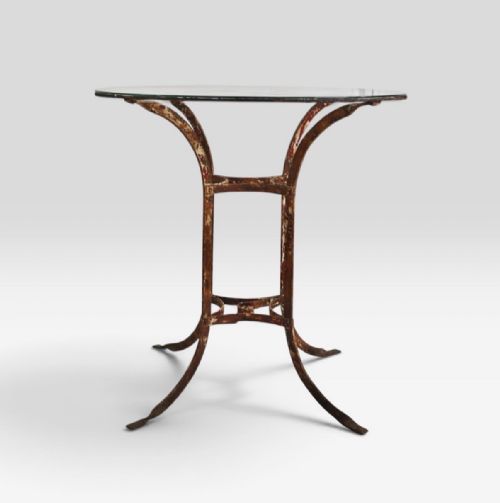
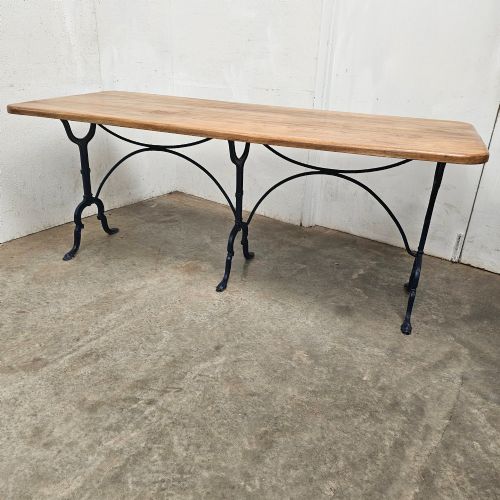
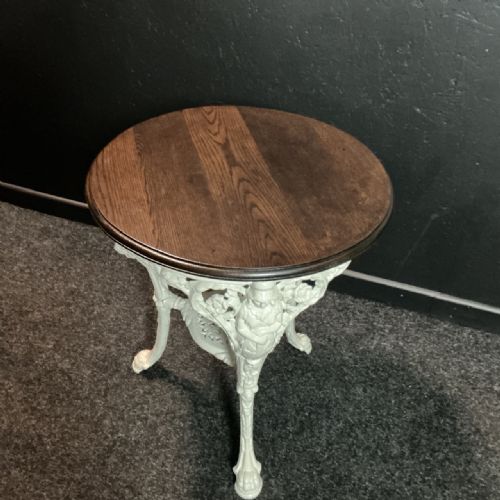
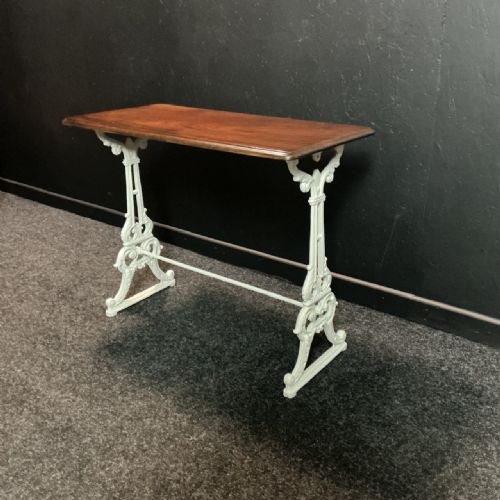
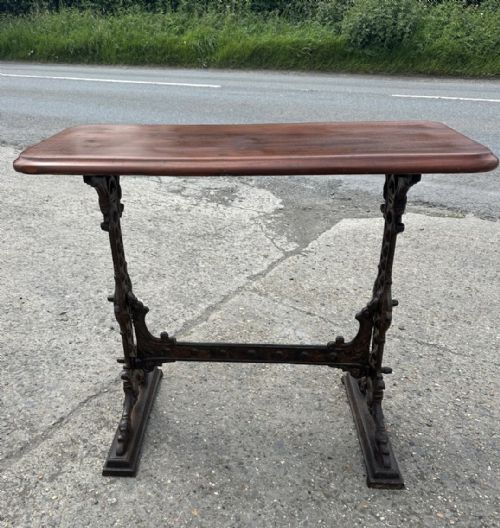
An antique iron bistro table combines a sturdy metal base with a round or rectangular surface, originally designed for public hospitality and domestic use. The pieces seen here span the nineteenth century, the Victorian era, Edwardian period, and early decades of the twentieth century. Forms range from dedicated garden tables and pub tables to conservatory pieces, console tables, and gueridon designs.
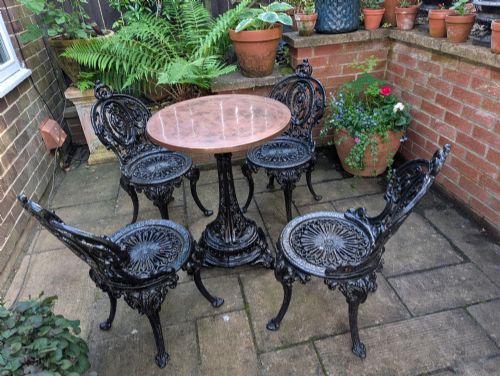
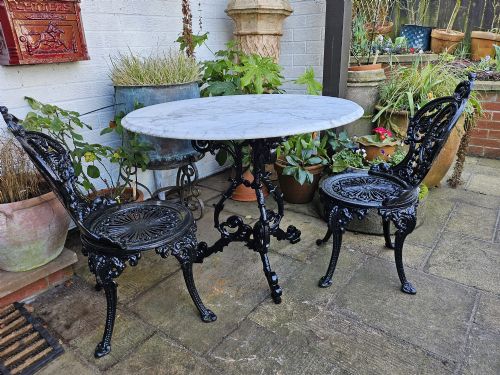
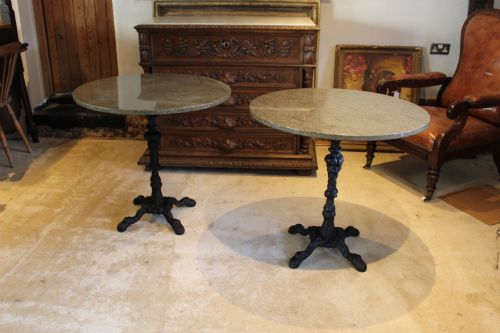
French styles heavily influence the selection, alongside Victorian British pub and garden variants. Buyers most frequently encounter cast iron or wrought iron frameworks paired with marble, wood, or metal tops. These tables function equally well as compact indoor dining surfaces, side tables, or outdoor garden furniture.
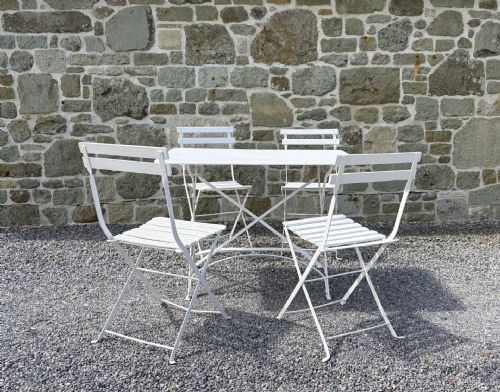
The category encompasses simpler utilitarian café pieces alongside ornate moulded designs attributed to specific Victorian designers. Originating from French bistros, taverns, and Victorian gardens, these tables bring robust character to modern interiors and courtyards.
How they were made
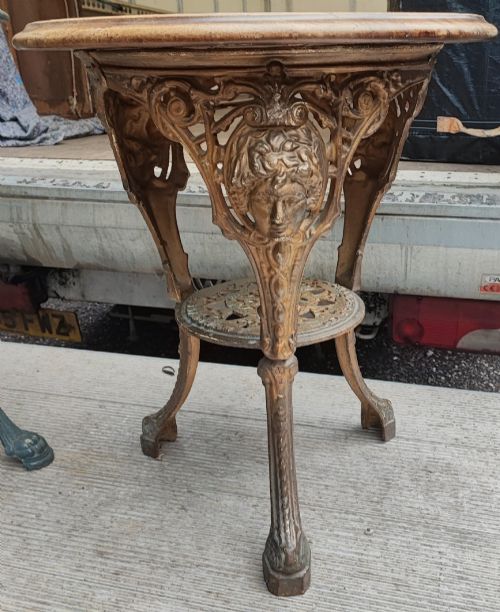
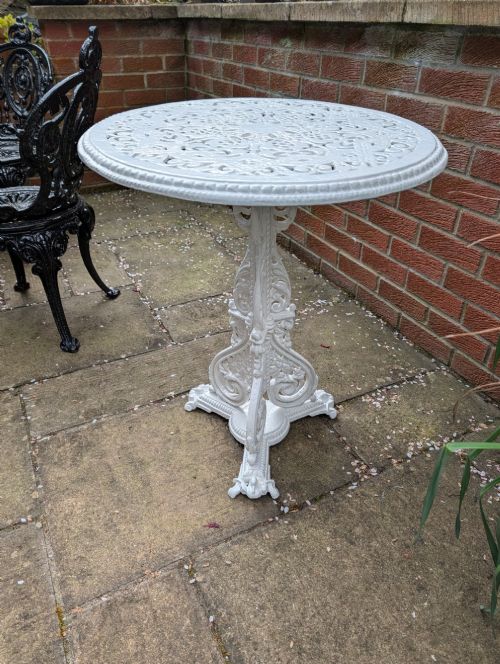
Foundries manufactured the heavy bases using cast iron or wrought iron, often incorporating intricate pierced work, strapp work, or figural tripod designs. These metal frames provide substantial weight and stability, frequently finished with green or dark paint.
Tops were fashioned from diverse materials including white or coloured marble, French elm, oak, mahogany, pine, and pierced iron. Brass and copper details occasionally appear alongside the primary iron structures, demonstrating mixed-media construction typical of the period.
Listings feature iron bistro tables spanning the Victorian era through the nineteen-thirties, pairing cast and wrought iron with marble, elm, oak, and brass.
What varies in quality
Quality rests in the crispness of the iron casting and the presence of designer or foundry signatures. Plain utilitarian pub tables differ significantly from elaborately moulded Victorian conservatory pieces or tables featuring detailed pierced iron tops.
The material chosen for the top alters the character and grade of the table. Solid marble slabs, specimen marble, and dense hardwoods such as oak or mahogany elevate a piece above standard pine or basic sheet iron variants.
Christopher Dresser
The Antique Iron Bistro Table Glossary
- Gueridon
- A small round occasional table on a central pillar and tripod base. This French form frequently utilises a cast iron base and a marble top.
- Britannia
- A Victorian pub table style featuring a heavy cast iron base cast in the form of Britannia. These sturdy tables were staples of nineteenth-century taverns.
- Strapp Work
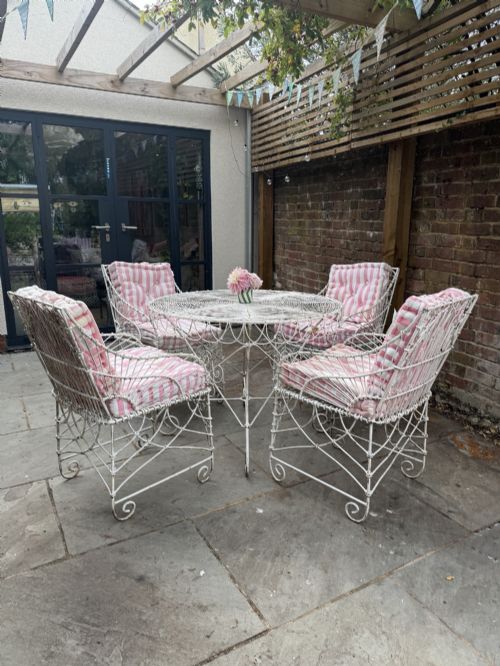
- Metalwork formed of flat bands or straps riveted together in geometric patterns. This technique appears on the frames and tops of garden and café furniture.
- Conservatory Table
- A light table intended for indoor garden rooms and glazed verandas. They often feature decorative cast iron legs paired with marble or wood.
- Pierced Iron
- Metalwork perforated with decorative patterns or drainage holes. This technique is common on twentieth-century garden and bistro table tops.
Antique Iron Bistro Table: Frequently Asked Questions
Can I leave my iron bistro table outside?
Most antique iron bistro tables tolerate outdoor placement well due to their heavy metal construction. However, protecting them during harsh winter weather preserves the painted finishes and prevents moisture damage to wooden tops.
Marble and wood tops require particular care if kept outside. Storing tables under cover during damp months extends the lifespan of both the metal frames and the fitted surfaces.
How do I clean a marble top bistro table?
Wipe the marble surface regularly using a soft cloth and warm water with mild, pH-neutral soap. Avoid acidic cleaners, vinegar, or harsh abrasives that etch or dull the stone.
Dry the marble thoroughly after washing to prevent water spots. Applying a suitable stone sealer periodically helps protect the top from staining during daily use.
What is the difference between cast iron and wrought iron?
Cast iron is poured into moulds while molten, creating rigid, heavy structures with detailed ornamentation. It provides the solid weight found in Victorian pub and garden table bases.
Wrought iron is worked by hand while hot, resulting in pliable, fibrous metal that tolerates bending into scrolls and strapwork. Both materials offer exceptional durability for bistro furniture.
How do I date an antique iron table?
Dating relies on stylistic clues, construction methods, and materials recorded in the design. Victorian and nineteenth-century examples often feature heavier, ornate castings and timber tops like mahogany or elm.
Twentieth-century pieces from the nineteen-twenties and thirties frequently showcase Art Deco influences or simpler French café styling. Maker attribution or registration marks can occasionally narrow down the manufacturing decade.