



Weathered Iron Garden Table
A weathered iron garden table brings enduring utility to a terrace, combining robust metalwork with the classic patination of age.
Weathered Iron Garden Table
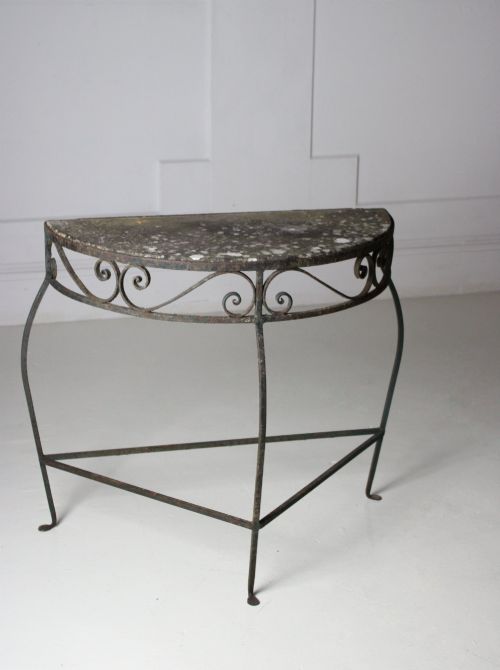
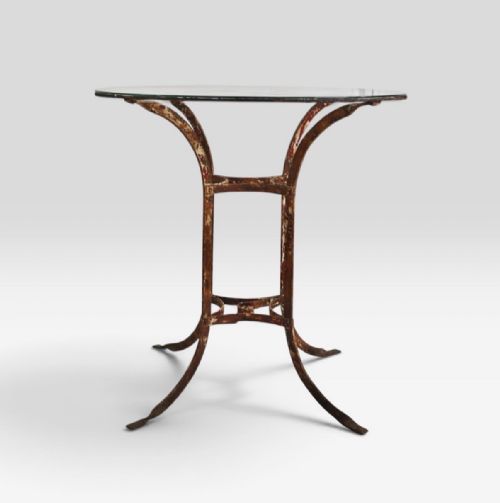
A weathered iron garden table serves as a sturdy surface for outdoor spaces, appearing in forms such as bistro tables, console tables, and garden tables. These items originate predominantly from the nineteenth century, the Edwardian period, and the nineteen-twenties, reflecting both Victorian sensibilities and industrial utilitarianism.
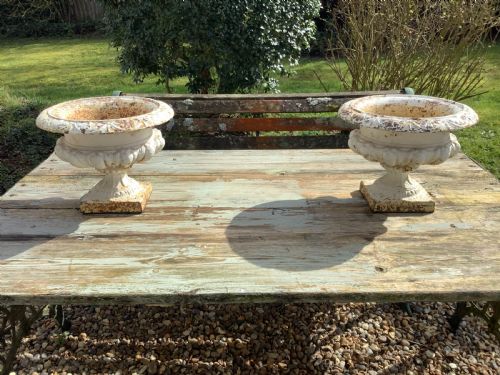
The assortment relies heavily on French provincial and bistro styles, often featuring paired elements like cast iron table urns or plant stands. Buyers most frequently encounter variations that combine heavy metal bases with tops of marble, pine, wood, or glass.
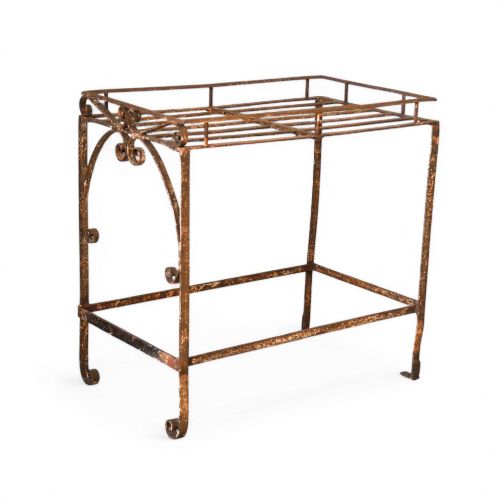
Makers and workshops of the period produced these objects using durable materials meant to withstand exposure to the elements. The resulting inventory ranges from estate-made wrought iron racks to folding garden tables designed for practical portability.
How they were made
Makers utilised cast iron and wrought iron for the foundational structures, employing techniques that allowed for intricate strapp work and decorative detailing. These metal bases frequently support heavy slabs of white marble or timber tops made from pine and other woods.
Surfaces often retain traces of old paint or natural oxidisation, which develops from decades of exposure in gardens and courtyards. Industrial methods of the period also incorporated folding mechanisms and sturdy brackets to ensure stability in outdoor environments.
Listings feature items from the 19th Century, Victorian period, Edwardian era, and the 1920s, constructed from wrought iron, cast iron, marble, pine, and glass.
What varies in quality
The sophistication of the metalwork largely defines the standing of a piece, distinguishing standard utility items from more elaborate estate-made examples with decorative details. Finer instances display harmonious proportions between the iron base and the fitted marble or wooden top.
The integrity of the original material surface also influences the character of the object, particularly where natural weathering and historic paint layers remain undisturbed. Construction methods that incorporate clever folding mechanisms or heavy cast components demonstrate superior period craftsmanship.
The Weathered Iron Garden Table Glossary
- Wrought iron
- A tough, malleable form of iron that blacksmiths beat and bend into decorative scrollwork and structural supports. It differs from cast iron by containing less carbon and showing fibrous grain lines.
- Cast iron
- Molten iron poured into moulds to create rigid components with repeated patterns and substantial weight. This material provides the heavy bases typical of nineteenth-century garden furniture.
- Strapp work
- Flat bands of iron riveted or welded together to form geometric or openwork patterns on table frames. This technique offers both structural rigidity and visual lightness.
- Console table
- A table designed to stand against a wall, frequently topped with marble in these outdoor iterations. They often feature narrow proportions suitable for terraces and garden porticos.
- Bistro table
- A small, portable table historically used in French cafes and outdoor seating areas. These versions typically combine an iron pedestal base with a compact top.
Weathered Iron Garden Table: Frequently Asked Questions
Where should I place a weathered iron garden table?
These tables suit sheltered terraces, garden patios, and conservatories where they can remain protected from the harshest winter dampness while still receiving natural light.
Pairing them with appropriate seating creates a functional outdoor dining or display area that complements surrounding greenery.
How do I care for the surface of a weathered iron table?
Maintenance involves gentle cleaning with mild soapy water and a soft brush to remove accumulated dirt without disturbing the historic patination. Applying a light coat of protective wax or oil helps preserve exposed metal surfaces from further corrosion.
Marble and wooden tops require specific cleaners appropriate to their respective materials to maintain their integrity over time.
Are these tables heavy to move around the garden?
Many examples incorporate dense cast iron or heavy marble components that provide substantial weight and stability against winds. Folding models and smaller bistro formats offer greater portability for repositioning across different outdoor zones.
Checking the material composition of the top and base gives a clear indication of how easily a piece relocates.
How can I tell a nineteenth-century table from a later reproduction?
Nineteenth-century examples display authentic casting seams, hand-hammered joinery on wrought iron elements, and natural patination earned through decades of exposure. The weight distribution and integration of materials such as pine and marble reflect period manufacturing techniques.
Examining the fixings and the depth of surface wear helps confirm the age of the structure.