

Vintage Marble Side Table
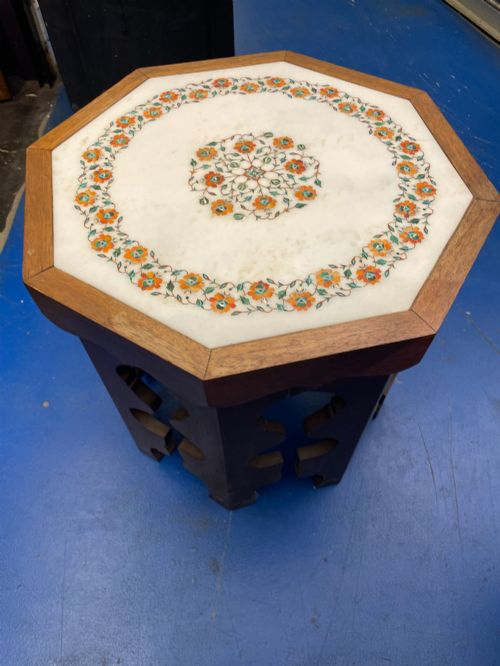
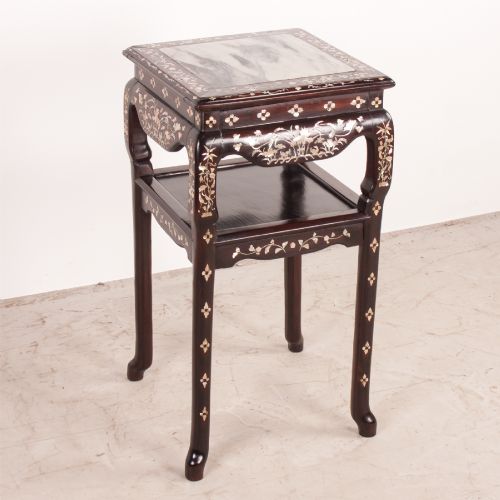
A vintage marble side table brings a cool, polished stone surface to a room, combining practical utility with decorative presence.
Vintage Marble Side Table
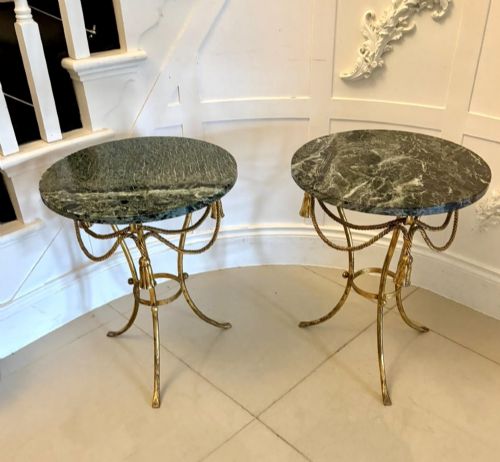
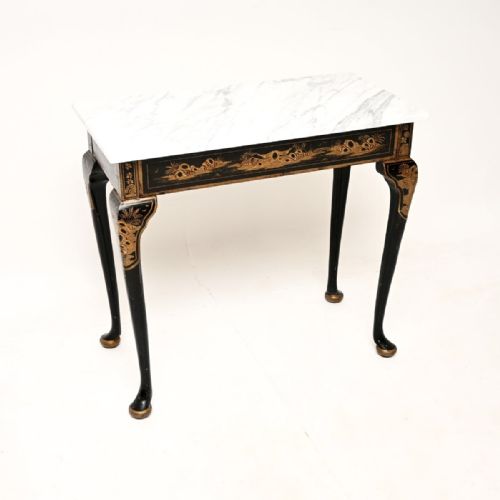
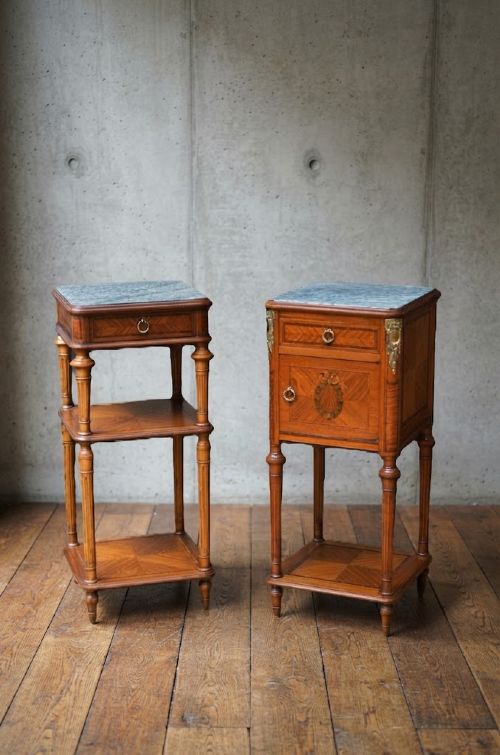
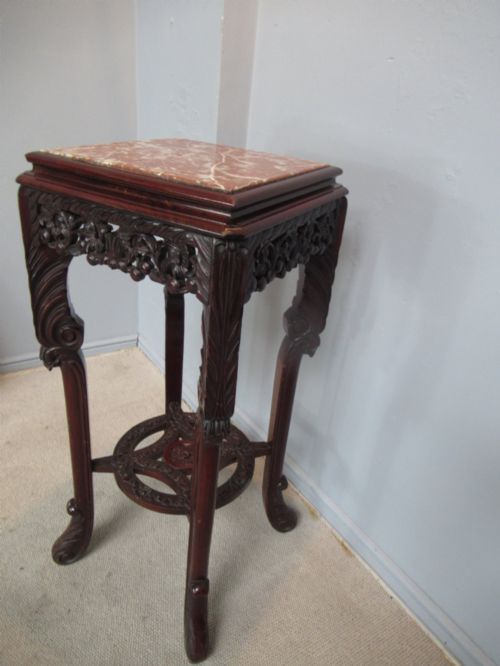
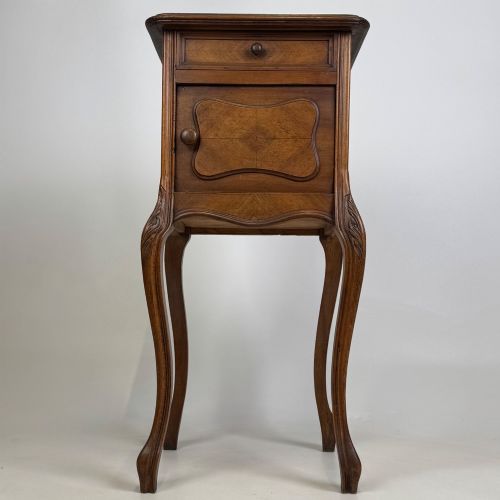
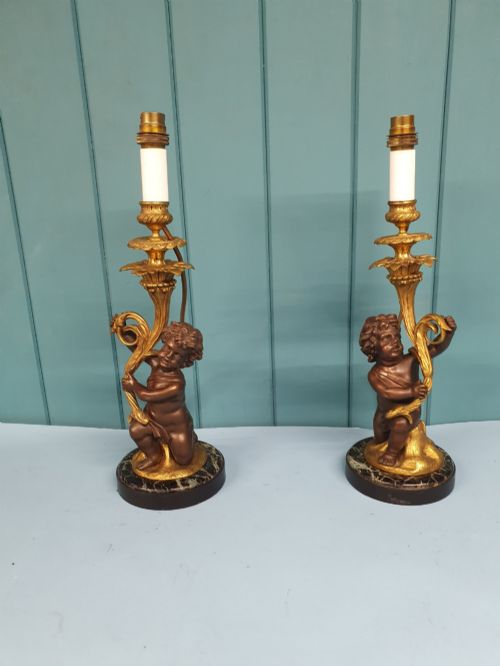
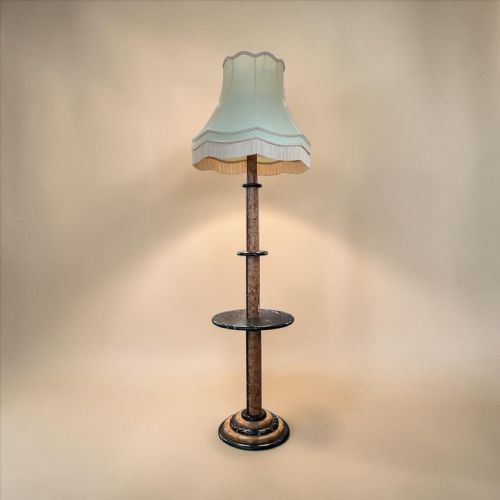
A vintage marble side table encompasses a diverse range of occasional furniture designed to hold lamps, drinks, or decorative objects within domestic spaces. When searching for a vintage marble side table, buyers encounter formats spanning from compact bedside cabinets to taller console tables and low lamp tables. The inventory includes pieces originating from the nineteenth century through the 1930s, featuring various continental and British aesthetic movements.
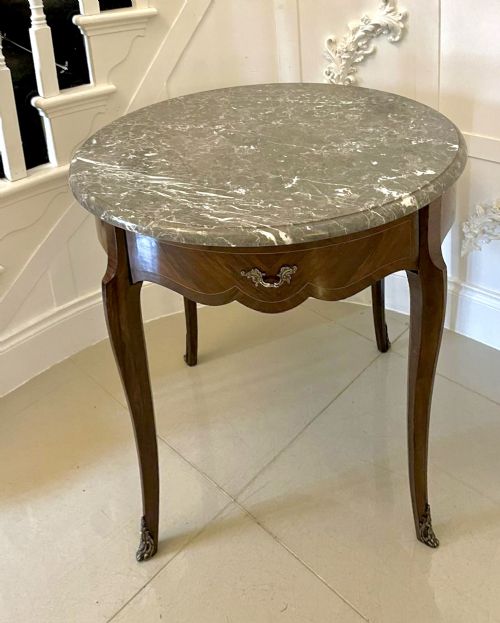
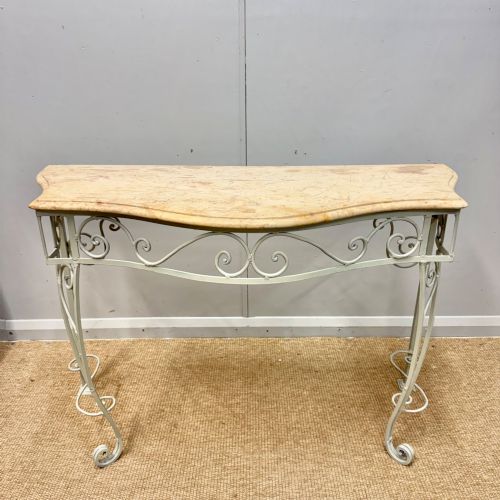
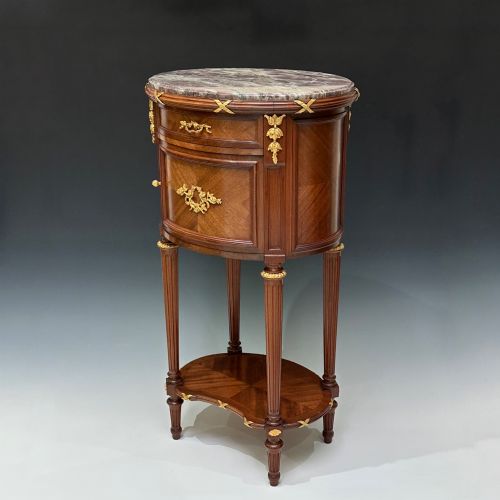
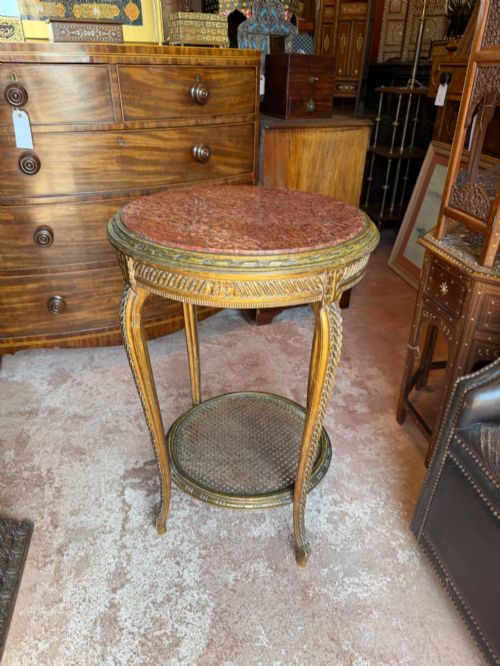
Continental influences dominate the selection, particularly French styles such as Louis XVI Revival, Art Deco, and French Chateau aesthetics. These items frequently appear as bedside chests, gueridons, and console tables designed to utilise stone tops alongside timber frames. The forms range from ornate inlaid walnut and kingwood cabinetry to rustic wrought iron and patisserie display tables.
Smaller occasional pieces and bedside tables represent the most common variations encountered by buyers on this page. Alongside these, substantial console tables with serpentine or solid marble tops provide options for hallways and reception rooms. The integration of stone with materials like brass, mahogany, and satinwood defines the character of these functional objects.
How they were made
Cabinet makers utilised dense hardwoods such as mahogany, walnut, satinwood, and kingwood to construct the structural frames that support heavy stone slabs. Marquetry and intricate wood inlays frequently decorate the friezes and door panels of nineteenth-century and Edwardian examples. Joinery techniques relied on traditional dovetails and mortise and tenon joints to bear the considerable weight of the marble tops.
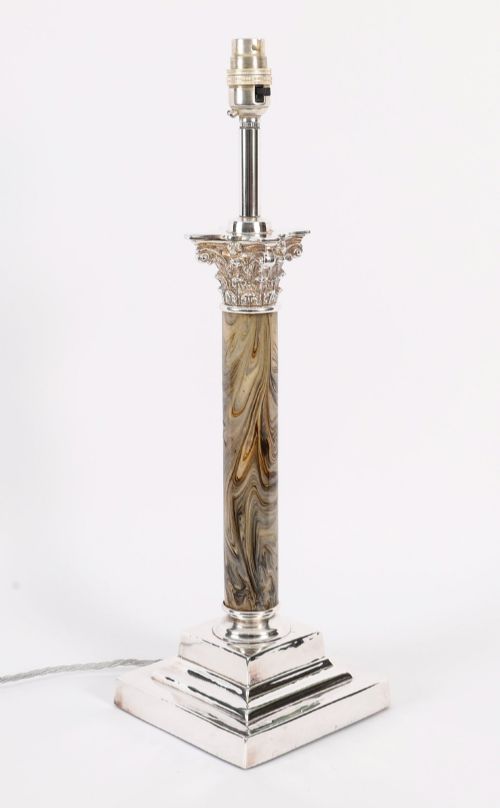
Marble slabs were cut, shaped, and polished by hand to fit individual table frames, sometimes featuring moulded edges or serpentine contours. Metalwork components, including cast or gilded brass, ormolu mounts, and wrought iron, were integrated into the design to provide structural bracing or decorative embellishment. Workshops also employed silver plating and gilt metal detailing on lamp tables and console supports during the late nineteenth and early twentieth centuries.
Vintage Marble Side Table Retail Price Guide 2026
Typical asking prices for vintage marble side table among the pieces listed under this phrase on Sellingantiques today, from the lower quarter to the upper quarter. They describe what is for sale here now, not the wider market.
Several tables disguised their utilitarian origins as butchers or patisserie counters before beginning a second life in domestic living spaces.
What varies in quality
Structural integrity depends on the quality of the original joinery and how well the wooden frame supports the heavy stone slab over decades of use. Superior examples display refined cast brass or ormolu mounts that integrate cleanly with the wooden carcass rather than appearing crude or applied as an afterthought. The balance between the decorative metalwork, carved timber, and stone top determines the overall harmony of the design.
François Linke
The Vintage Marble Side Table Glossary
- Console table
- A table designed to stand flat against a wall, frequently fitted with a stone or marble top and supported by two or four legs. These items often feature elaborate carving or wrought iron frames.
- Gueridon
- A small circular occasional table, originating in France during the seventeenth century and remaining popular through the nineteenth and twentieth centuries. They frequently feature marble tops supported by single or multiple pedestals.
- Marquetry
- Decorative veneer work where small pieces of different woods or other materials are assembled in patterns on a carcase. This technique appears widely on nineteenth and early twentieth-century bedside cabinets.
- Ormolu
- Gilded bronze or brass applied to furniture mounts and decorative objects during the eighteenth and nineteenth centuries. The technique provides a bright metallic contrast to dark hardwoods and marble.
- Serpentine
- A curved furniture front or marble edge that curves outward at the centre and inward at the sides. This shape requires skilled masonry and cabinet making to achieve fluid lines.
Vintage Marble Side Table: Frequently Asked Questions
How do I clean a marble top?
Use a damp cloth with mild, pH-neutral soap to wipe the surface gently, avoiding acidic cleaners that can etch the stone.
Dry the marble thoroughly with a soft cloth to prevent water spots and maintain the natural polish.
Are the marble tops fixed to the tables?
Many vintage marble tops simply rest on the wooden frame under their own heavy weight, allowing them to be lifted off for moving.
Some console and larger tables may secure the stone with brackets or adhesive, so checking the fixing method before lifting is sensible.
Can I use these tables as bedside cabinets?
Numerous pieces listed as bedside cabinets or nightstands are specifically sized for placement beside a bed, offering enclosed storage alongside a durable stone surface.
Their marble tops provide a practical, spill-resistant area for lamps and nighttime items.
How do I tell Art Deco from earlier styles?
Art Deco pieces from the 1920s and 1930s tend to feature geometric lines, streamlined forms, and burr walnut veneers.
Nineteenth-century styles like Louis XVI Revival or Victorian incorporate more elaborate carving, applied ormolu mounts, and traditional floral marquetry.