
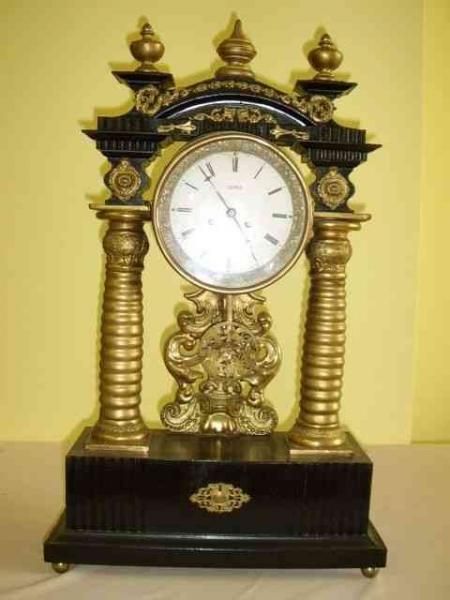


Eighteenth Century Clock
An eighteenth century clock anchors a room with mechanical artistry, bringing centuries of skilled craftsmanship and steady ticking into your home.
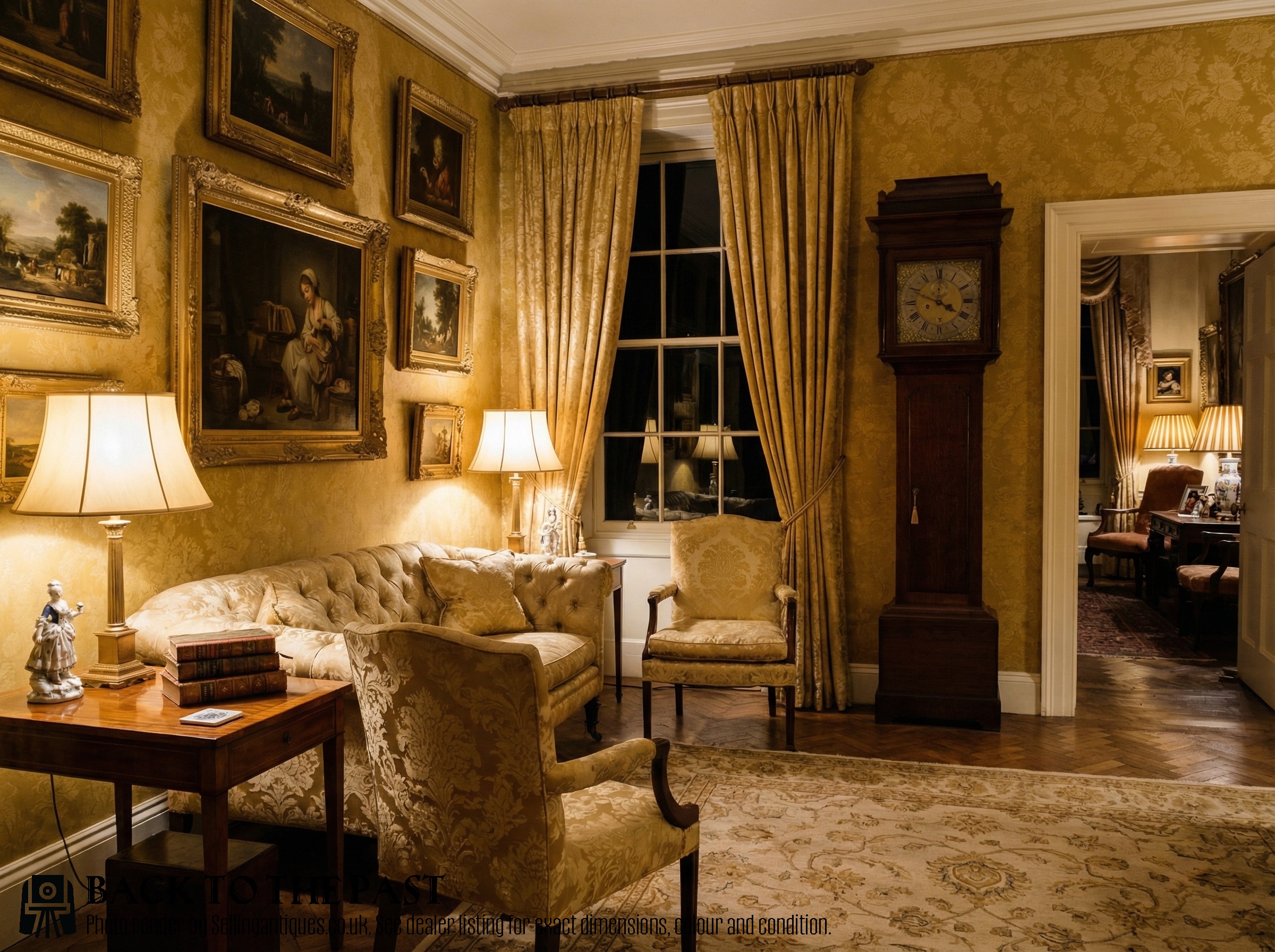
Eighteenth Century Clock
When you search for an eighteenth century clock, you encounter tall floor-standing timepieces alongside smaller bracket and mantel designs from the Georgian and Regency periods. Longcase clocks, often called grandfathers, dominate the selection in sturdy oak, rich mahogany, and red walnut.
Makers from London and regional English towns constructed these pieces during the George II, George III, and French Empire styles. Dial variations include silvered brass arches, rocking ship automata, and painted moon phases that track lunar cycles alongside the hours.
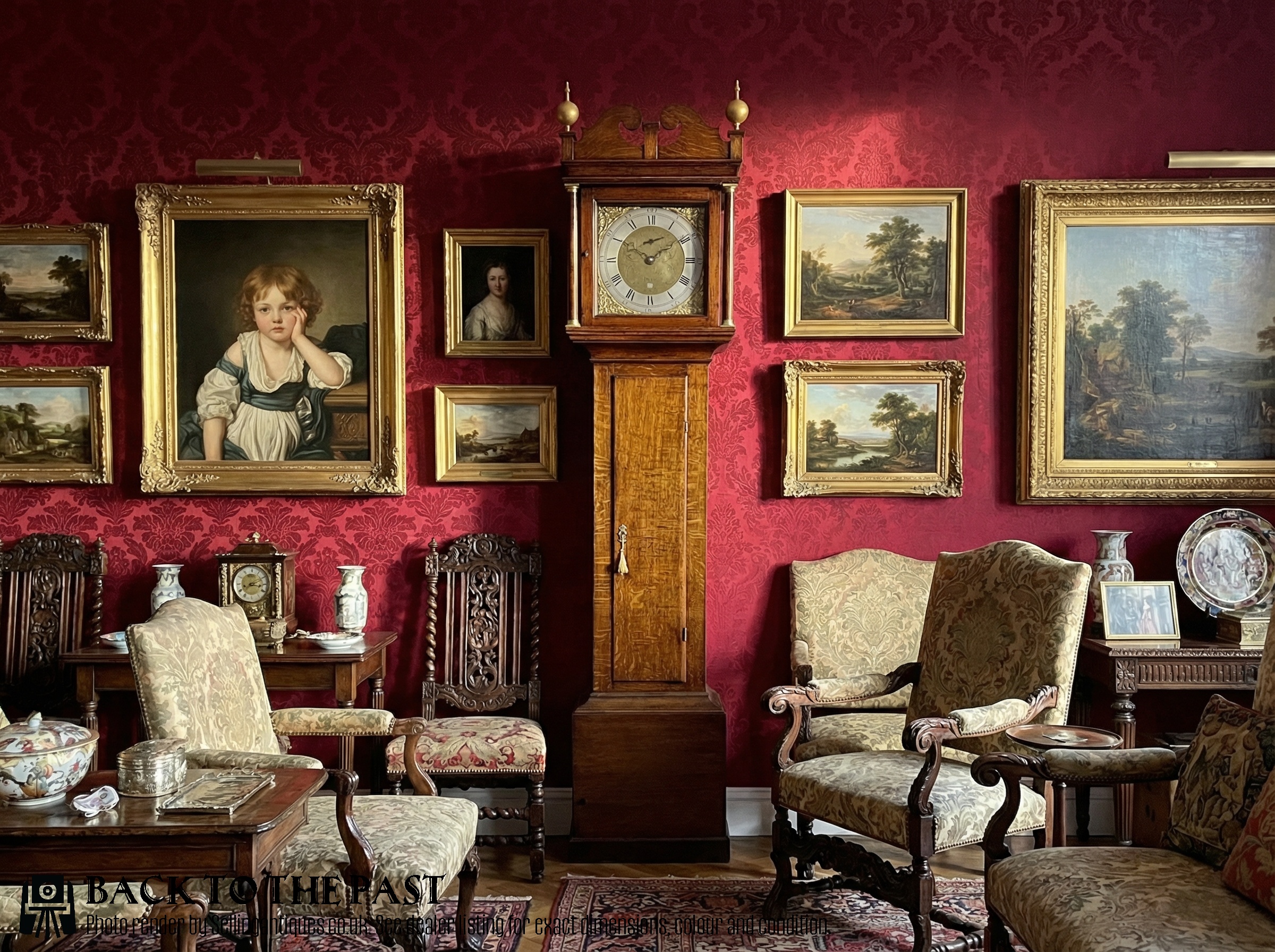
How they were made
Cabinetmakers utilised dense hardwoods like mahogany, oak, and kingwood, frequently applying ebonised finishes or lacquered chinoiserie decoration to the timber cases. Brass and steel formed the intricate internal gear trains, while ormolu added decorative mounts to select French and English models.
Clockmakers fitted glass panels into bonnet doors to protect delicate painted dials and silvered brass chapters. Dial components involved hand-engraved brass work, painted rolling moons, and mechanical automata driven by weight or spring movements.
Eighteenth Century Clock Retail Price Guide 2026
Typical asking prices for eighteenth century clock among the pieces listed under this phrase on Sellingantiques today, from the lower quarter to the upper quarter. They describe what is for sale here now, not the wider market.
Father Time rocks back and forth above a dark green chinoiserie dial while the pendulum swings below.
What varies in quality
The distinction between standard domestic timepieces and exceptional examples lies in the sophistication of the movement and the cabinetry. Master clockmakers in London produced complex quarter-striking mechanisms and musical portico movements housed in finely figured mahogany or kingwood cases.
Turner of London·John Witherston of Hereford·Richard Biggs of Romsey·Stanyer Nantwich·Dwerrihouse and Carter·Samuel Buxton of Diss·Francis Perigal London·James Rayner of Hull·John Jackson London·Robert Darling Melrose·Archibald Collier Bond Street·Vale of Coleshill
The Eighteenth Century Clock Glossary
- Longcase clock
- A tall pendulum clock enclosed in a wooden case with a weighted movement, commonly known as a grandfather clock. These floor-standing pieces protect the weights and pendulum behind a secure glazed door.
- Bracket clock
- A portable table or shelf clock with a carrying handle, originally designed to sit on a wall bracket. They utilise spring-driven movements rather than hanging weights.
- Rolling moon
- A painted dial mechanism featuring two identical lunar spheres that rotate to display the phases of the moon. This visual complication tracks the monthly lunar cycle above the main dial.
- Silvered dial
- A brass clock face treated with a silver solution and engraved to create high-contrast numerals and chapter rings. This traditional technique ensures the time remains legible in dim light.
Eighteenth Century Clock: Frequently Asked Questions
What is an eighteenth century clock?
An eighteenth century clock is a mechanical timepiece produced during the 1700s and early 1800s, encompassing tall longcase clocks, bracket clocks, and mantel pieces. These instruments combine precision brass movements with traditional cabinetmaking in oak, mahogany, and walnut.
Craftsmen across London and provincial towns built these pieces to serve as both reliable timekeepers and decorative focal points for domestic interiors. Their survival demonstrates durable engineering and enduring aesthetic appeal.
How do I wind a longcase clock?
Winding a longcase clock involves using a specific crank key to draw up the hanging weights inside the trunk. You insert the key into the winding holes on the dial face and turn it steadily until the weight reaches the top.
Care must be taken not to overwind the mechanism, stopping as soon as resistance increases. Regular winding maintains proper tension on the lines or chains that drive the gear train.
Where were these clocks placed in a home?
Longcases traditionally stood in hallways, stairwells, or main reception rooms where their deep chimes could echo through the house. Their imposing height required stable floor surfaces away from direct sunlight and damp walls.
Smaller bracket clocks found places on designated wall shelves, mantelpieces, or parlour tables where family members could read the dial easily during daily routines.
How do I tell the difference between periods?
Early Georgian clocks often feature square brass dials and simpler oak cases, while George III examples frequently adopt arched dials and richly figured mahogany. Regency and French Empire pieces introduce refined ormolu mounts, architectural portico forms, and more complex architectural lines.
Examining the dial style, wood selection, and construction methods helps determine the approximate decade of manufacture. Regional provincial makers often retained traditional styles longer than London workshops.