


Eight Day Longcase Dial
An eight day longcase dial measures time through centuries of cabinetry and brass, anchoring a room with a steady mechanical heartbeat.
Eight Day Longcase Dial
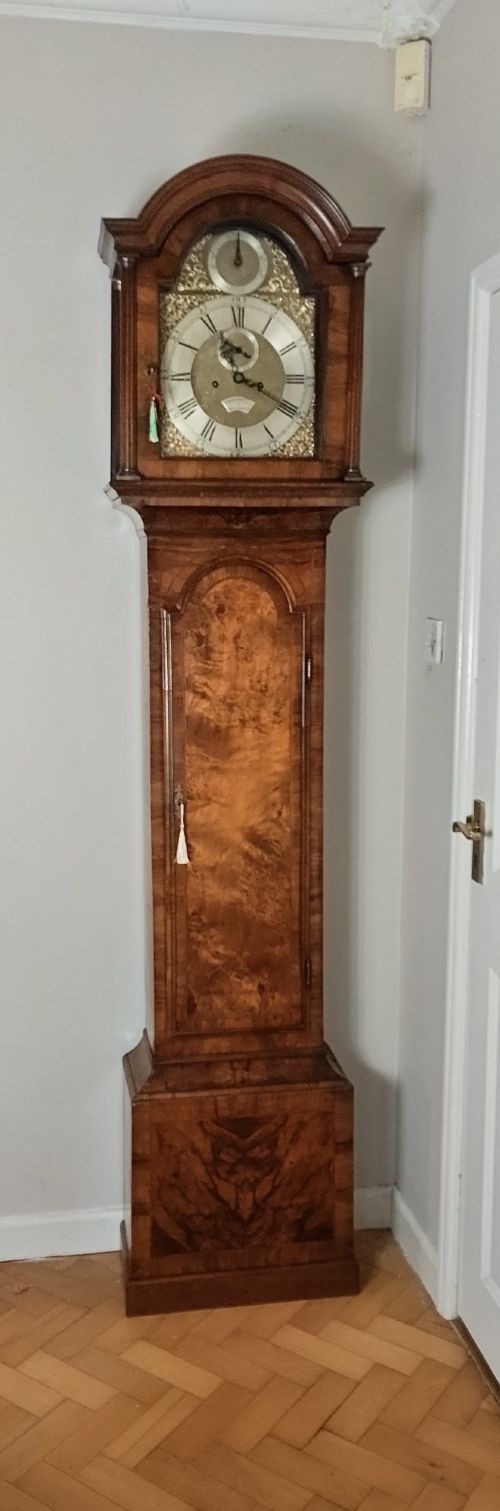
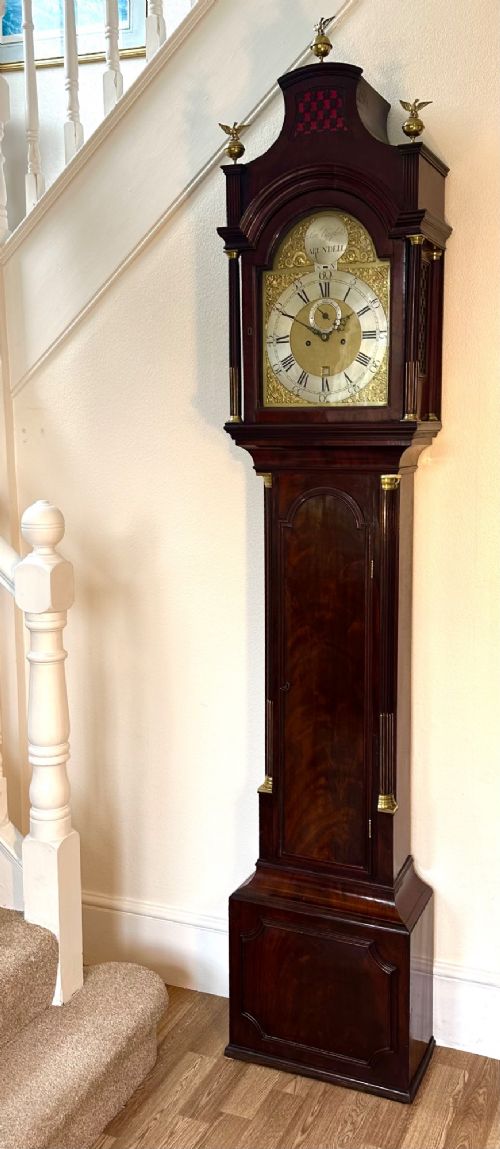
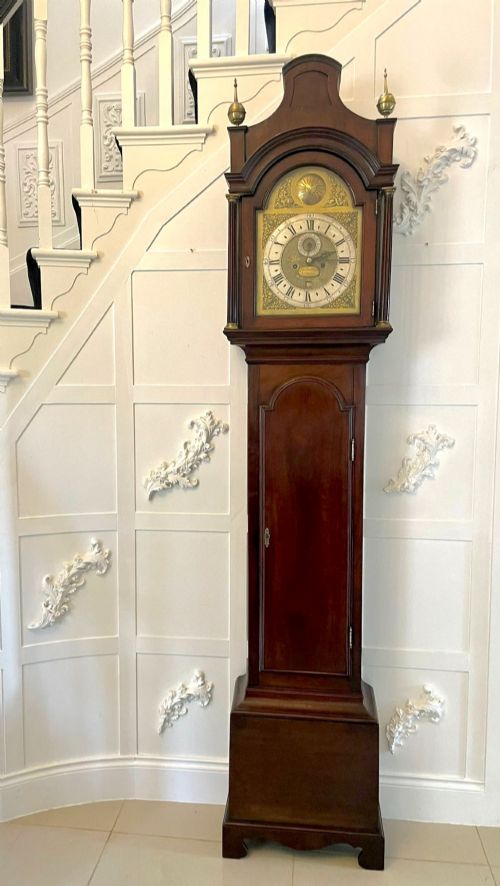
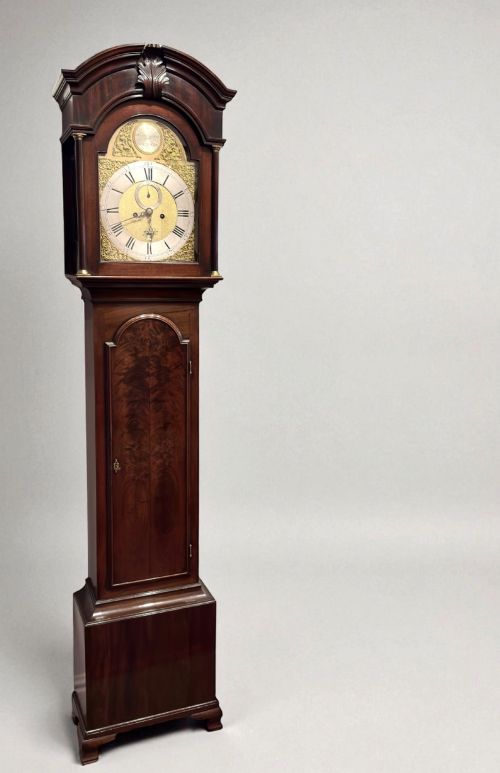
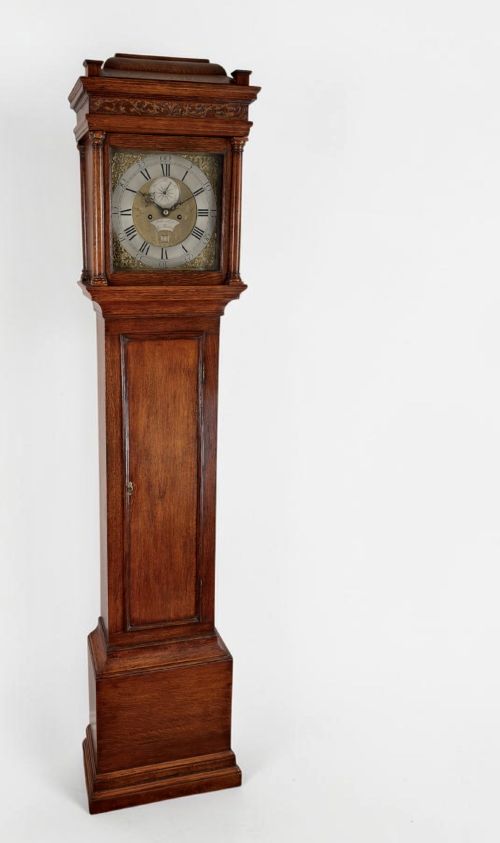
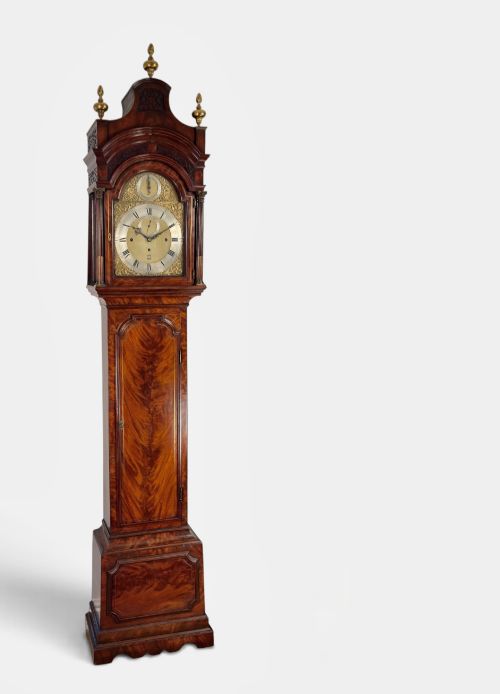
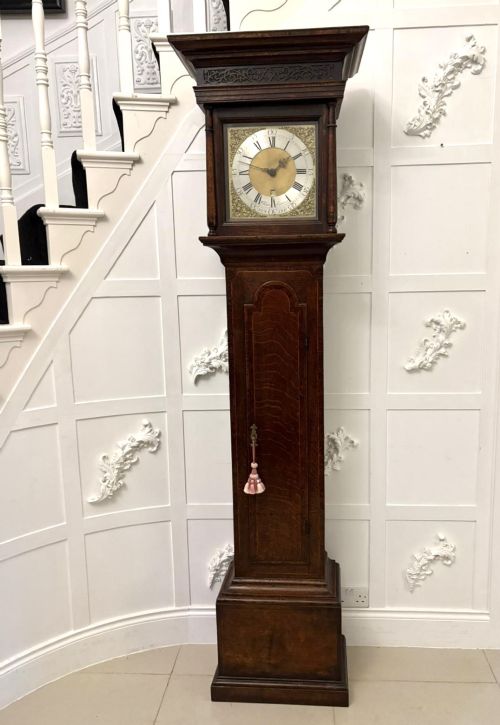
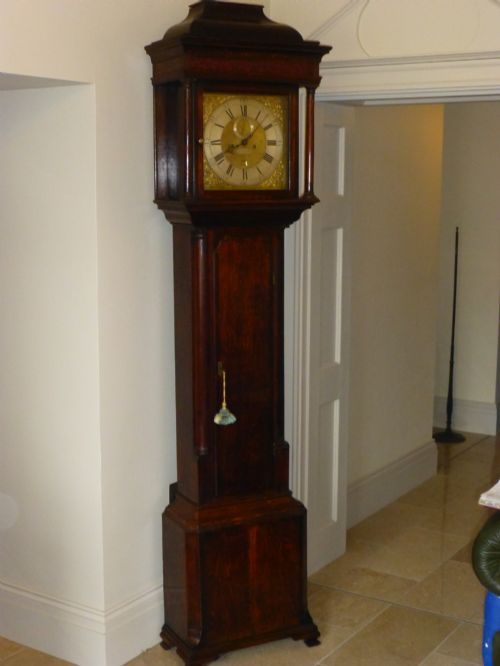
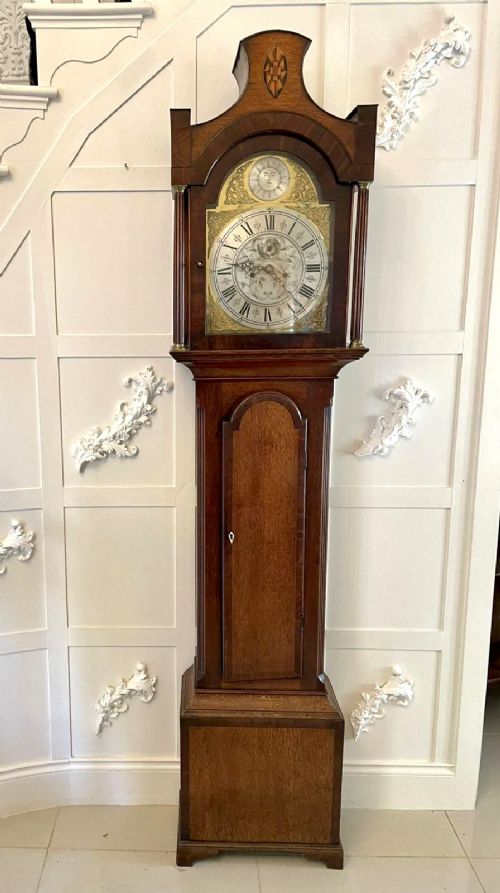
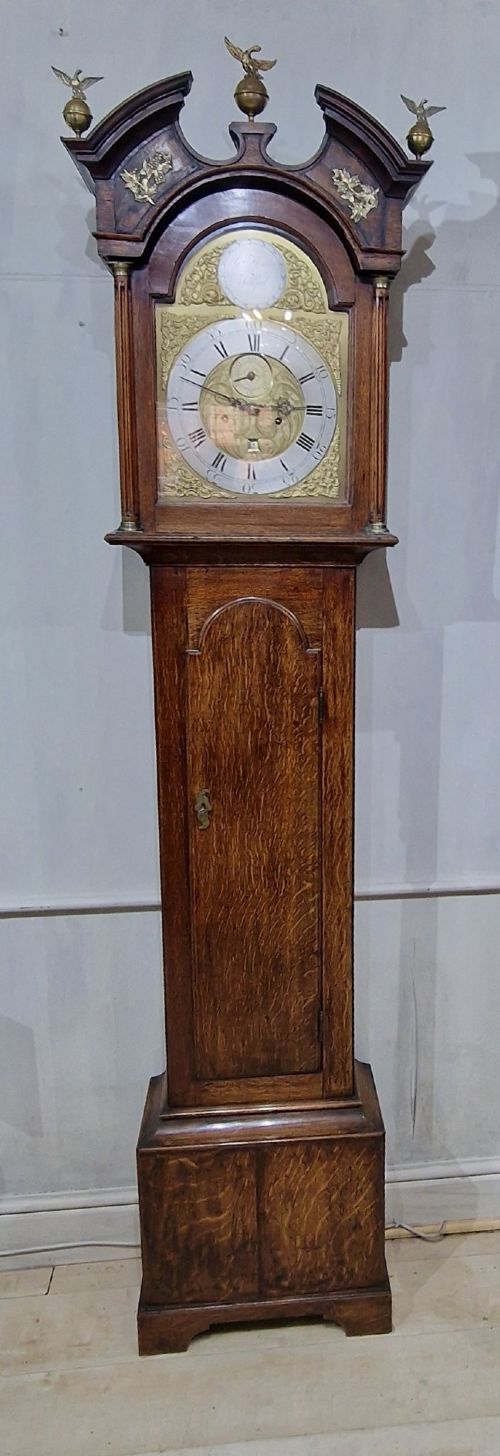
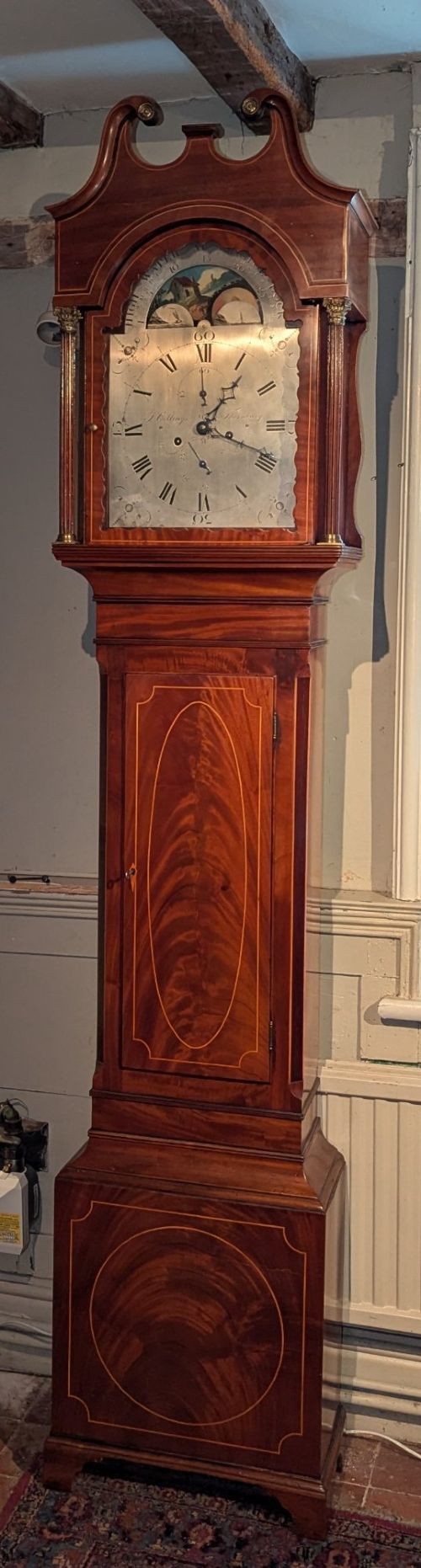
An eight day longcase dial represents the face and movement of a tall clock, typically housed in a timber case of mahogany, oak or walnut. These pieces date primarily from the Georgian and Victorian periods, spanning the eighteenth and nineteenth centuries.
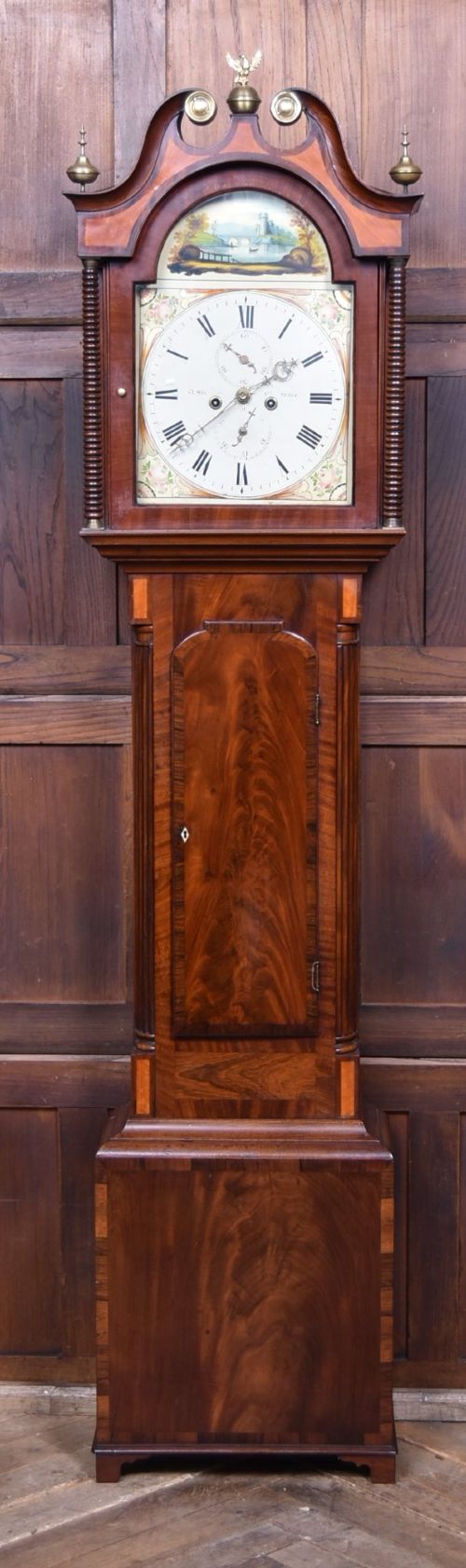
Makers from London, provincial English towns and Scottish burghs signed these dials, recording regional variations in cabinet work and dial decoration. A buyer encounters brass faces from the eighteenth century alongside painted iron dials from later decades.
The format combines domestic utility with decorative presence, functioning as both a timekeeper and a substantial piece of furniture. Surviving examples range from simple oak regional clocks to elaborate London pieces with complex strike mechanisms.
How they were made
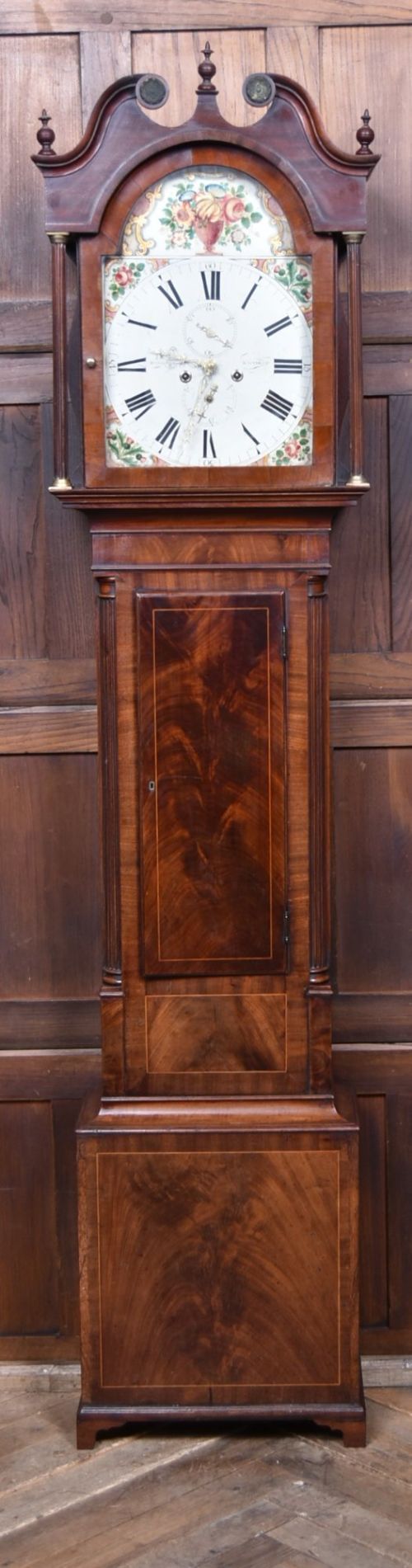
Clockmakers constructed movements from brass and steel, cutting gear teeth and plates by hand before the widespread adoption of factory machinery. Dials were cast in brass then engraved and silvered, or painted on iron sheets with delicate floral and astrological details.
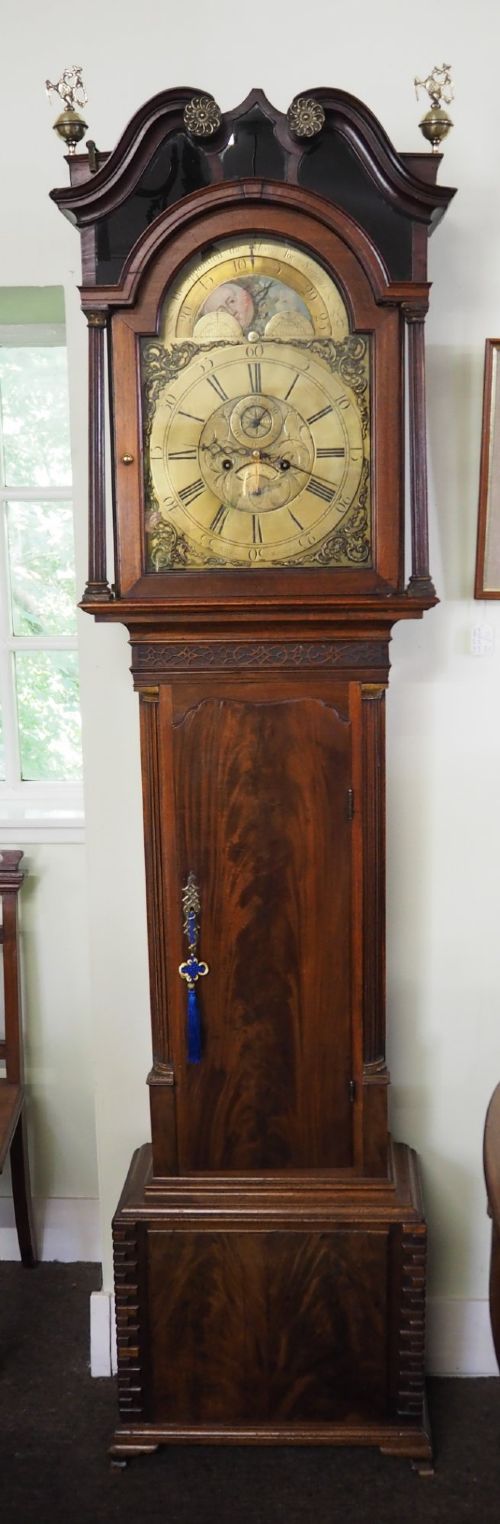
Cabinetmakers built the tall cases using native and imported timbers, selecting mahogany, oak, walnut and burr oak for their grain and colour. Veneers and marquetry inlay added decorative depth to the trunk doors and hoods that protected the delicate movements within.
Painted iron and engraved brass form the two primary dial materials seen across provincial and London workshops.
What varies in quality
The standard of engraving on the brass or painted dial sets the visual distinction between workshop output. Crisp lettering, detailed corner spandrels and finely pierced steel hands indicate skilled craftsmanship.
Cabinet construction reveals the ambition of the maker, demonstrated in selected timbers, flame mahogany veneers and intricate marquetry. Solid secondary woods and well-proportioned hood mouldings separate standard regional pieces from high-end metropolitan work.
Charles Shuckburgh·John Ellicott·James McCabe·Charles Louch·Henry Weedon
The Eight Day Longcase Dial Glossary
- Longcase clock
- A tall pendulum clock enclosed in a wooden case designed to stand on the floor. This form became popular in the late seventeenth century and remained a staple of domestic interiors for generations.
- Dial
- The face of the clock that displays the hours and minutes. Dials on these pieces appear in engraved brass or painted iron.
- Moon dial
- A secondary mechanism showing the phases of the moon on a rotating disc above the main chapter ring. Makers often incorporated this feature for maritime or agricultural utility.
- Strike silent
- A mechanical option allowing the clock to be silenced at night so the hour chimes do not disturb sleep. This mechanism required careful adjustment within the gear train.
- Quarter striking
- A movement arrangement that chimes the quarters in addition to striking the full hour. This complicated work is typically found in higher-grade London examples.
Eight Day Longcase Dial: Frequently Asked Questions
How do I wind an eight day clock?
An eight day movement requires winding every week using a crank key inserted into the dial holes. Turning the key draws the internal weights back to the top of the trunk.
Care must be taken not to overwind the movement, stopping as soon as resistance is felt against the click spring.
Why does the clock run fast or slow?
Temperature changes and seasonal shifts alter the length of the pendulum rod, which directly affects the timing. Adjusting the small nut at the base of the pendulum bob corrects the rate.
Raising the bob shortens the pendulum and makes the clock run faster, while lowering it slows the beat down.
How do I tell an 18th-century dial from a 19th-century one?
Eighteenth-century dials are predominantly cast brass with applied silvered chapter rings and cast brass spandrels in the corners. They often feature engraved maker signatures and subsidiary seconds dials.
Nineteenth-century examples frequently use painted iron faces with floral corners, bold Roman numerals and sometimes mechanical moon phases painted on curved discs.
Where should I place a longcase clock?
The clock needs a stable, dry interior wall away from direct sunlight, central heating vents and heavy foot traffic. A solid floor is essential to prevent vibrations from interfering with the pendulum swing.
Securing the tall case to the wall using the internal bracket prevents accidental tipping, especially in homes with children or pets.