
Edwardian Writing Slope
An Edwardian writing slope is a compact, portable desk designed for correspondence, prized for its clever internal fittings and rich cabinet woods.
What these pieces are
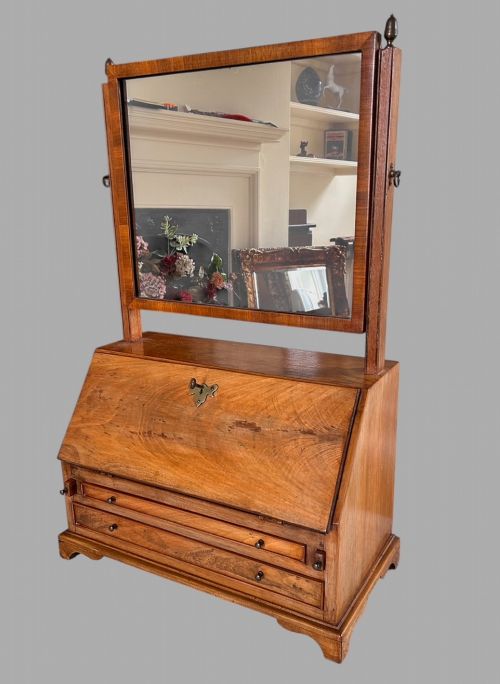
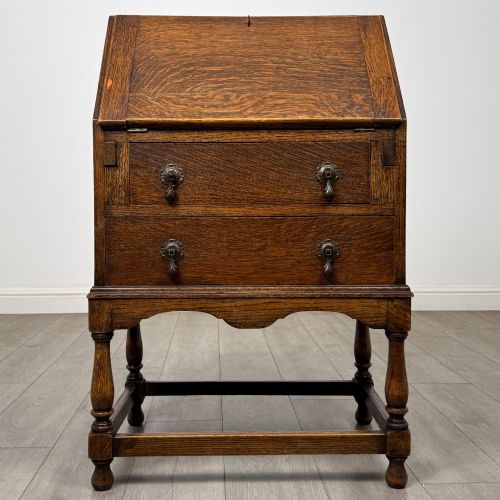
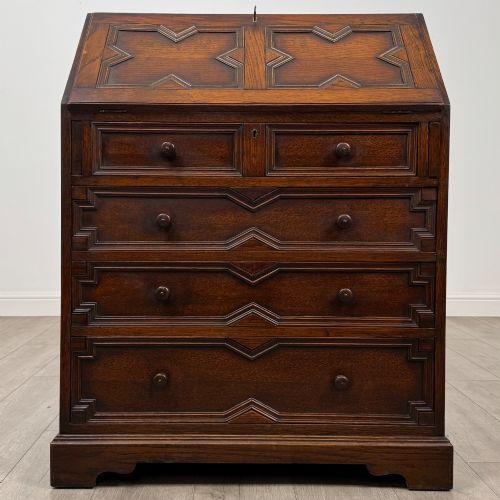
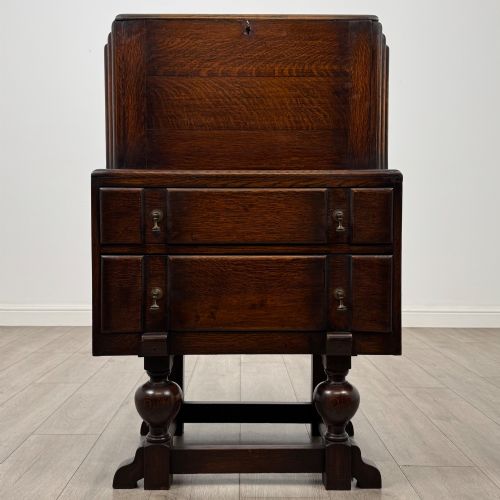
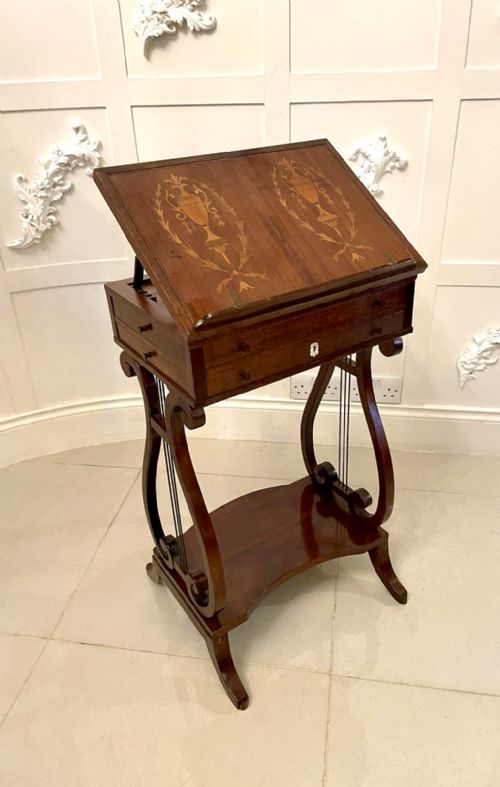
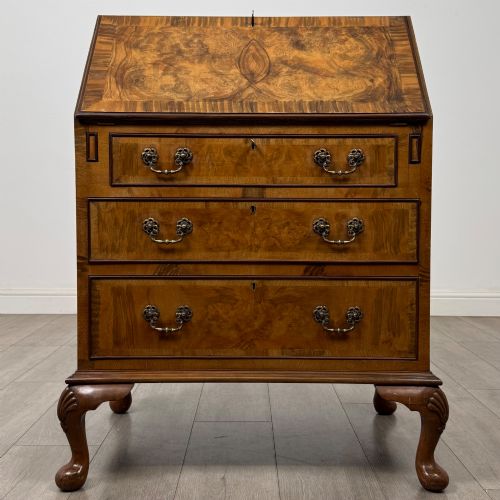
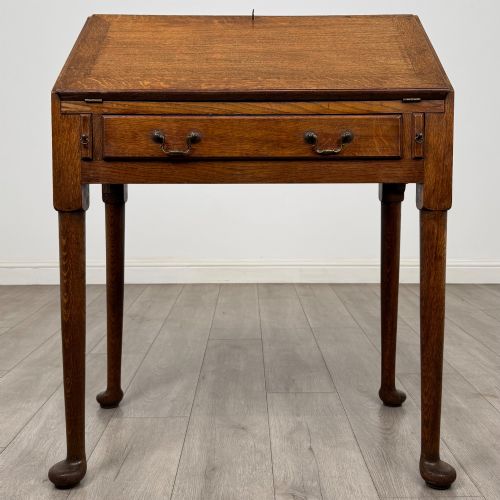
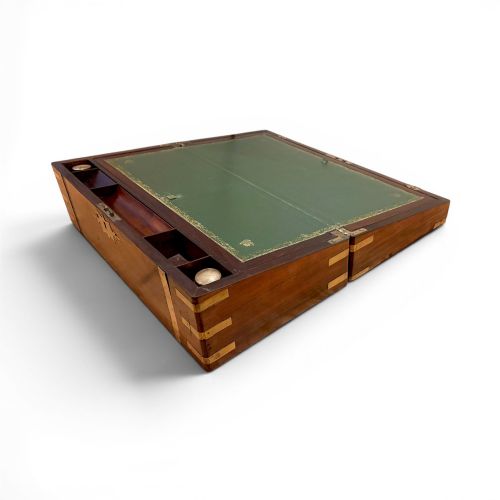
An edwardian writing slope brings together portable correspondence boxes and small fitted desks from the early twentieth century. These pieces emerge predominantly in mahogany, walnut, and occasional oak, often retaining fitted interiors with secret drawers and compartments for ink and paper.
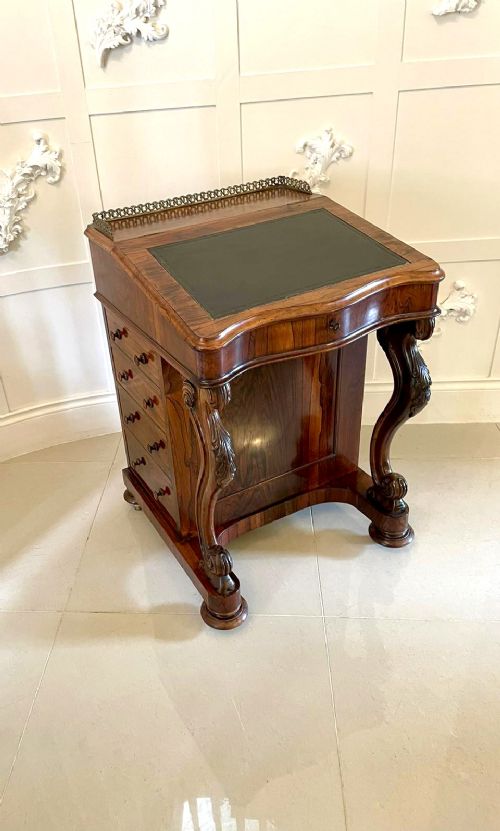
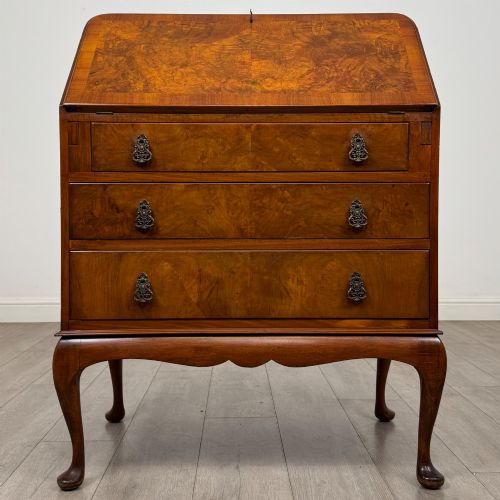
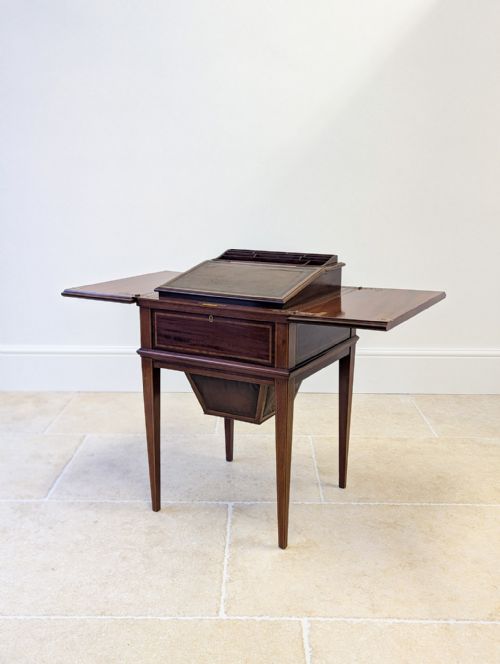
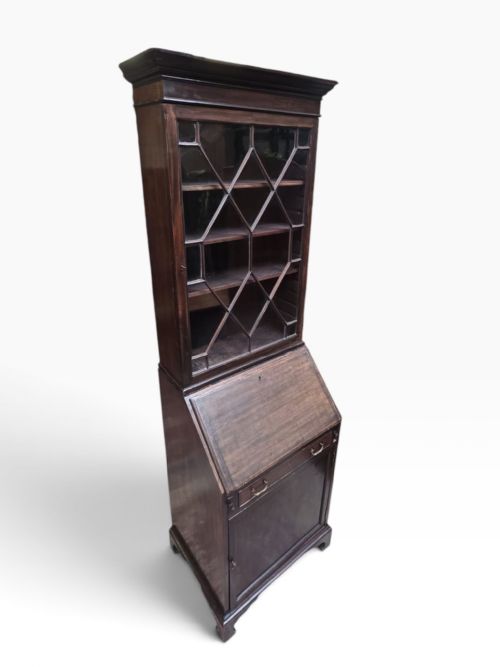
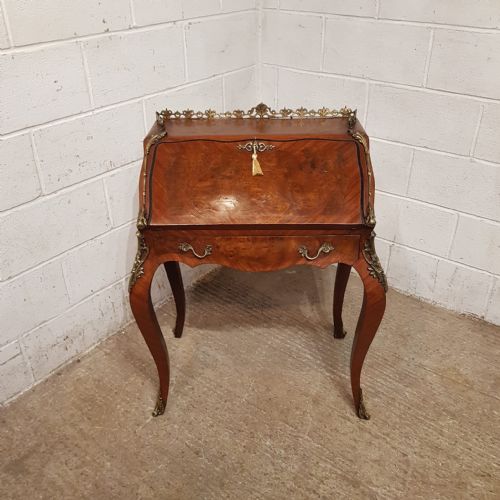
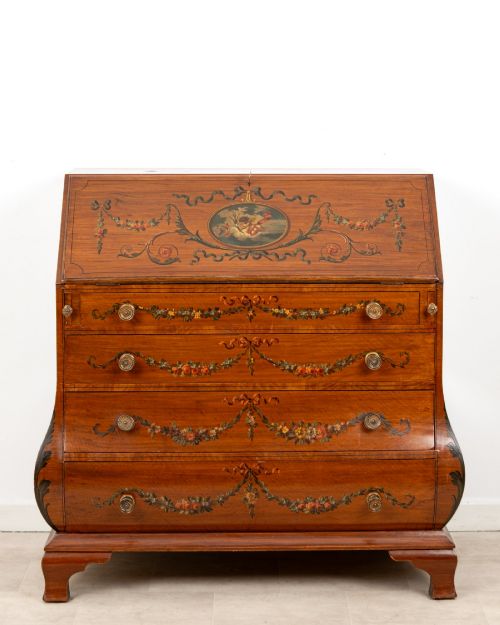
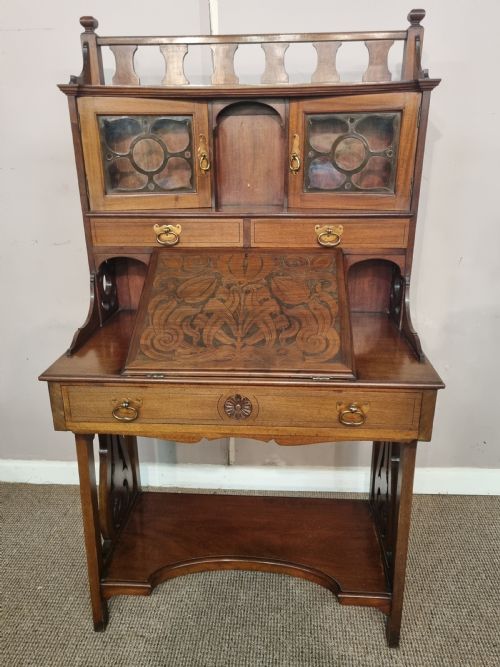
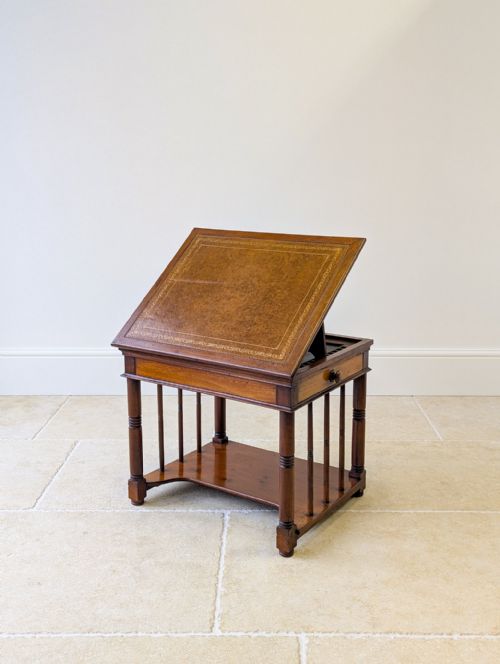
The buyer meets both portable folding boxes and small bureau or davenport forms on this page. Pieces range from straightforward travelling correspondence boxes to larger desk furniture with brass edge details.
Makers from the Edwardian period adopt both simpler domestic formats and substantial hotel reception correspondence boxes. Alongside pieces strictly dated to nineteen hundred, Victorian examples surface in walnut with brass mounts.
How they were made
Cabinetmakers construct these slopes from dense hardwoods including mahogany, walnut, and oak, occasionally incorporating satinwood for contrast. Carpenters apply fine inlays to the exterior surfaces of the boxes while retaining sturdy timber carcases for daily use.
Interiors feature fitted compartments, pen trays, and secret drawers operated by concealed mechanisms. Metalworkers furnish the pieces with brass mounts, hinges, and edging to protect the corners during travel.
Some hotel reception boxes required a sly push on an inner divider just to find where the stamps lived.
What varies in quality
Quality rests in the selection of timber figures, from richly grained walnut to carefully figured mahogany and satinwood. Finer examples display precise inlay work and well-integrated brass edging rather than simple surface decoration.
Internal complexity separates standard boxes from superior pieces, particularly the ingenuity of secret drawers and the condition of original leather writing surfaces.
The Edwardian Writing Slope Glossary
- Writing slope
- A portable box with an angled lid designed to hold paper and provide a slant for handwriting. These pieces fold shut for storage or travel.
- Davenport desk
- A small compact desk featuring a sloping writing surface above a pedestal of drawers. It combines the utility of a slope with a set of stationary drawers.
- Correspondence box
- A specialised box or desk adapted for holding letters, envelopes, and writing implements. Some examples served hotel reception rooms.
- Secret drawer
- A concealed compartment built into the interior fittings, accessed by removing a false panel or pressing a hidden spring. Cabinetmakers used these to secure valuables.
Frequently Asked Questions
What is an edwardian writing slope?
An edwardian writing slope is a portable box or small desk made around nineteen hundred, designed to provide a slanted surface for writing letters.
These pieces typically open to reveal compartments for stationery, inkwells, and secret drawers.
How were writing slopes used?
Users placed the portable boxes on tables or desks to write correspondence before fountain pens and home offices became common.
The sloping lid offered an ergonomic angle for handwriting while keeping paper and pens organised inside.
What woods are used?
Makers constructed these pieces using dense hardwoods such as mahogany, walnut, and oak. Some examples incorporate satinwood and decorative inlay work.
Brass edges and mounts appear frequently to protect the corners during travel.
How do I spot a secret drawer?
Secret drawers are concealed behind false backs or removable partitions within the internal stationery fittings. Cabinetmakers designed them to blend seamlessly into the wooden compartments.
Finding them usually requires sliding panels or operating hidden wooden latches.