
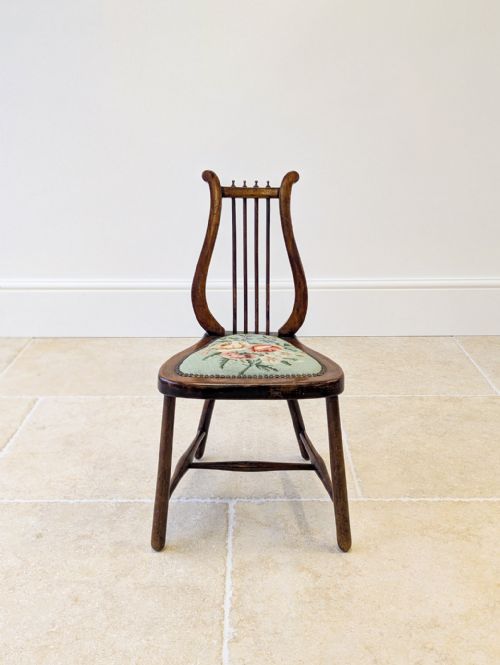
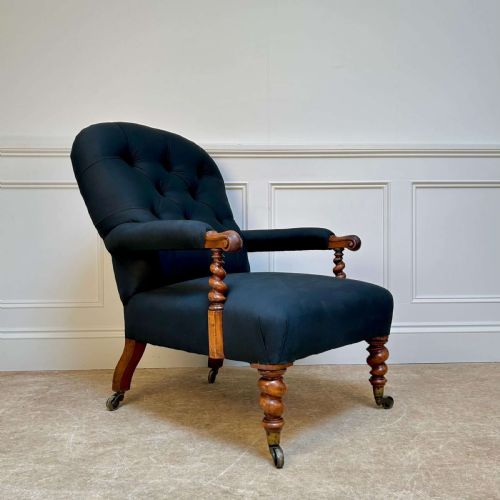
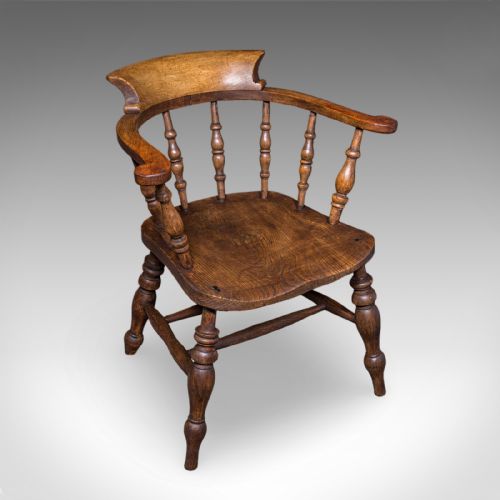
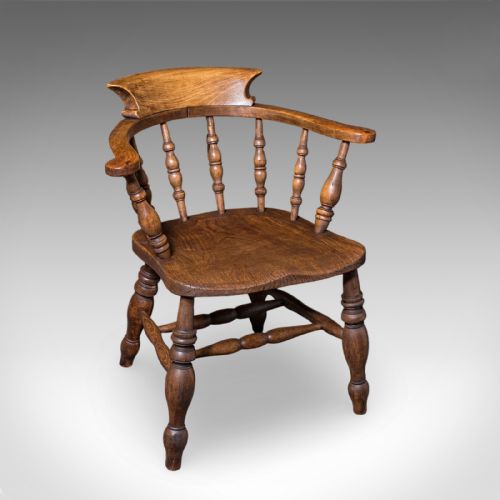
Edwardian Wooden Desk Chair
An Edwardian wooden desk chair provides firm timber support and enduring character for a workspace, bringing period craftsmanship directly to your study.
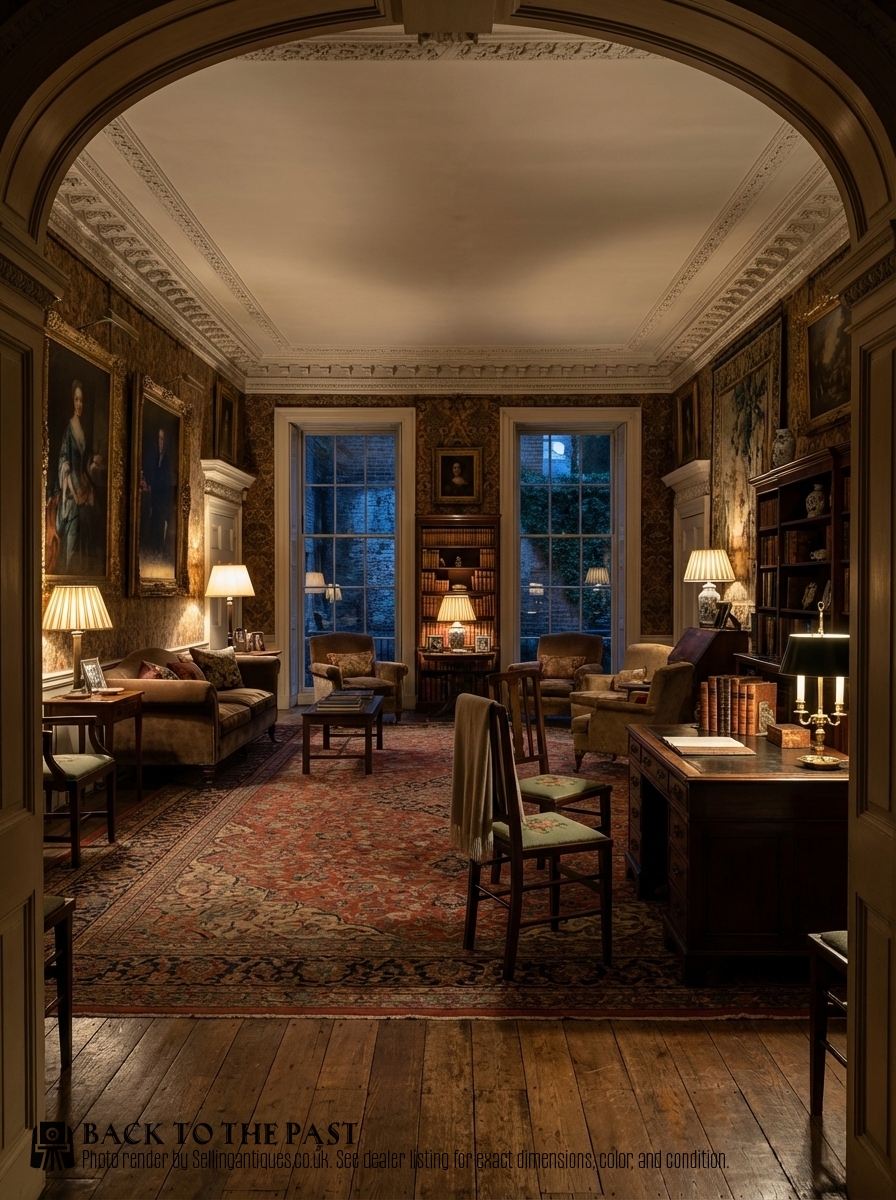
Edwardian Wooden Desk Chair
An edwardian wooden desk chair sits at the intersection of practical workspace utility and period domestic design. Buyers searching for this phrase encounter solid timber seating built for daily administrative tasks, often featuring supportive armrests and sturdy frames.
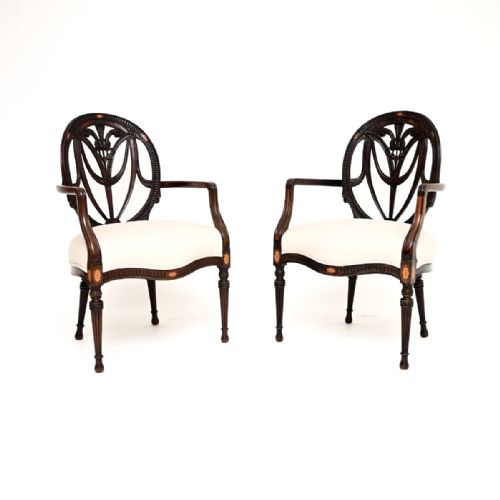
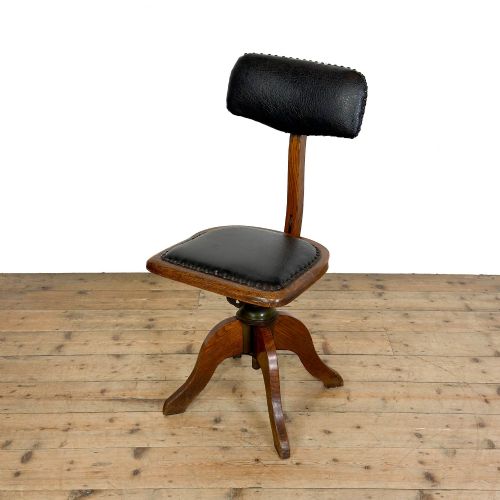
The selections available range from revolving oak office seats and bentwood frames to inlaid mahogany carvers and oak swivel models. Many examples incorporate swivel mechanisms, tilt functions, or upholstered leather pads suited for sustained seating.
Originating predominantly from the early twentieth century and late nineteenth century, these chairs reflect the functional demands of offices, libraries, and studies of the era. Oak, mahogany, and beech form the primary structural foundations across the listed items.
How They Were Made
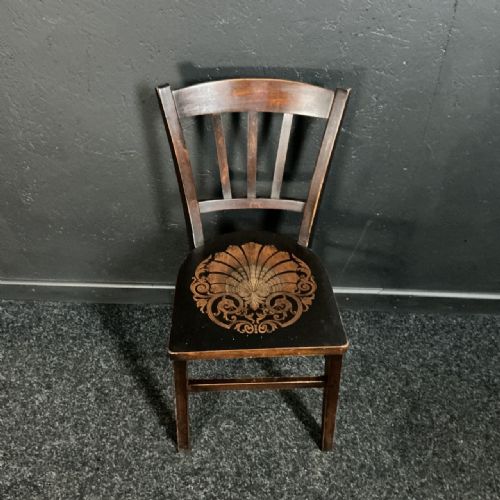
Cabinet makers utilised dense hardwoods such as oak, mahogany, walnut, and beech to construct resilient frames capable of enduring regular movement. Turned spindles, bentwood techniques, and joined sections provided the necessary rigidity for swivel mechanisms and fixed armchairs alike.
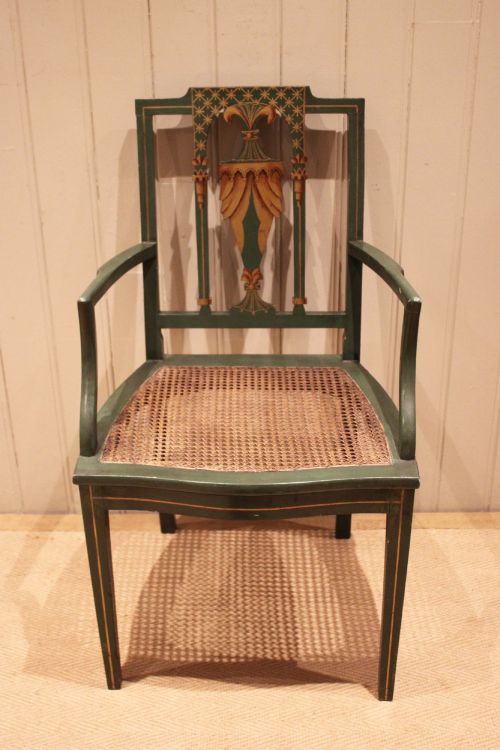
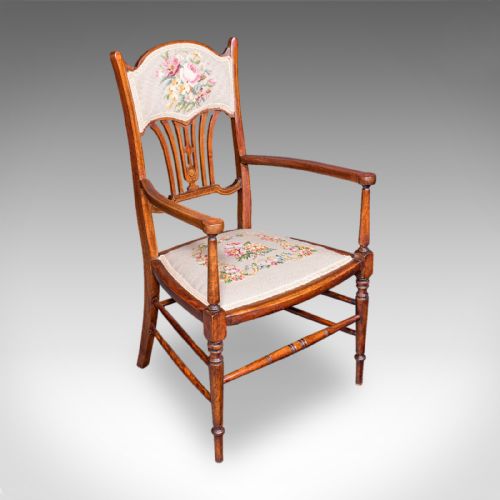
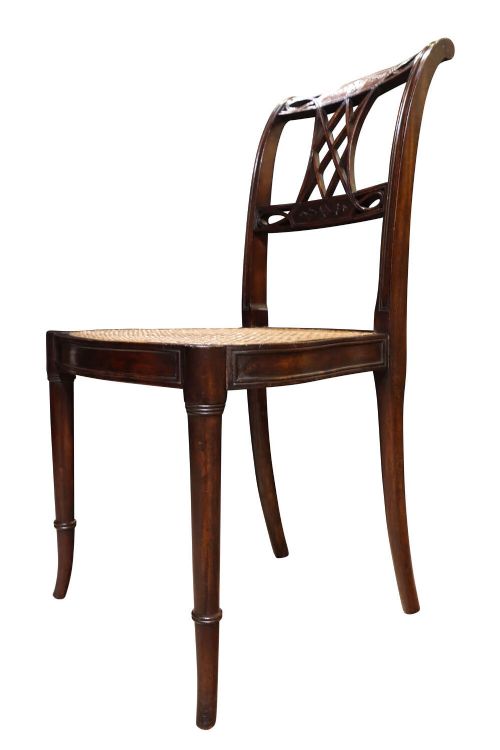
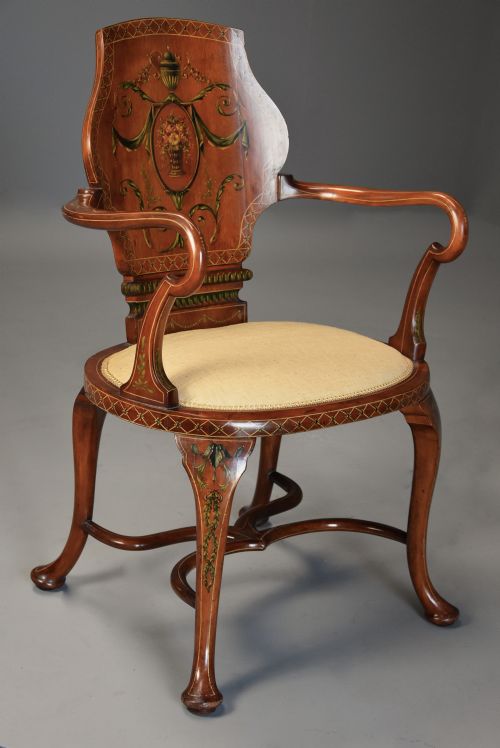
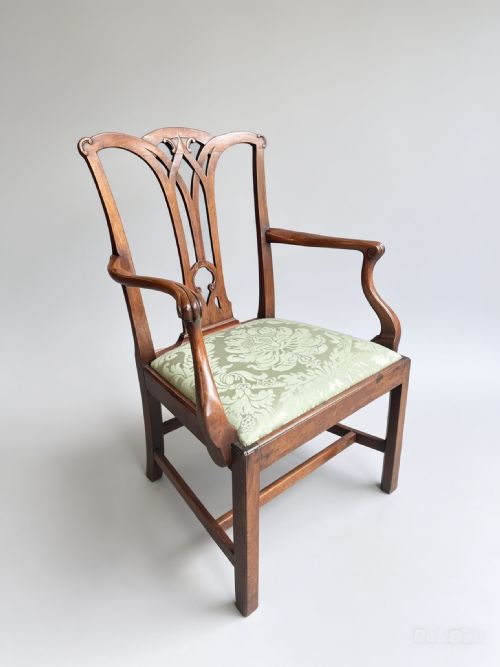
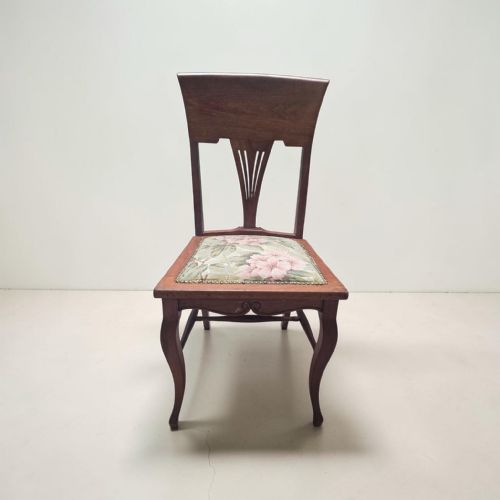
Surface ornamentation involved subtle string inlay, satinwood banding, and painted decoration, alongside turned wooden components and carved splats. Upholstery materials such as leather, hide, fabric, and cane were integrated into seats to offer comfort during administrative work.
Listings feature Edwardian, Victorian, and early twentieth-century periods, constructed primarily from oak, mahogany, beech, and elm with leather or cane seats.
What Varies in Quality
The standard of timber selection and joinery execution dictates the longevity and structural integrity of each piece. Superior examples exhibit tightly fitted joints, well-seasoned hardwoods, and robust swivel or tilt hardware that operates smoothly without excessive play.
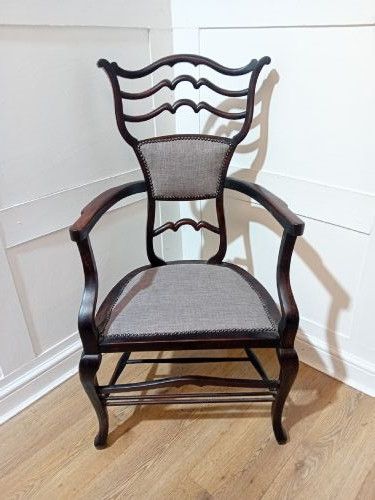
The refinement of decorative details, including precise inlay work, hand-turned spindles, and quality upholstery materials such as tan hide or cane, separates standard utility seating from finer decorative pieces.
Hindley And Sons
The Edwardian Wooden Desk Chair Glossary
- Swivel chair
- A seat mounted on a central pivoting axis allowing rotation. This mechanism allows the user to turn easily between different areas of a workspace.
- Captain's chair
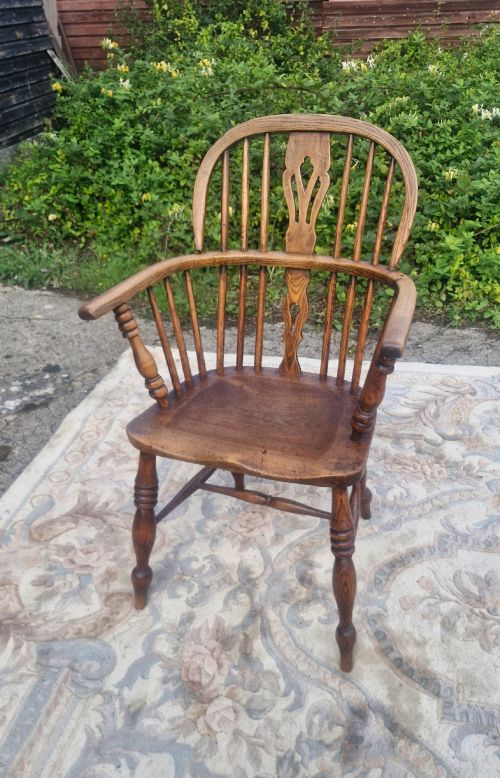
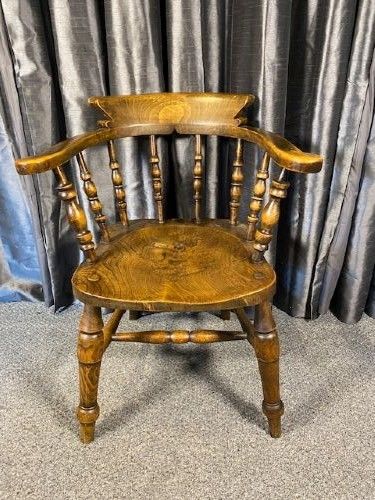
- A low-backed wooden armchair with a rounded spindle backrest designed for comfort. These sturdy seats frequently serve administrative and office functions.
- Inlay
- A decorative technique where contrasting pieces of wood or satinwood are inserted into recesses in the primary timber surface. This creates subtle geometric or floral patterns.
- Bentwood
- Timber softened by steam and bent into curved structural forms. This technique produced resilient, lightweight frames common in early twentieth-century seating.
Edwardian Wooden Desk Chair: Frequently Asked Questions
Are these chairs suitable for daily computer work?
Many Edwardian and early twentieth-century wooden desk chairs include swivel mechanisms and tilt functions that adapt well to modern office setups. Their solid timber frames offer robust physical support for regular administrative tasks.
However, buyers should note that antique seat heights and fixed ergonomic angles differ from contemporary adjustable office furniture. Adding a slim cushion can bridge the gap between period authenticity and daily comfort.
What woods were used for an edwardian wooden desk chair?
Constructors predominantly utilised sturdy hardwoods such as oak, mahogany, beech, and walnut to build these office and desk seats. Elm and ash also appear frequently in Windsor and captain's chair variants.
Decoration often incorporated satinwood for contrasting inlay, while seats frequently utilised leather, tan hide, fabric, or woven cane for the sitting surface.
How do I identify an Edwardian desk chair?
An edwardian wooden desk chair typically dates from around 1900 to 1910, reflecting transitional design influences from the late Victorian era into the twentieth century. Common indicators include lighter mahogany or oak frames, occasional satinwood inlay, and simple revival styles.
Swivel models from this period often combine traditional timber joinery with early cast-iron or steel pivoting underframes. Checking the timber grain and construction methods helps confirm the approximate age.