
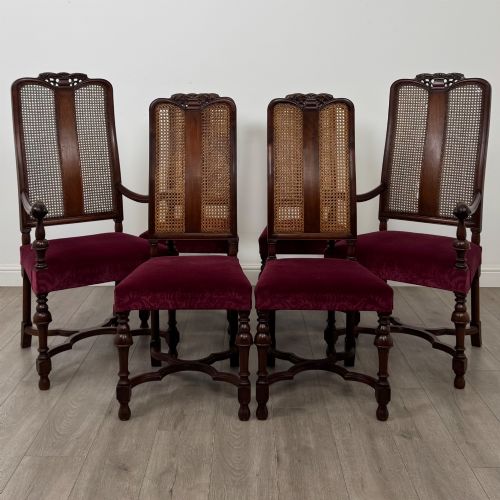
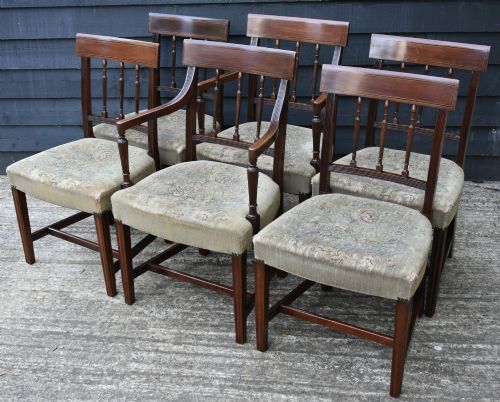
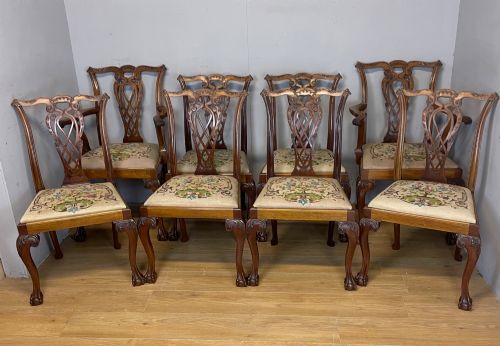
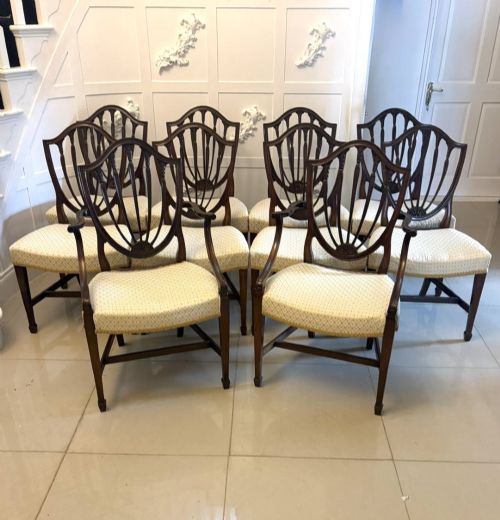
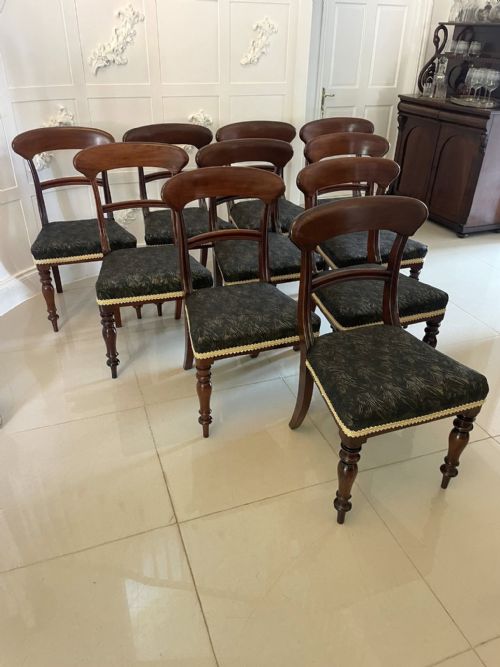
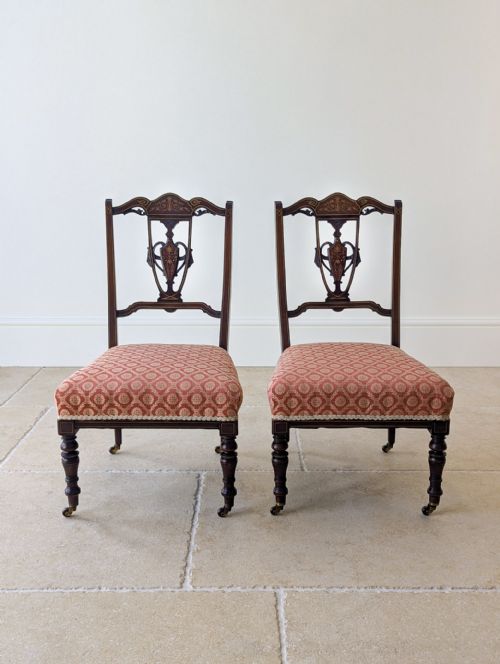
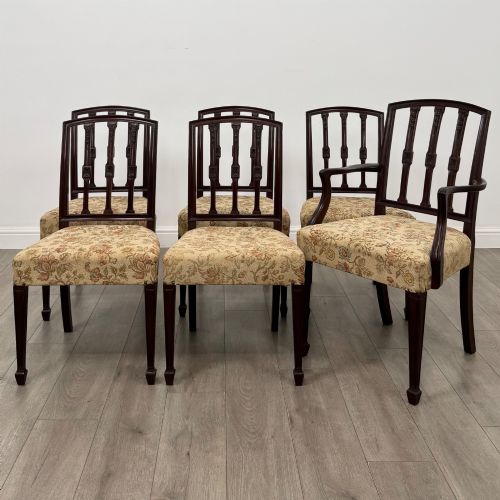
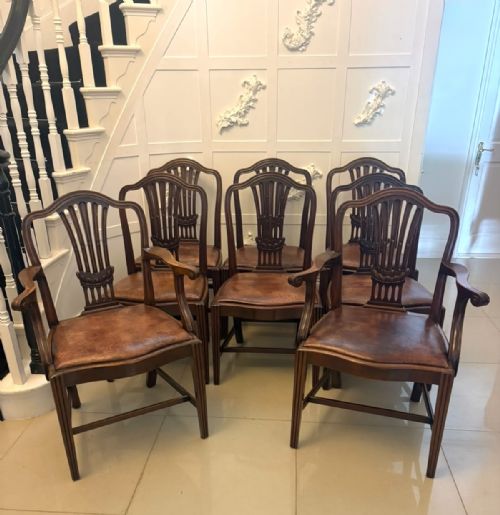
Edwardian Mahogany Side Chairs
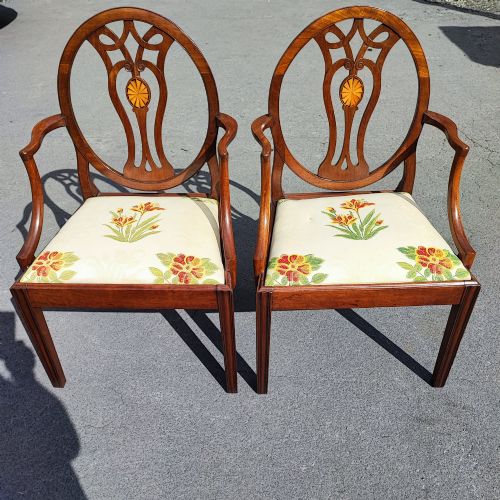
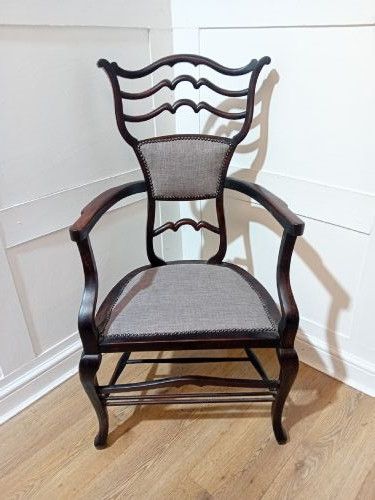
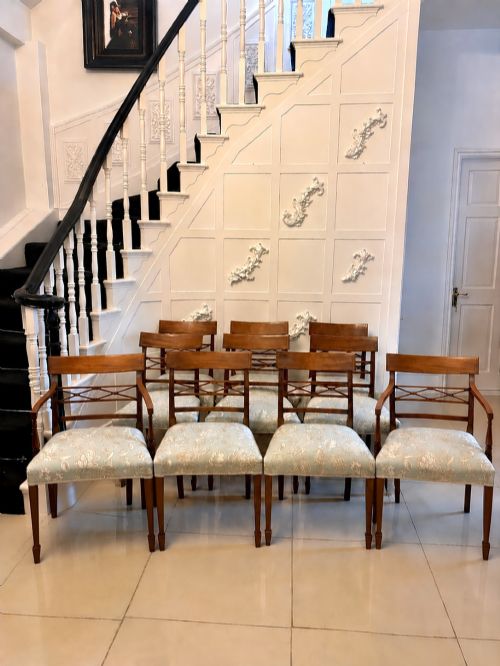
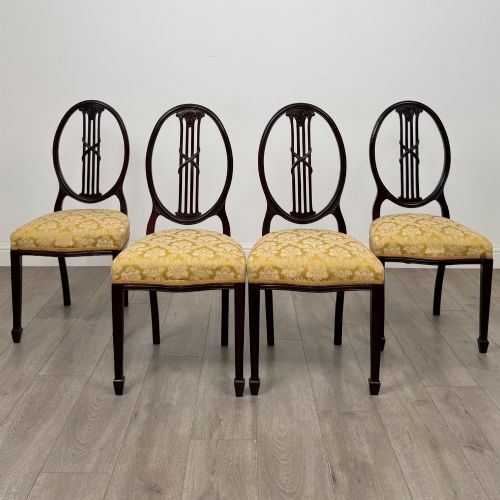
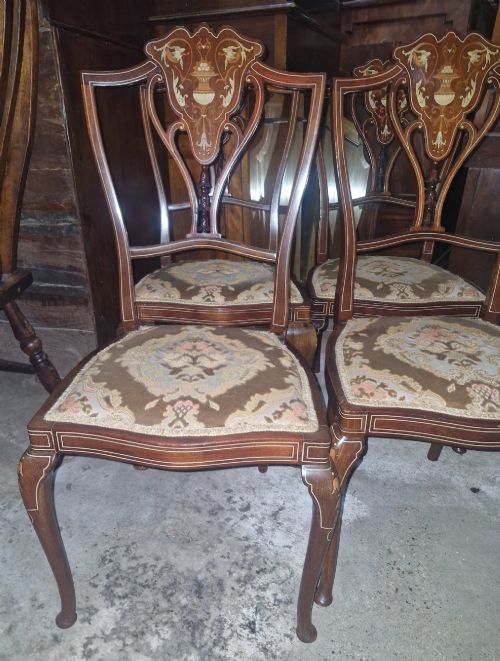
These edwardian mahogany side chairs offer the refined timber framing and crisp inlay characteristic of the period, satisfying both formal dining and occasional seating needs.
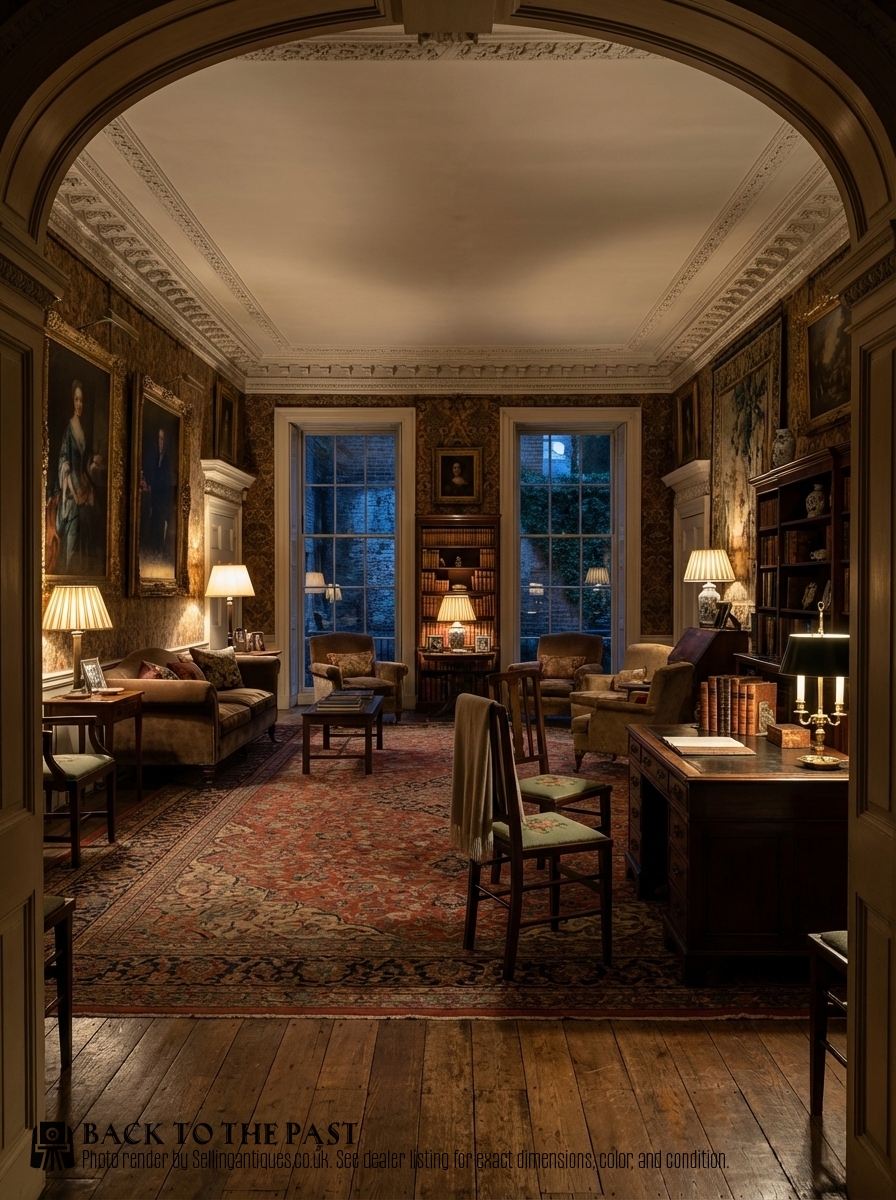
How They Were Made
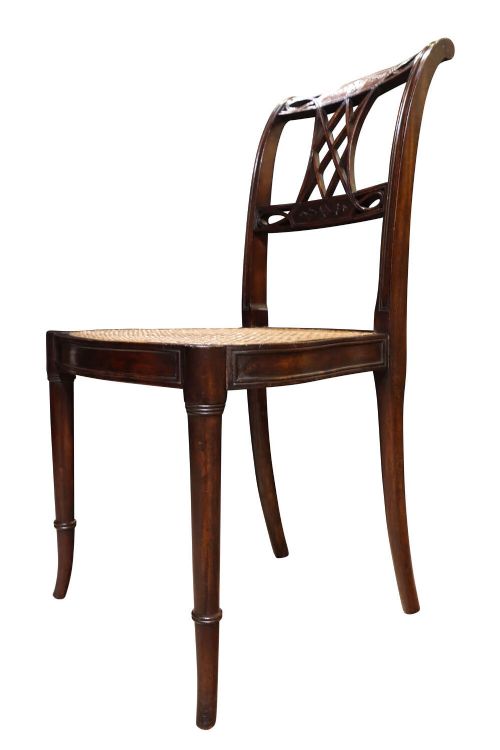
Cabinetmakers constructed these frames predominantly from solid mahogany, frequently embellishing the surfaces with contrasting satinwood stringing, banding, or delicate floral marquetry. Seat frames were designed to accept drop-in upholstery pads covered in fabric, leather, or velvet, though cane and rush also served as primary seating surfaces.
Joinery relied on traditional mortise and tenon construction to ensure stability across slender uprights and curved backs. Turned or tapered legs completed the form, sometimes featuring brass castors on the front feet of heavier armchairs and dining seats.
What Varies In Quality
The distinction between standard domestic production and superior workshop output lies in the crispness of the carving and the precision of the timber matching. Finer sets display carefully selected grain patterns across the crest rails and uniform hand-cut inlay rather than printed or stamped decoration.
Structural integrity and original upholstery foundations also separate examples, as does the retention of matching timber tones across larger sets of dining chairs. Pieces that preserve their structural rigidity without excessive timber shrinkage command greater attention from collectors.
Edwardian Mahogany Side Chairs Retail Price Guide 2026
Typical asking prices for edwardian mahogany side chairs among the pieces listed under this phrase on Sellingantiques today, from the lower quarter to the upper quarter. They describe what is for sale here now, not the wider market.
Listings feature mahogany, satinwood, cane, leather, and velvet across Edwardian, Victorian, and Georgian revival styles.
Warings·Maple and Co
The Edwardian Mahogany Side Chairs Glossary
- Bergere
- An enclosed upholstered armchair with cane or wicker sides, popular in period seating designs. This style provides a lighter visual weight while maintaining solid back support.
- Shield-back
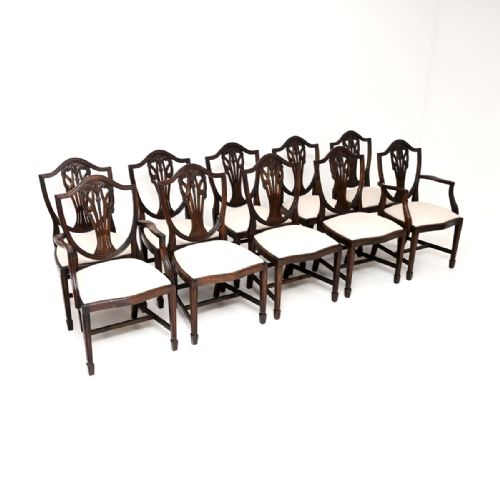
- A chair back shaped in the outline of a heraldic shield, frequently associated with eighteenth-century revival designs. Cabinetmakers of the Edwardian era adopted this graceful silhouette for formal dining sets.
- Satinwood
- A pale, lustrous timber utilised for contrasting inlay and decorative banding on darker mahogany surfaces. It creates distinct visual borders along chair splats and crest rails.
- Stringing
- A narrow line of contrasting wood inlaid into the surface of the primary timber to form geometric borders. This delicate technique defines panel edges on chairs and cabinet furniture.
- Carver
- An armchair designed to match a set of dining side chairs, usually placed at the head of a table. These pieces feature integral armrests while retaining the proportional style of the set.
Edwardian Mahogany Side Chairs: Frequently Asked Questions
How do I spot a true Edwardian chair?
Authentic pieces usually display lighter timber proportions, subtle satinwood stringing, and construction methods typical of the late nineteenth and early twentieth centuries. Examining the underside reveals period timber ageing and traditional joinery.
Matching sets often bear workshop stamps or retailer labels on the inner seat rails. These markings help confirm the production era and distinguish original Edwardian work from later revivals.
Were these chairs used for dining?
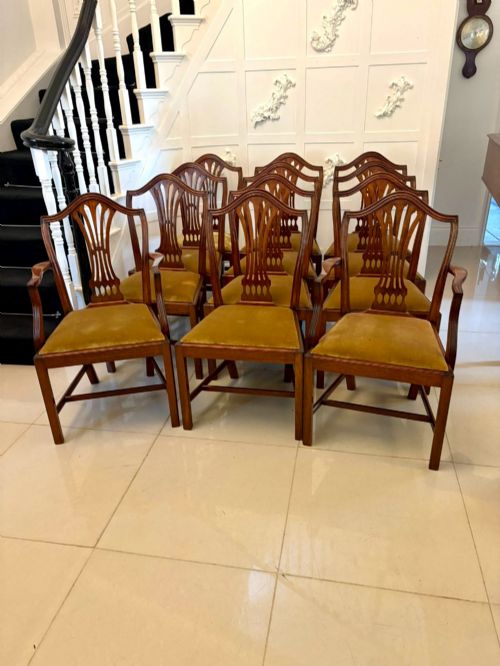
Many examples served as formal dining seating, sold either as pairs or in larger matched sets of six to twelve chairs. Their sturdy mahogany frames handled daily household use.
Lighter variants with cane seats or delicate inlay were intended for bedrooms, halls, or occasional use in salons. Understanding the frame weight clarifies the original domestic purpose.
How should I care for mahogany frames?
Regular dusting with a dry, soft cloth prevents surface buildup while preserving the polished finish of the mahogany timber. Avoid placing antique seating near direct heat sources to prevent wood splitting.
Applying occasional specialist wax feeds the timber and maintains its natural lustre without sealing the grain. Professional upholstery conservation protects original stuffing and delicate fabric coverings.
Can I mix these with modern tables?
The warm reddish-brown tones of Edwardian mahogany complement both antique tables and contemporary timber furniture of similar depth. Their slender profiles prevent dining rooms from feeling overcrowded.
Pairing a set of side chairs with a contrasting table creates a balanced interior scheme. The restrained decoration of Sheraton and Hepplewhite revival forms bridges different design periods successfully.