
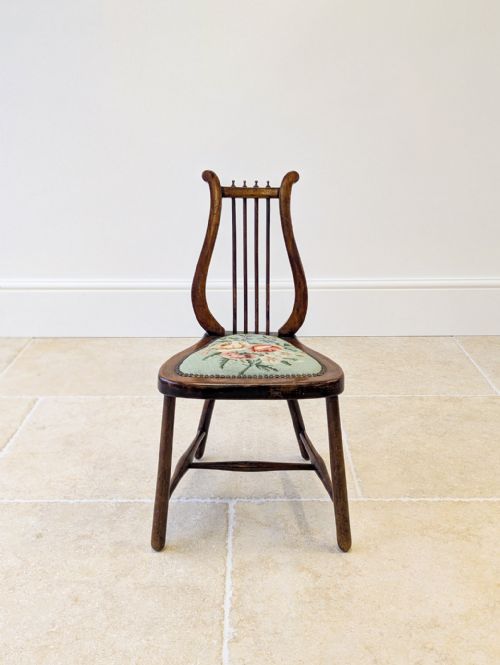
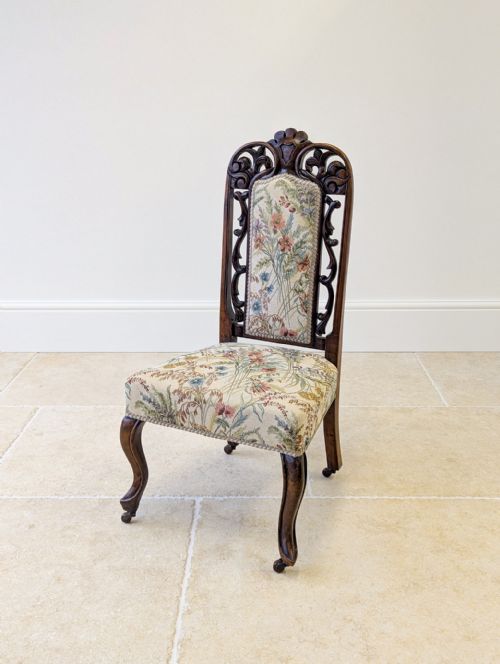
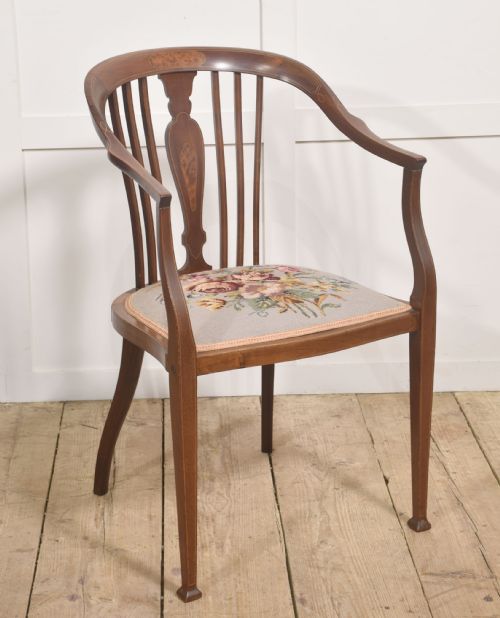

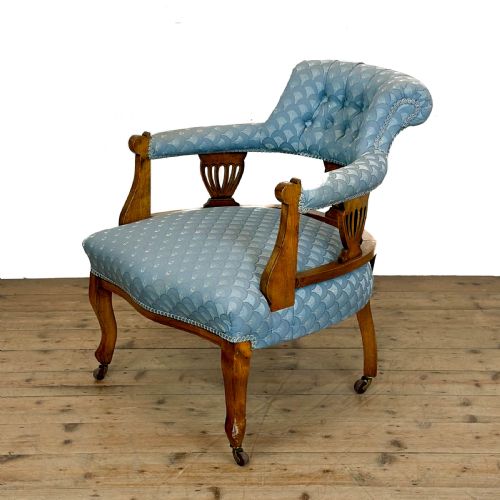


Edwardian Occasional Bedroom Chair
An edwardian occasional bedroom chair brings light proportions and subtle inlay into a domestic interior.
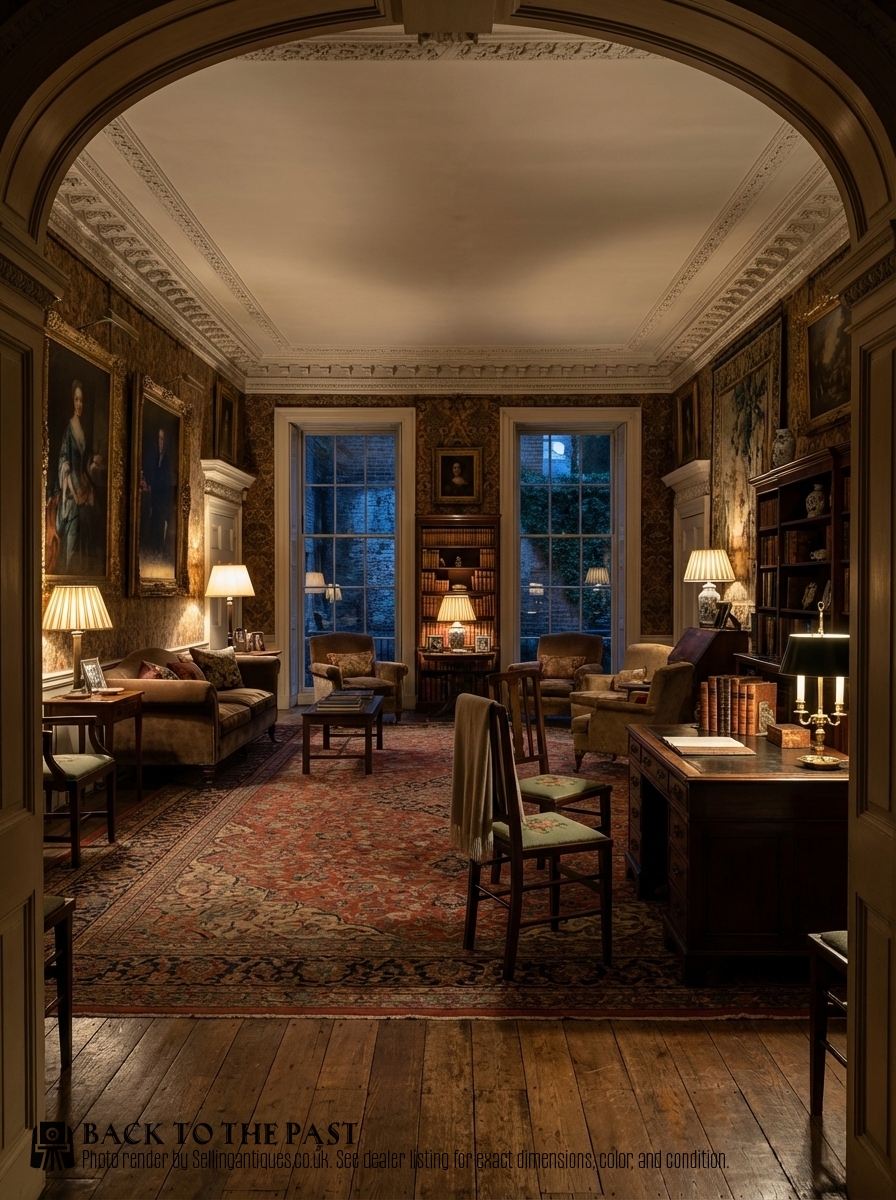
Edwardian Occasional Bedroom Chair
When you search for an edwardian occasional bedroom chair, you encounter versatile small seating designed for bedrooms, dressing rooms, and salons during the early twentieth century and the late nineteenth century. These pieces encompass forms such as elbow chairs, nursing chairs, side chairs, and corner chairs.
The pieces listed on this page originate predominantly from the Edwardian period and the Victorian era, displaying styles from Sheraton Revival to Art Nouveau. You are most likely to meet mahogany frameworks adorned with wood inlay or satinwood details, alongside simpler beech or oak structures.
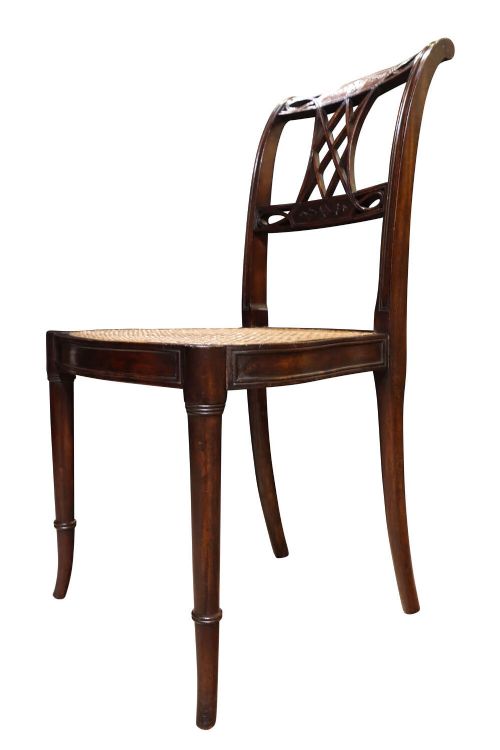
Makers and manufacturers of the time produced these items for domestic convenience, resulting in lighter frames than their mid-Victorian predecessors. Cane seats, open arms, and upholstered pads characterise the selection.
Materials and Construction
Cabinet makers utilised solid timbers such as mahogany, beech, walnut, oak, and occasionally rosewood to construct the frames. Structural stability relied on traditional joinery, sometimes complemented by turned or carved elements.
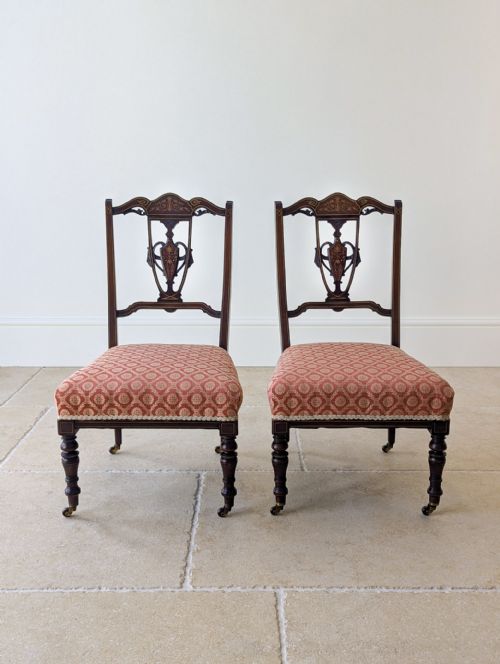
Decoration frequently involved wood inlay and satinwood stringing to create contrasting panels along the splats and top rails. Upholstery techniques included button backs and drop-in pads finished in velvet, fabric, or original coverings.
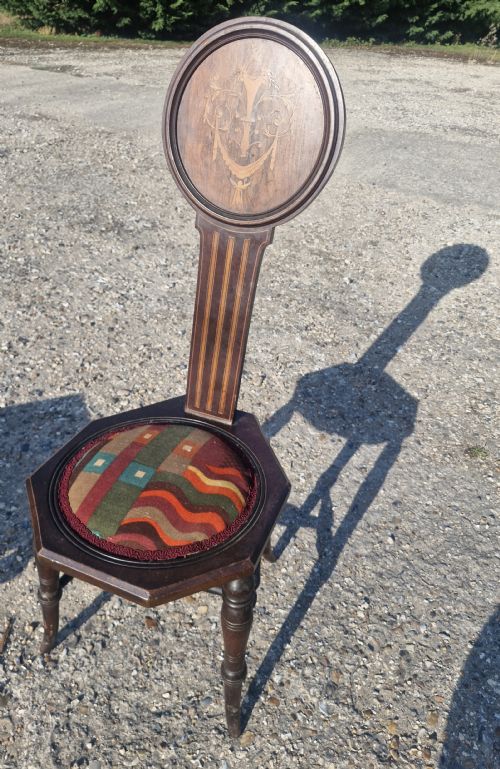
One remarkably eager spinning chair waits patiently to see if anyone still knows how to spin.
Assessing Quality and Execution
Quality reveals itself in the crispness of the wood inlay and the selection of the timber grain. Finer examples display meticulous hand-carving and balanced proportions rather than mass-produced uniformity.
The integrity of the frame construction and the original condition of the woodwork separate standard production from superior pieces. Retaining intact cane work or period upholstery influences the overall integrity of the chair.
The Edwardian Occasional Bedroom Chair Glossary
- Satinwood inlay
- A decorative technique using contrasting light wood veneers inserted into a darker primary timber. This detail defines the Sheraton Revival aesthetic.
- Occasional chair
- A lightweight, movable seat intended for sporadic use in various rooms rather than permanent placement around a dining table.
- Nursing chair
- A low-seated chair historically designed for comfort during infant feeding. These often feature padded backs and low profiles.
- Sheraton Revival
- A late nineteenth and early twentieth century design movement that reinterpreted eighteenth-century classical motifs. It relies on slender proportions and delicate marquetry.
- Elbow chair
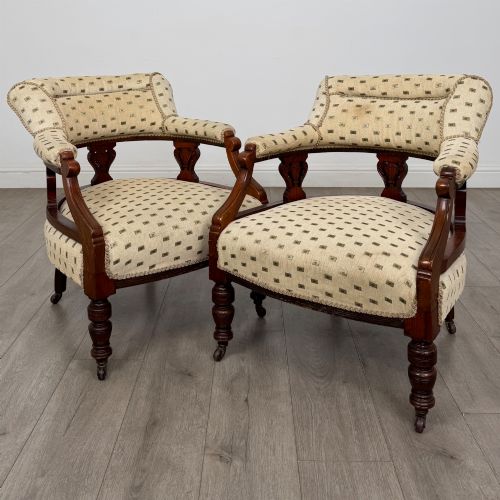
- An armchair with short arms that terminate before the front of the seat. It provides support while fitting neatly under dressing tables.
Edwardian Occasional Bedroom Chair: Frequently Asked Questions
Where were these chairs placed?
These chairs served utilitarian and decorative roles in bedrooms, dressing rooms, and occasional spaces. Their light frames allowed owners to move them around the home easily.
In period interiors, they accompanied dressing tables or provided a convenient seat by a fireplace or window.
How do I spot an Edwardian piece?
Edwardian seating generally exhibits lighter proportions and brighter timber tones than heavy Victorian furniture. Common indicators include delicate satinwood stringing and Sheraton Revival influences.
Construction methods also shift towards refined turning and subtle carving rather than massive, dark oak or walnut builds.
Can I recover the upholstery?
Many antique chairs retain drop-in pads or modern fabric replacements that allow straightforward reupholstery. Traditional webbing and stuffing can be renewed without altering the wooden frame.
Preserving original fabric depends on its condition and historical value, though functional pieces frequently receive new textiles.