
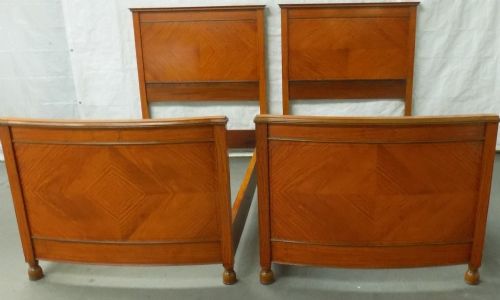


Edwardian Wooden Bed Frame
An edwardian wooden bed frame brings substantial timber construction and period joinery into a bedroom, offering a solid structure built to last.
Edwardian Wooden Bed Frame
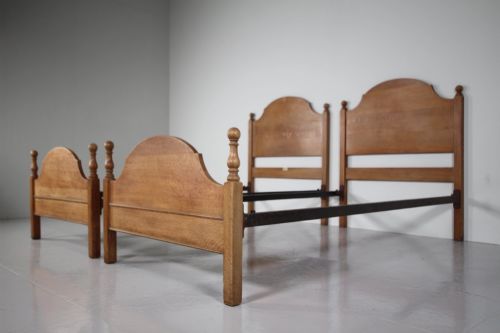
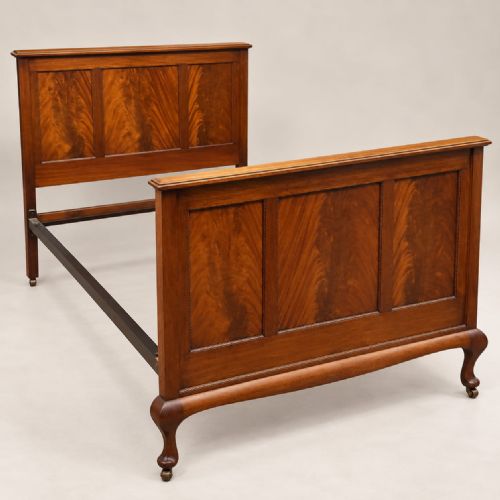
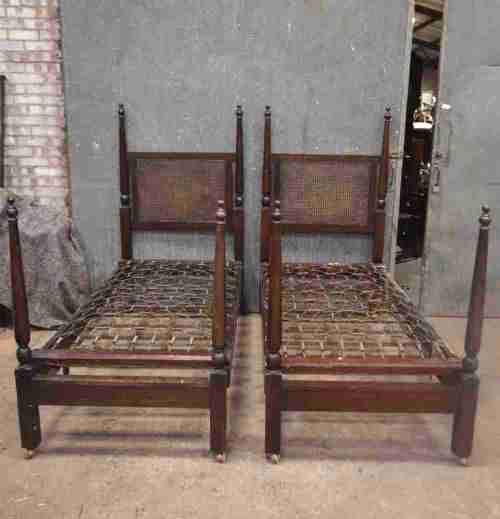
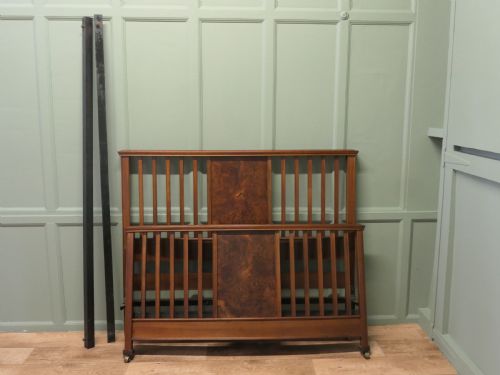
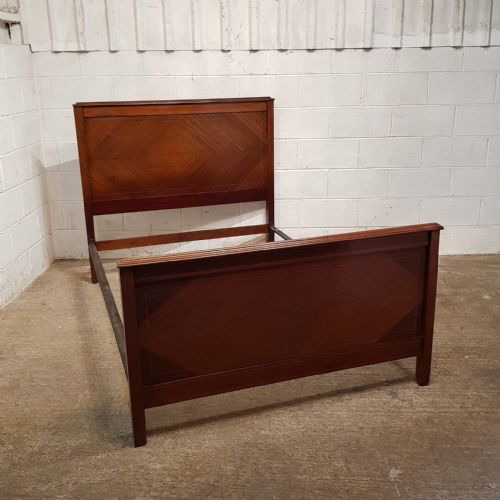
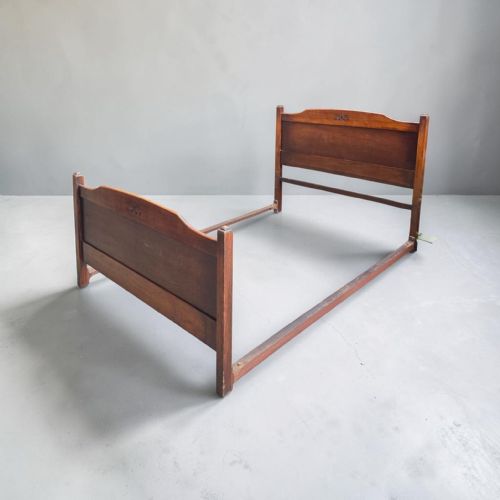
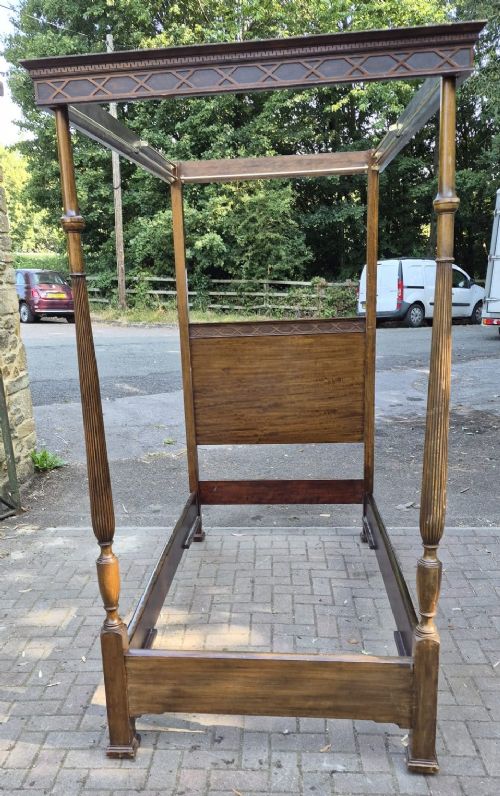
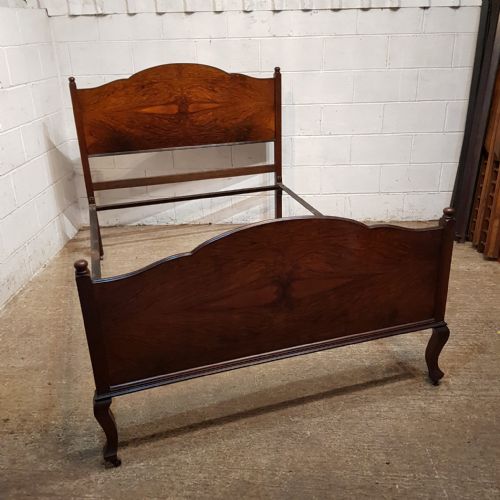
When searching for an edwardian wooden bed frame, buyers encounter domestic sleeping furniture primarily from the early twentieth century, alongside related pieces spanning the Victorian to mid twentieth century periods. These pieces include double bedsteads, single beds, and four poster configurations constructed from diverse timbers.
Materials and Construction Techniques
Construction relies heavily on hardwoods such as mahogany, oak, satinwood, and burr walnut, frequently paired with secondary materials like iron, brass, cane, and timber. Joinery methods include panelled assembly and detailed framing suited to heavy domestic use.
Decoration incorporates inlay, marquetry, carving, and painted elements applied to wood surfaces. Certain pieces feature structural additions like brass detail, cane panels, and slatted supports.
Several pieces incorporate auxiliary materials such as cane, brass, and iron alongside primary timber construction.
Factors That Determine Quality
Quality rests on the choice of timber and the complexity of the woodwork, distinguishing simple panelled designs from elaborate four poster frames with extensive carving. Finer examples display meticulous attention to inlay, marquetry, and polished wood surfaces.
The presence of maker attribution, such as labels from established workshops, influences desirability. Structural integrity, original hardware, and the cohesiveness of period details further separate standard pieces from exceptional ones.
Heal and Son·Maple and Co
The Edwardian Wooden Bed Frame Glossary
- Bedstead
- A framework of a bed supporting the springs and mattresses. This term appears frequently in historical descriptions of wooden sleeping furniture.
- Bergere
- A type of upholstered armchair or furniture piece featuring cane panelling. In bed frames, it refers to woven cane inserts within wooden headboards or footboards.
- Marquetry
- Form of decorative woodwork in which pieces of veneer are fitted into a ground to form designs. It adds ornamental detail to wooden panels on beds.
- Four Poster
- A bed with four vertical columns supporting a tester or canopy top. Examples in the evidence utilise oak or mahogany structures.
- Satinwood
- A durable wood yielding a yellowish timber with a satin-like sheen. It is utilised for inlaid and painted bed frames.
Edwardian Wooden Bed Frame: Frequently Asked Questions
How do I know if a bed is Edwardian?
Examination of the timber, joinery techniques, and stylistic motifs helps establish the period. Edwardian pieces often display characteristic inlays, specific mahogany or oak usage, and design traits aligned with the early twentieth century.
Comparison with related Victorian and later pieces clarifies stylistic shifts. Maker labels, where present, provide definitive chronological markers.
Are these beds standard modern sizes?
Historical bed frames frequently deviate from contemporary metric dimensions. Single and double sizes from the early twentieth century can vary in length and width compared to modern mattresses.
Buyers should verify exact internal dimensions before attempting to fit contemporary mattresses into period bed frames.
What woods were used for these frames?
Cabinet makers utilised a variety of hardwoods including mahogany, oak, satinwood, and burr walnut. Secondary materials like brass, iron, and cane often appeared in decorative details and panelling.
The choice of timber typically reflected the prevailing style, ranging from dark polished mahogany to light oak associated with Arts and Crafts furniture.
Can these beds be disassembled easily?
Construction methods vary between simple bolted joints and integrated four poster frameworks. Many bedsteads utilise historical metal bolts and slot-in side rails designed for dismantling.
Careful handling is required during assembly to protect original wooden threads, joints, and decorative veneers.