
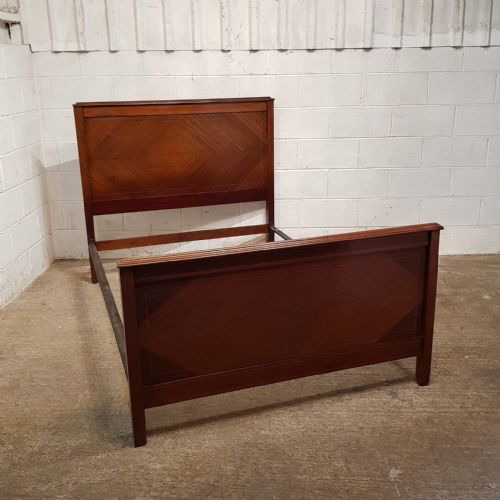
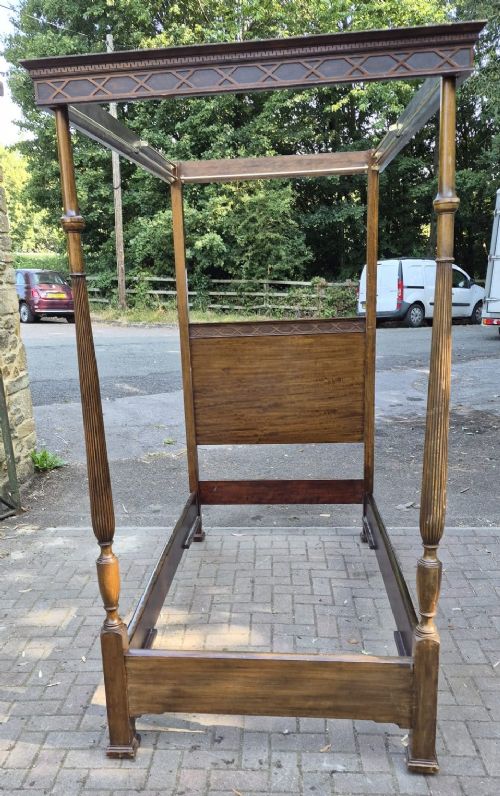
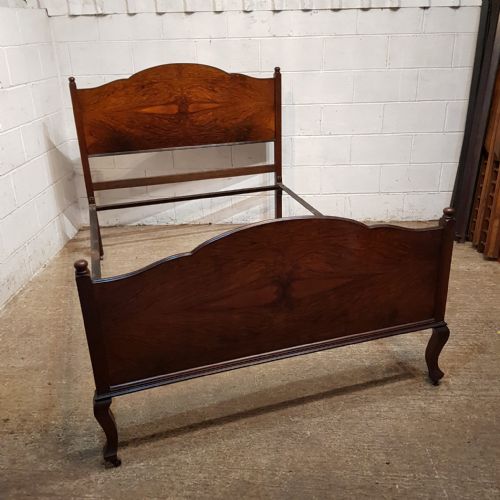
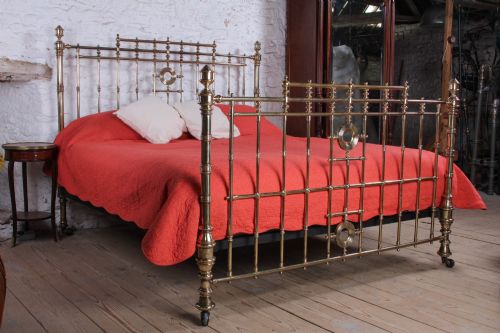


Edwardian Furniture Bed
These pieces of edwardian furniture bed offer solid timber frames and classic proportions for any traditional bedroom.
Edwardian Furniture Bed
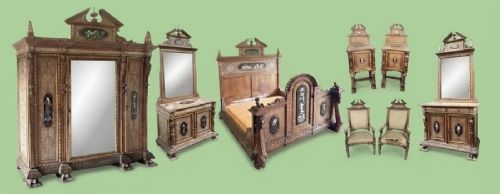
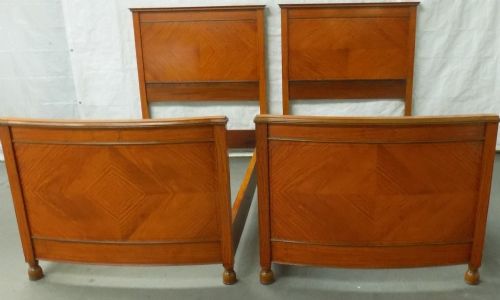
When searching for an edwardian furniture bed, buyers encounter a variety of substantial sleeping frames and related bedroom pieces dating from the early twentieth century. The selection ranges from compact single bedsteads to grand double sizes, alongside matching bedside tables and daybeds.
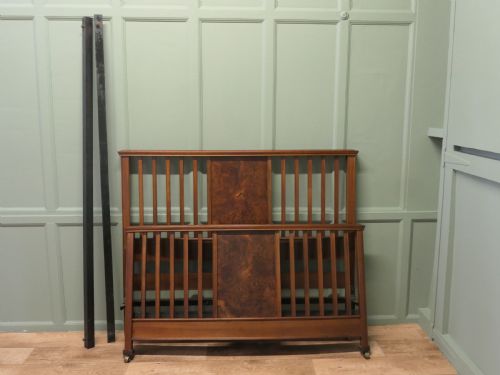
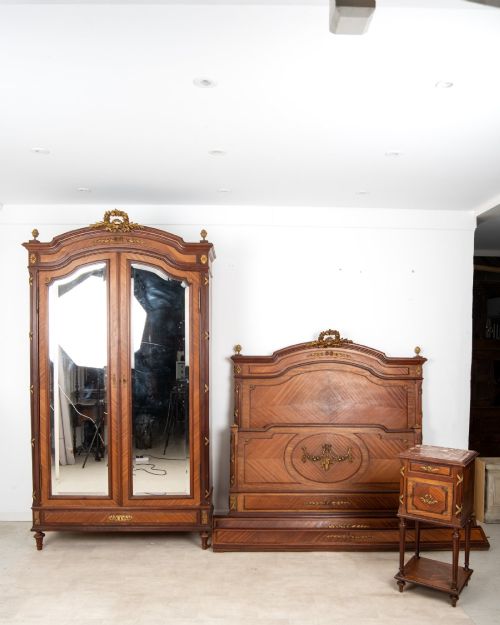
Mahogany and walnut form the backbone of these listings, often featuring classic panel construction or fine inlay work. Makers of the period drew upon Georgian and Dutch revival styles, producing symmetrical forms suited to formal bedroom suites.
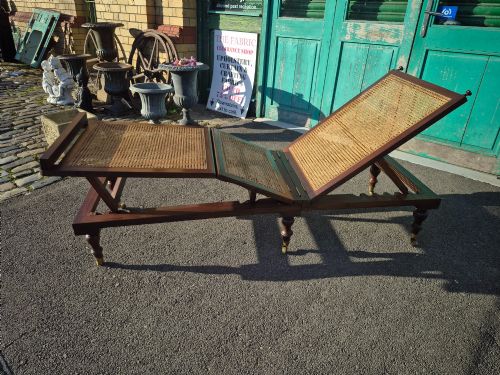
Alongside standard bed frames, the listings include specialised items such as folding campaign backrests, bedside cabinets, and occasional library steps. Single and double bedsteads dominate the inventory, frequently offered in pairs.
Construction and materials
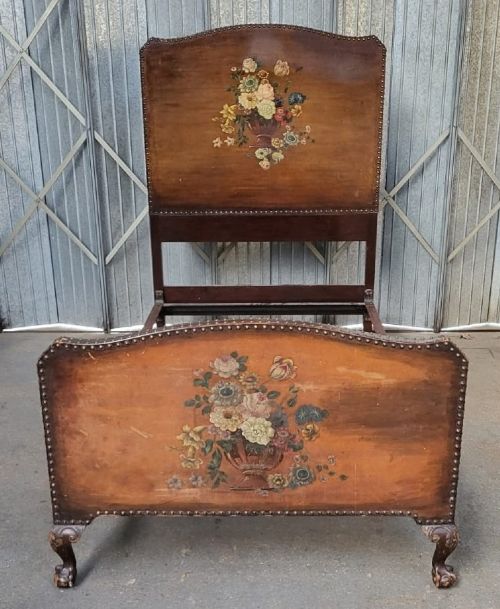
Cabinet makers utilised dense hardwoods such as mahogany, walnut, and satinwood for the primary structural elements of an edwardian furniture bed. Timber panels often display rich grain figures, enhanced by subtle string inlay or hand-painted decorative accents.
Metal components appear frequently, with polished brass and sturdy iron forming structural bed frames or decorative fittings. Brass castors and heavy corner brackets provide both mobility and structural reinforcement on campaign-style pieces.
The listings feature bedroom furniture spanning from the late nineteenth century through the Edwardian period, predominantly utilising mahogany, walnut, brass, and oak.
Judging the range
Distinction across the range lies in the depth of timber selection and the precision of the cabinet work. Finer examples display carefully matched burr walnut veneers, meticulous boxwood inlay, and maker labels from notable firms.
Simpler pieces rely on plain mahogany or oak construction with minimal decorative carving. The presence of original hardware, integrated slatted bases, and matching pairs elevates the desirability of a piece within the collection.
Maple and Co·Waring and Gillows·Heal and Son·Leveson and Sons·Howard and Sons
The Edwardian Furniture Bed Glossary
- Bedstead
- The framework of a bed consisting of headboard, footboard, and rails. It supports the mattress platform independently of modern divan bases.
- Inlay
- A decorative technique where contrasting strips of wood or metal are inserted into hollowed-out recesses on the timber surface. This creates flat geometric patterns or floral motifs.
- Satinwood
- A lustrous hardwood with a yellowish sheen used for high-end veneer and detailed stringing on Edwardian case pieces.
- Campaign style
- Portable furniture designed for military officers, characterised by collapsible frames, brass corners, and durable timber construction.
- Four poster
- A bed with four vertical columns that support an upper canopy framework, occasionally freestanding in larger rooms.
Edwardian Furniture Bed: Frequently Asked Questions
Will a standard modern mattress fit an antique bedstead?
Many Edwardian bed frames were built to older sizing standards which differ slightly from contemporary mattress dimensions. Buyers often require custom-made mattresses to ensure a proper fit within the wooden side rails.
Modern slatted bases can frequently be fitted inside the antique frame to provide adequate support without altering the exterior appearance of the timber structure.
How do I care for polished mahogany and walnut surfaces?
Routine dusting with a soft, dry cloth protects the historic polish from abrasive particles. Avoid placing wooden furniture in direct sunlight or near heat sources to prevent the timber from splitting.
Application of traditional beeswax feeds the grain and maintains the subtle lustre of the wood without leaving a synthetic film.
Are these bed frames easy to dismantle for transport?
Most antique bedsteads utilise iron bed bolts and tenon joints that allow the headboard, footboard, and side rails to separate completely. This modular construction facilitates moving the furniture through narrow doorways and up staircases.
Care must be taken when tightening metal fittings into aged wood to avoid stripping the original screw threads.
How do I distinguish Edwardian beds from Victorian examples?
Edwardian furniture generally exhibits lighter proportions, simpler lines, and brighter wood finishes compared to the heavy, dark carved mahogany typical of the mid-Victorian era. Inlaid satinwood and neoclassical revival motifs became widespread after nineteen hundred.
Victorian pieces often rely on deeper carving and bulkier structural forms, whereas Edwardian design favours airiness and refined string inlay.