
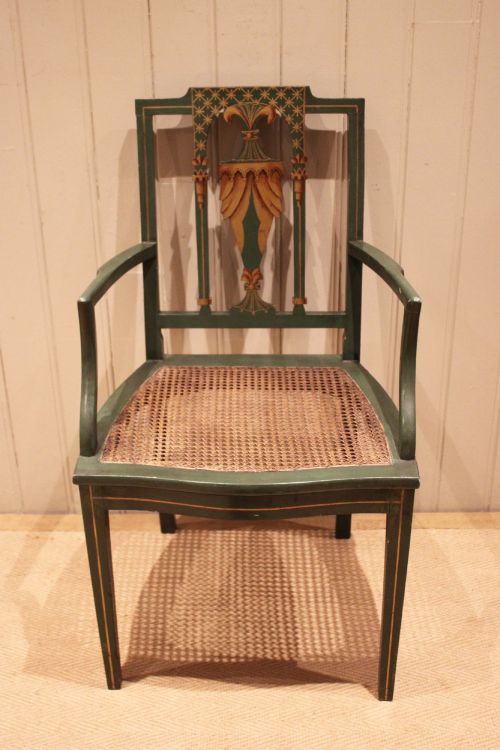
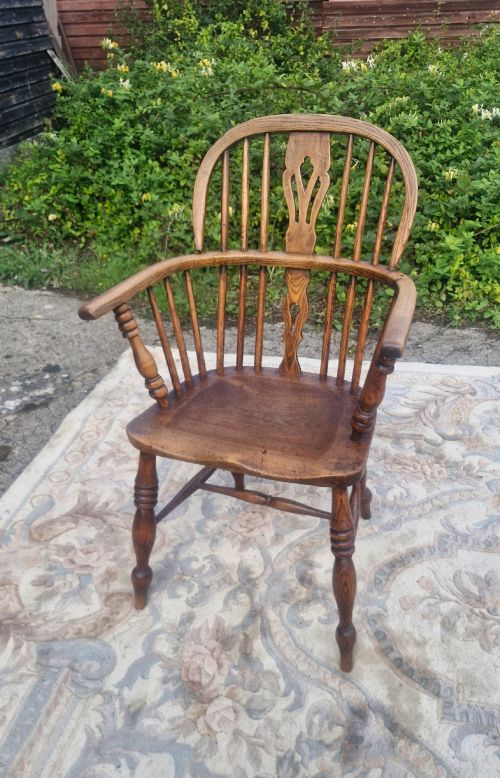
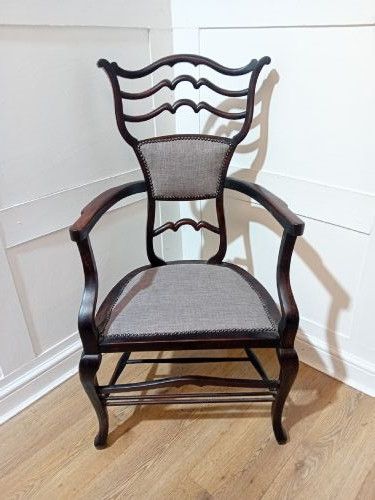
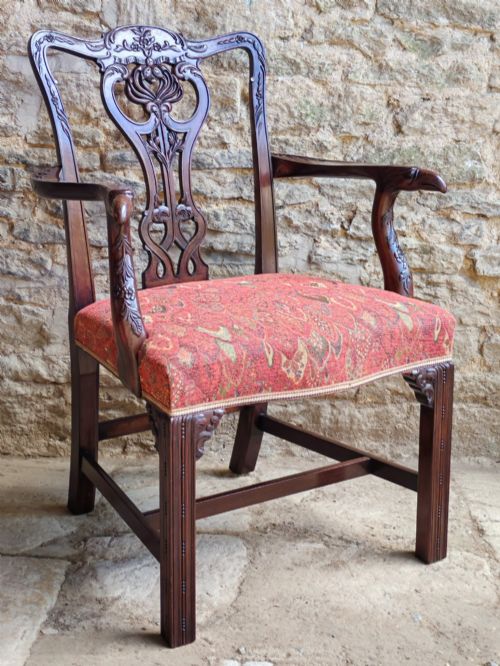

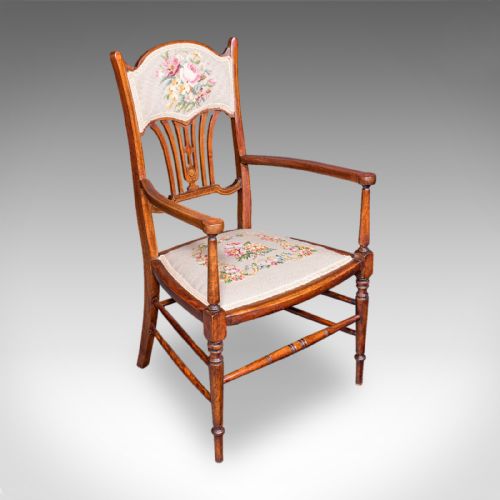
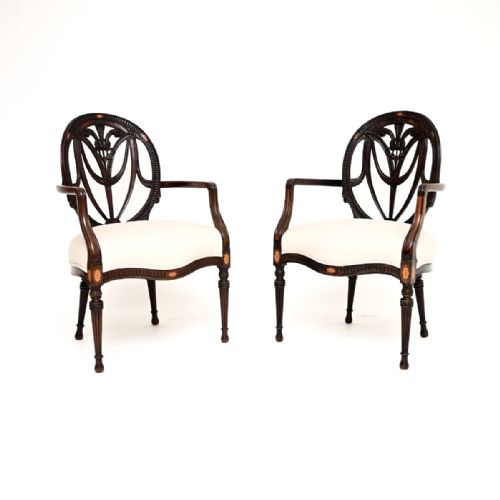
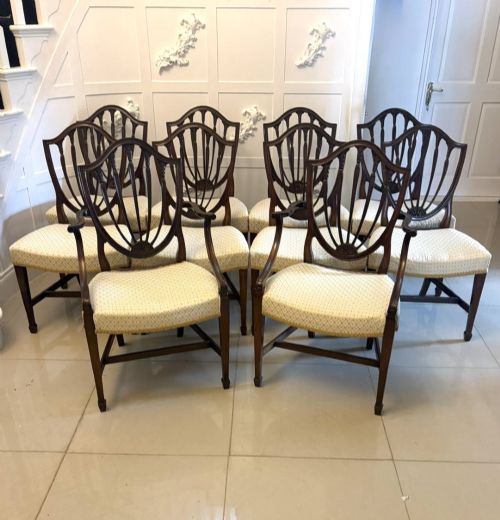
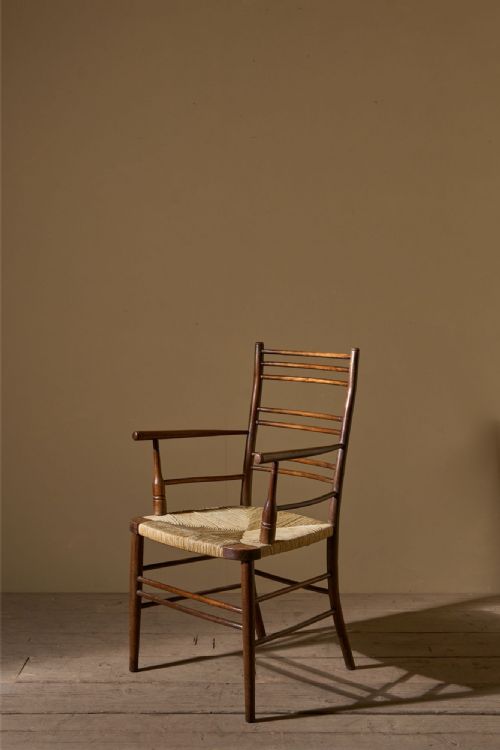
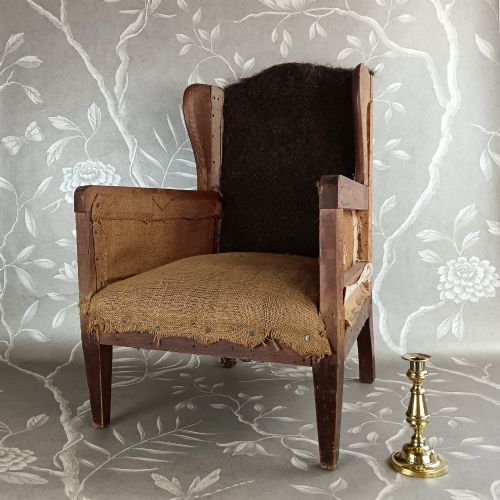
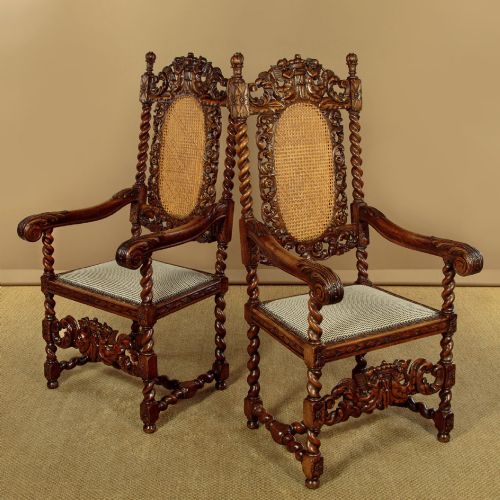
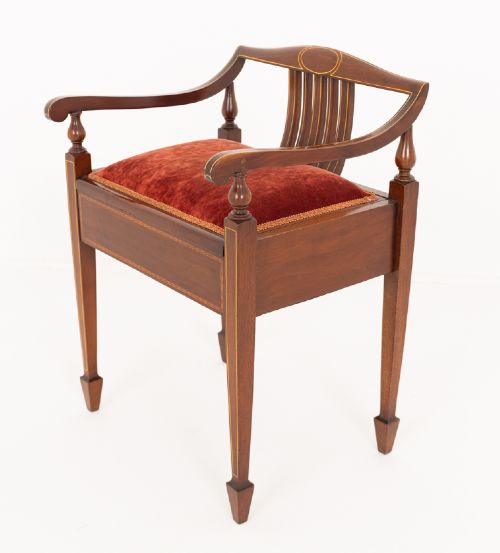
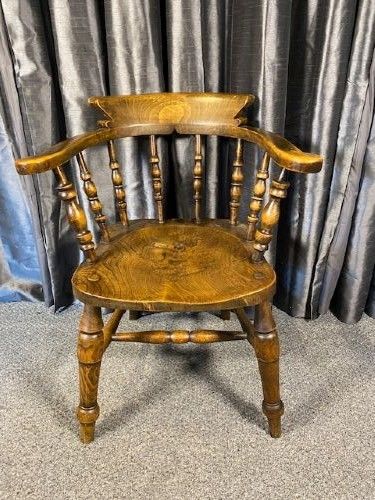
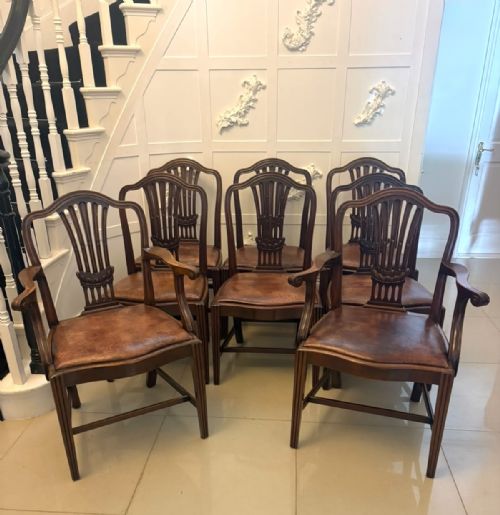
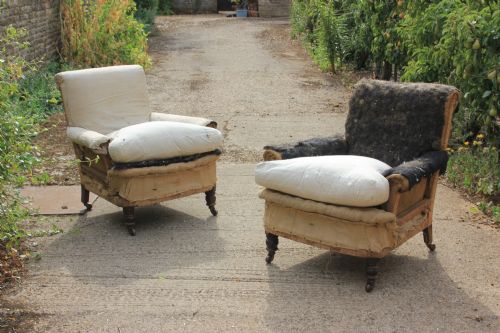
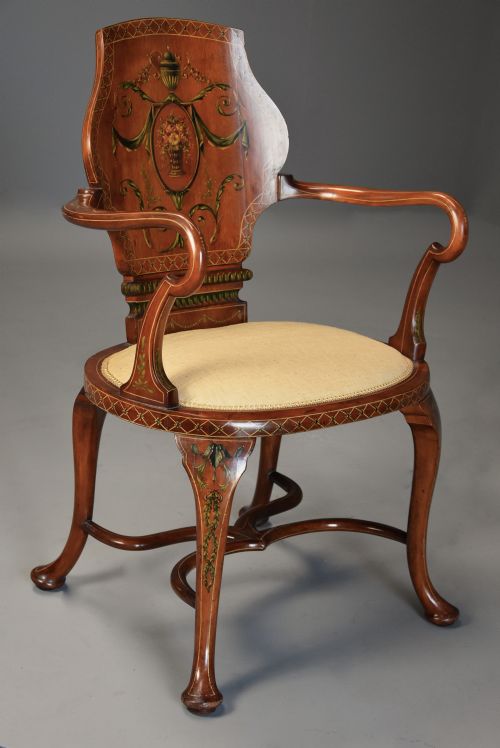
Edwardian Wooden Armchair
These edwardian wooden armchair selections offer timeless seating crafted from robust timbers like oak and teak, bringing period character to any room.
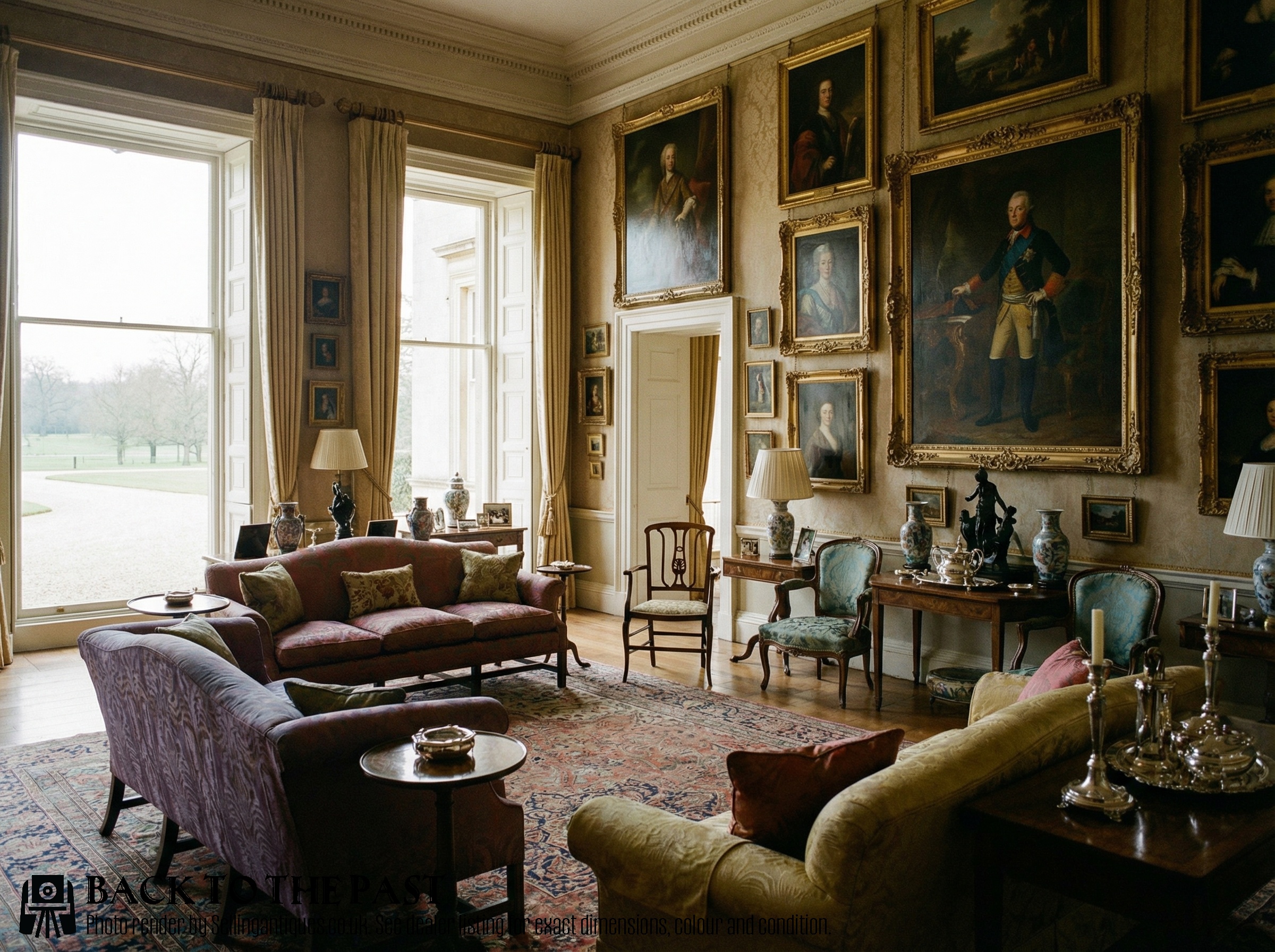
What these armchairs are
The edwardian wooden armchair category encompasses seating from the early twentieth century, spanning from around 1900 to 1920. These pieces emerge from Edwardian, Edwardian Arts & Crafts, and Country Traditional movements, reflecting both refined domestic spaces and rural utility.
Buyers frequently encounter variants such as reclining armchairs, desk chairs, and country or kitchen armchairs. The forms range from light, upright desk seating to robust reclining frames.
Origins span formal stylistic interpretations in the manner of notable London makers to vernacular country workshop traditions. Materials and construction methods directly mirror these diverse domestic and working origins.

How they were made
Construction relies heavily on traditional solid timbers, employing oak, teak, fruitwood, beech, elm, and occasionally brass fittings. These woods are selected for structural durability and distinct grain patterns.
Upholstered fabric and leather elements are integrated into the designs for seating comfort. Frames are shaped through traditional joinery techniques suited to each timber's inherent properties.
Retail Price Guide 2026
Typical UK retail prices for edwardian wooden armchair, calculated from the Sellingantiques database of over a million retail prices indexed since 2003. This retail price guide relies exclusively on Sellingantiques data; no external sources or auction records are used, so the figures do not describe the wider market.
Current listings feature diverse timbers including oak, teak, fruitwood, beech, elm, and leather.
What varies in quality
Quality differences appear in the selection and preparation of the timber itself, distinguishing standard utility pieces from ambitious workshop designs. Refined joinery and thoughtful ergonomic shaping separate sophisticated lounge and desk seating from simpler vernacular forms.
The integration of functional mechanisms, such as reclining actions or brass fittings, demonstrates higher levels of craftsmanship. Material combinations, including quality leather and specialised wood selections like teak or fruitwood, elevate the overall execution of the piece.
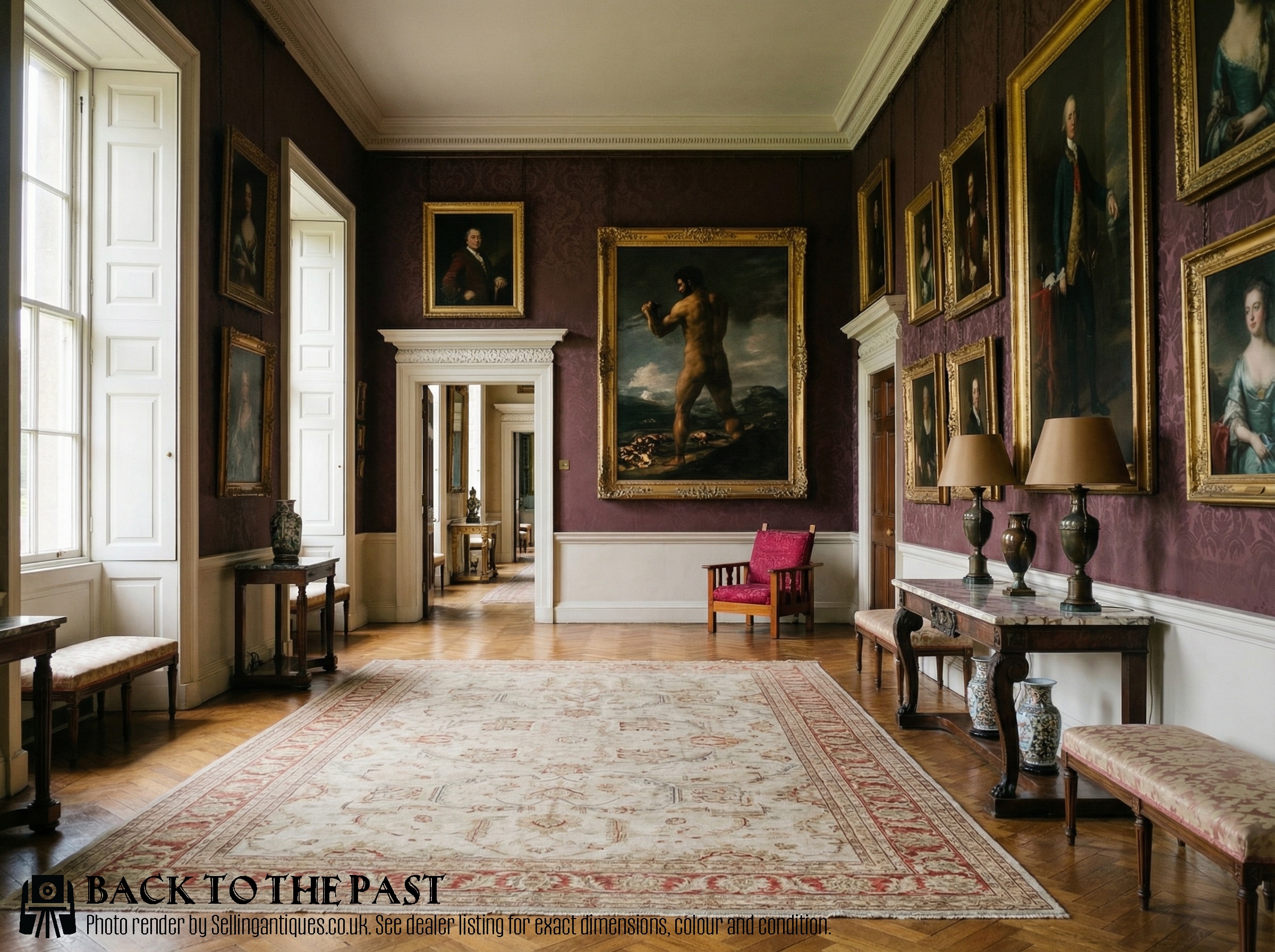
The Edwardian Wooden Armchair Glossary
- Edwardian
- A stylistic period spanning from the death of Queen Victoria in 1901 to the start of the First World War in 1914. It often reinterprets earlier historic designs with lighter proportions.
- Arts & Crafts
- A design movement emphasising handcraftsmanship, simple forms, and traditional materials. It reacts against industrial mass production by highlighting natural wood textures.
- Reclining armchair
- A seating form engineered with an adjustable backrest for relaxation. Edwardian iterations often use mechanical adjustments concealed within wooden arm frames.
- Desk armchair
- A specialised seat designed for use at a writing table, usually featuring an open wooden back and stable legs. These chairs prioritize upright support over deep cushioning.
- Fruitwood
- A dense, close-grained timber harvested from fruit-bearing trees such as pear or apple. Makers value it for turning and smooth surface finishes.
Frequently Asked Questions
How do I identify an Edwardian wooden armchair?
Look for construction traits typical of the early twentieth century, such as lighter framing proportions compared to heavy Victorian furniture. Materials like oak, teak, and fruitwood are common.
Consider stylistic cues from the Edwardian Arts & Crafts movement or traditional country workshops. Dates generally cluster around the turn of the century up to 1920.
Where were these armchairs used originally?
These chairs served multiple domestic and working environments, ranging from formal libraries to country kitchens. Desk chairs were designed specifically for studies and offices.
Reclining and lounge armchairs suited domestic living spaces for relaxation. Country traditional models fulfilled practical seating needs in farmhouse interiors.
What materials are used in these chairs?
Makers utilised a variety of domestic and exotic hardwoods, including oak, teak, fruitwood, beech, and elm. These timbers provided the necessary structural strength for daily use.
Upholstery often involved fabric or leather surfaces mounted onto the wooden frames. Metal elements, such as brass, occasionally appeared in functional adjustments or decorative hardware.
Are these chairs suitable for daily use?
Solid timber construction makes these pieces robust for contemporary living spaces. Many designs, particularly desk and kitchen armchairs, offer sturdy everyday support.
Reclining versions provide adjustable comfort suited for reading or relaxing. Checking the integrity of joints and upholstery ensures longevity in modern settings.
What is the difference between Arts & Crafts and traditional chairs?
Arts & Crafts chairs emphasise visible construction, natural timber grains, and simple, honest forms. They reflect a philosophical rejection of ornate industrial manufacturing.
Traditional country chairs focus on utilitarian function and regional workshop styles. They often incorporate local woods like elm or fruitwood with straightforward vernacular designs.