




Edwardian Upholstered Ottoman
These edwardian upholstered ottoman pieces combine timber frames with textile or leather seating to provide practical comfort and period character.
Edwardian Upholstered Ottoman
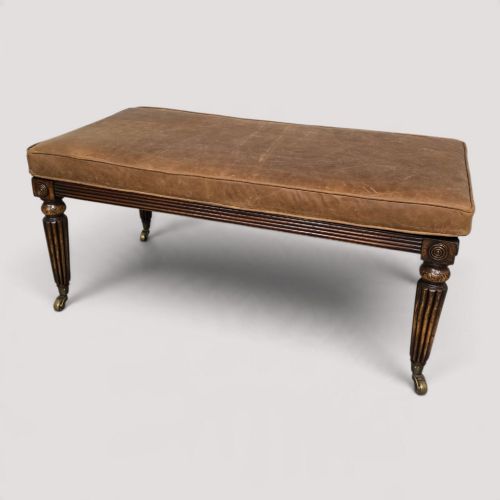
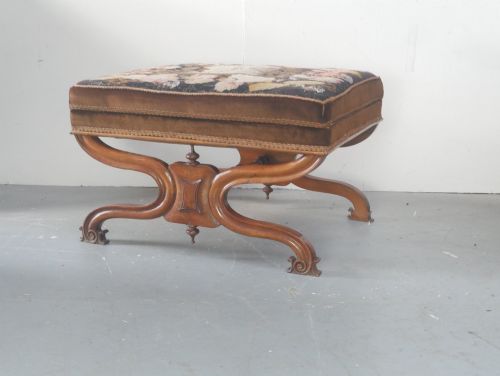
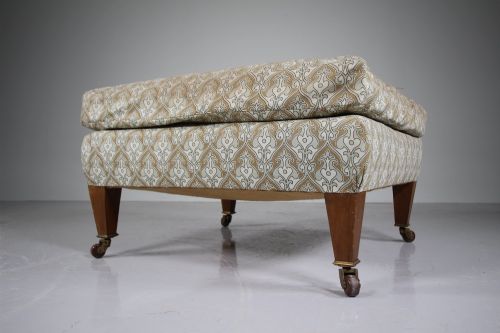
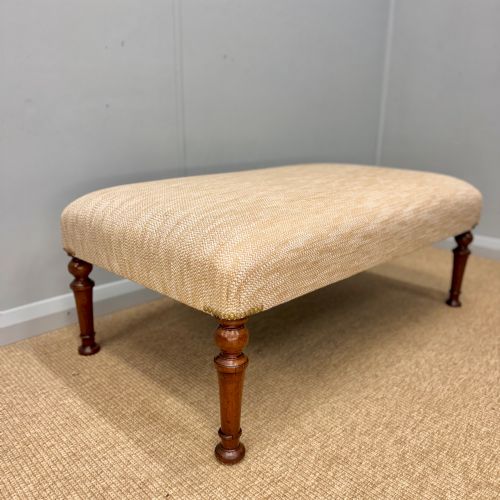
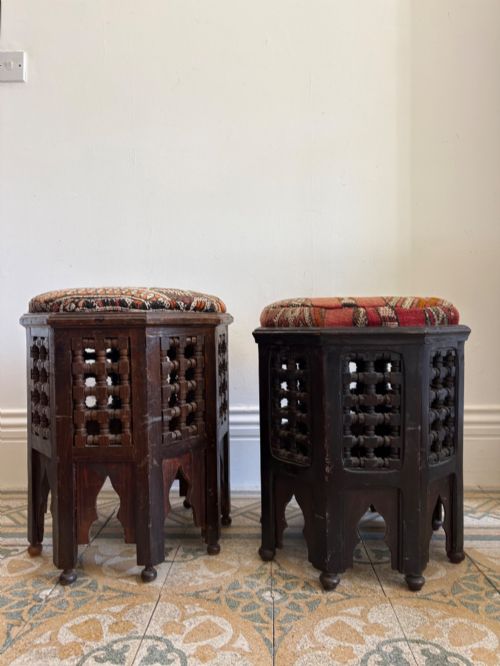
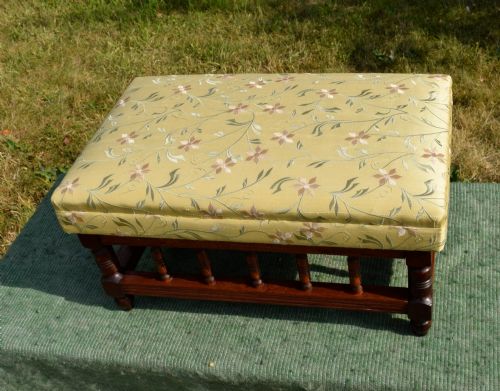
An edwardian upholstered ottoman brings together low seating forms and textile coverings, ranging from compact footstools to long window seats and larger ottomans. The listings show pieces originating across the nineteenth and early twentieth centuries, alongside revivals spanning Regency, Georgian, and Louis XV styles.
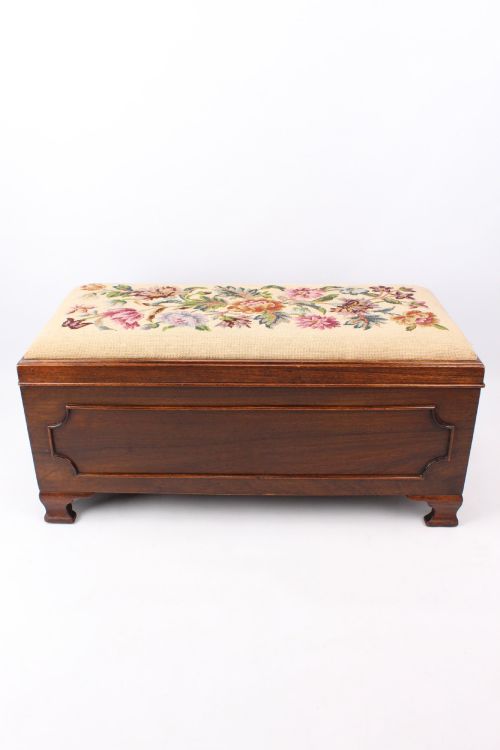
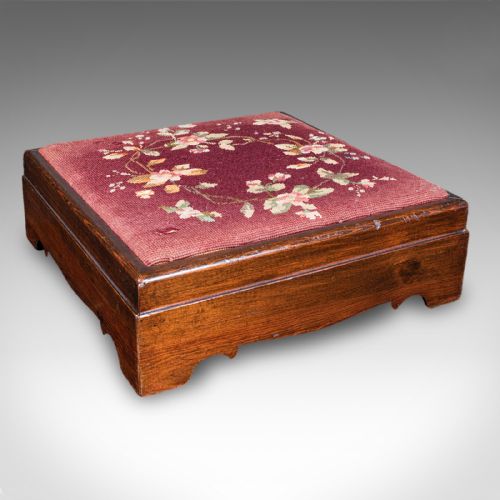
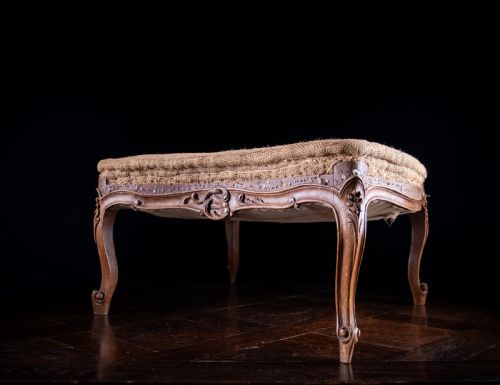
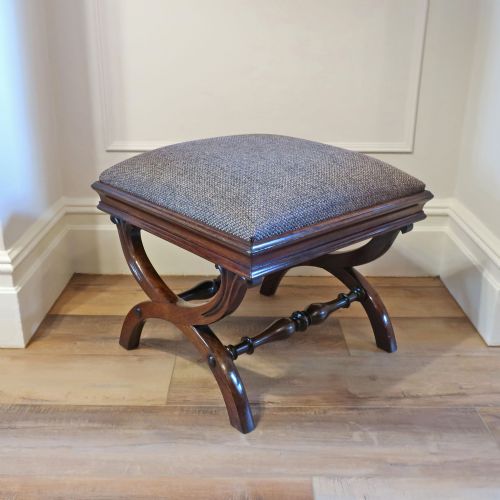
Most examples appear as footstools, dressing table stools, or salon benches, frequently supported on timber legs with brass castors. Mahogany and walnut provide the primary framing timbers, while upholstery spans simple fabric, leather, tapestry, and needlework.
Materials and Construction
Frames rely on traditional timbers such as mahogany, walnut, pitch pine, and beech, shaped through carving or left with smooth lacquered surfaces. Joinery methods support heavy padding and buttoned upholstery without compromising structural rigidity.
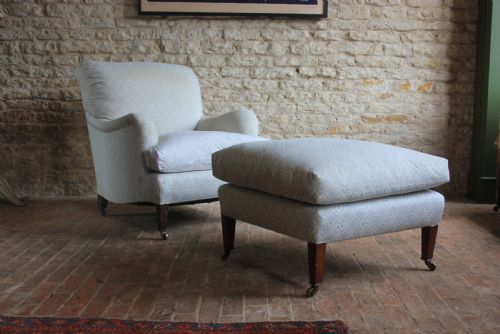
Seating areas utilise textiles including wool, tapestry, needlework, and leather, often secured over coil springs or deep padding. Brass castors frequently finish the feet on larger nineteenth-century examples.
Edwardian Upholstered Ottoman Retail Price Guide 2026
Typical asking prices for edwardian upholstered ottoman among the pieces listed under this phrase on Sellingantiques today, from the lower quarter to the upper quarter. They describe what is for sale here now, not the wider market.
The documented pieces span the nineteenth century, the Edwardian era, and the nineteen-twenties, incorporating various revival styles.
Evaluating Quality
Quality rests on the substance of the timber frame and the integrity of the joinery beneath the upholstery. Denser hardwoods and refined hand-carving distinguish better pieces from simpler workshop alternatives.
The choice of covering material and the precision of the padding execution also determine the standing of a piece. Original upholstery textiles or quality replacement fabrics paired with solid framing elevate the overall standard.
Howard & Sons·James Shoolbred
The Edwardian Upholstered Ottoman Glossary
- Ottoman
- A low upholstered seat or footstool without arms or back, designed for resting feet or sitting. Examples frequently incorporate deep padding and timber frames.
- Needlework
- Hand-stitched textile work utilising yarn on canvas, commonly applied to historic seat tops. This technique adds colourful patterns to footstools and window seats.
- Castor
- A small wheel attached to the base of furniture legs to ease movement. Brass mounts frequently appear on larger nineteenth-century footstools.
- Stretcher
- A horizontal timber rail connecting the legs of a stool for added stability. Cross stretchers appear on various dressing table and salon stools.
- Buttoned
- An upholstery technique where depressions are created across the padded surface using secured buttons. This method maintains internal stuffing distribution.
Edwardian Upholstered Ottoman: Frequently Asked Questions
How were these ottomans used?
These pieces served multiple domestic purposes, acting as footstools before armchairs, fireside seats, or low dressing table stools. Larger versions functioned as window seats or centre stools in principal reception rooms.
Their low profile made them easily movable around Victorian and Edwardian drawing rooms and parlours according to daily requirements.
What woods were used for the frames?
Frames were constructed using a variety of hardwoods suited to shaping and structural support. Mahogany and walnut appear frequently in the listings, alongside beech and pitch pine.
Selected pieces also feature specialised finishes such as black lacquer for Chinoiserie decoration or gilt surfaces.
Are the upholstery coverings original?
Upholstery on antique seating often reflects later re-covering or period-appropriate restoration using traditional materials like leather, tapestry, or wool fabric. Certain pieces retain needlework or Liberty fabric additions from subsequent decades.
Buyers should examine the fabric condition and underlying padding structure to understand the extent of past restoration work.