


Edwardian Turned Leg Stool
An edwardian turned leg stool brings practical seating and period character to any room, offering solid craftsmanship in timber and textile.
Edwardian Turned Leg Stool
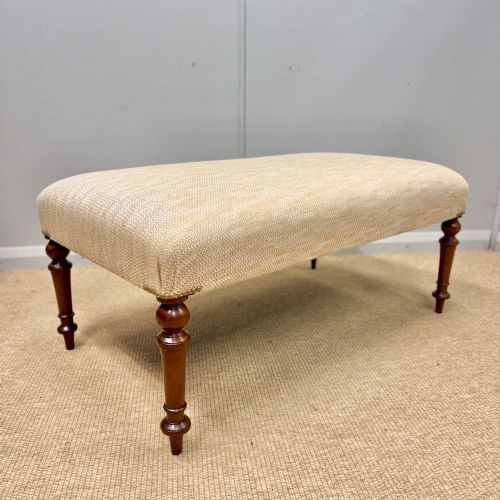
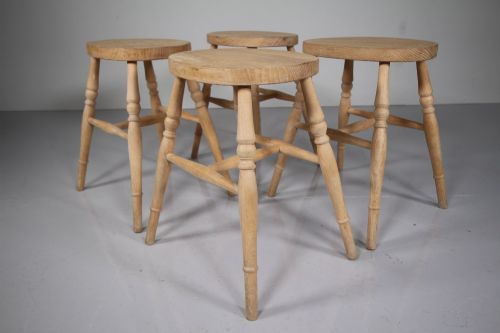
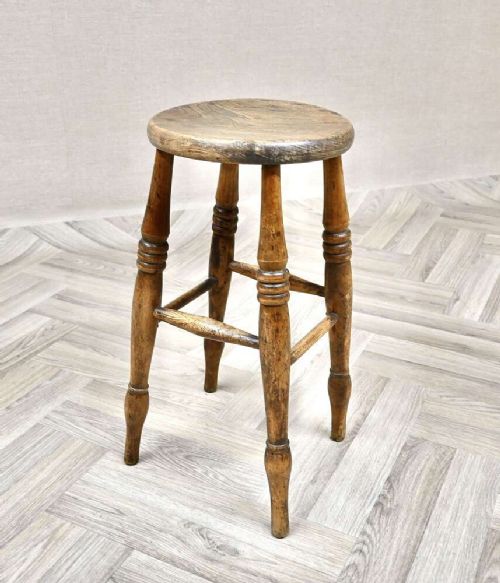
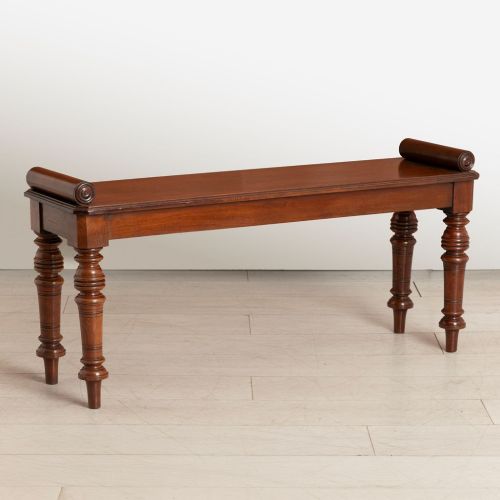
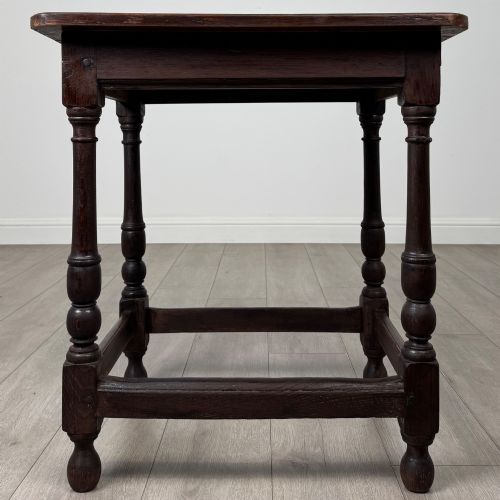
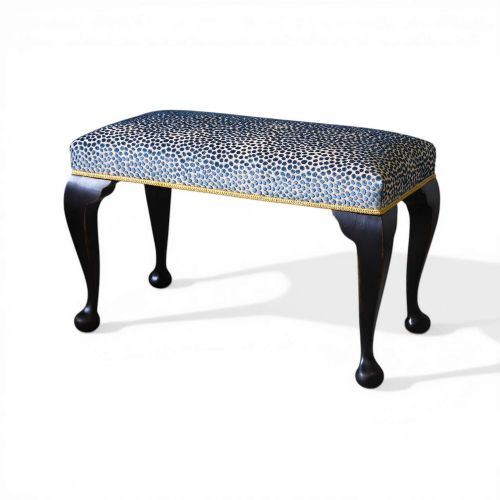
An edwardian turned leg stool is a compact piece of seating furniture designed for domestic use, frequently appearing in forms such as footstools, piano stools, and small benches. These pieces originate from the late nineteenth and early twentieth centuries, spanning periods from the eighteen-eighties through to the nineteen-twenties.
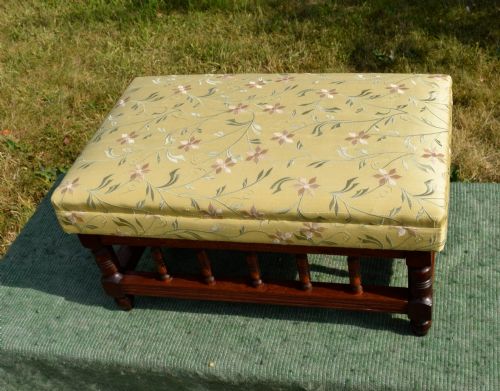
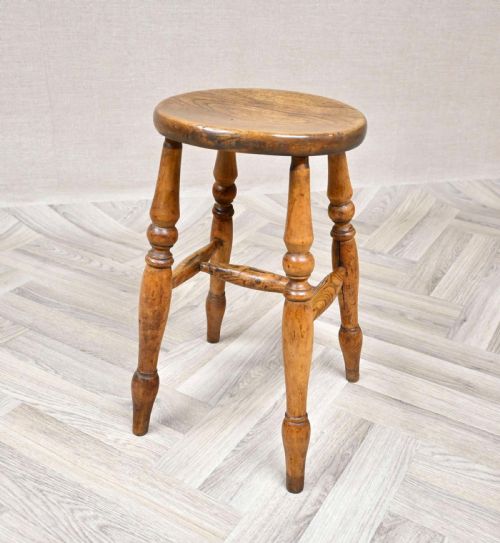
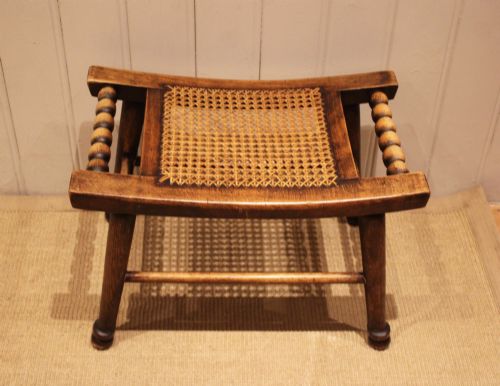
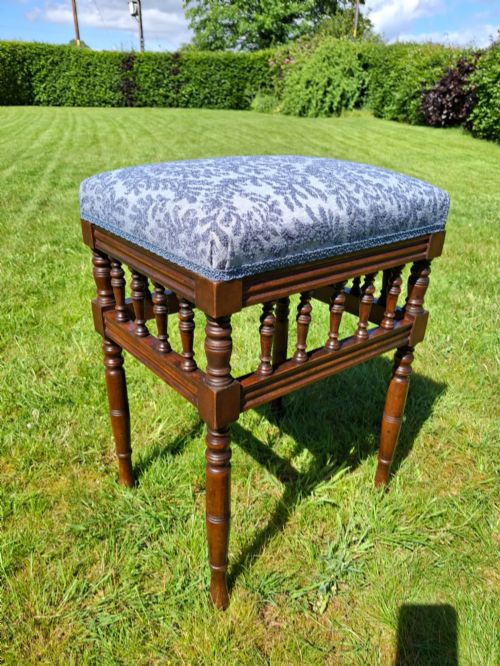
The version most commonly met on this page is the Edwardian or nineteenth-century footstool, often constructed with mahogany, oak, or elm and fitted with upholstered seats in fabric, textile, or tweed linen. Examples range from small elm footstools to longer upholstered footstools and revolving piano stools.
Makers and designers produced these items in various styles including Edwardian Country, English Country, Jacobean Revival, and Aesthetic Movement. Buyers encounter diverse formats, from clerk's stools and bar stools to side tables and window seats.
What varies in quality
The selection of timber dictates the foundational quality of each piece, with dense hardwoods like mahogany and walnut generally offering superior durability compared to softer woods. Finer examples display precise turning on the legs and tight, stable joinery that resists wobbling.
Upholstery work and the condition of integrated materials such as cane work or brass castors influence the overall standard. Pieces retaining their original structural integrity alongside quality textile finishes represent the higher end of the range.
Listings feature oak, mahogany, elm, walnut, and beech timbers alongside brass and ebonised wood finishes.
J. Shoolbred·James Shoolbred
The Edwardian Turned Leg Stool Glossary
- Turned leg
- A wooden support shaped on a lathe to create decorative cylindrical or bulbous profiles. This technique was widely utilised across nineteenth and twentieth-century seating.
- Joint stool
- A sturdy wooden stool constructed with mortise and tenon joints rather than turned components. These items often date to the earlier periods represented in the listings.
- Ebonised wood
- Timber treated with a dark stain or finish to imitate ebony. This process was popular during the Victorian and Edwardian eras for formal or aesthetic furniture.
- Cane work
- Woven plant material used to form breathable and flexible seat panels. It requires careful hand-weaving around the frame aperture.
- Duet stool
- An extended piano stool designed to seat two players side by side. They frequently feature upholstered tops and sturdy wooden frames.
Edwardian Turned Leg Stool: Frequently Asked Questions
What is an edwardian turned leg stool?
An edwardian turned leg stool is a small wooden seat featuring lathe-turned legs, produced around the turn of the twentieth century. These versatile items served various domestic functions from footrests to piano seating.
They appear in multiple timbers including mahogany and oak, often paired with upholstered or cane seats reflecting period design tastes.
How were piano stools different?
Piano stools were engineered to provide adjustable or stable seating for musicians at keyboard instruments. Many examples feature swivel bases or revolving mechanisms to alter height.
Unlike standard footstools, they often incorporate duet widths or storage compartments beneath the seat.
Where did people use these stools?
These pieces functioned across different rooms of the house, serving beside pianos, dressing tables, and fireplaces. Smaller variants acted as footstools beneath armchairs.
Longer versions doubled as window seats or luggage rack stands within bedrooms and hallways.
How do I identify the period?
Dating relies on observing timber choices, upholstery styles, and turning characteristics associated with Victorian, Edwardian, or early twentieth-century manufacture. Elements like brass castors and ebonised finishes point to specific decades.
Makers' stamps or labels, when present, provide definitive attribution to firms active in the late nineteenth or early twentieth centuries.