


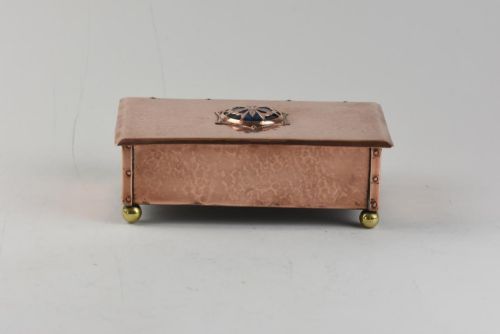
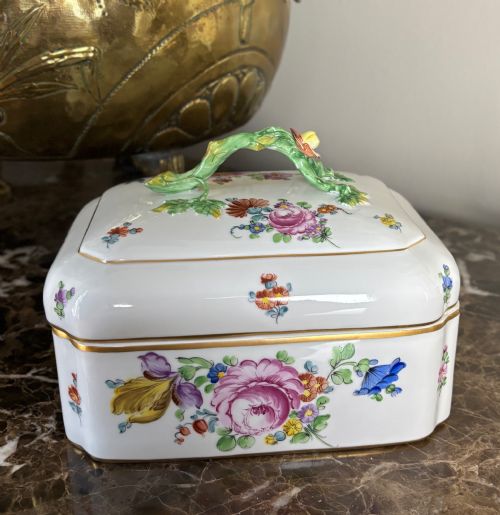
Edwardian Trinket Box
An edwardian trinket box holds dressing table pins, rings, and keepsakes, offering tactile elegance from an era of fine detail.
The Nature of Edwardian Trinket Boxes
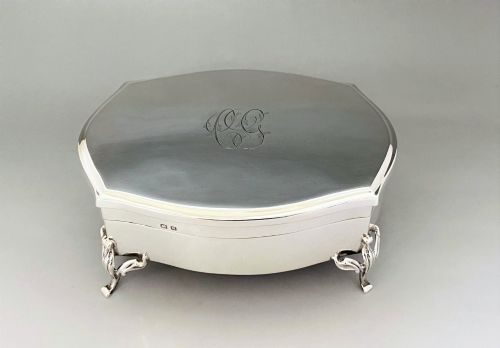
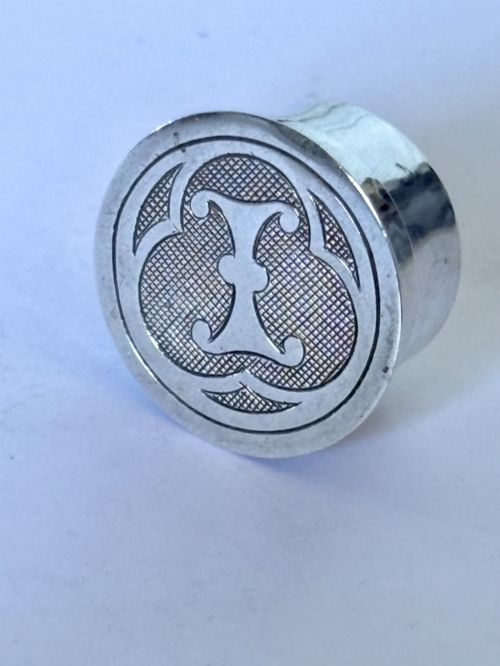
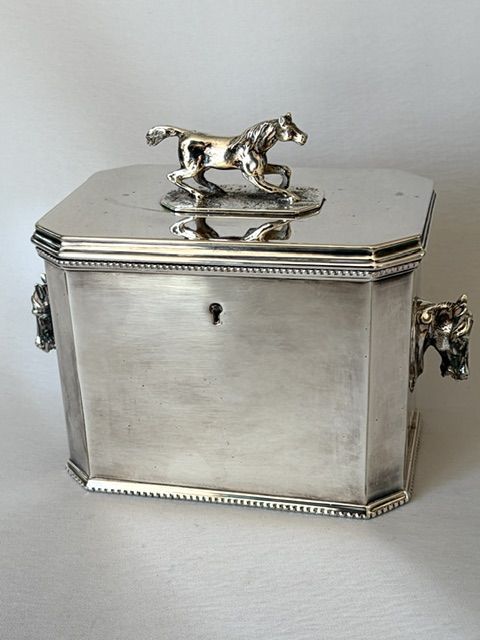
An edwardian trinket box brings together the refined domestic habits and decorative arts of the early twentieth century. These small receptacles served to contain personal jewellery, pins, and small valuables on dressing tables and desks.
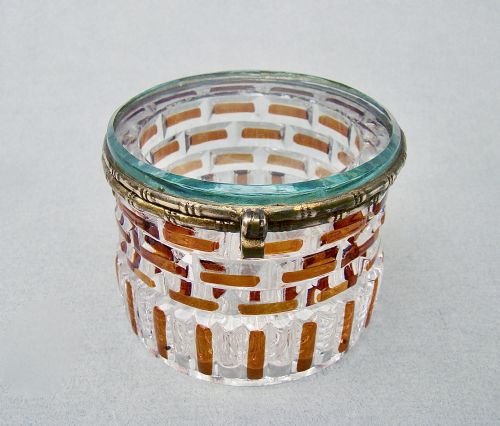
Most examples found in this category date from the Edwardian period and the surrounding decades, spanning the late nineteenth century into the 1920s. Formats range from simple rectangular caskets and oval dishes to heart shapes and chest designs.
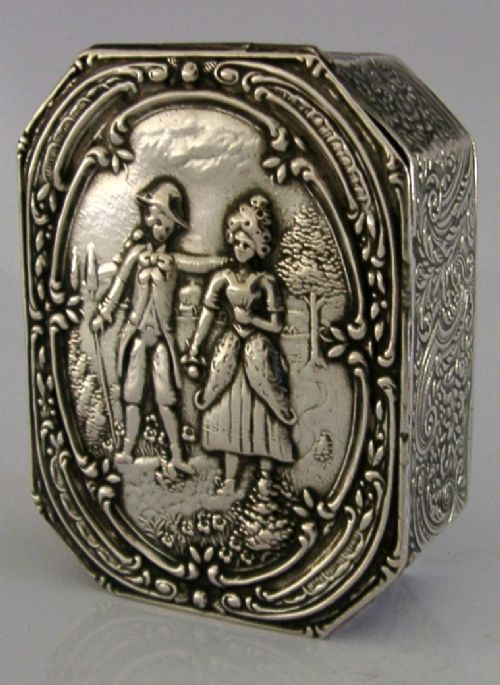
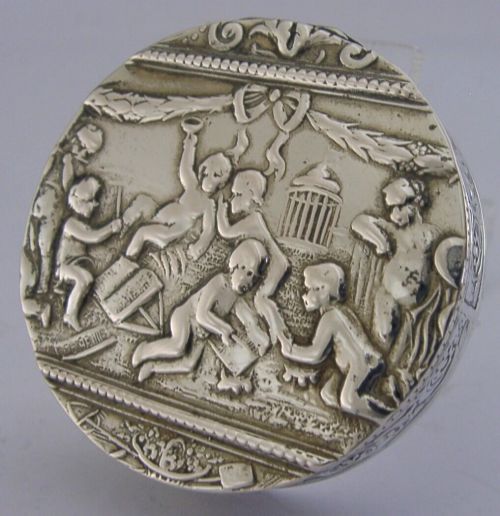
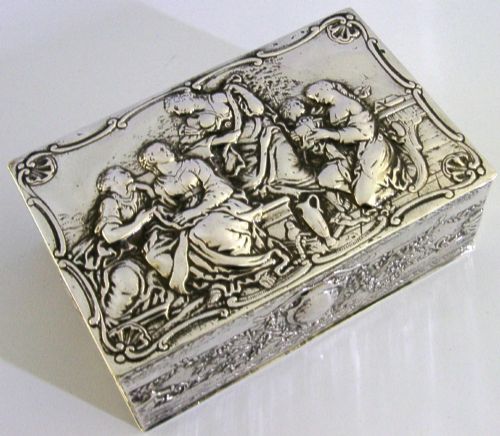
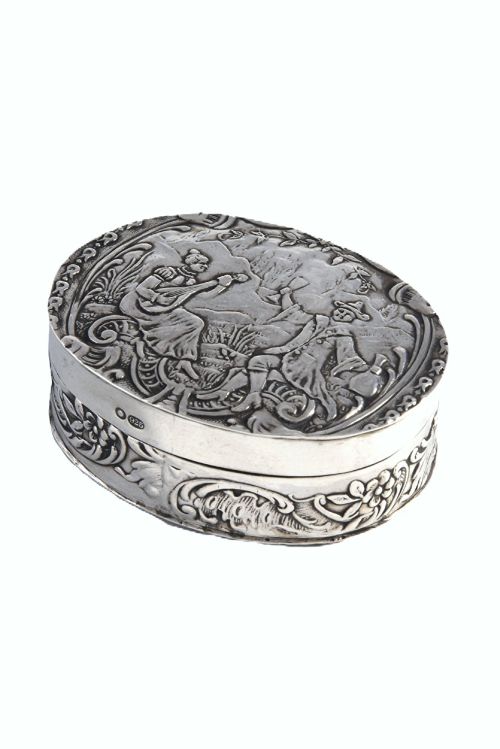
Makers utilised diverse materials to create these boxes, moving from precious metals to exotic woods and inlaid details. Buyers encounter everything from plain silver mountings to complex pictorial repoussé lids depicting cherubs, angels, and hunting scenes.
Materials and Construction
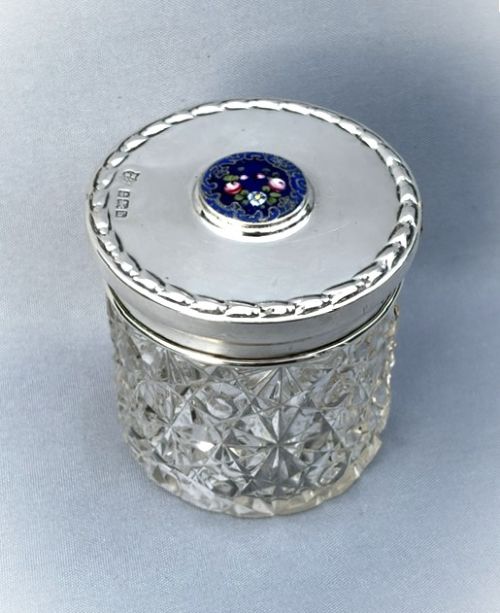
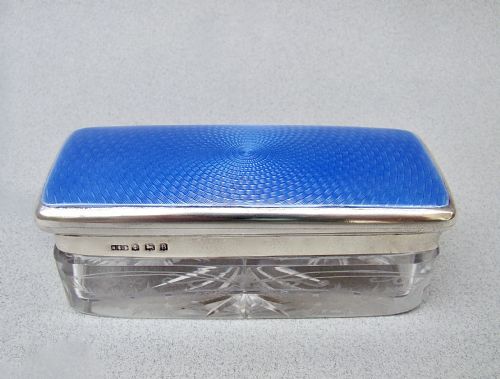
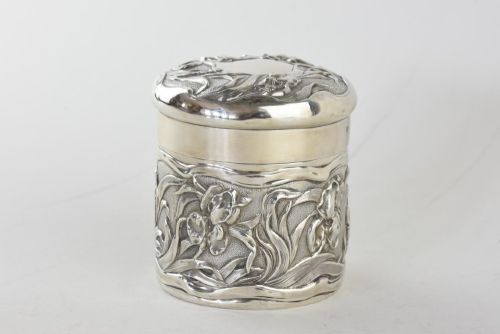
Silversmiths constructed many of these pieces using sterling silver, frequently employing techniques such as embossing, chasing, piercing, and guilloche enamel. Assay offices in cities like Birmingham and Chester left hallmarks that date the metal components precisely.
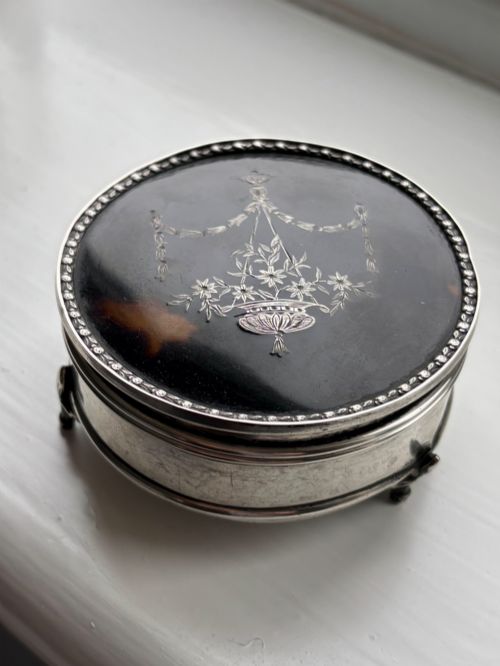
Other pieces rely on organic and timber materials, incorporating tortoiseshell, porcupine quill, ebony, bone inlay, mahogany, and cedar. Artisans combined these substances with silver mounts or carved the wooden surfaces directly using chip carving and inlay methods.
Retail Price Guide 2026
Typical UK retail prices for edwardian trinket box, calculated from the Sellingantiques database of over a million retail prices indexed since 2003. This retail price guide relies exclusively on Sellingantiques data; no external sources or auction records are used, so the figures do not describe the wider market.
Listings feature sterling silver, tortoiseshell, porcupine quill, and mahogany across Edwardian and early twentieth century forms.
Judging Quality and Execution
Material selection and structural integrity further define the hierarchy of these boxes. Items combining sterling silver with genuine tortoiseshell, intricate piercing, or specialised interior linings display greater ambition in design and execution.
William Comyns·Nathan and Hayes·Finnigans
The Edwardian Trinket Box Glossary
- Repoussé
- A metalworking technique where the artisan hammers the design from the reverse side to create a raised relief on the front. This method appears frequently on silver box lids depicting angels and hunting scenes.
- Guilloche enamel
- A decorative mechanical engraving technique covered with translucent enamel. It provides colourful, patterned backgrounds on silver trinket boxes.
- Pin cushion lid
- A fitted padded top integrated into the box lid to hold hat pins and sewing needles. These additions often appear on specialised Edwardian dressing table boxes.
- Hallmark
- Official stamps applied by an assay office to indicate the metal standard, the town of origin, and the year of manufacture. British sterling silver pieces typically carry these marks.
- Tortoiseshell
- The mottled brown and amber shell of certain turtle species used as an overlay on silver boxes. It contrasts sharply with polished silver mounts.
Frequently Asked Questions
What were edwardian trinket boxes used for?
These boxes held everyday personal items such as rings, brooches, pins, and small keepsakes on dressing tables and writing desks. They kept delicate jewellery organised and protected from dust.
Larger versions also functioned as cigar boxes, tea caddies, or specialised containers for hat pins and calling cards.
How do I date a silver trinket box?
British silver boxes carry hallmarks that indicate the assay office, metal purity, and date letter corresponding to the year of manufacture. These small stamped symbols provide the most reliable chronological evidence.
Stylistic clues like embossed cherubs, pierced gallery work, and specific geometric shapes also align with the Edwardian era and the early twentieth century.
What materials are common in these boxes?
Sterling silver dominates the category, often paired with glass, velvet linings, or tortoiseshell inlays. Makers also utilised mahogany, cedar, ebony, and porcupine quill for wooden and exotic caskets.
Surface decoration frequently includes guilloche enamel, bone inlay, and detailed metal chasing.
How do I care for antique silver and tortoiseshell?
Keep silver and mixed-material boxes away from direct sunlight, high humidity, and extreme temperature fluctuations. Gentle dusting with a soft, dry cloth preserves the finish without damaging delicate shell or enamel.
Avoid using harsh chemical polishes that can wear down thin silver plating or embossed details over time.