



Pierced Silver Box
A pierced silver box brings intricate openwork metal and gleaming sterling silver into domestic spaces for storage and display.
Understanding pierced silver box pieces
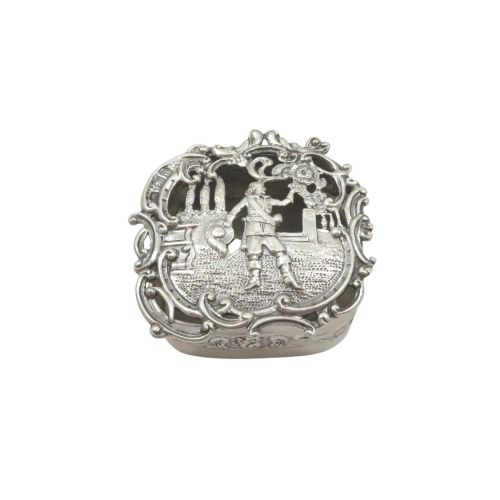
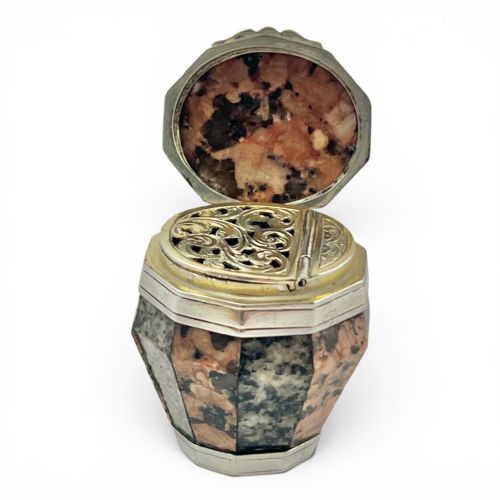
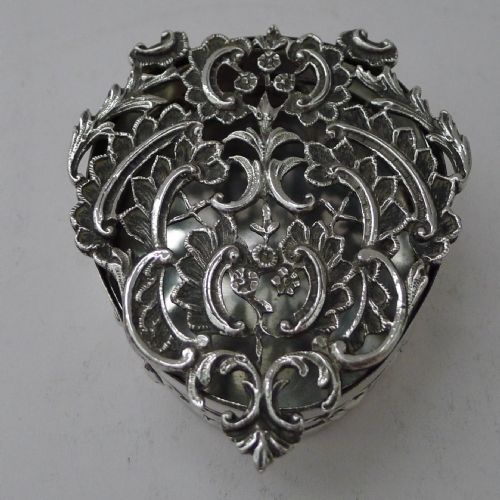
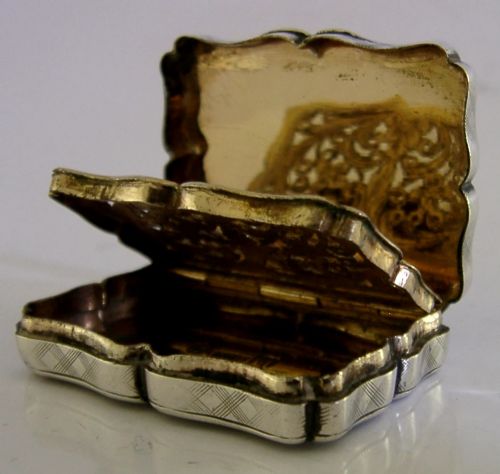
A pierced silver box is a decorative container designed for domestic use, frequently found in Victorian and Edwardian iterations on this page. These items serve as receptacles for trinkets, jewellery, pin cushions, pot pourri, and lavender, combining utility with ornamental display.
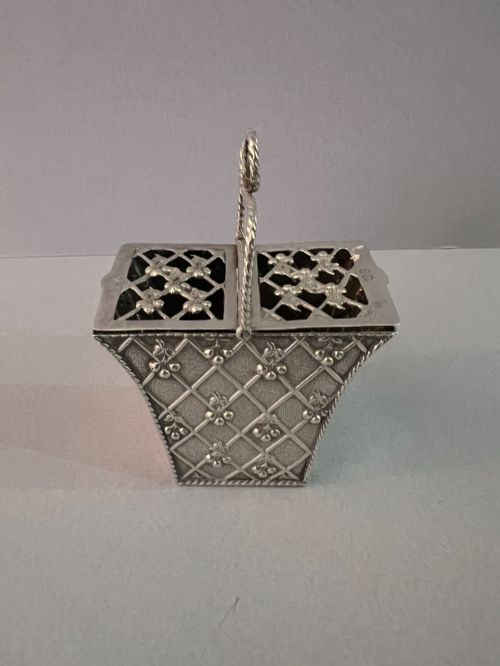
The assortment includes heart-shaped trinket boxes, pot pourri containers, cigarette boxes, string boxes, and marriage boxes. Chinese export pieces and Dutch silver examples also appear alongside standard English sterling silver domestic wares from the late nineteenth and early twentieth centuries.
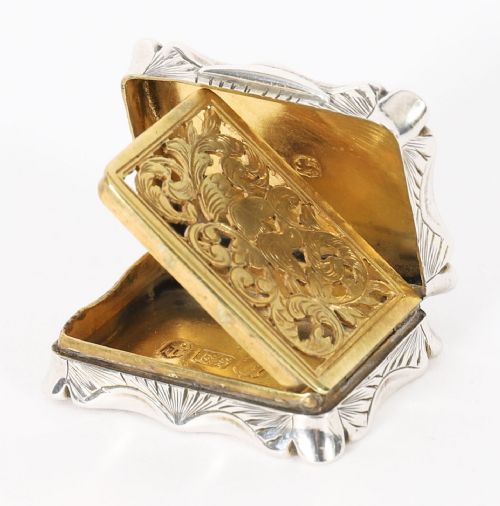
Buyers encounter distinct forms such as hinged lidded boxes, ring caskets, and desk boxes. The predominant surviving examples span the Victorian and Edwardian periods, typically fashioned from sterling silver or silver.
Materials and construction methods
These items are constructed from sterling silver and silver, shaped into boxes, caskets, and bowls. Silversmiths utilised techniques such as piercing, repoussé, and casting to create openwork patterns alongside solid panels.
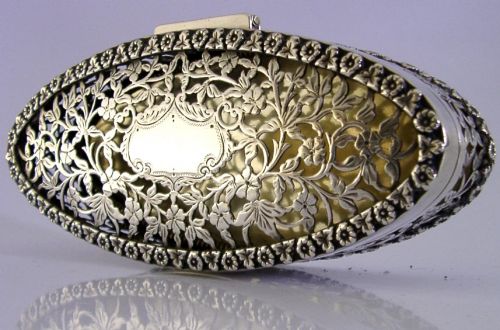
Design motifs incorporate floral patterns, birds, scenes, and twin dragon themes executed through detailed metalwork. Lids and bodies were frequently pierced in symmetrical or figurative lattices to allow the release of scent from pot pourri or lavender contained within.
Retail Price Guide 2026
Typical UK retail prices for pierced silver box, calculated from the Sellingantiques database of over a million retail prices indexed since 2003. This retail price guide relies exclusively on Sellingantiques data; no external sources or auction records are used, so the figures do not describe the wider market.
Some boxes held dried lavender so secret compartments could quietly perfume Victorian correspondence.
Distinctions in craftsmanship and design
Quality separates simple stamped or pierced lids from masterwork items featuring deeply chased scenes, birds, or elaborate figural motifs. The crispness of the openwork piercing and the structural integrity of the silver chassis define the upper tier of production.
Provenance and maker attribution elevate certain pieces, particularly those bearing the marks of established silversmiths or notable export houses. The presence of original fitted components, such as interior linings or matching elements, also distinguishes exceptional examples.
William Comyns·Wang Hing And Co
The Pierced Silver Box Glossary
- Piercing
- The technique of cutting decorative openwork patterns through sheet metal to create intricate visual designs. This method defines the primary aesthetic of these boxes.
- Pot Pourri Box
- A specialised container with a pierced lid designed to hold and diffuse dried scented plant materials. These vessels were common in Edwardian and Victorian interiors.
- Sterling Silver
- An alloy comprising ninety-two point five percent silver by mass, with the remainder consisting of other metals. Most English items on this page bear hallmarks confirming this standard.
- Chinese Export Silver
- Silver items produced in China for Western markets, often featuring distinct local motifs such as dragons. These pieces date to the twentieth century.
- Repoussé
- A metalworking technique where the metal is hammered from the reverse side to form a raised design in relief. It frequently accompanies pierced work on these boxes.
Frequently Asked Questions
What were pierced silver boxes used for?
These containers held small personal items including trinkets, pins, rings, and sewing accessories on dressing tables and desks. Variants with perforated tops also functioned as scent vessels for lavender or pot pourri.
Larger versions accommodated cigarettes or string supplies for household utility. Their decorative openwork made them suitable for prominent display in Victorian and Edwardian rooms.
How do I date a pierced silver box?
Dating relies primarily on the hallmarks stamped into the silver, which record the assay office, standard mark, and date letter for the year of manufacture. Stylistic indicators such as Rococo Revival curves or Edwardian proportions offer further chronological context.
The recorded pieces span from the late Victorian era through the Edwardian period and into the nineteen twenties.
What is the difference between sterling and silver?
Sterling silver denotes a specific legal standard containing ninety-two point five percent pure silver alloyed for durability. Unspecified silver markings may indicate alternative purities or foreign export standards.
Most English items featured on this page carry sterling marks alongside maker initials and date letters.
How should I clean my silver box?
Care involves gentle dusting with a soft cloth to prevent accumulation in the intricate pierced interstices. Harsh chemical dips risk damaging delicate openwork or removing desirable aged patination.
Professional silver cleaning cloths used sparingly help maintain the polished appearance of the metal without harming the structure.