
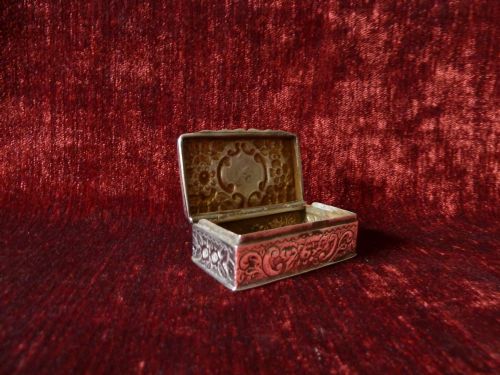


1899 Sterling Silver Box
An 1899 sterling silver box brings late Victorian craftsmanship to your desk or dressing table.
1899 Sterling Silver Box
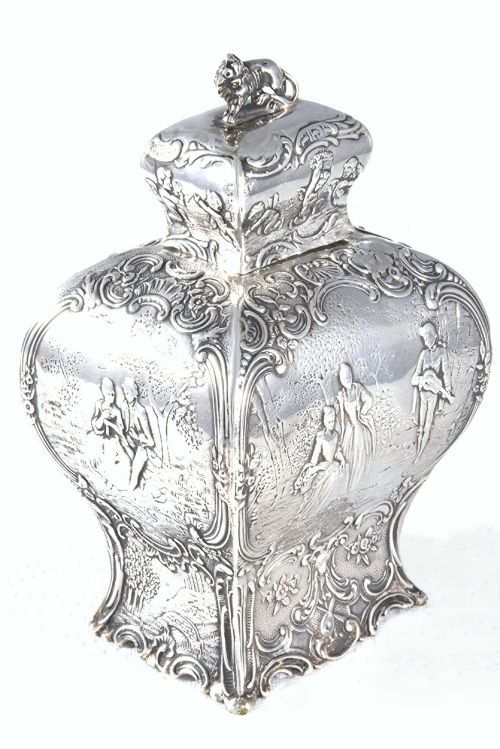
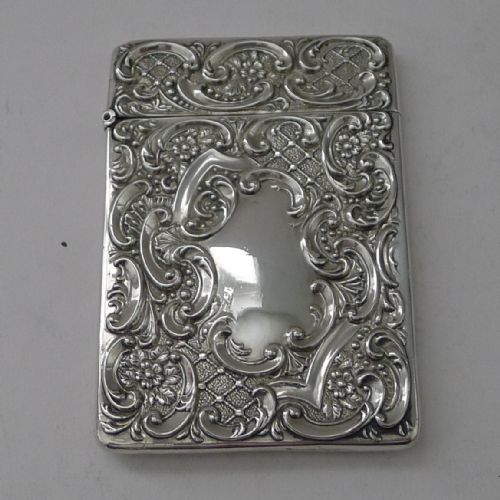
When you search for an 1899 sterling silver box, you encounter a distinct variety of late nineteenth-century silverwork created during the Victorian period. These pieces span utility and display, ranging from small pill boxes and heart-shaped trinket containers to tea caddies, card cases, and snuff boxes.
The selection on this page demonstrates the diverse domestic habits of the era, encompassing specialised receptacles for playing cards, postage stamps, toothpicks, and string alongside fitted travelling vanity sets. Makers utilised sterling silver frequently in combination with glass, tortoiseshell, velvet, and silk to produce items intended for daily personal use or ornamental display.
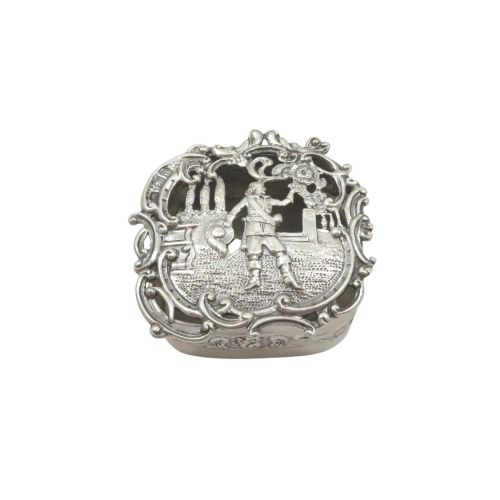
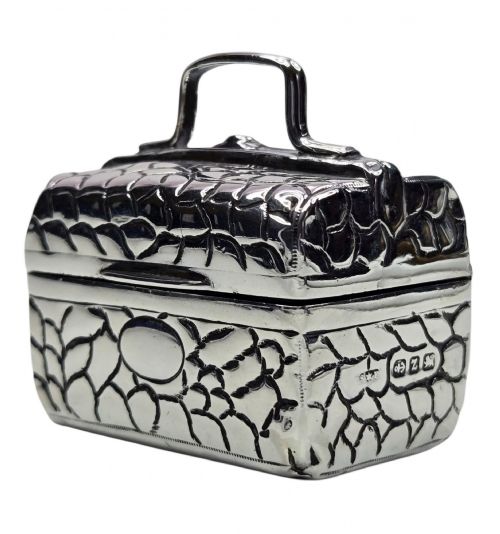
Most examples originate from English assay offices, bearing hallmarks that confirm the date of production at the close of the nineteenth century. Buyers find both pierced decorative containers and novelty forms shaped like trunks, animals, or musical scenes that reflect the Victorian appetite for imaginative silver design.
How they were made
Silversmiths constructed these pieces primarily from solid sterling silver, often employing techniques such as piercing, embossing, and chasing to build intricate surface relief and pictorial lids depicting subjects like musical lessons and cherubs. Structural components were shaped by hand or pressed, then assembled with hinges and bezels to ensure secure closures for small personal valuables.
Internal spaces were frequently lined with velvet, silk, or satin to protect delicate items like rings, pins, and visiting cards. Artisans also incorporated organic and mineral materials including tortoiseshell, bone, celluloid, glass, and leatherette, combining diverse textures into single travelling sets and decorative jars.
Recorded forms include tea caddies, card cases, snuff boxes, grape scissors, vesta cases, and string jars.
What varies in quality
The degree of hand-finishing and detail in embossed repousse work distinguishes standard production items from exceptional novelty pieces, such as animal forms or detailed pictorial scenes. Crispness in hallmark stamping and the structural integrity of hinged lids reveal the skill of the original workshop and the preservation of the metal over time.
The survival of internal fabric linings, such as original velvet or silk, alongside fitted leatherette or wooden cases, influences the overall integrity of a piece. Superior examples retain their original glass liners, complete card decks, or unaltered gilt interiors without excessive wear to the underlying sterling silver.
Sampson Mordan·George Nathan and Ridley Hayes·Adie and Lovekin·William Comyns
The 1899 Sterling Silver Box Glossary
- Sterling silver
- A silver alloy containing 92.5 percent pure silver and 7.5 percent other metals, usually copper, chosen for durability in domestic objects.
- Hallmark
- Official stamps struck into precious metal indicating the maker, assay office, standard of purity, and year of manufacture, such as the date letter for 1899.
- Silver-gilt
- Sterling silver that has been coated with a thin layer of gold on the interior or exterior surfaces, sometimes referred to as vermeil.
- Pierced work
- A decorative technique where metal is cut through to create openwork patterns, common on late Victorian trinket boxes and baskets.
- Vesta case
- A small pocket container designed to hold wax matches, frequently produced in novelty shapes during the Victorian era.
- Tea caddy
- A box or container built to store dry tea leaves securely, often featuring a fitted lid and internal compartments.
1899 Sterling Silver Box: Frequently Asked Questions
How do I clean an 1899 sterling silver box?
Clean the exterior gently with a soft microfibre cloth and a mild silver polish designed to preserve antique surfaces. Avoid harsh liquid dips that strip away the dark oxidation in recessed decorative details.
Take care to keep moisture away from any internal fabric linings, velvet, or glass components to prevent staining or structural damage to the materials inside.
Were these boxes used every day?
Victorian households utilised these silver containers for practical daily routines, storing visiting cards on hall tables, postage stamps on desks, and tea leaves in the parlour. Many small receptacles also served as personal accessories carried in pockets or travelling bags.
Precious items like pins, rings, and toothpicks found permanent homes in specialised boxes kept on bedroom dressing tables.
How can I tell the exact year of manufacture?
Examine the stamped hallmarks on the silver body and lid, which include a specific date letter corresponding to the assay year of 1899. Additional marks identify the town of assay, such as Birmingham or Chester, alongside the sterling standard lion passant.
Maker's marks stamped nearby provide further evidence to cross-reference against historical records and workshops active at the turn of the century.
What should I look for in a lined interior?
Original linings made of silk, velvet, or satin often show gentle fading and wear that reflect authentic nineteenth-century use. The presence of intact padding helps secure delicate items like rings and pins within specialised jewellery boxes.
Buyers appreciate surviving interior elements because replacements alter the historical composition of the piece.