





Edwardian Tribal Rug
An edwardian tribal rug brings hand-knotted wool warmth and bold geometric design into a room, offering rich natural dyes that anchor modern or traditional spaces.
Edwardian Tribal Rug
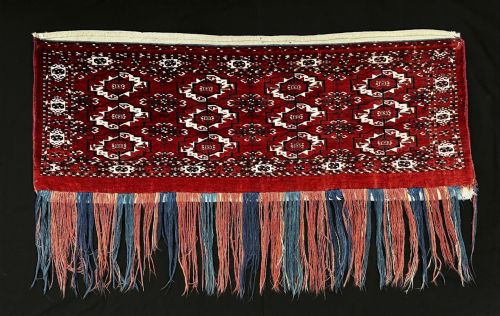
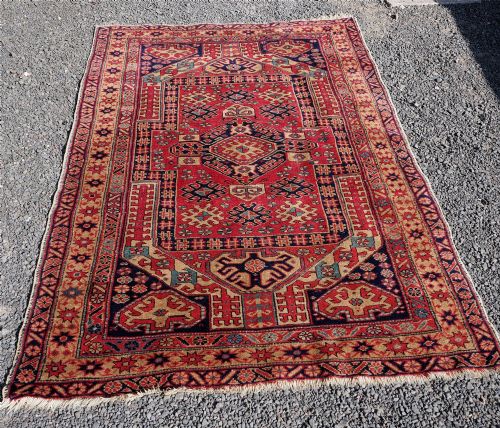
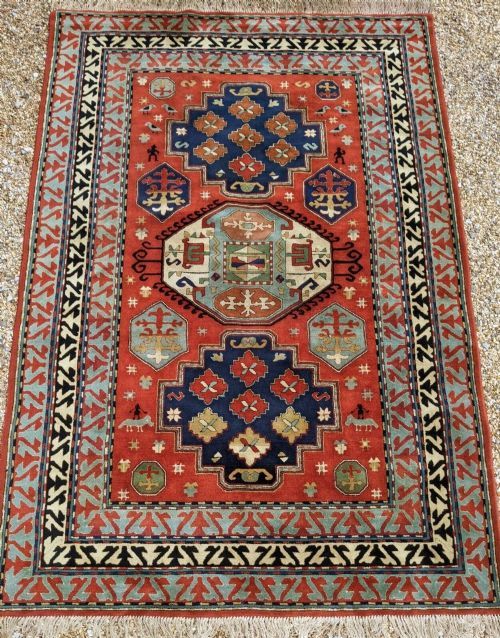
When you search for an edwardian tribal rug, you encounter hand-knotted floor coverings and village textiles created around the turn of the twentieth century. These pieces encompass Persian, Turkmen, Caucasian and Kurdish traditions, spanning formats from small torba faces and chuvals to room-sized carpets and long runners.
The pieces appearing on this page date predominantly from the nineteen hundreds and nineteen tens, alongside select examples from the late nineteenth century and the nineteen twenties. Village weavers and nomadic groups produced these textiles for domestic use or local markets, employing distinctive regional patterns rather than commercial city designs.
You will find formats ranging from compact prayer rugs and runner rugs to expansive garden carpets and kilims. Persian Heriz, Hamadan, Malayer and Bakhtiari workshops join Turkmen Ersari, Yomut and Tekke tribal weavings to form the primary selections.
Distinctions in quality
The standard of a weaving rests on the tightness of the knotting and the crisp definition of its geometric or medallion design. Finer knot density allows complex tribal patterns, such as detailed Baluch or Turkmen guls, to retain sharp outlines.
The richness and depth of the natural dyes distinguish superior examples. Purity of wool and the harmonious balance of red, blue and neutral tones elevate certain village carpets above standard production.
Edwardian Tribal Rug Retail Price Guide 2026
Typical asking prices for edwardian tribal rug among the pieces listed under this phrase on Sellingantiques today, from the lower quarter to the upper quarter. They describe what is for sale here now, not the wider market.
Nomadic weavers frequently tucked small deliberate irregularities into their repeating guls to ward off the evil eye.
Ersari Turkmen·Yomut Turkmen·Tekke Turkmen·Quchan Kurds·Bakhtiari
The Edwardian Tribal Rug Glossary
- Gul
- A medallion or repeating octagonal motif used extensively in Turkmen tribal rugs. This pattern often identifies the specific clan or tribe that wove the textile.
- Torba
- A small storage bag face produced by Turkmen weavers, featuring horizontal formats and intricate tribal designs. These items served functional roles within nomadic tents before entering the collector market.
- Chuval
- A large Turkmen tent bag face utilised for household storage. They display generous dimensions and prominent guls.
- Mihrab
- A niche design symbolising the prayer focal point, seen in specific prayer rugs. This architectural motif directs the user during daily devotions.
- Kilim
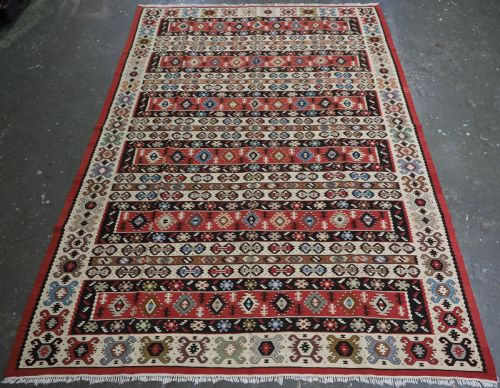
- A flat-woven textile produced without a pile, featuring sharp geometric bands and patterns. These versatile pieces function as light floor coverings or wall hangings.
Edwardian Tribal Rug: Frequently Asked Questions
How do I identify a tribal rug?
Tribal rugs display geometric motifs, repeating guls and asymmetrical designs passed down through nomadic or village families rather than formal city workshops.
They rely on wool and natural dyes, reflecting the specific regional traditions of Persian, Turkmen, Kurdish or Caucasian weavers.
Where were these rugs made?
These textiles originate from nomadic camps and rural villages across Persia, Central Asia, Anatolia and the Caucasus.
Weavers produced them in regions such as Hamadan, Malayer, Heriz and Baluchistan for domestic utility and traditional use.
How should I care for a wool rug?
Protect your rug by vacuuming gently without a rotating brush head and using a breathable underlay to prevent slipping and wear.
Keep the textile away from prolonged direct sunlight to preserve the natural dyes, and consult a specialist for professional cleaning.
What is a runner rug used for?
Runner rugs provide long, narrow formats specifically suited for hallways, corridors, staircases and narrow passageways.
They introduce warmth and pattern to transitional spaces while protecting high-traffic wooden or tiled floors.