

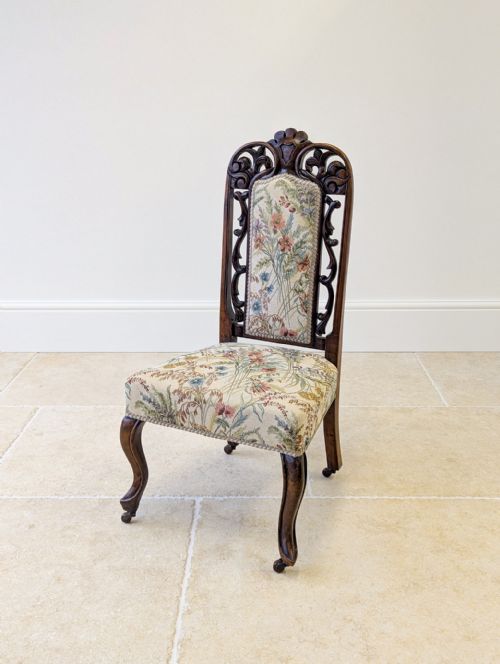

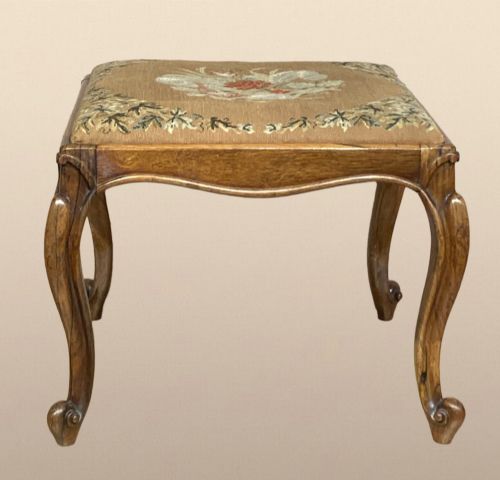
Edwardian Tapestry Seat
An edwardian tapestry seat brings together rich woven textiles and sturdy timber frames, offering practical seating with a distinct period character.
Edwardian Tapestry Seat
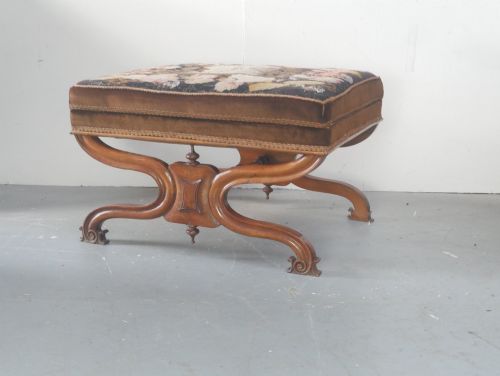
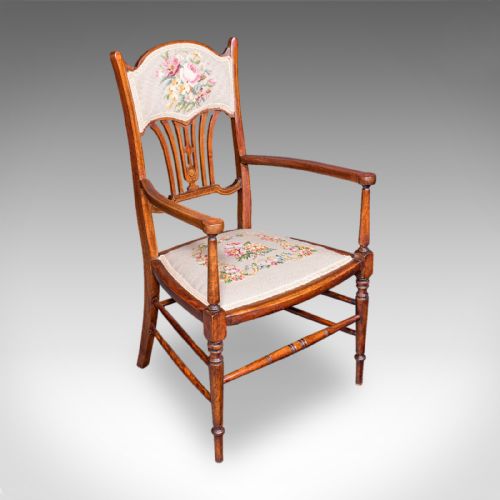
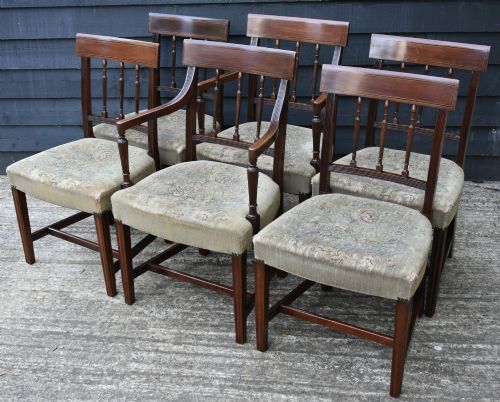
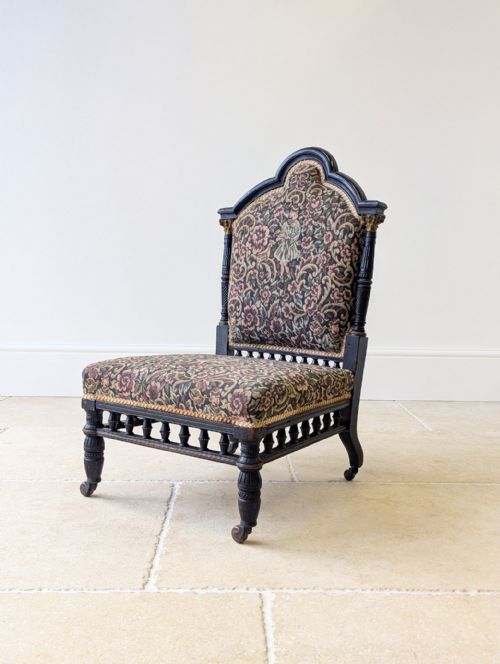
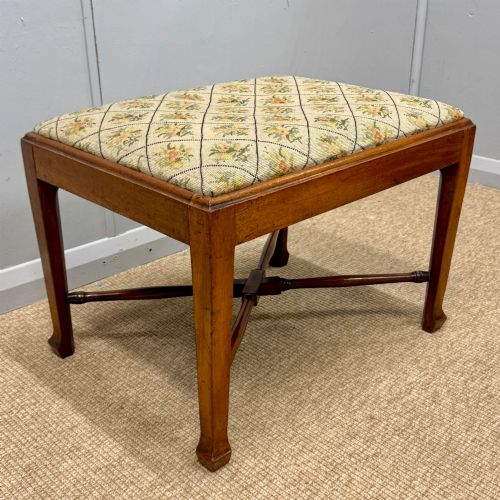
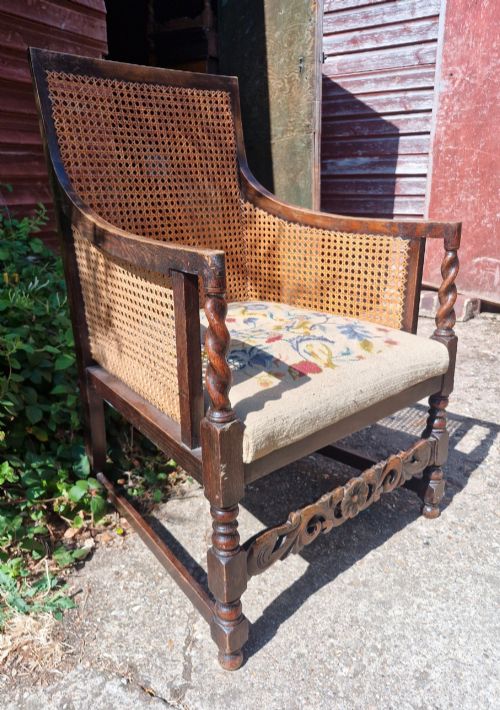
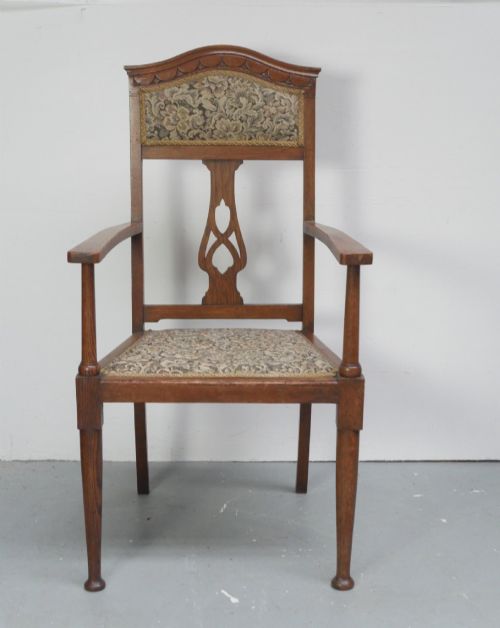
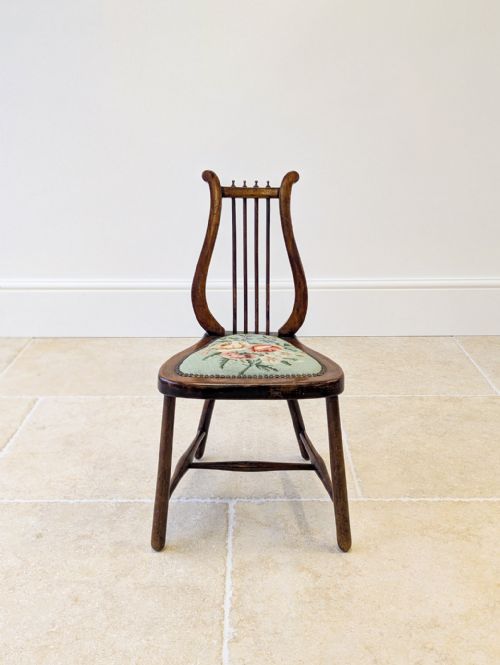
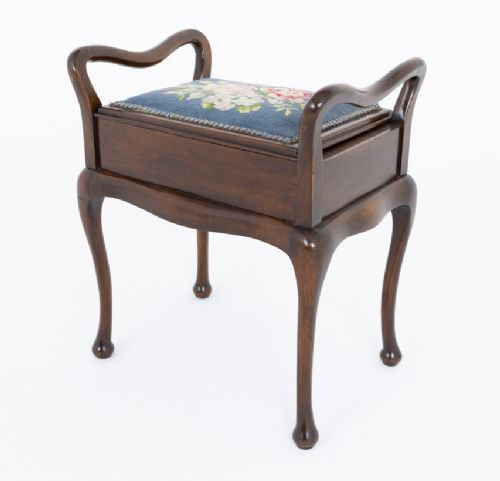
The edwardian tapestry seat encompasses a range of domestic forms, including piano stools, dressing stools, window seats, and armchairs produced around the early twentieth century. Buyers seeking this phrase frequently encounter mahogany or walnut frames paired with patterned textile upholstery.
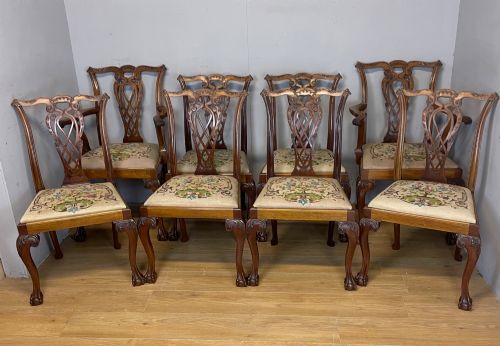
While many examples date from the Edwardian era itself, related pieces span from the late nineteenth century into the 1920s, incorporating Victorian influences alongside Georgian and Chippendale revivals. These items served functional roles in drawing rooms, boudoirs, and music rooms across British homes.
Materials and Construction
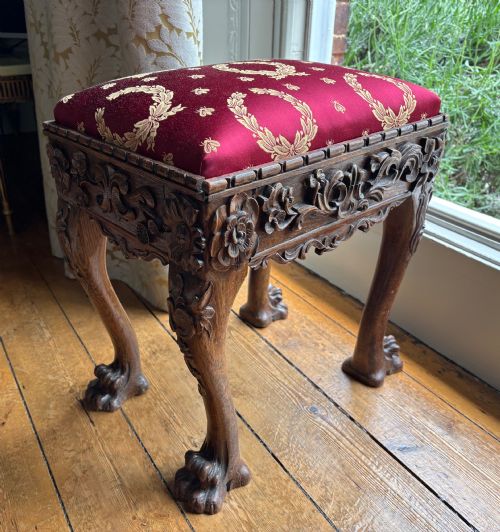
Frames are constructed primarily from hardwoods such as mahogany, walnut, oak, and beech, sometimes accented with brass or detailed inlay work. Artisans shaped these timbers into cabriole legs, straight supports, and lyre-backs depending on the prevailing style.
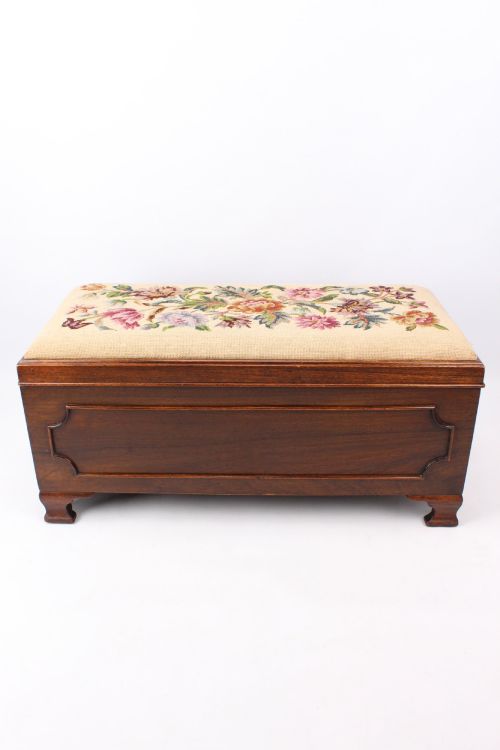
Upholstery relies on durable tapestry fabric, needlework, and textile coverings secured over padded seat foundations. Stools often incorporate internal storage compartments beneath the hinged tapestry seat.
Listings feature mahogany, walnut, oak, and beech paired with woven tapestry and textile upholstery across the Edwardian, Victorian, and Arts & Crafts periods.
Craftsmanship and Proportion
Quality rests in the precision of the timber carving, the tightness of the joinery in the frame, and the integrity of the wood grain. Refined pieces display crisp inlay, well-balanced proportions, and sturdy leg construction.
The textile work itself distinguishes finer examples, where dense needlework or detailed woven tapestry remains secure and evenly tensioned across the seat frame.
Warings·Liberty & Co·Jas Shoolbred
The Edwardian Tapestry Seat Glossary
- Tapestry
- A thick textile with a woven design, frequently utilised for durable upholstery on period stools and chairs.
- Piano stool
- A seat designed for use at a keyboard, often featuring an adjustable height mechanism or a hinged lid concealing sheet music storage.
- Chippendale revival
- A style popularised in the late nineteenth and early twentieth centuries, copying the mid-eighteenth-century designs of Thomas Chippendale with carved mahogany details.
- Window seat
- An elongated stool or bench scaled specifically to sit beneath a domestic window recess.
Edwardian Tapestry Seat: Frequently Asked Questions
Where were these seats placed?
These pieces were typically used in domestic reception rooms, bedrooms, and music rooms. Piano stools sat beside keyboards, while window seats occupied bay windows.
Smaller stools and chairs also served dressing tables and boudoirs as functional yet decorative accessories.
How do I identify an Edwardian piece?
Edwardian seating often displays lighter timbers such as mahogany with subtle inlay, drawing on Georgian and Sheraton design vocabularies. Proportions tend to be refined and less heavy than preceding Victorian iterations.
Construction methods from this era also rely on machine-assisted precision alongside traditional hand joinery.
Did these seats have storage?
Many piano stools and certain dressing stools from this period feature hinged seats that open to reveal internal compartments. These cavities were originally intended to hold sheet music or small grooming items.
Standard side chairs and armchairs, by contrast, remained fixed without storage capabilities.
How do I care for the tapestry?
Woven tapestry and needlework seats require gentle cleaning through regular light dusting or careful vacuuming with a low-suction brush attachment. Direct sunlight should be avoided to prevent the textile colours from fading over time.
Preserving the timber frame involves routine polishing with appropriate wax to maintain the finish of the mahogany or walnut.