
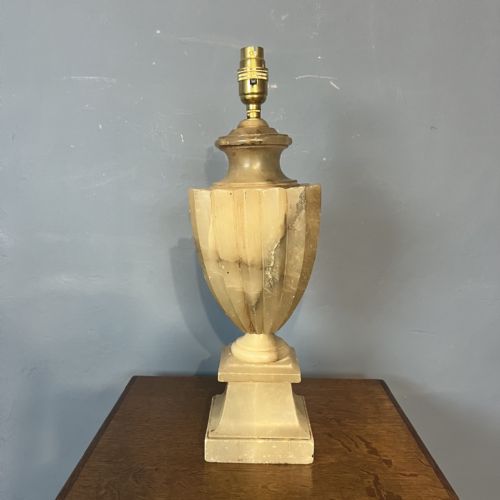
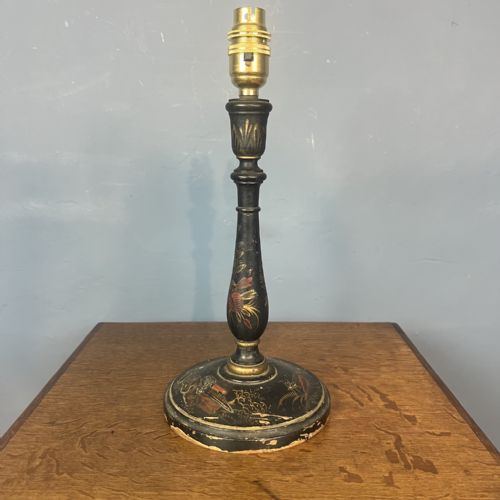
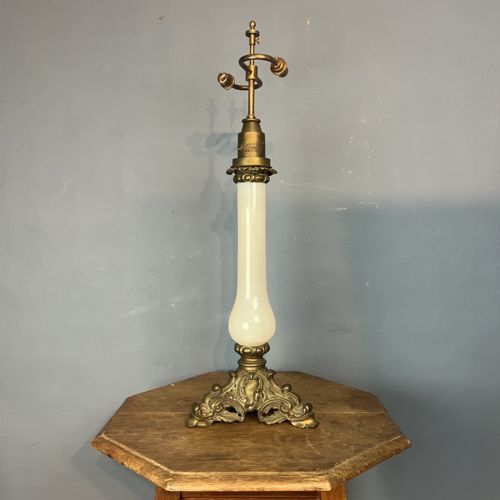
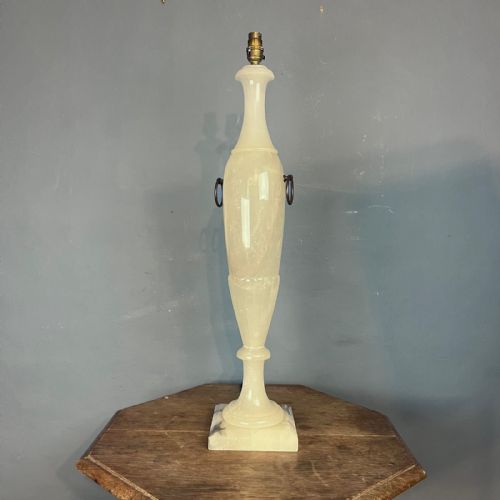
Edwardian Table Lamp Base
An edwardian table lamp base brings substantial weight and period character to a room, grounding the space with cast brass, silver plate, or rich timber.
Edwardian Table Lamp Base
An edwardian table lamp base provides a functional lighting platform shaped by the design priorities of the early twentieth century. When searching this phrase, a buyer encounters classical revival motifs, column forms, and converted oil lamps alongside occasional timber and ceramic bodies.
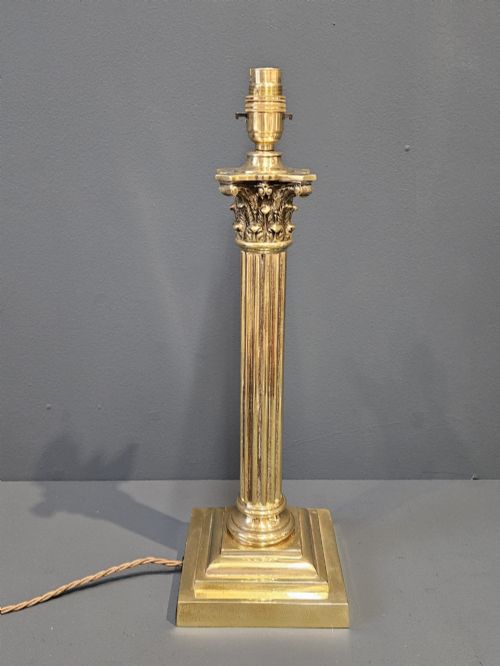
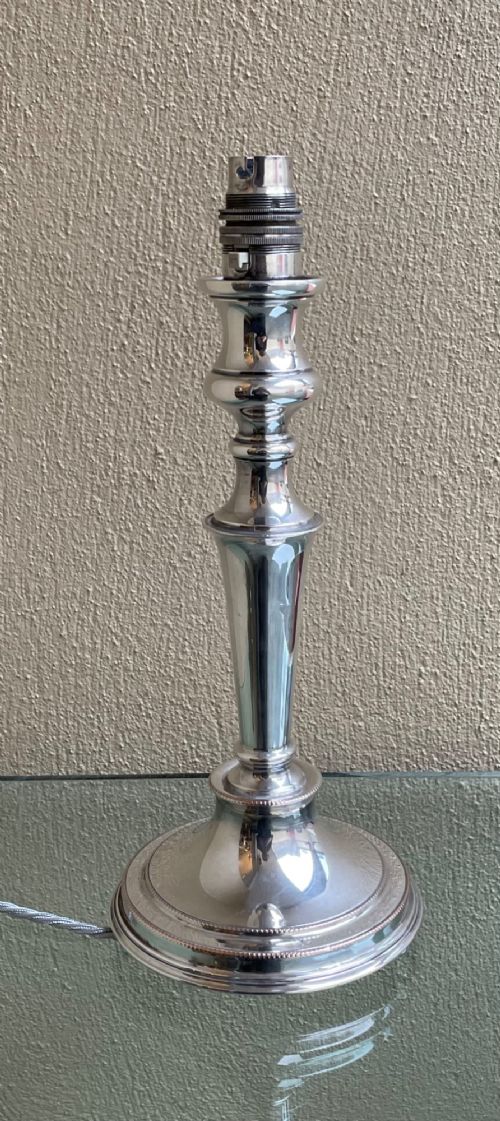
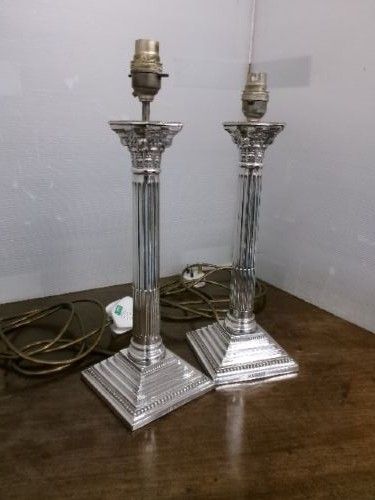
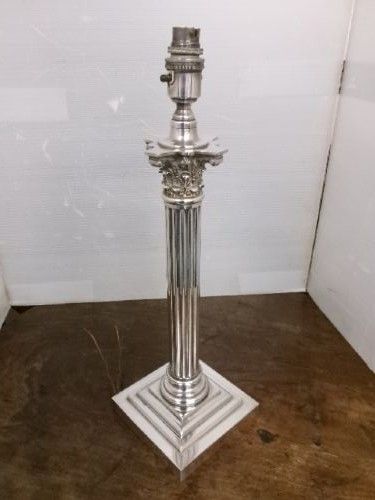
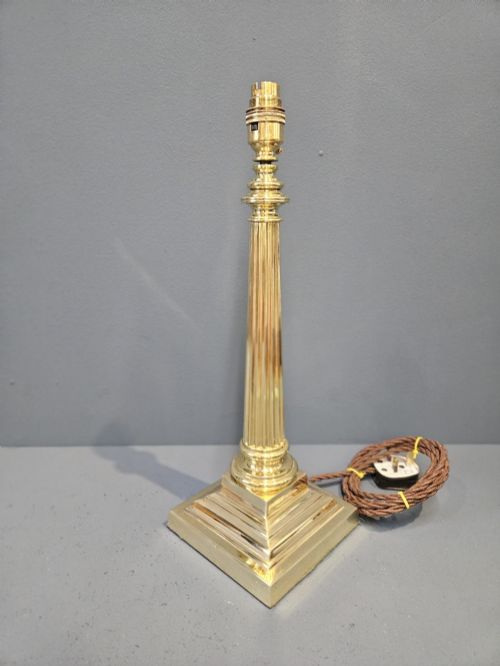
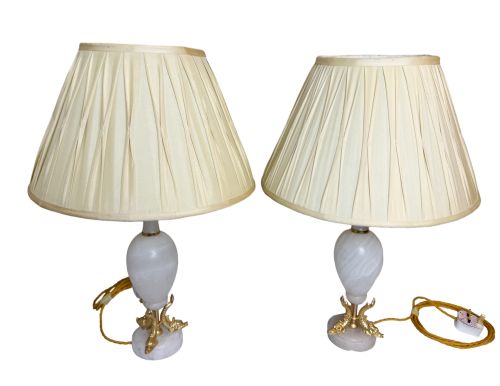
The objects stem predominantly from the Edwardian period and the surrounding decades, incorporating Victorian survivals and early twentieth-century interpretations. Brass Corinthian columns, silver-plated shafts, and onyx bodies with gilt bronze trim appear frequently across the selections.
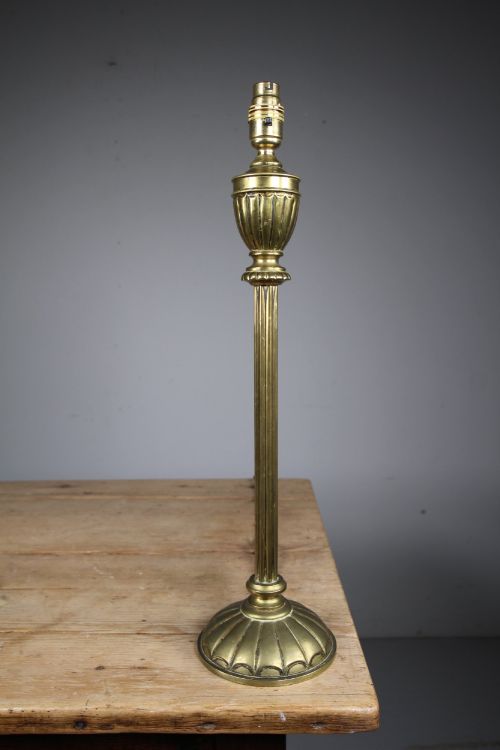
Most examples originate from British workshops or French makers, while occasional forms cross over with side tables and plant stands featuring dedicated lamp platforms. Buyers find everything from slender reeded columns to heavy cast metal bases adapted for modern illumination.
Materials and construction methods
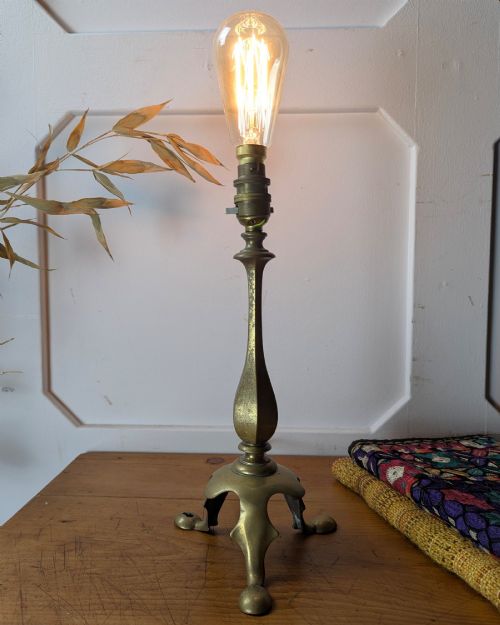
Metals dominate the construction, utilising solid brass, silver plate, and gilt bronze shaped through casting, turning, and spinning. Components are assembled with threaded rods or secured via weighted bases to support tall columns.
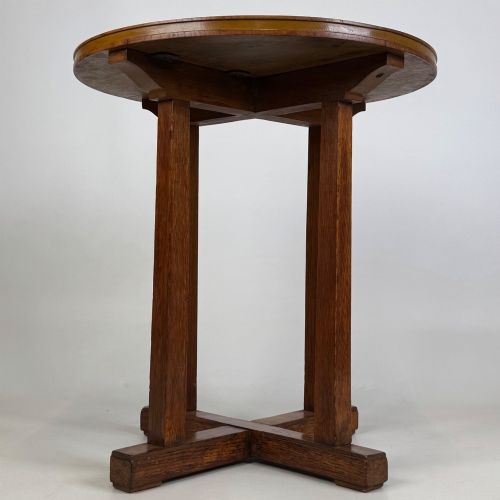
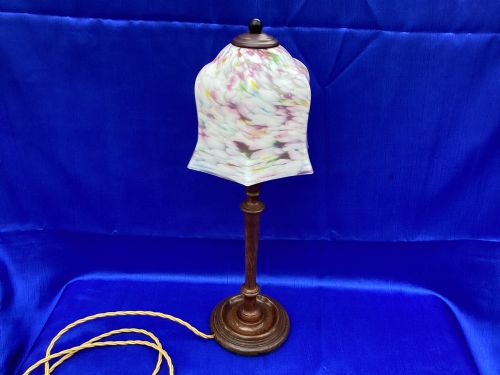
Natural materials provide texture and colour variety, with carved oak, limed oak, walnut, rosewood, and alabaster appearing alongside moulded crystal and opaline glass. Metal mounts and decorative collars secure these non-metal elements to internal weight plates.
An eagle and serpent battle for supremacy on one remarkably dramatic brass lamp base.
Distinctions in quality
Quality rests upon the crispness of the casting and the thickness of the metal or plating used throughout the body. Superior examples display sharp enrichment on column capitals, clean chasing on gilt bronze, and heavy, stable weight distribution.
Construction integrity separates standard production from finer workshop output, particularly in the precision of the joints and the quality of secondary mounts. Maker attribution and original patination further distinguish higher-tier pieces from simpler utilitarian conversions.
WAS Benson·Faraday & Sons·Mc Gary·Dugourc
The Edwardian Table Lamp Base Glossary
- Corinthian column
- A classical architectural column form featuring an ornate capital decorated with acanthus leaves, frequently utilised for tall brass and silver-plated lamp bases.
- Silver plate
- A thin layer of silver fused or electroplated onto a base metal such as copper or brass to give the appearance of solid silver.
- Onyx
- A banded variety of chalcedony prized for its translucent quality, often paired with gilt bronze trim in French lighting fixtures.
- Gilt bronze
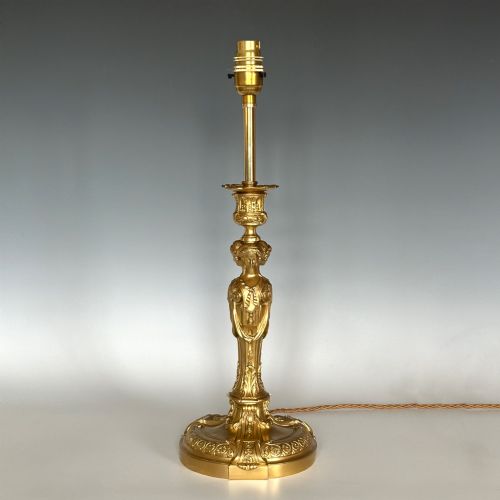
- Bronze that has been coated in a thin layer of gold or gold-coloured alloy, commonly referred to as ormolu in French pieces.
- Barley twist
- A spiral turning technique applied to wooden or metal shafts to create a dynamic sense of movement along the stem.
Edwardian Table Lamp Base: Frequently Asked Questions
What materials make up an edwardian table lamp base?
The construction relies heavily on metals such as brass, silver plate, and gilt bronze, often shaped into classical column or baluster profiles.
Other examples incorporate natural materials including oak, alabaster, onyx, crystal, and opaline glass to create varied textures and visual weight.
How do you date an edwardian table lamp base?
Dating relies on examining the manufacturing techniques, stylistic cues, and materials characteristic of the early twentieth century and surrounding decades.
Evidence shows a strong preference for classical revival motifs, such as Corinthian columns, alongside Arts and Crafts or early modern forms.
Were these bases originally made for electricity?
Many surviving examples began life as oil lamps or candlesticks before undergoing later conversion to house electrical fittings.
Dedicated electrical models also emerged during the early twentieth century alongside specialised furniture designed to incorporate lighting elements.
How do French and English bases differ?
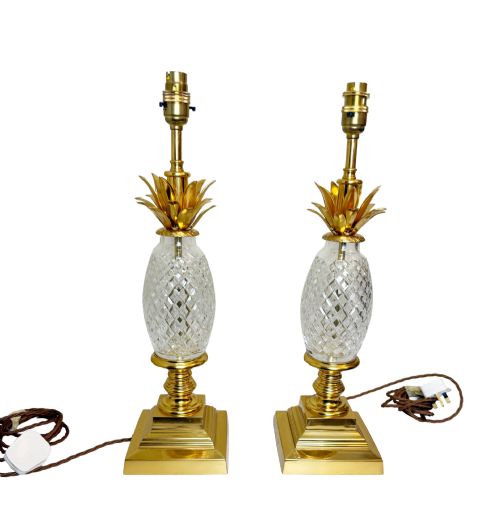
French examples from this era frequently combine onyx and crystal with gilt bronze trim or employ distinct decorative elements like pineapples.
English production tends to focus on brass Corinthian columns, silver-plated finishes, and oak or walnut turned timbers.