
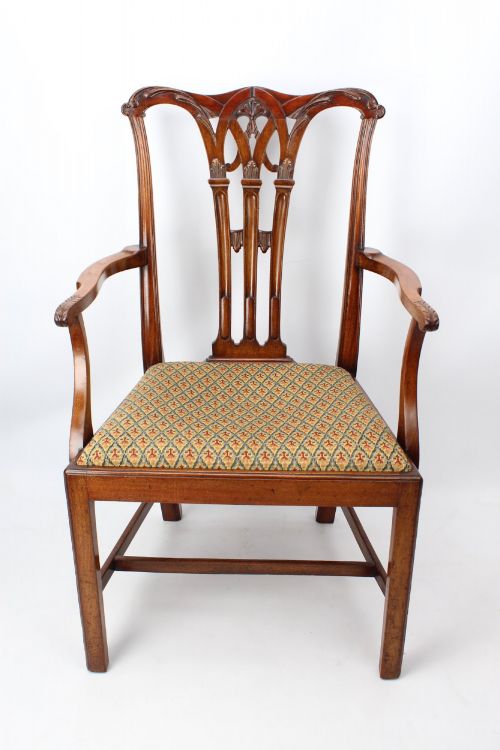


Edwardian Style Reading Chair
An edwardian style reading chair offers deep-sprung comfort and period upholstery, bringing traditional library seating into a modern room.
Edwardian Style Reading Chair
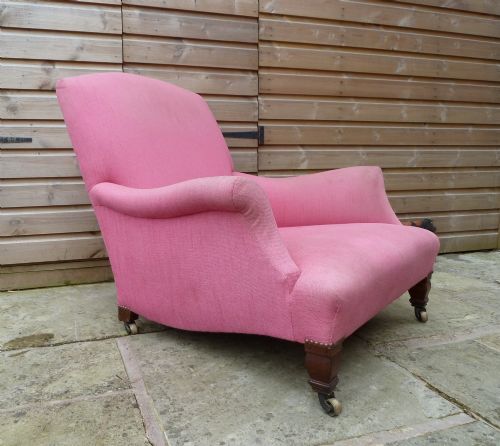
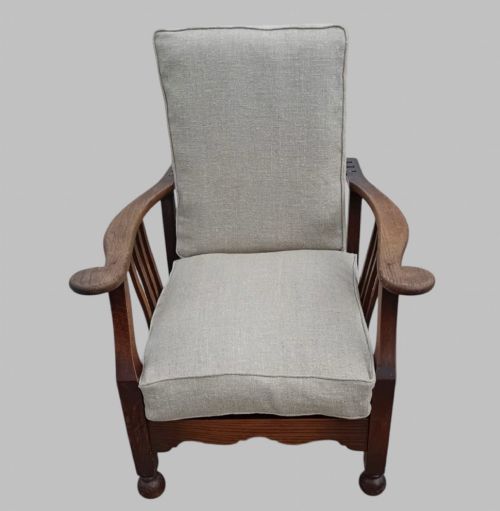
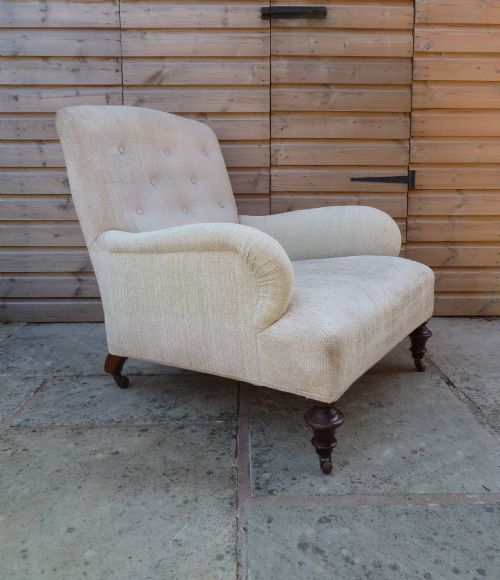
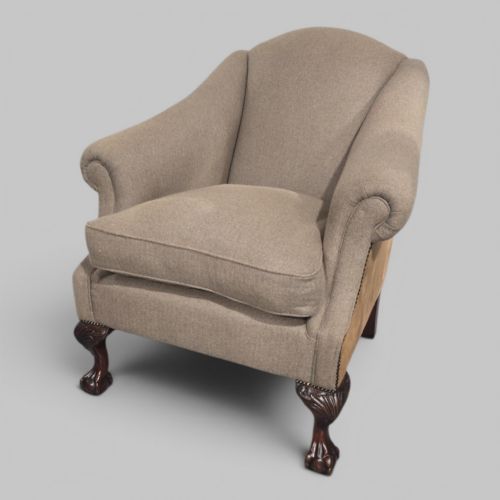
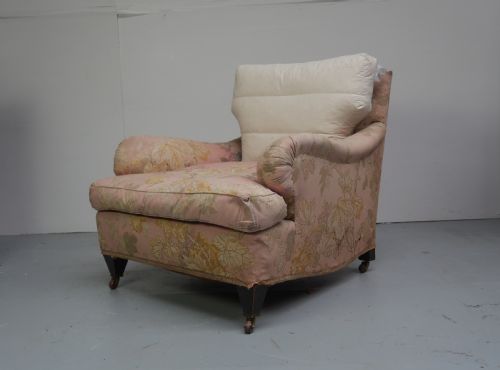
An edwardian style reading chair encompasses comfortable library armchairs, low club chairs, and ergonomic desk seating designed for prolonged sitting. These pieces draw on nineteenth-century proportions, featuring generous widths, supportive backs, and upholstered arms built for relaxation.
The selections available here lean heavily toward generous country house armchairs and compact tub or bergère forms. Many pieces reflect revival aesthetics, pairing traditional frames with velvet, leather, or printed linen coverings.
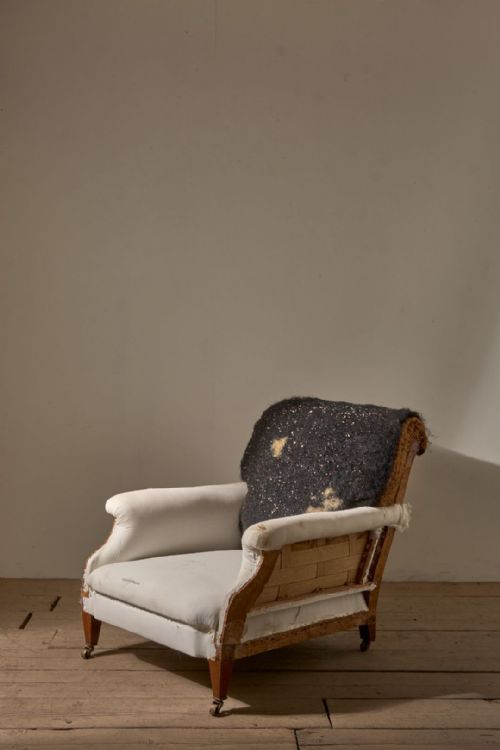
Makers and workshops of the period adapted earlier Georgian and Victorian blueprints, resulting in sturdy wooden frames hidden beneath heavy padding or exposed in polished mahogany and oak.
Materials and Construction
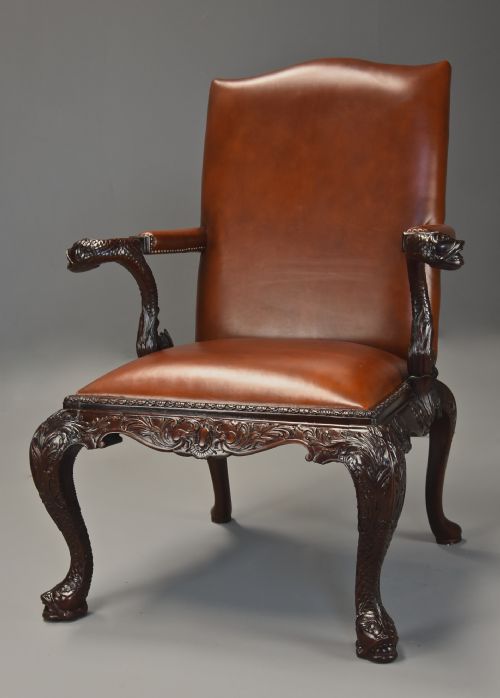
Frames rely on dense timbers such as mahogany, walnut, oak, and teak, jointed securely to support deep springing systems. Exposed woodwork often displays subtle hand-carving, blind fretwork, or turned sabre legs.
Upholstery relies on traditional stuffing materials held in place with Hessian webbing, topped with tactile coverings in hand-dyed leather, oxblood hide, velvet, and patterned cotton fabrics.
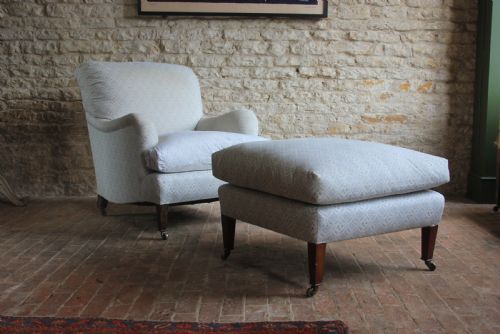
Several chairs arrive ready for reading with built-in writing slopes or matching footstools attached.
Judging Quality and Craftsmanship
Superior examples distinguish themselves through the integrity of their underlying frames and the resilience of their sprung upholstery. A heavy, rigid stance indicates robust joinery that withstands daily use.
The grade of the covering material and the precision of the hand-stitched finish set finer library chairs apart from standard commercial seating. Original leather patination or high-grade fabric choices reflect superior workshop output.
Howard and Sons·Robert Strahan·Gillows·Sopwith·Goodyers of London
The Edwardian Style Reading Chair Glossary
- Bergère
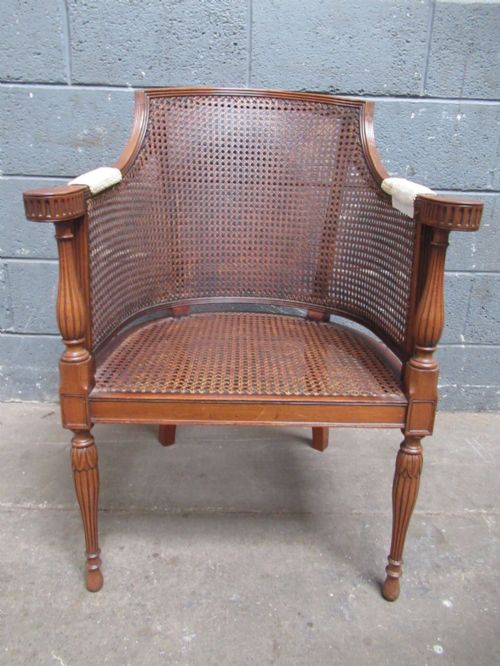
- An enclosed upholstered armchair with cane sides and back panels. This French-inspired form provides a lighter visual weight while maintaining structural rigidity.
- Gainsborough armchair
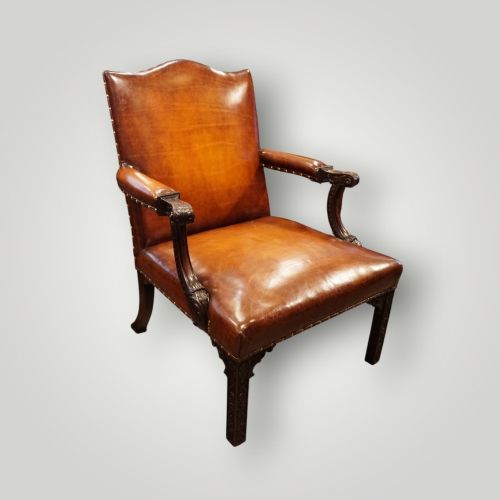
- A wide, low-seated open armchair with padded armrests, typically executed in mahogany. It was originally designed for writing desks and libraries during the eighteenth century.
- Club armchair
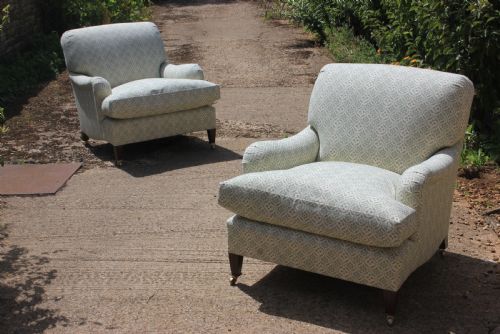
- A deep, heavily upholstered lounge chair designed for maximum comfort. These seats often feature low backs and sprung cushion seats covered in leather or heavy fabric.
- Tub chair
- An armchair with a continuous curved back and arms forming a single circular enclosure. This enclosed shape offers snug support for reading and writing.
- Wingback armchair
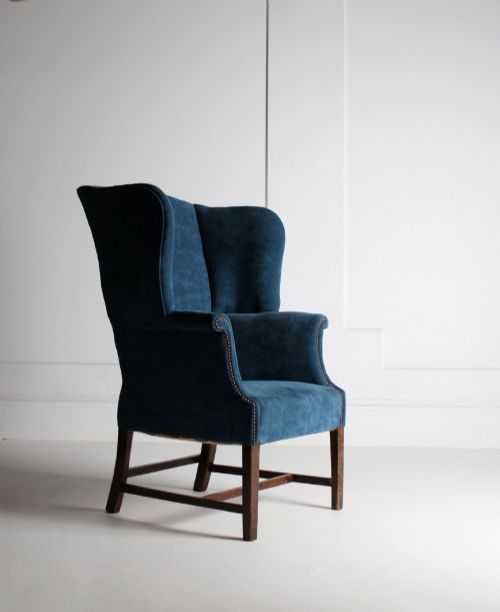
- A high-backed seat featuring protective side panels designed to deflect draughts. Early versions relied on heavy padding and deep upholstery for warmth.
Edwardian Style Reading Chair: Frequently Asked Questions
How do I identify an Edwardian reading chair?
Look for generous proportions combined with lighter woodwork than heavy Victorian equivalents. Edwardian pieces often utilise walnut or mahogany frames paired with subtle revival details.
Check underneath for traditional webbing and stapled or tacked hessian linings rather than modern synthetic straps.
Are these chairs comfortable for daily use?
Most library and club models are engineered specifically for long periods of sitting. Deep coil springs and padded arms provide substantial physical support.
Traditional stuffing materials conform to the body over time, though cushion firmness varies depending on past restoration work.
Where should I place a library chair?
These seats suit studies, living rooms, and bedrooms where deep seating is desirable. Their finished backs allow them to sit away from walls in open spaces.
Ensure adequate clearance around reclining or wingback variants to accommodate their full physical dimensions.
What is the difference between club and bergere chairs?
Club chairs rely entirely on heavy fabric or leather upholstery over deep padding for a soft exterior. Bergère chairs incorporate exposed wooden frames with woven cane panels on the sides.
Club models prioritise cushioned enclosure, whereas bergère variants offer a lighter, airier silhouette.