


Edwardian Still Life Artwork
Edwardian still life artwork brings floral and fruit compositions into a room through oil and watercolour paintings.
Edwardian Still Life Artwork
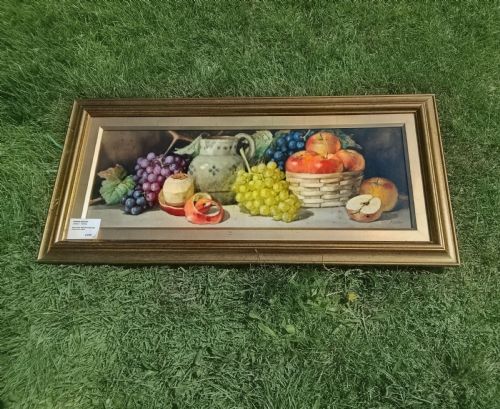
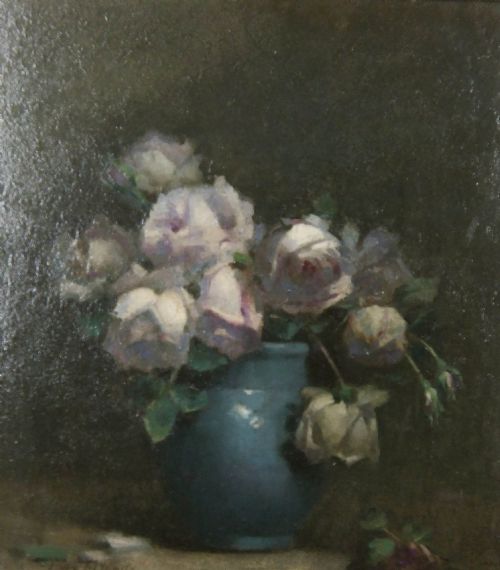
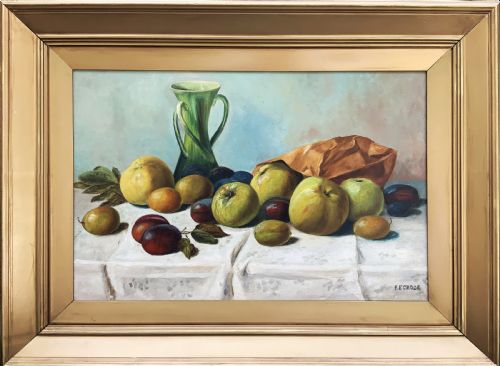
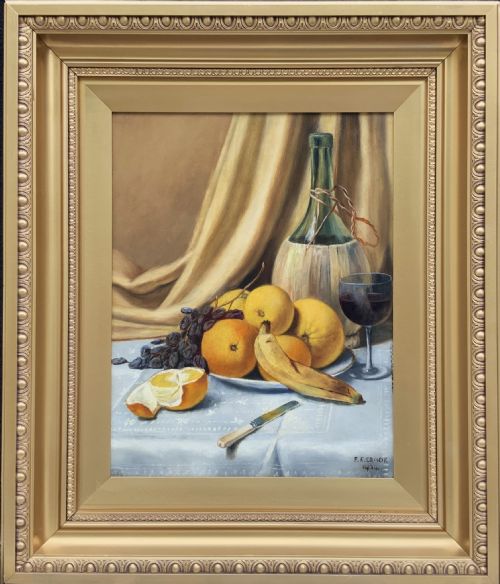
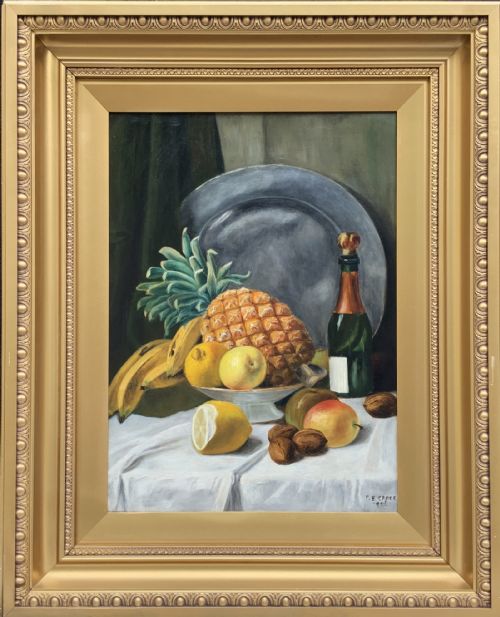
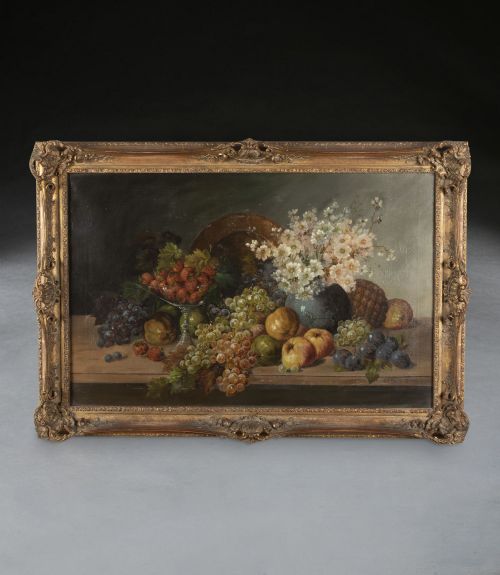
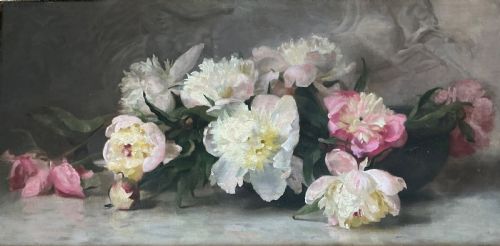
Edwardian still life artwork encompasses oil paintings and watercolours depicting floral subjects and fruit studies. These pieces capture the domestic focus on natural forms during the early twentieth century and surrounding decades.
The selection here draws primarily from the Edwardian era, alongside related nineteenth century examples and early twentieth century works. Painters of this period favoured detailed representations of roses, peonies, and autumn fruit.
Works appear on canvas, oil on board, and paper, frequently housed in gilt frames or gesso settings. Collectors encounter both signed originals and traditional watercolours from this period.
How they were made
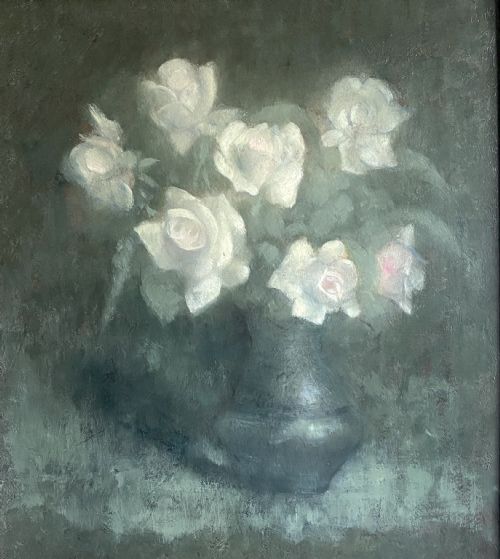
Artists painted these compositions using oil paint on canvas or board, and watercolours on paper. The application ranges from smooth academic finishes to visible brushwork associated with British Impressionism.
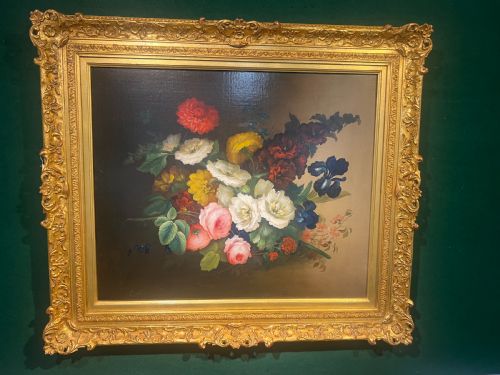
Frames play a structural role in the presentation, utilising wood, gesso, and gilt finishes to complement the painted surface. These materials reflect the standard workshop practices of framing and mounting during the early twentieth century.
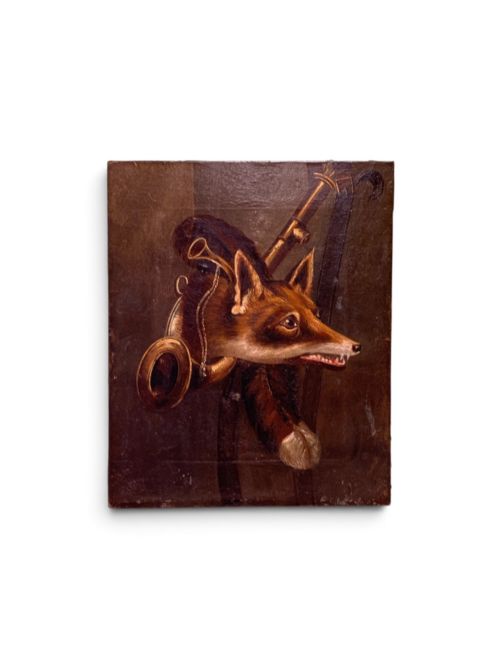
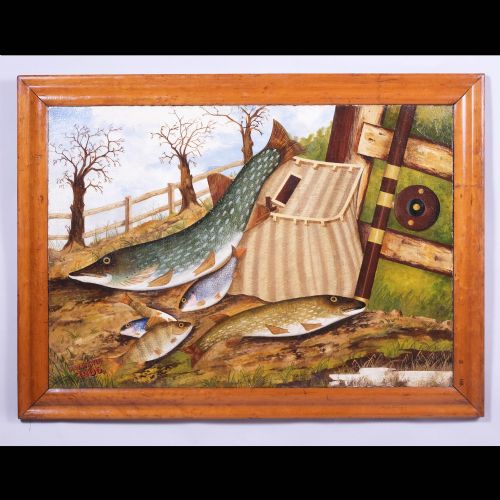
Several artists included unexpected wildlife alongside their florals, sliding a small fish or a curious fox right into the still life arrangement.
What varies in quality
Quality rests in the handling of light, colour harmony, and botanical accuracy within the composition. Stronger examples display deliberate control over tonal shifts across petals and fruit surfaces.
The integrity of the original support and the execution of the frame also distinguish individual pieces. Surviving works retain their surface tension and pigment stability without heavy later intervention.
Edwin Steele·Arthur Dudley·William Thomas Wood·Gertrude Hayes·Evelyn Chester·Lester Sutcliffe·Harry Davis·Willem E. Roelofs jr.·Elizabeth T. Sutcliffe·Alice Macallan Swan·Annie Mary Youngman·John Robertson Reid·Edith Alice Andrews·Ernest Higgins Rigg·Louisa Mary Bancroft
The Edwardian Still Life Artwork Glossary
- Gesso
- A plaster-like preparation applied to wood to create a smooth surface for gilding or painting. This material provides the ornamental relief on many period picture frames.
- Watercolour
- A paint consisting of pigment suspended in a water-soluble binder, used predominantly on paper supports. This medium creates translucent washes characteristic of botanical and still life studies.
- Oil on Canvas
- Pigment bound in an oil medium applied to a stretched woven fabric support. This combination offers durability and allows for rich colour depth in still life painting.
- Art Nouveau
- An international style of art and architecture prominent around the turn of the twentieth century. It is characterised by organic, flowing lines inspired by natural forms.
Edwardian Still Life Artwork: Frequently Asked Questions
How do I identify an Edwardian still life?
Look for subject matter focused on domestic floral arrangements or fruit studies executed in oil or watercolour. The clothing of the period or framing styles often help narrow the date.
Signatures and dates on the canvas or board provide direct confirmation of the painting period when legible.
Were these paintings always framed?
Most oil and watercolour works from this period received contemporary framing in wood or gilt gesso. Original frames contribute to the overall presentation and historical context.
Some works retain framer labels on the reverse which assist in dating the piece.
How should I care for an oil painting?
Keep paintings away from direct sunlight and dramatic fluctuations in temperature and humidity. Dust the surface gently with a soft, dry brush without applying pressure.
Avoid using water or cleaning solvents on the paint layer.
What is the difference between oil and watercolour?
Oil paint utilises a drying oil binder on canvas or board, allowing for thick impasto and rich colour blending. Watercolour uses a water-soluble binder on paper, creating translucent effects.
Watercolours require protective glass framing, whereas oil paintings remain exposed to the air.