


Edwardian Sterling Silver Salts
Edwardian sterling silver salts are elegant dining table accessories that bring period charm and refined craftsmanship to any setting.
Edwardian Sterling Silver Salts
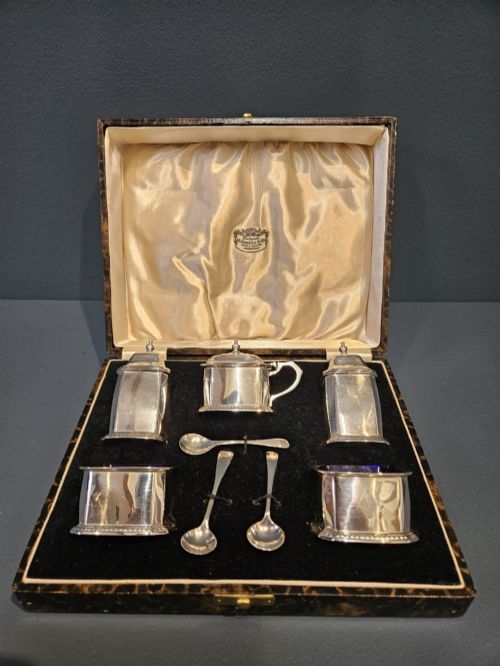
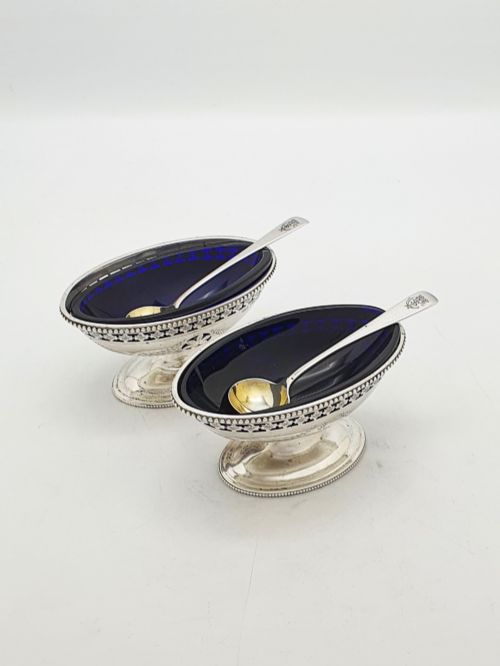
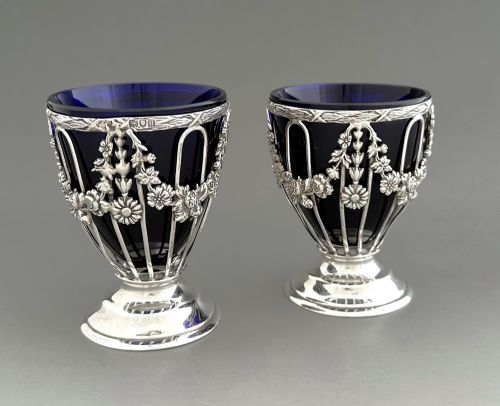
When you search for edwardian sterling silver salts, you encounter small open containers designed to hold table salt alongside dining settings. The examples most frequently met on this page include open salt cellars, often paired with matching spoons and fitted presentation cases.
These pieces frequently incorporate coloured glass inserts, such as cobalt liners, which contrast sharply with the pierced or solid silver exterior. Collectors also find related condiment pieces including pepper pots and mustard pots from the same era.
How they were made
Silversmiths utilised sterling silver alongside blown or moulded glass liners to create functional tableware. Techniques such as piercing, wirework, and casting formed the decorative bodies of the cellars and pots.
Fitted presentation cases often featured interior linings of silk, satin, or velvet to protect the polished metal and glass components during storage.
Listings feature sterling silver, glass, and velvet across Edwardian and Victorian forms.
What varies in quality
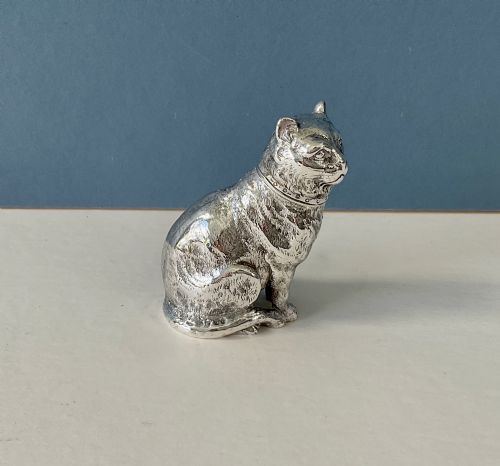
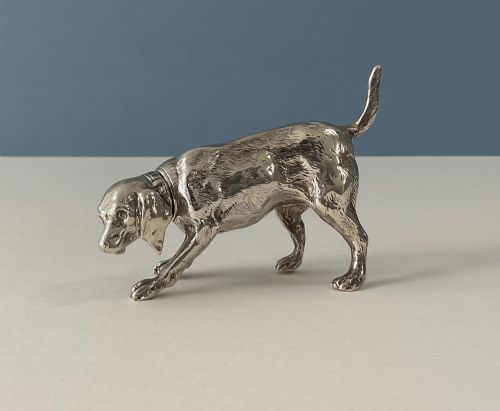
The distinction between standard items and superior examples lies in the complexity of the silversmith's work, such as fine wirework or cast figural details. Heavier gauge silver and complete sets with matching spoons and original fitted cases command greater appreciation.
The presence of undamaged, original coloured glass liners and clear hallmarks showing distinct maker marks further elevates the standing of an individual piece.
Goldsmith & Silversmith's·Bricks & Sons·G H James & Co·Sampson Mordan·Heath and Middleton
The Edwardian Sterling Silver Salts Glossary
- Sterling silver
- An alloy consisting of pure silver and other metals, typically copper, standardly marked to indicate its high silver content. This material forms the primary body of the tableware items found here.
- Cobalt glass
- A deep blue glass produced by adding cobalt oxide during manufacture. It is utilised for the removable liners placed inside open silver salt cellars.
- Wirework
- A decorative technique where thin strands of silver are soldered together into open, lattice-like patterns. This method appears on delicate condiment tubs from the period.
- Cruet set
- A matched group of small containers designed to hold various table condiments such as salt, pepper, and mustard. These sets often share a unified design or fitted case.
Edwardian Sterling Silver Salts: Frequently Asked Questions
How do I clean edwardian sterling silver salts?
Use a soft cloth and a specialised silver polish to remove tarnish gently without damaging the metal surface. Avoid harsh abrasives that can scratch the delicate details.
Take care to remove glass liners before cleaning so that moisture does not trap residue beneath the rims or damage any velvet case linings.
Are these salt cellars safe to use for dining?
Sterling silver and glass are generally stable for serving dry condiments during meals. Modern table salt should be emptied promptly after use to prevent prolonged chemical contact with the silver.
Ensure that any antique glass liners are free from chips before placing them into service on the dining table.
How do I identify an Edwardian piece?
Look for official hallmarks stamped on the silver, which include assay office symbols and date letters corresponding to the Edwardian era. Stylistic cues such as light wirework and neoclassical revival motifs also point to the period.
Comparing the form and case style with dated archive pieces helps confirm the specific decade of manufacture.
Why do some salts include glass liners?
Glass liners protect the sterling silver from the corrosive effects of salt over long periods of time. Coloured glass also provides a decorative visual contrast against pierced or open silver designs.
Original liners add completeness and authenticity to cased salt sets.