
Edwardian Sterling Silver Novelty
Edwardian sterling silver novelty items combine domestic utility with playful figural sculpture, capturing the eccentric imagination of early twentieth-century silversmiths.
Edwardian Sterling Silver Novelty
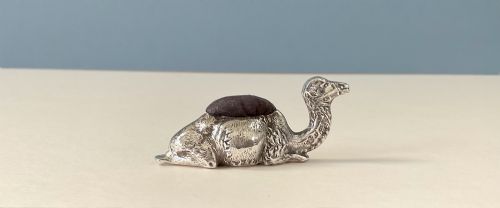
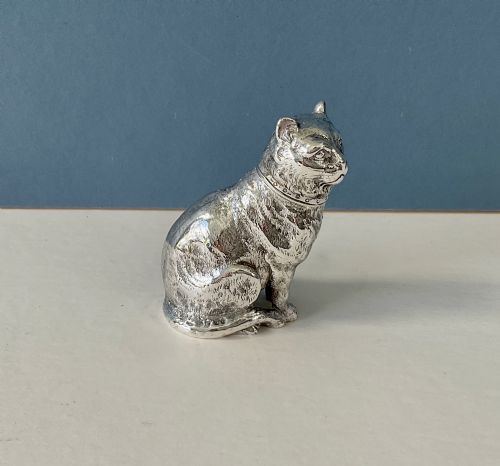
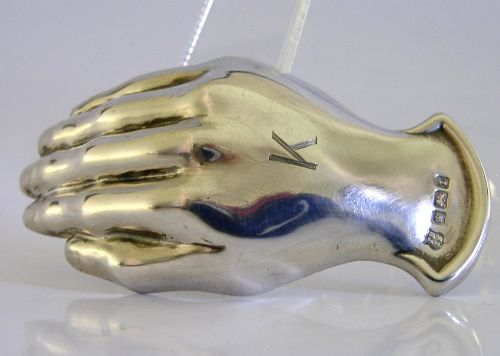
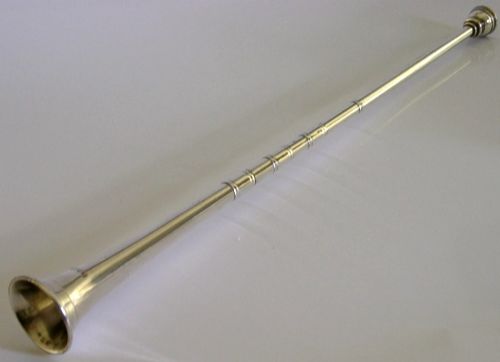
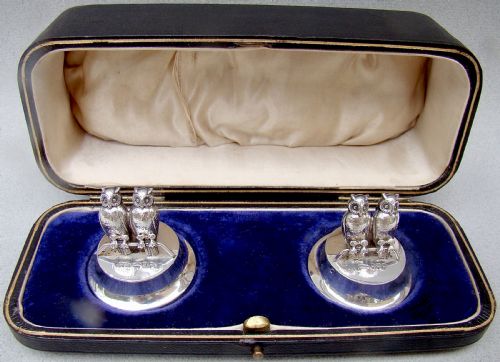
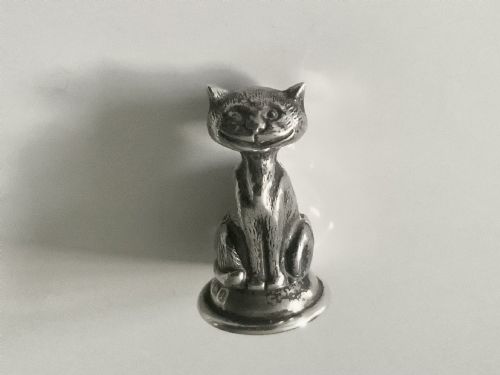
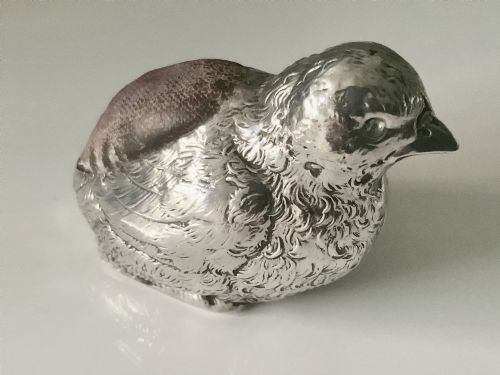
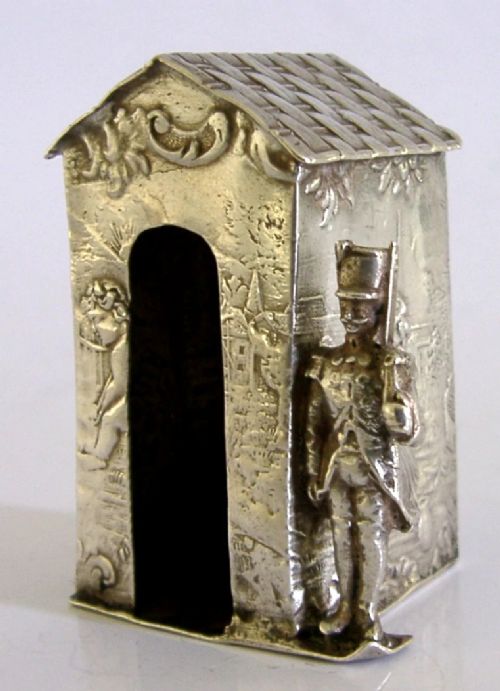
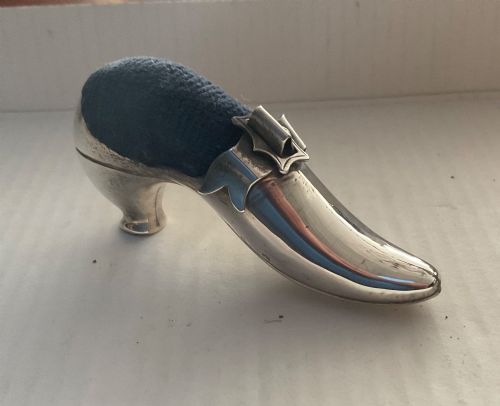
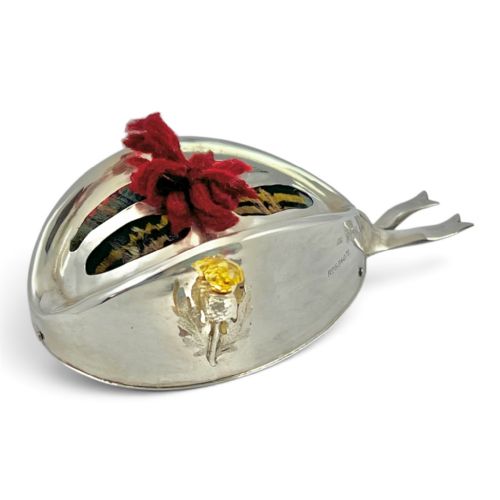
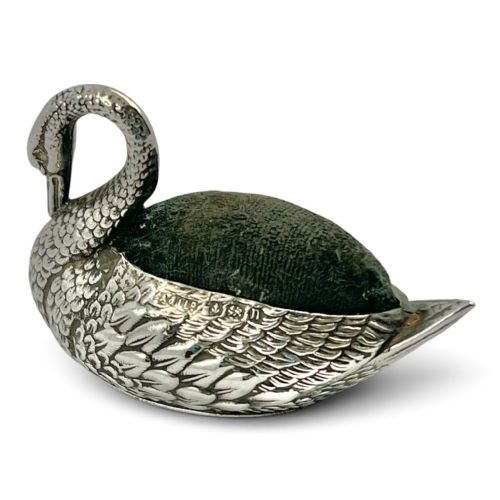
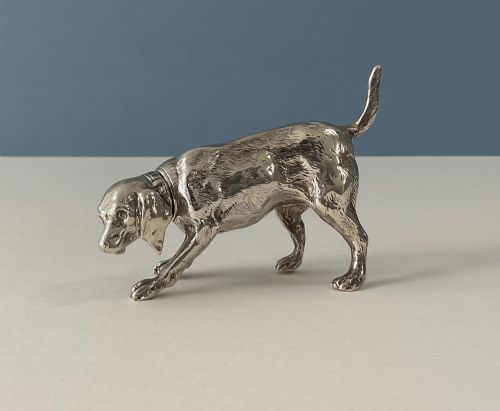
When searching for edwardian sterling silver novelty, collectors look at miniature silver items shaped as animals, birds, vehicles, and everyday objects that served a practical purpose on a desk or dressing table. The most frequently encountered pieces on this page are pin cushions modelled as animals such as pigs, bears, and birds, alongside miniature pepper pots, menu holders, and stamp cases.
These items were produced primarily during the Edwardian period and the surrounding decades of the late Victorian and George V eras. Workshops across Birmingham and London turned out these whimsical designs to satisfy a growing Victorian and Edwardian appetite for amusing desk accessories and sewing tools.
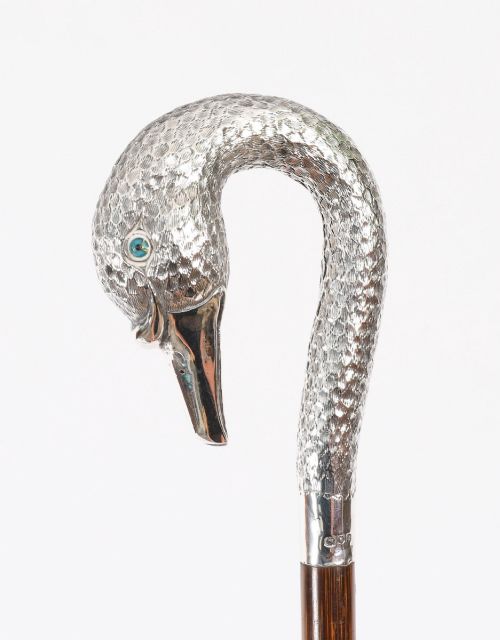
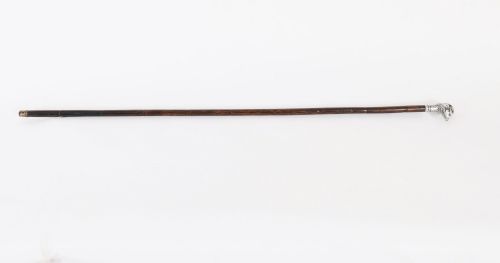
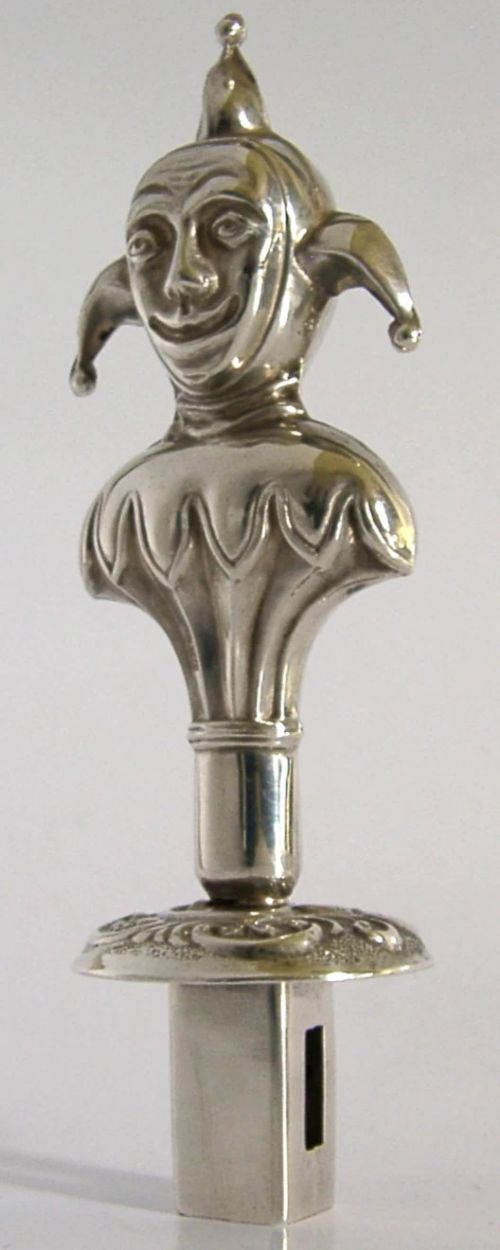
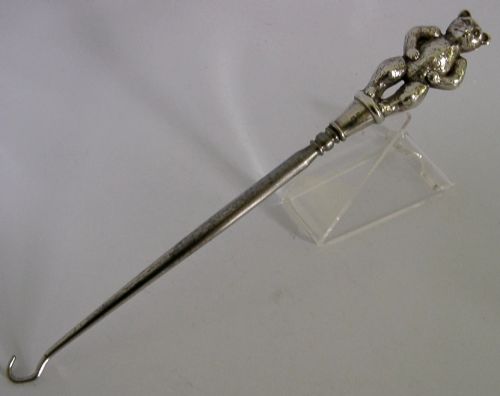
The form determines the function, transforming mundane items like mustard pots, thimble cases, and walking cane handles into sculptures of frogs, bulldogs, swans, and railway lamps. Each piece balances sculptural detail with functional utility, whether holding pins, mustard, stamps, or ink.
Materials and manufacture
The primary material is sterling silver, shaped through casting, stamping, and hand-chasing to render fine details like feathers, fur, and facial expressions. Manufacturers integrated contrasting elements such as velvet, silk, and fabric inside pin cushions, while glass, wood, leather, and steel appear in components like mustard pot liners, cane shafts, and button hook stems.
Specialised makers utilised die-stamping for mass-produced components and lost-wax casting for intricate figural sculptures of animals and jesters. Birmingham and London assay offices applied hallmarks, providing clear evidence of the city, year, and silver standard used in production.
A frog wearing a waistcoat or a metal monkey playing drums proves that Edwardian silversmiths took their miniature animals with a delightful pinch of salt.
Assessing quality and craftsmanship
The integrity of the original materials also defines the piece, particularly the preservation of the fitted velvet or silk within pin cushions and the clarity of the hallmarks stamped on the exterior surface. Maker attribution plays a significant role, as pieces bearing marks from renowned workshops command greater respect for their superior metalwork and design invention.
Sampson Mordan·Levi and Salaman·Adie and Lovekin·Crisford and Norris·William Hornby
The Edwardian Sterling Silver Novelty Glossary
- Hallmark
- Official marks stamped into silver items indicating the metal standard, assay office, and year of manufacture. These small punches are essential for dating and authenticating Edwardian silver.
- Chasing
- A metalsmithing technique where the silver is worked from the front with hammers and punches to sink the metal and create raised surface relief and fine texture.
- Novelty
- An object manufactured in an amusing or unusual shape that departs from traditional tableware or desk accessories while retaining a practical function.
- Pin Cushion
- A small domestic accessory filled with fabric or velvet to hold sewing pins, frequently encountered in this category moulded into whimsical animal shapes.
- Menu Holder
- A small weighted silver stand designed to display dinner menus or place cards on a dining table, often cast in figurative designs like animals or sporting motifs.
Edwardian Sterling Silver Novelty: Frequently Asked Questions
What were silver novelty items actually used for?
These pieces served practical domestic functions on dressing tables, desks, and dining rooms. Items like pin cushions, stamp cases, mustard pots, and menu holders combined utility with amusing sculptural designs.
Owners utilised them daily as functional accessories that doubled as conversation pieces in polite society.
How do I know if a piece is Edwardian?
Authenticating the period relies on reading the hallmarks stamped onto the silver surface. Birmingham and London office marks, combined with date letters, pinpoint the exact year of creation.
Stylistic cues such as the naturalistic animal forms and specific aesthetic preferences also align with the early twentieth-century timeline.
Why do some pin cushions have fabric inside?
The original velvet, silk, or fabric insert was designed to securely hold sewing pins and needles during needlework tasks. These textiles were fitted directly into the hollow silver body of animals like pigs, bears, and birds.
Survival of the original fabric in good condition adds to the historical integrity of the piece.
Are all novelty pieces made in England?
While the majority of pieces originate from English workshops in Birmingham and London, continental makers also exported similar novelty silver to the British market. Marks indicating foreign manufacture or specific import sponsors appear on items like Hanau silver figures.
English provincial and capital hallmarks remain the most common markers found on these items.