


Edwardian Sterling Silver Jar
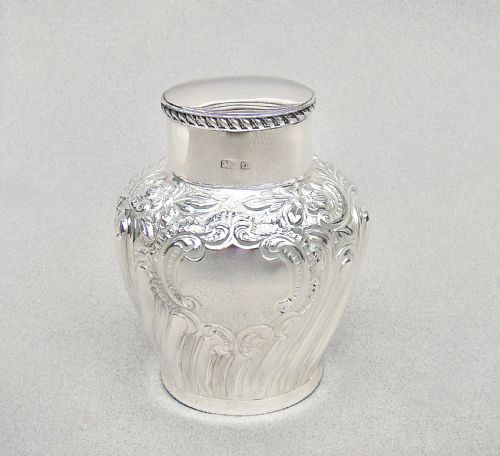
These pieces of edwardian sterling silver jar encompass dressing table boxes, tea caddies, and scent bottles that bring refined storage to a room.
Edwardian Sterling Silver Jar
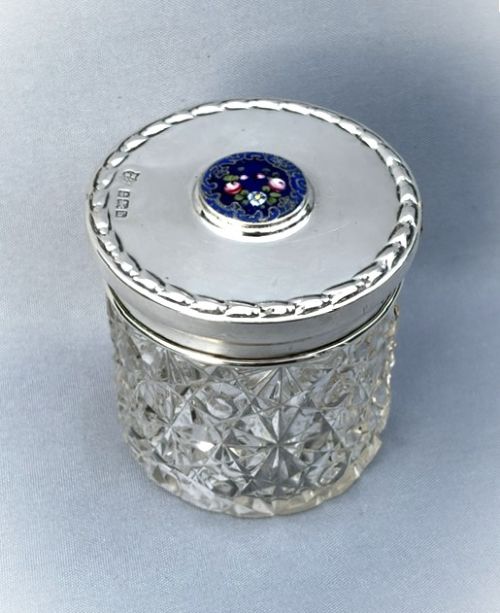
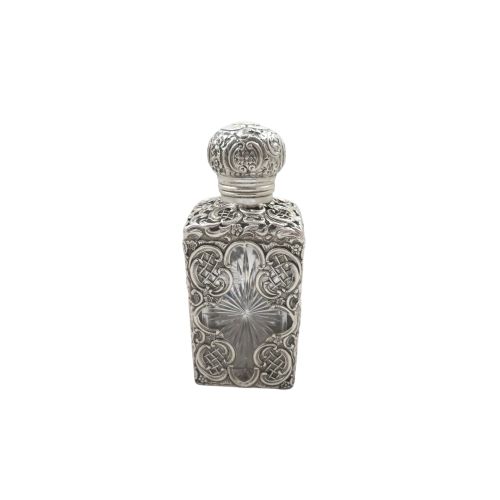
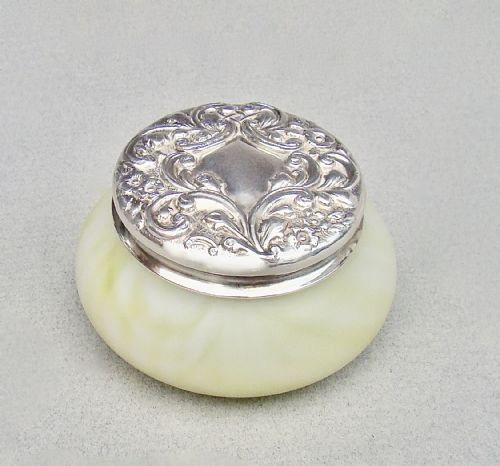
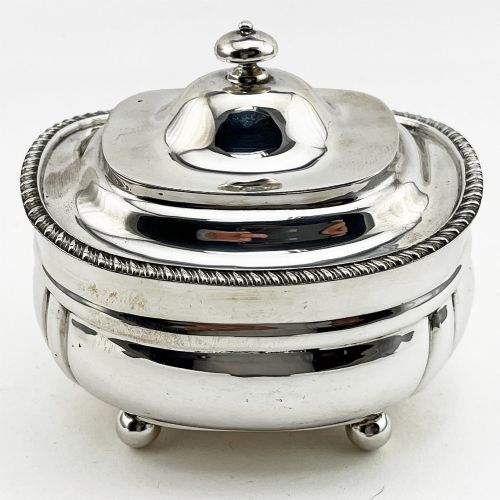
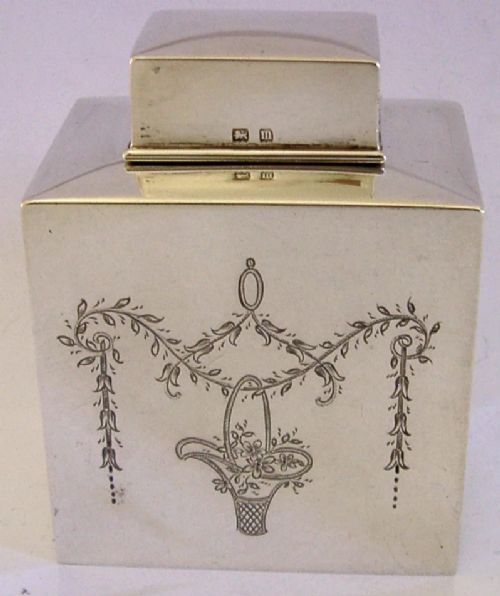
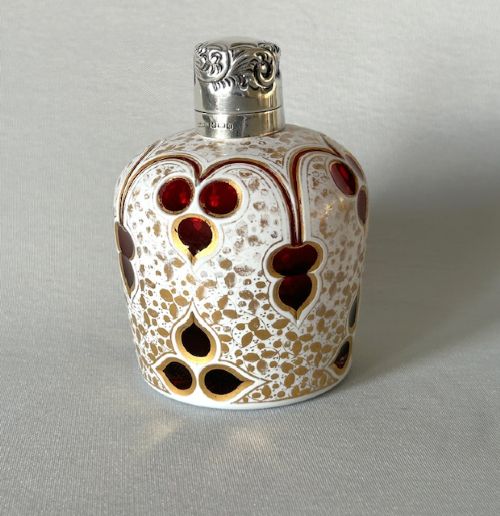
An edwardian sterling silver jar encompasses a diverse array of vanity items, scent bottles, trinket boxes, and tea caddies designed for domestic use. The most common examples met in these collections pair heavy sterling silver lids or mounts with cut glass, crystal, or coloured glass bodies.
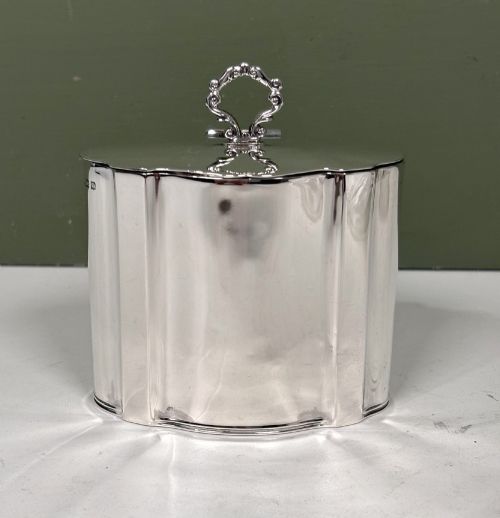
The forms span from compact dressing table jars to larger biscuit barrels and tea caddies shaped during the early twentieth century. Many incorporate hinged or lift-off silver lids stamped with hallmarks detailing their Birmingham, Sheffield, or London origins.
Pieces frequently reflect the shifting aesthetic tastes of their time, moving from ornate Victorian styles and Edwardian floral motifs into the clean geometric lines of Art Deco and the hand-wrought surfaces of the Arts and Crafts movement.
Materials and construction
Makers combined solid sterling silver with blown, moulded, and deeply cut glass or crystal to create functional vessels for the dressing table and tea room. Glass bodies were frequently wheel-cut or overlaid, then fitted with custom silver collars and pierced lids.
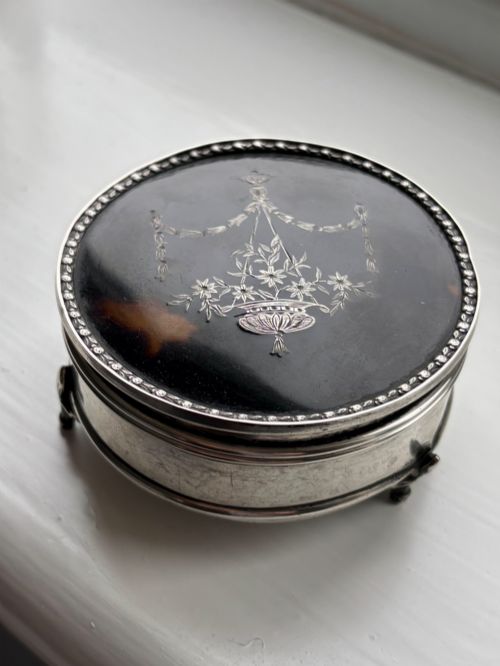
Silver components were shaped through spinning, stamping, or hand-hammering, often finished with repousse decoration, enamel panels, or faux tortoiseshell inserts. Craftsmen applied spot-hammering and linear chasing to achieve the textured surfaces characteristic of the period's workshops.
Among the dressing accessories hide whimsical details like duck-shaped pin cushions perched atop silver-mounted jars.
Distinguishing quality across pieces
Quality rests in the weight of the sterling silver mounts, the depth and crispness of the chasing or repousse work, and the clarity of the glass bodies. Thicker silver plate and substantial cut crystal command attention through their durability and substantial feel in the hand.
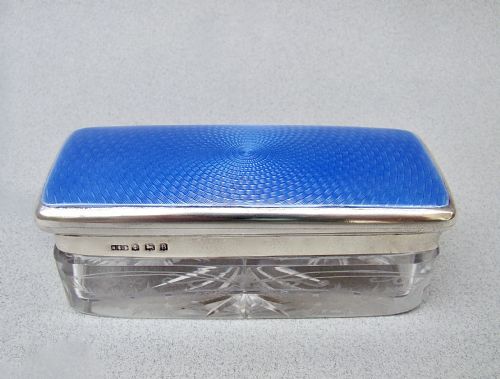
The presence of specialised ornamentation, such as hand-applied guilloche enamel, tortoiseshell panels, or distinctive hammered surfaces by recognised makers, elevates an object from standard utility to skilled craftsmanship.
Ollivant and Botsford·Charles Edwards·Henry Clifford Davis·Goldsmiths and Silversmiths Company·A. Bromet and Co·Thomas Hayes·Zimmermann·Hasset and Harper·Nathan and Hayes·Barnsley and Co·Omar Ramsden·Henry Matthews
The Edwardian Sterling Silver Jar Glossary
- Sterling silver
- A silver alloy containing 92.5 percent pure silver and 7.5 percent other metals, usually copper, chosen for strength and lustre. It is the standard metal used for the lids and mounts seen on these jars.
- Guilloche enamel
- Decorative enamel technique where a precise pattern is mechanically engraved beneath translucent enamel paint. It appears frequently on the lids of dressing table boxes and vanity jars.
- Repousse
- Metalworking method where the design is hammered into relief from the reverse side of the silver. This technique creates raised floral or scroll motifs on the lids and bodies of antique boxes.
- Cut crystal
- High-clarity glass containing lead oxide, cut with sharp facets to refract light. It forms the heavy, sparkling body of many Edwardian scent bottles and vanity jars.
- Hallmark
- Official stamp applied to precious metals indicating the standard of purity, the assay office, and the year of testing. These marks provide definitive evidence of a piece's age and origin.
Edwardian Sterling Silver Jar: Frequently Asked Questions
What were sterling silver jars used for originally?
These vessels served practical domestic roles on dressing tables, sideboards, and tea tables. Vanity jars and scent bottles held perfumes, powders, and cosmetics, while tea caddies and biscuit barrels stored dry goods.
Their metal mounts protected the contents while adding an ornamental gleam to the room. Wealthy households displayed them as part of matching dressing table sets or tea service equipment.
How do I care for silver and glass jars?
Maintain the metal mounts by gently wiping them with a soft, dry microfibre cloth to remove dust and oils. Avoid harsh chemical dips that strip away the natural patina accumulated over the decades.
Wash glass and crystal bodies separately with mild soapy water, taking care not to submerge glued or delicate silver-mounted collars. Ensure all components are completely dry before reassembly.
How can I tell the date of a silver jar?
Examine the hallmarks stamped directly onto the silver lid, collar, or mount. These tiny struck symbols include a date letter corresponding to the exact year the piece was assayed.
Stylistic markers also help narrow down the period, such as the flowing organic curves of Art Nouveau or the sharp geometric angles typical of Art Deco designs.
Are glass bodies always original to the silver lids?
Most pieces retain their original factory-paired glass and silver components, shaped together to ensure a flush fit. The collar of the silver lid is often moulded directly to the contours of the glass rim.
Examining the wear patterns around the collar and checking for matching hallmarks on associated inner rims helps confirm that the parts belong together.