
Edwardian Standing Display Cabinet
An edwardian standing display cabinet brings glazed elegance and refined timberwork to a room, designed to showcase treasured possessions with discretion and style.
Edwardian Standing Display Cabinet
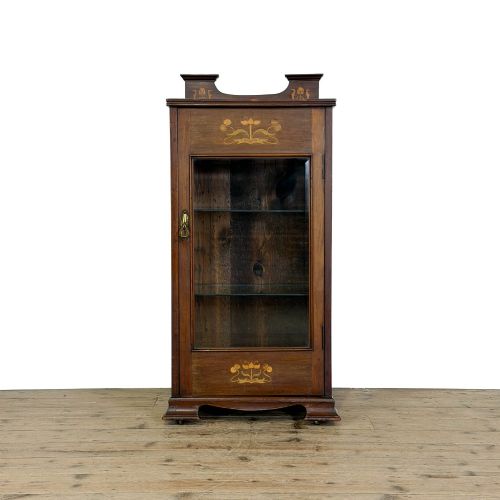
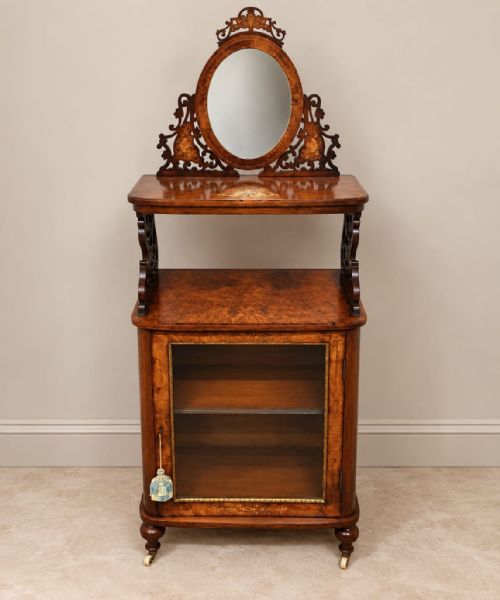
When searching for an edwardian standing display cabinet, a buyer encounters upright freestanding furniture designed primarily to exhibit porcelain, glassware and curiosities behind protective glass doors. The pieces span from the late Victorian period through the Edwardian era into the early twentieth century, reflecting the tastes of households desiring dedicated display space.
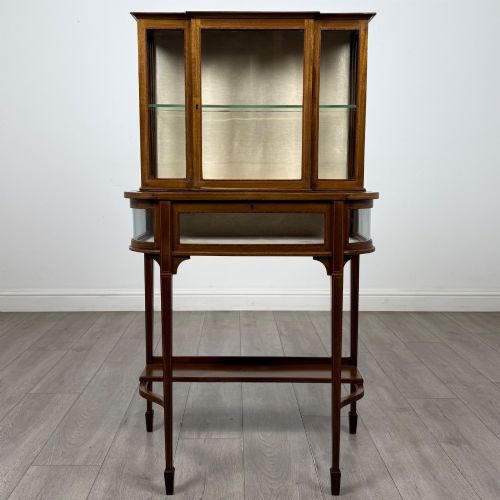
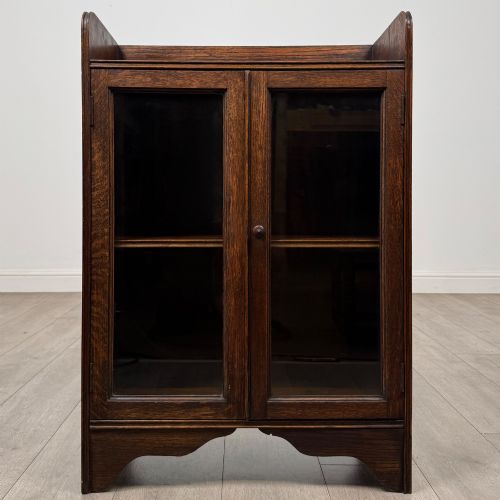
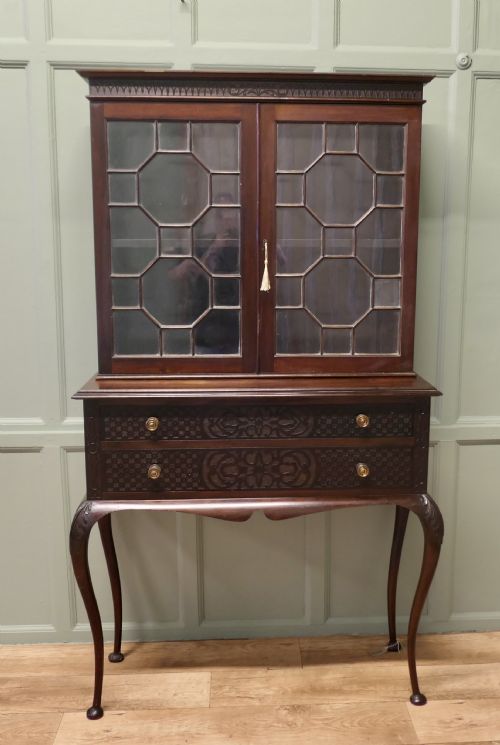
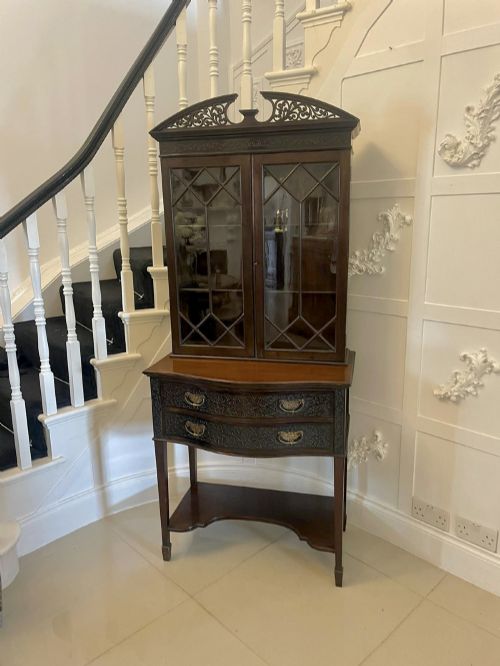
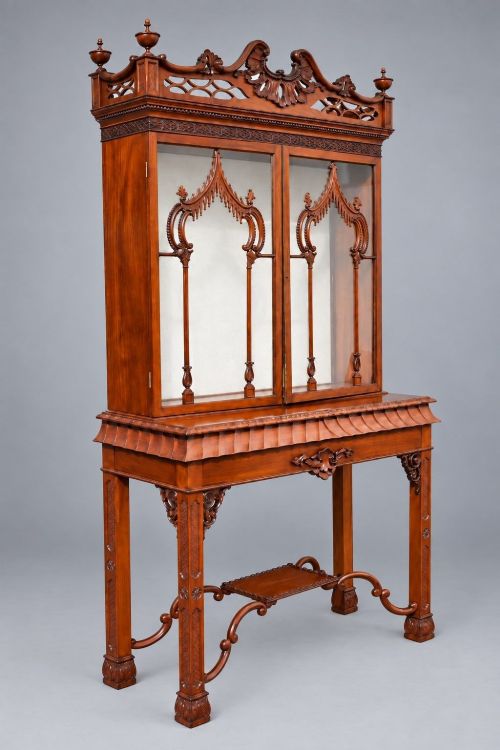
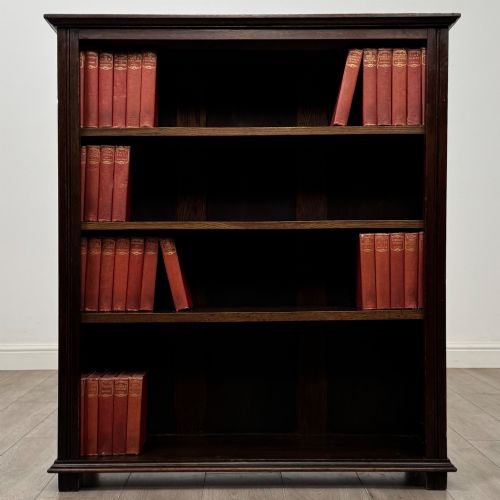
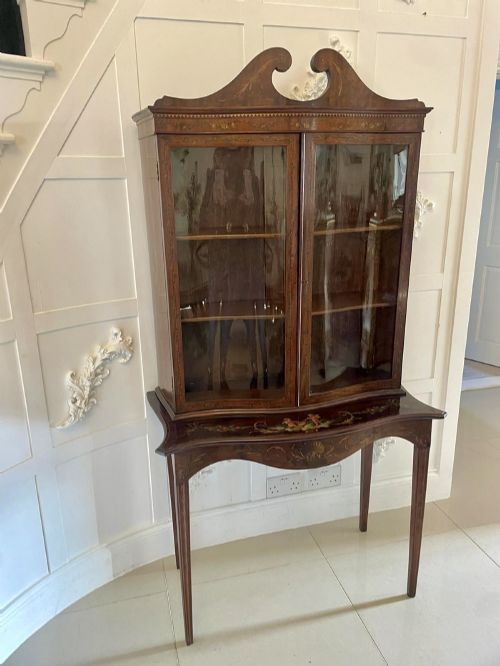
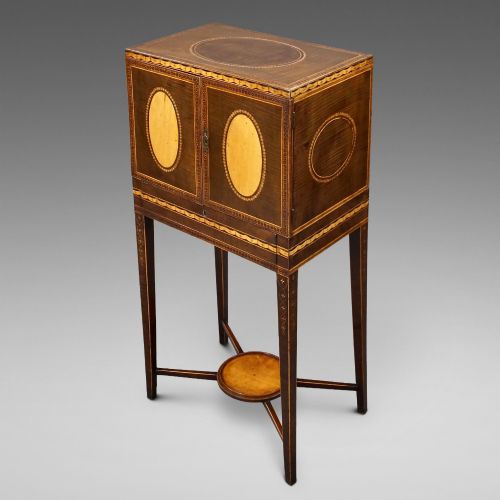
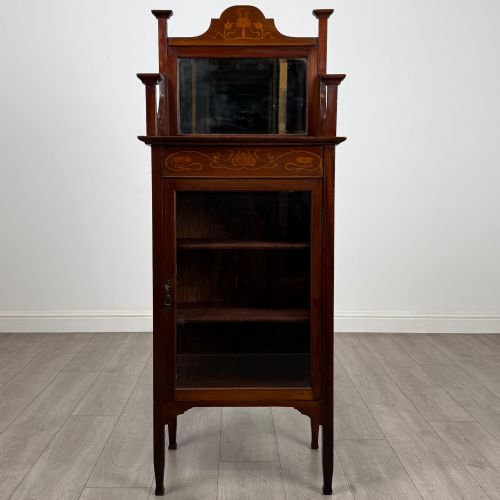
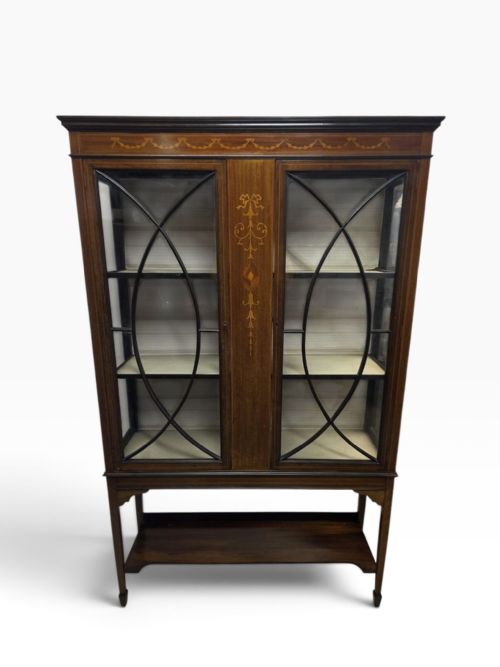
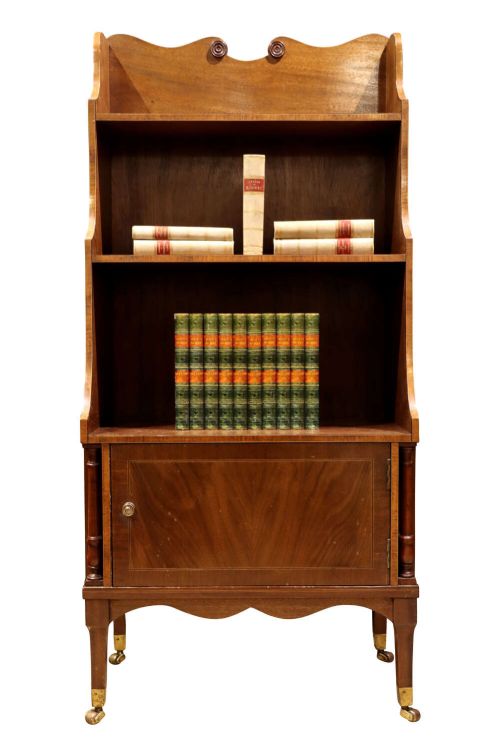
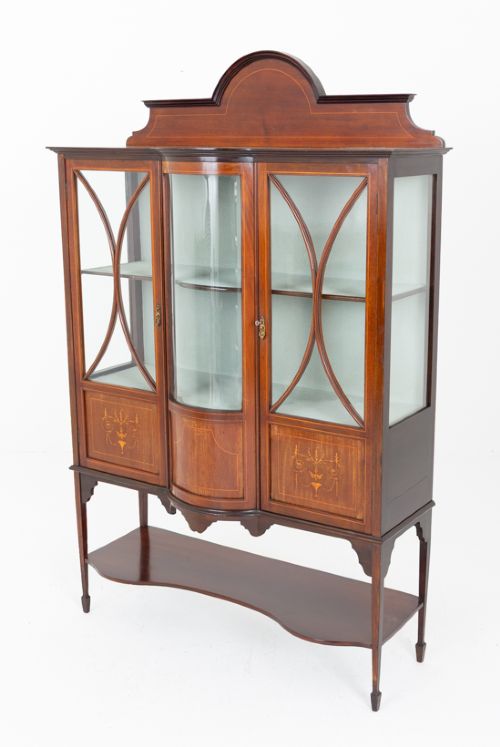
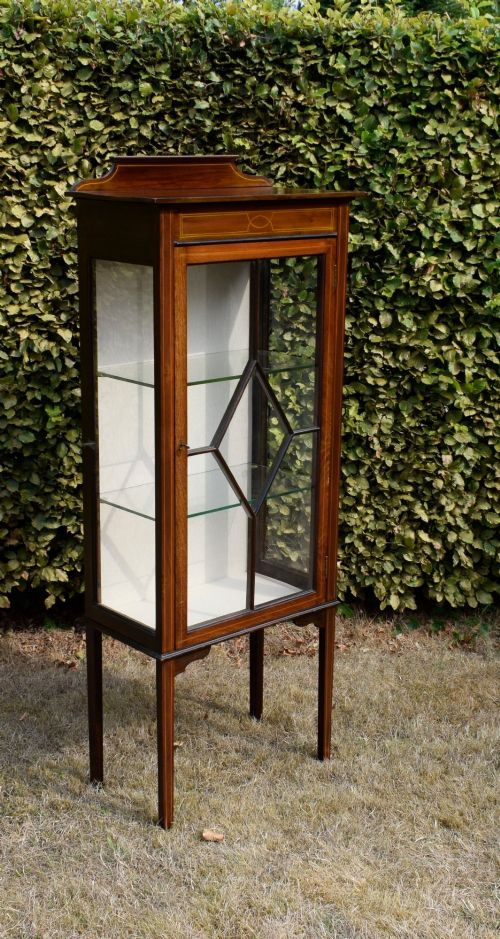
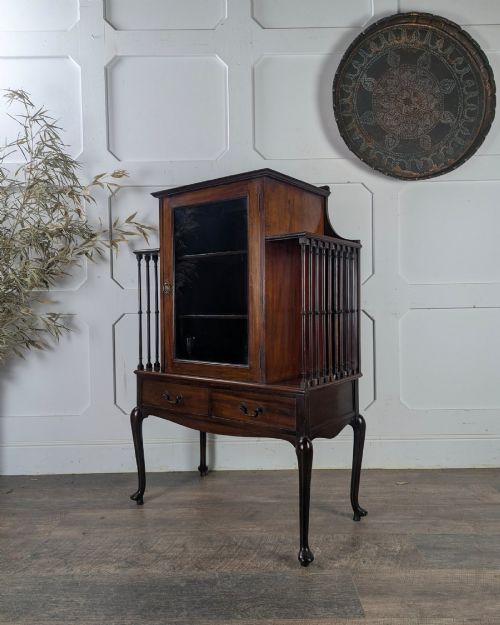
The most common form met on this page is the mahogany cabinet featuring delicate satinwood inlay, often constructed with glazed upper doors and standing on slender legs or brass castors. Variations include corner cabinets, side cabinets and occasional bookcases, drawing on revival styles such as Sheraton, Chinese Chippendale and Queen Anne alongside Art Nouveau and Arts and Crafts influences.
Makers and retailers of the period, including established London firms, produced these cabinets in various timbers such as oak, walnut and figured mahogany. Each piece serves the dual purpose of organising interior spaces while offering a formal visual focal point within a domestic setting.
Materials and construction methods
Cabinets of this era rely heavily on solid mahogany and oak frameworks veneered with figured timbers such as satinwood, harewood and walnut to create decorative front surfaces. These wood selections are frequently enhanced with contrasting boxwood stringing, marquetry inlay and painted decoration.
Glazing techniques involve leaded or wooden astragal bars framing individual glass panes, allowing maximum light to reach the interior shelves. Brass hardware, including hinges, key escutcheons and castors, finishes the construction, securing the doors and facilitating movement across floors.
Listings feature timbers ranging from standard mahogany and oak to exotic satinwood and bamboo.
Distinctions in quality
Quality in these cabinets rests upon the choice of timber veneers, the precision of the inlay work and the structural integrity of the glazing bars. Superior examples display finely figured grain patterns and hand-cut marquetry rather than printed or stamped substitutes.
The sophistication of the internal fittings, such as adjustable wooden shelves and original fabric linings, also separates standard production from finer workshop pieces. Better specimens retain original brass castors, functioning locks with matching keys and hand-carved mouldings.
Maple and Co·Liberty and Co·Edwards and Roberts·Leonard Wyburd
The Edwardian Standing Display Cabinet Glossary
- Astragal glazed
- A method of framing glass panes with slender wooden mouldings that divide the door into geometric or curved sections.
- Marquetry
- Decorative veneer work arranged in intricate pictorial or geometric patterns using various coloured woods.
- Satinwood inlay
- Contrasting light-coloured timber inserted into the primary wood surface to create crisp decorative borders.
- Pedestal display cabinet
- A tall, narrow freestanding cabinet designed to elevate objects to eye level within a compact footprint.
Edwardian Standing Display Cabinet: Frequently Asked Questions
Where were these cabinets placed?
These pieces traditionally occupied prominent drawing rooms or parlours where guests gathered, serving as focal points for conversation and display.
Corner versions utilised awkward angles in smaller reception rooms, maximising floor space while keeping family treasures visible.
How do I care for the wood?
Maintain the finish by applying natural beeswax sparingly and buffing with a soft cloth to preserve the natural lustre of the mahogany or oak.
Keep the cabinet away from direct sunlight and temperature fluctuations to prevent the timber veneers from drying out or splitting.
Are the shelves adjustable?
Many examples feature adjustable wooden shelving supported by traditional rack-and-pinion systems or wooden brackets fixed inside the cabinet carcass.
This adaptability allowed households to alter the interior spacing to accommodate taller ceramics or stacked volumes.
How do I distinguish Edwardian from Victorian?
Edwardian cabinets generally exhibit lighter proportions, brighter satinwood inlays and a leaning towards refined neoclassical revival styles.
Victorian counterparts tend to utilise heavier dark timbers, more robust carvings and denser overall massing within the room.