

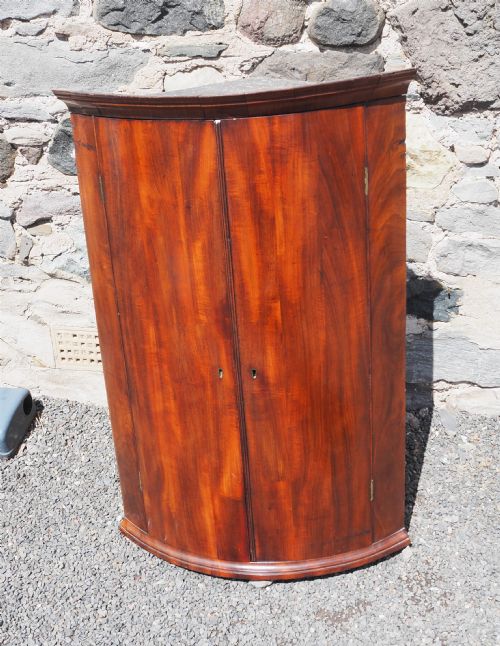
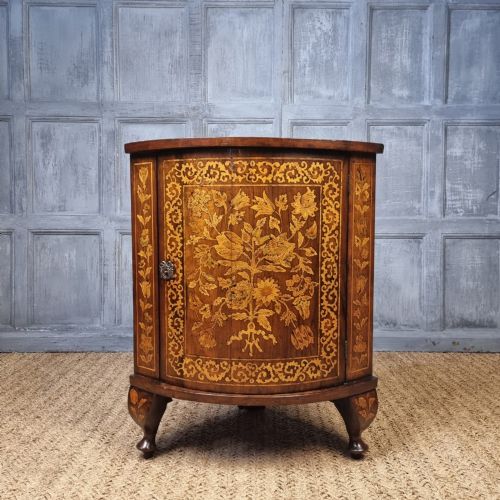


Brown Wooden Corner Cabinet
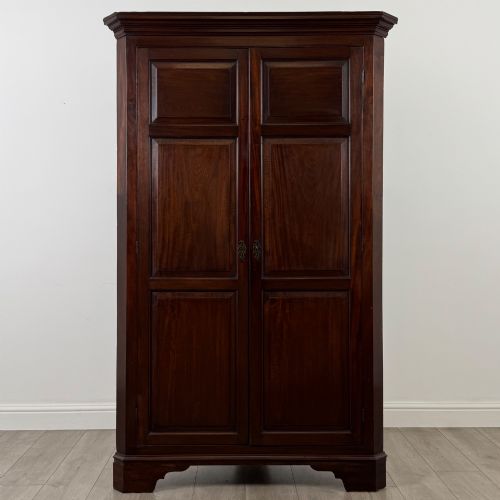
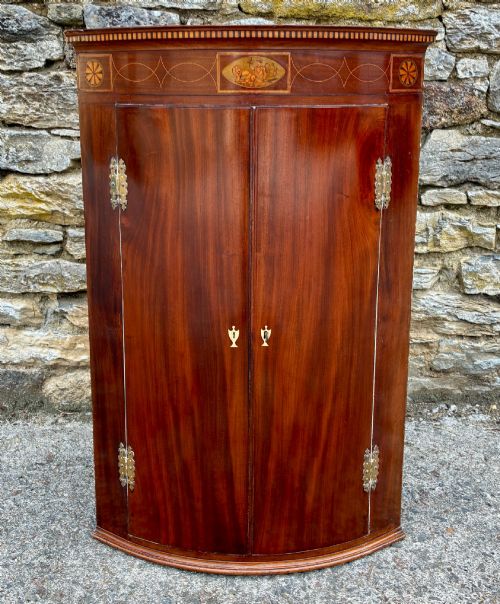
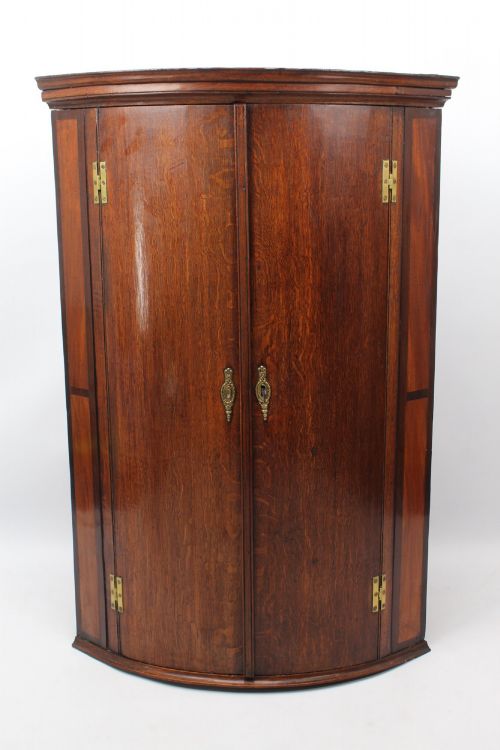
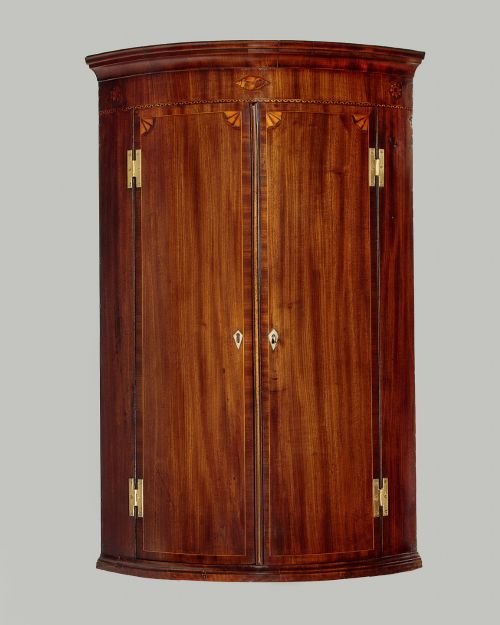
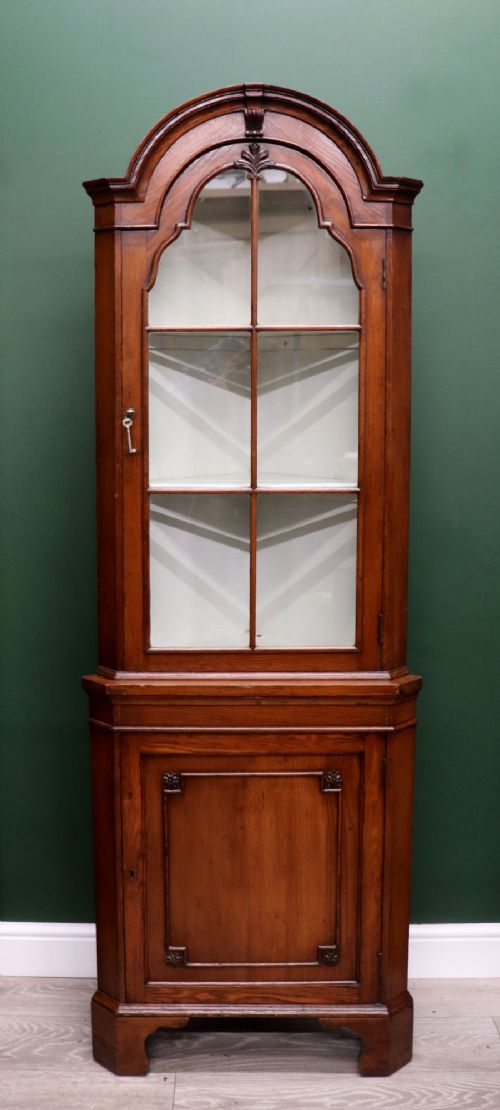
A brown wooden corner cabinet solves awkward spatial problems while displaying precious porcelain behind timber or glazed doors.
Brown Wooden Corner Cabinet
When you search for a brown wooden corner cabinet, you encounter fitted interior shelving designed to tuck neatly into ninety-degree room angles. These storage pieces appear frequently in eighteenth-century and nineteenth-century forms, spanning Georgian, Regency, and Edwardian periods.
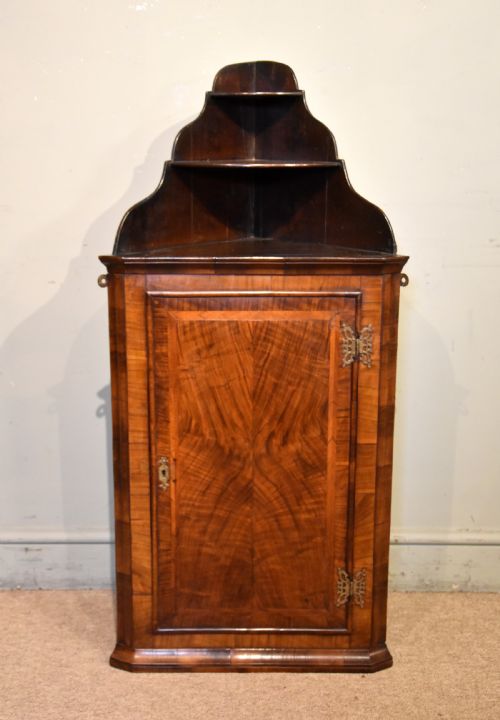
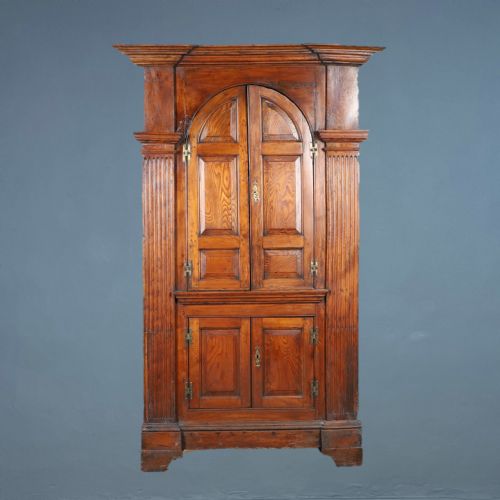
The versions most commonly met on this page are mahogany and oak hanging or floor-standing cupboards. You also find regional variants such as Welsh oak examples alongside continental pieces employing tulipwood, walnut, and elm.
Materials and Construction Methods
Cabinet makers utilised dense hardwoods including mahogany, oak, and walnut, frequently enhancing surfaces with boxwood inlay, marquetry, or painted finishes. Timber selection dictated whether a piece functioned as a sturdy country utility cupboard or a refined formal display unit.
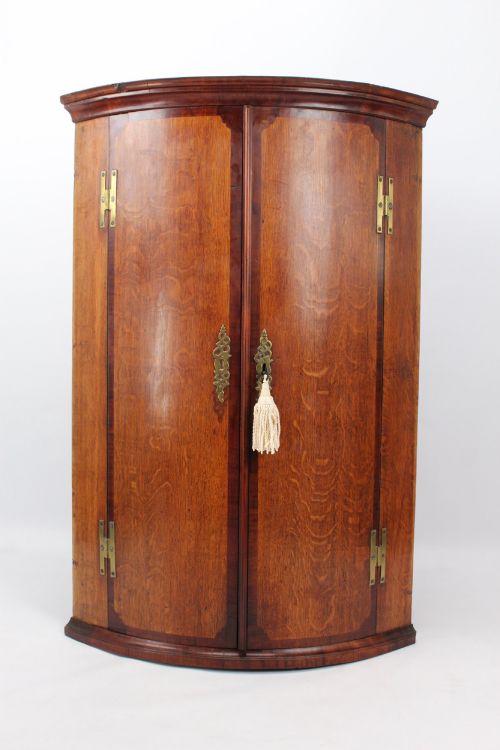
Joinery techniques involved panelled doors, bow fronts, and architectural cornices. Structural integrity relied on solid timber construction combined with brass hinges and escutcheons.
Brown Wooden Corner Cabinet Retail Price Guide 2026
Typical asking prices for brown wooden corner cabinet among the pieces listed under this phrase on Sellingantiques today, from the lower quarter to the upper quarter. They describe what is for sale here now, not the wider market.
Distinctions in Quality
The upper tier of pieces exhibits superior timber selection, such as plum pudding mahogany or figured walnut, paired with meticulous stringing and marquetry. Lesser examples rely on plain utility oak with simpler panel construction.
Proportion and architectural detailing set finer cabinets apart from utilitarian ones. Well-executed astragal glazing bars and balanced cornices denote superior craftsmanship compared to plain functional carcasses.
The Brown Wooden Corner Cabinet Glossary
- Bow front
- A convex curved cabinet front that swells outward from the corners. This rounded profile became particularly popular during the Georgian period.
- Astragal
- Moulding framing individual panes of glass within a cabinet door. These delicate wooden strips form geometric patterns across glazed apertures.
- Escutcheon
- A protective plate surrounding a keyhole. Brass examples often provide decorative contrast against dark mahogany or oak doors.
- Marquetry
- Decorative veneer work forming pictorial or abstract patterns using various coloured woods. Craftsmen applied these precise timber pieces to cabinet doors and surfaces.
- Cornice
- The decorative horizontal moulding crowning the top of a standing or hanging cupboard. Architectural examples often reflect classical furniture design principles.
Brown Wooden Corner Cabinet: Frequently Asked Questions
How do I hang a wall cabinet?
Hanging corner cupboards require secure fixing into solid masonry or substantial wall studs using appropriate brackets.
Because these timber units carry considerable weight when filled with ceramics, professional installation ensures structural safety.
Are these pieces freestanding?
The selection includes both hanging wall cupboards and large floor-standing architectural cabinets.
Floor-standing versions rest directly on the ground, whilst hanging variants mount securely to walls.
How do I identify Georgian pieces?
Georgian cabinets typically display characteristics such as mahogany or oak construction, fine boxwood stringing, and brass hardware.
Proportions generally follow classical design rules established during the eighteenth and early nineteenth centuries.