

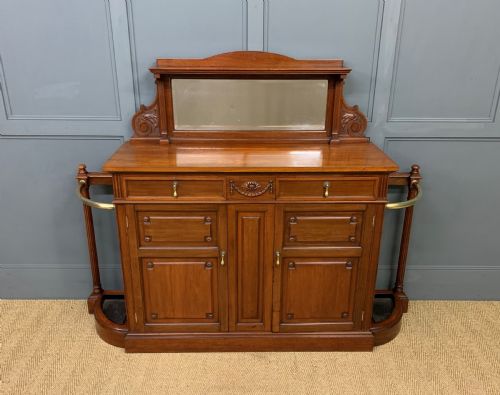
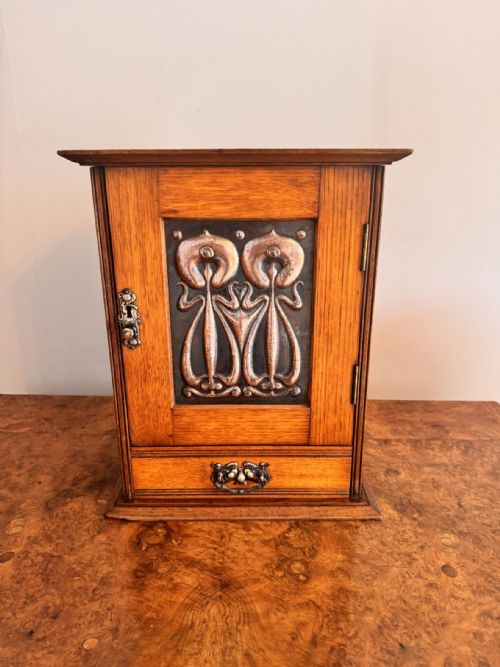
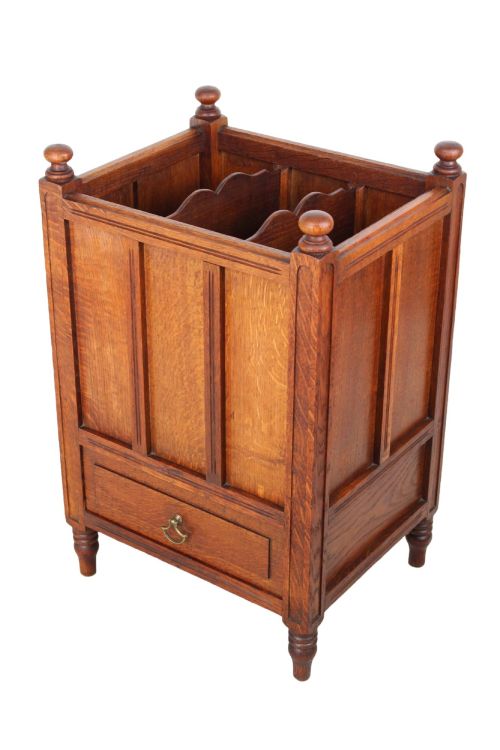
Edwardian Standing Cabinet
An edwardian standing cabinet brings vertical presence and purposeful storage to a room, offering glazed display or enclosed shelving crafted for the home.

Edwardian Standing Cabinet
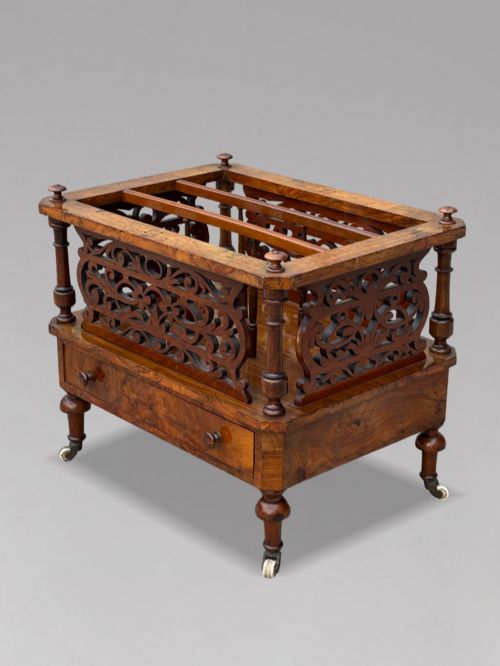
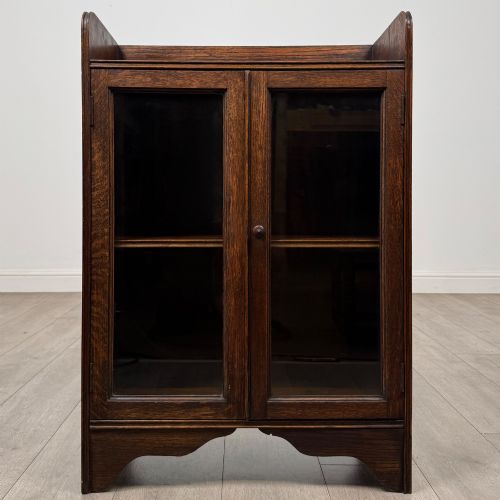
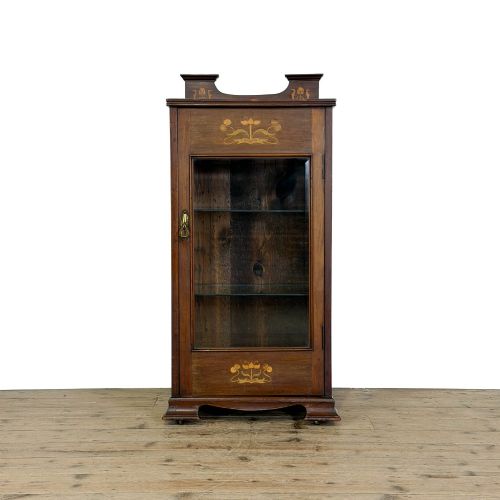
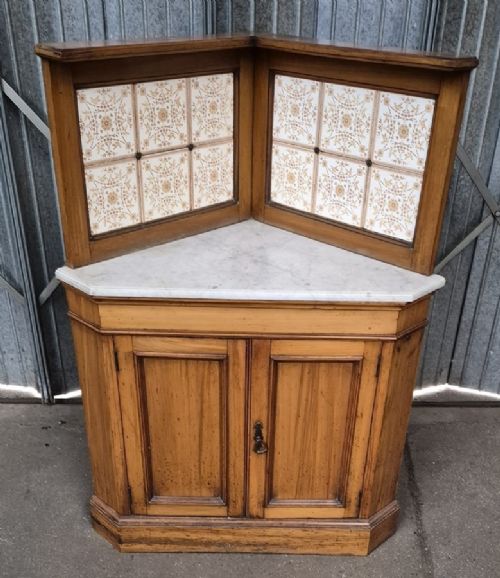
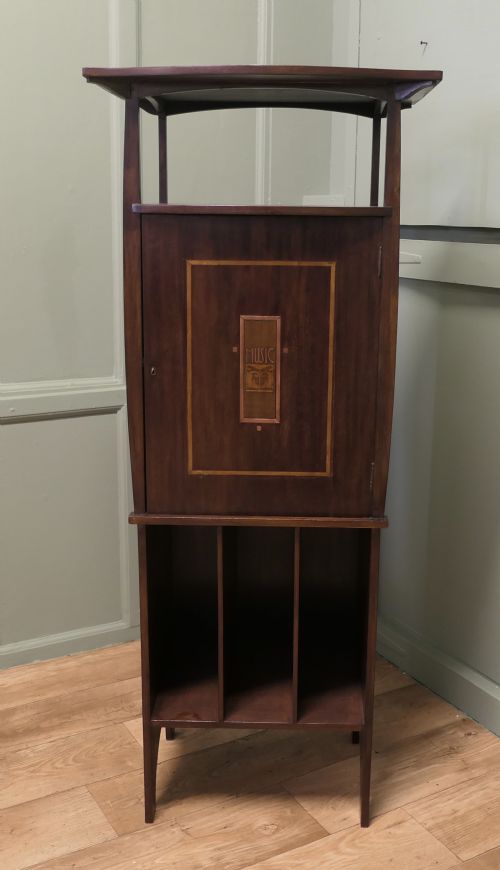
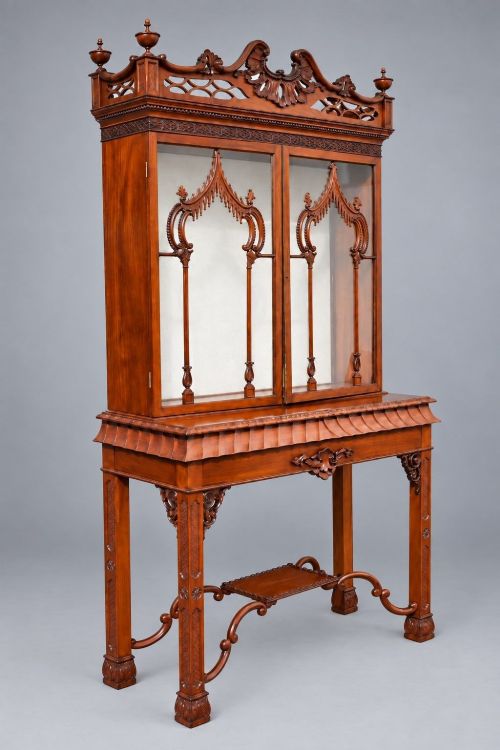
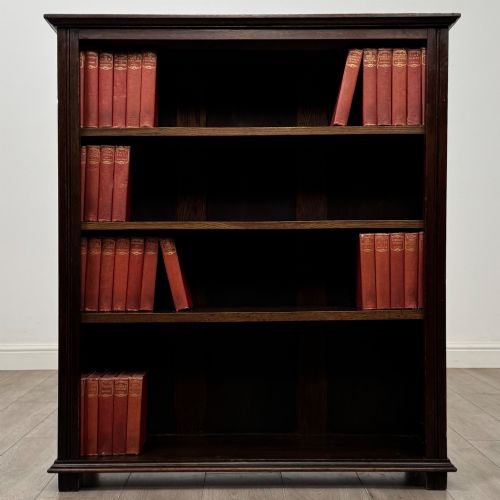
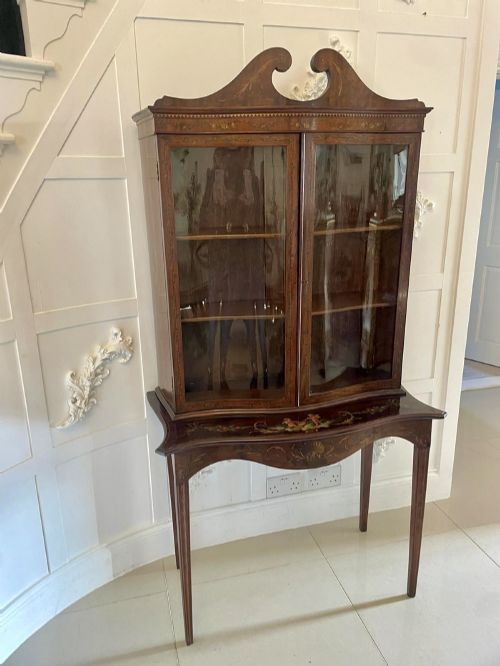
When searching for an edwardian standing cabinet, you encounter floor-bound furniture designed to occupy wall space rather than sit upon tables or desks. These pieces include tall bookcases, corner cabinets, music cabinets, and glazed display vitrines.
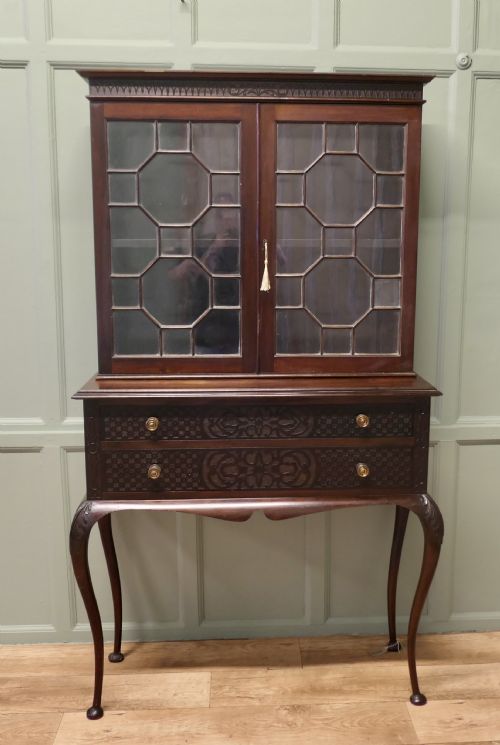
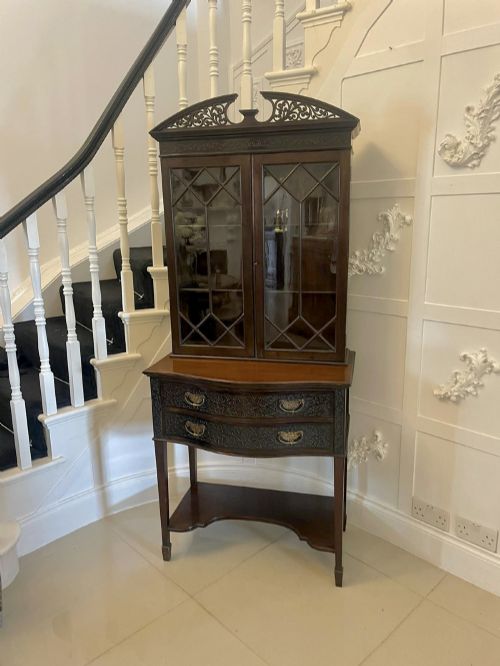
The versions most common on this page date from the Edwardian period and adjacent years, frequently constructed in mahogany, oak, or walnut. They often feature inlaid satinwood details or astragal glazing bars framing the upper doors.
Makers and retailers of the era produced these freestanding items to meet domestic demands for orderly book storage and refined ornament. Their upright proportions suit rooms where floor space is limited but vertical capacity remains available.
How they were made
Cabinet makers of the period relied primarily on solid mahogany, oak, and walnut carcasses, often applying fine veneers such as burr walnut and satinwood to primary visual surfaces. These woods were chosen for stability and grain figure, then polished to a deep lustre.
Decorative elements frequently involved delicate satinwood inlay, marquetry, and painted decoration, alongside brass handles, hinges, and occasional castors. Glazed doors utilised timber astragal bars to divide the glass panes into geometric patterns.
Edwardian Standing Cabinet Retail Price Guide 2026
Typical asking prices for edwardian standing cabinet among the pieces listed under this phrase on Sellingantiques today, from the lower quarter to the upper quarter. They describe what is for sale here now, not the wider market.
Some Edwardian music cabinets still retain internal partitions designed exclusively for nineteenth-century sheet music scores.
What varies in quality
The distinction between standard commercial production and superior craftsmanship rests on the selection of timber veneers and the precision of inlaid details. Finer examples display meticulous hand-cut marquetry and balanced grain matching across door panels and cornices.
Structural integrity and hardware quality also separate the output of prominent makers from lesser workshops. Original brass fittings, well-fitted drawers, and solid secondary timbers indicate a higher standard of original manufacture.
GM Elwood for JS Henry·Shoolbred & Co.·Edwards & Roberts·Maple & Co.
The Edwardian Standing Cabinet Glossary
- Astragal glazing
- Wooden bars dividing glass panes in a cabinet door into smaller lights. These delicate frames define the period aesthetic.
- Marquetry
- The art of applying decorative veneer pieces to a structure to form pictorial or geometric designs. It requires steady hands and seasoned timber.
- Standing cabinet
- A floor-bound piece of furniture resting directly on its base or feet rather than hanging on a wall or sitting on a table. Upright proportions maximise storage capacity.
- Satinwood inlay
- Contrasting blonde wood inserted into darker primary timbers like mahogany to create borders and motifs. This technique brightens the facade.
Edwardian Standing Cabinet: Frequently Asked Questions
Where should I place a standing cabinet?
These upright pieces suit living rooms, hallways, or dining spaces where vertical wall space allows them to stand without crowding the floor.
Corner versions fit neatly into unused angles, while glazed display variants work well near light sources to showcase collections.
How do I distinguish Edwardian from Victorian cabinets?
Edwardian standing cabinets generally exhibit lighter proportions, paler woods, and more restrained neoclassical or Sheraton revival inlay.
Victorian predecessors tend to feature heavier timbers, darker finishes, and more robust, carved ornamentation.
Can these cabinets support heavy books?
Bookcase variants and open shelving units were built to hold substantial volumes, though original internal timber shelves should be assessed for weight distribution.
Display cabinets with glass doors and velvet-lined interiors are better suited for ceramics, glassware, and lighter objects.
Are keys usually original to the locks?
Working locks and original keys occasionally survive with these cabinets, but many pieces from this era have replacement keys fitted by later owners.
Locks were standard utility brass fixtures rather than high-security mechanisms.