
Edwardian Small Furniture
Edwardian small furniture brings compact utility and refined timber craftsmanship into tighter rooms, offering practical elegance for modern living spaces.
Edwardian Small Furniture
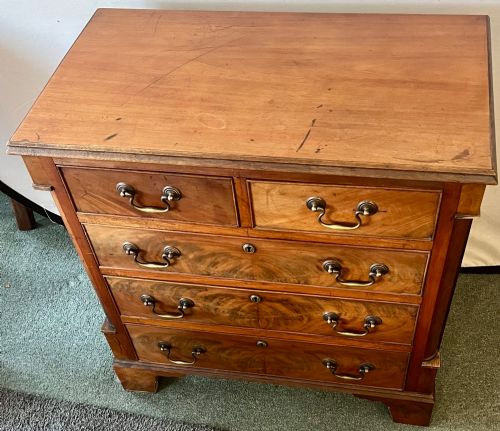
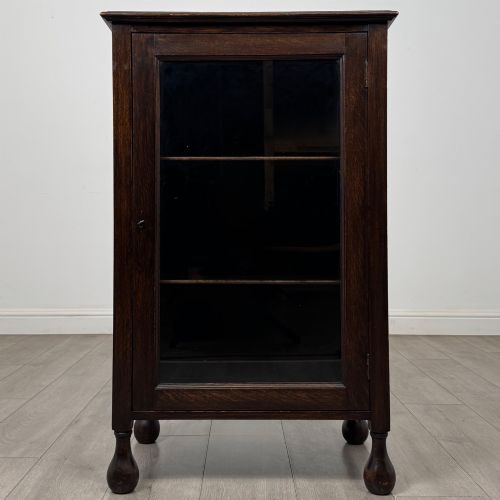
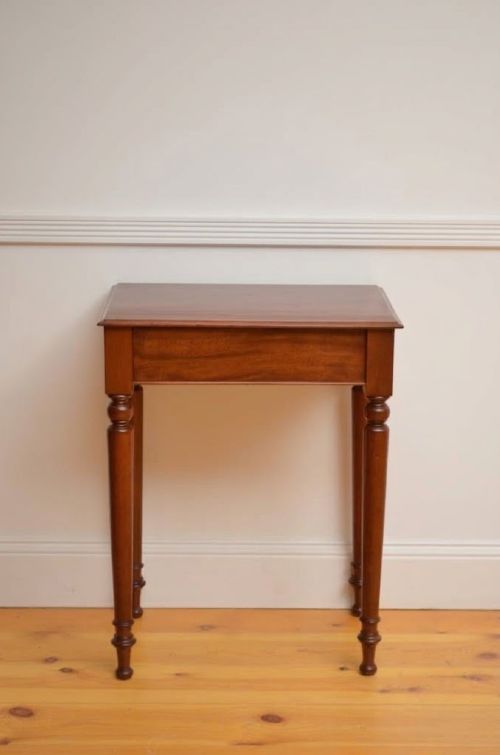
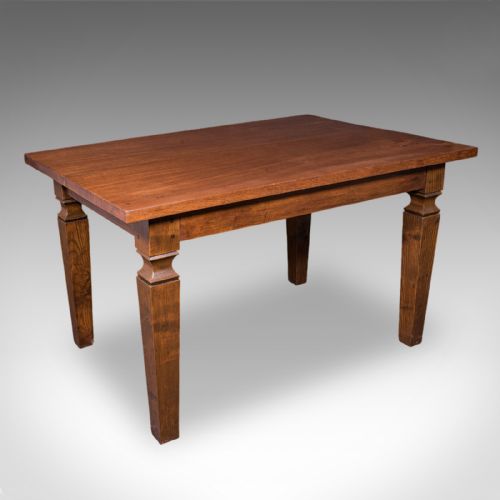
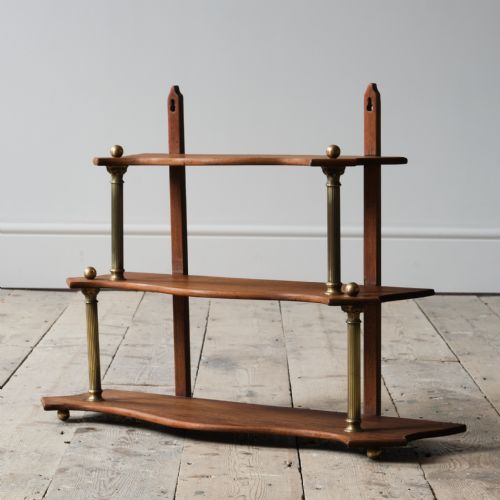
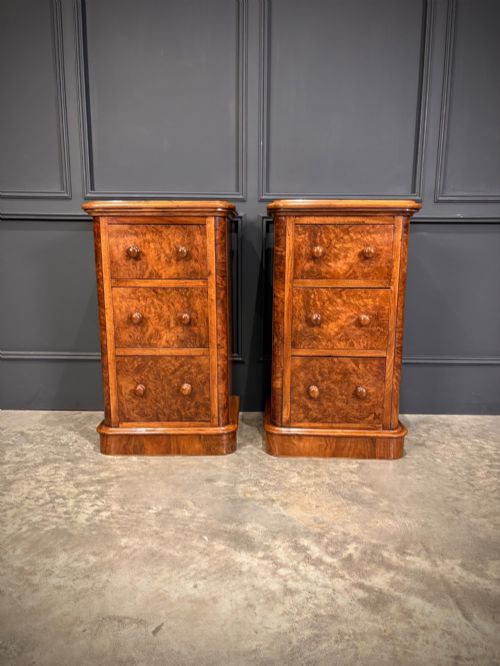
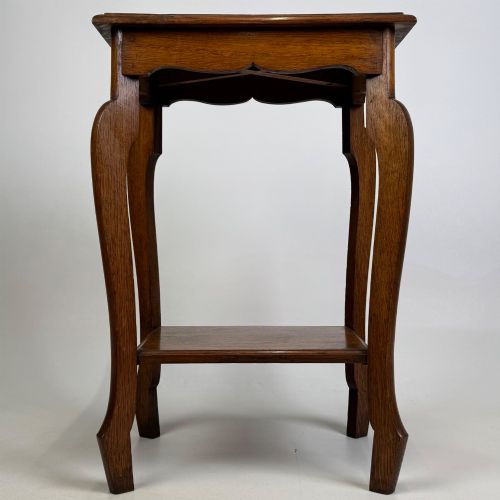
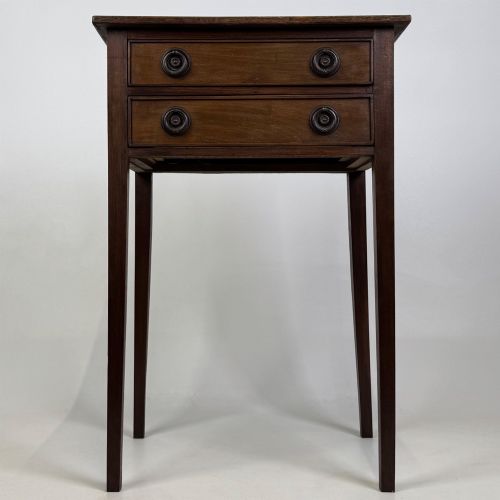
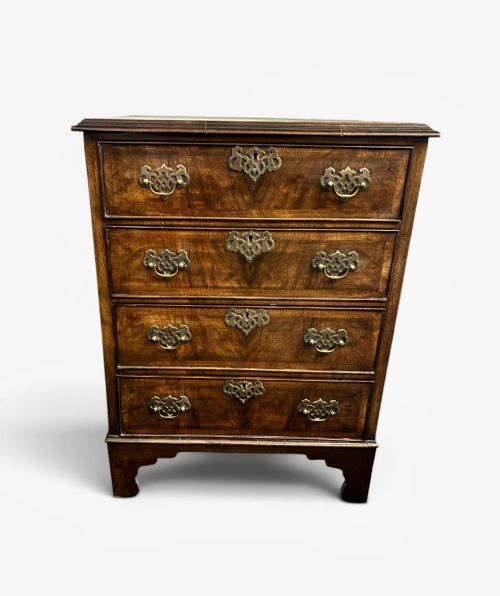
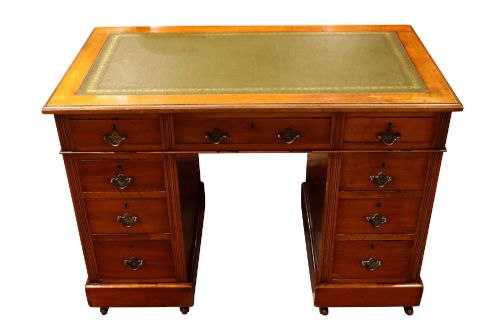
Edwardian small furniture encompasses compact side tables, occasional tables, bookcases, desks, bedside cabinets, and wall shelves designed for domestic convenience. The pieces span the Edwardian period alongside nineteenth-century Victorian and eighteenth-century examples that share similar proportions.
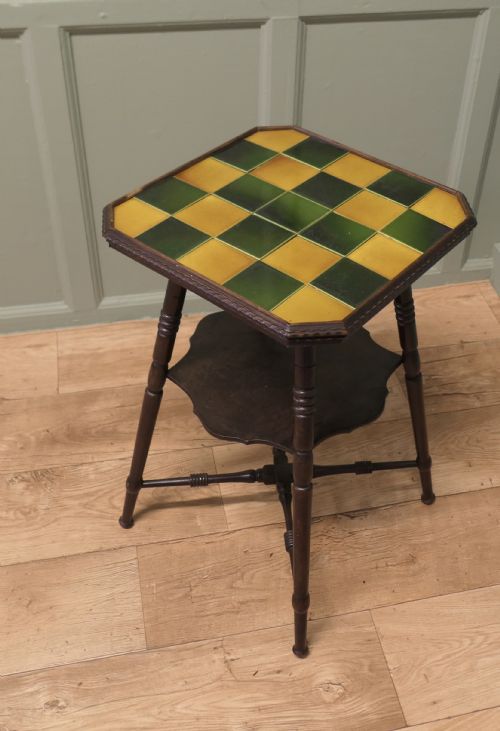
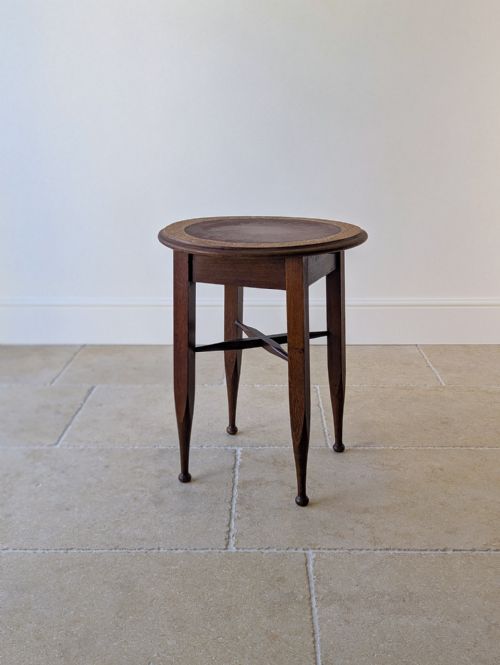
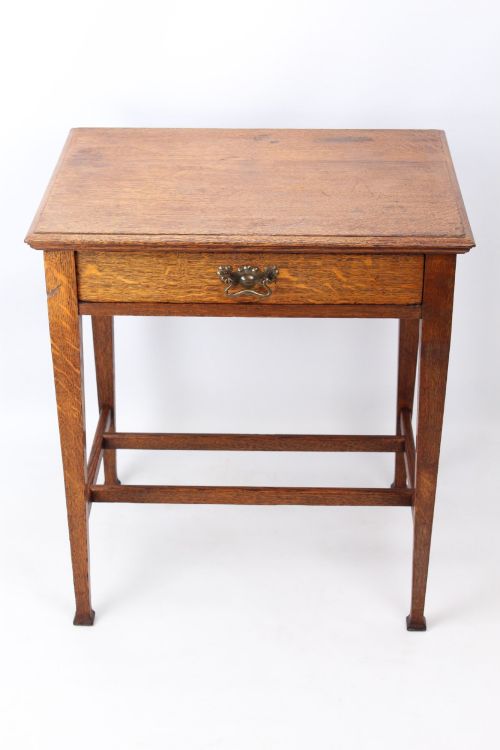
Occasional tables and side tables appear most frequently alongside bedside cabinets and desks in oak, mahogany, and walnut. These forms reflect a period when domestic spaces required movable, space-saving items for everyday use.
Materials and Techniques
Cabinet makers utilised dense hardwoods including mahogany, oak, and walnut, frequently enhancing surfaces with satinwood, boxwood, or brass fittings. Construction methods combined traditional joinery with decorative inlays and carved details.
Makers working within the Arts and Crafts style favoured exposed grain and honest construction in ash and oak, while others applied painted surfaces, simulated bamboo, or fabric panels for specific aesthetic movements.
Simulated bamboo frames paired with antique velvet bring a remarkably convincing touch of the exotic to modest Victorian corners.
Evaluating Construction and Design
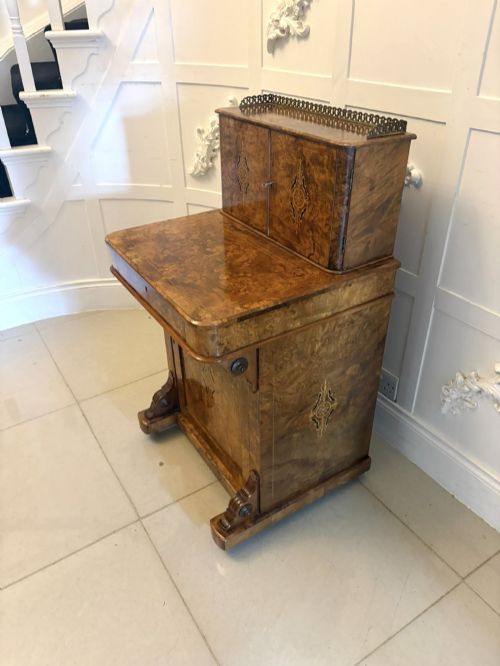
Quality rests upon the selection of timber figures, such as burr walnut or figured mahogany, and the precision of inlaid details like satinwood stringing. Superior examples display careful attention to secondary timbers and stable joints.
Design ambition separates standard utility pieces from works carrying specific style influences, such as Sheraton revivals or distinctive Arts and Crafts movement characteristics.
Shapland & Petter·Maple & Co·Peter Waals·Arthur Simpson
The Edwardian Small Furniture Glossary
- Occasional table
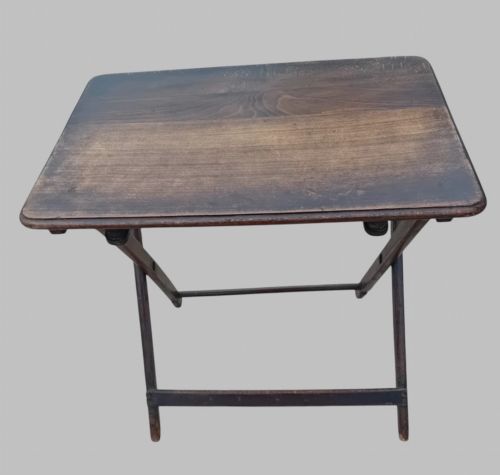
- A small, movable table designed for a specific, intermittent use within a room. These pieces provide surface space without dominating a floor plan.
- Campaign style
- Furniture constructed to be easily dismantled and transported for travel. Pieces typically incorporate brass corners, inset handles, and folding mechanisms.
- Satinwood
- A durable, yellowish timber often utilised for contrasting stringing and decorative inlays on mahogany surfaces. It provides a bright reflective quality to cabinet work.
- Sutherland table
- A narrow drop-leaf table featuring folding leaves that drop nearly vertically. The design saves floor space when not fully extended.
- Barley twist
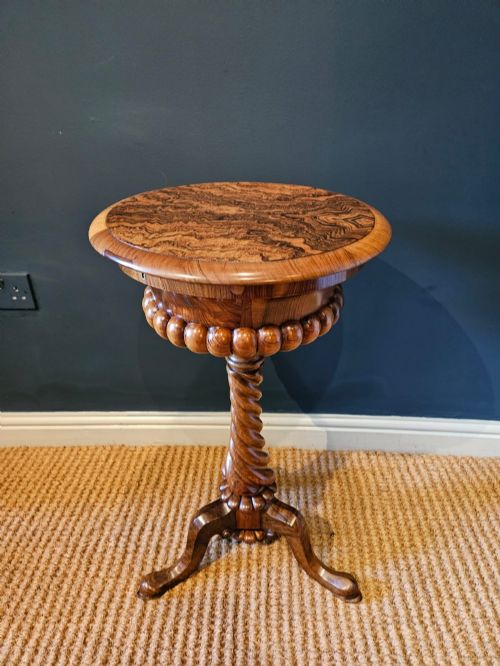
- A woodworking technique where timber is turned into a spiral column resembling twisted barley sugar. This decorative form appears frequently on table and stand legs.
Edwardian Small Furniture: Frequently Asked Questions
What defines edwardian small furniture?
Edwardian small furniture comprises compact domestic items made around the turn of the twentieth century, prioritising lighter proportions than earlier Victorian designs.
These items include side tables, plant stands, and desks intended for versatile placement within smaller rooms.
How were bedside cabinets used?
Bedside cabinets provided enclosed storage next to sleeping quarters for night-time essentials and chamber items.
Their compact doors and drawers kept domestic clutter out of sight in bedrooms.
How do I identify arts and crafts pieces?
Arts and Crafts pieces display visible joinery, unpretentious materials like oak and ash, and handcrafted decorative details.
Makers focused on simple utility and the natural grain of the timber rather than heavy historic revivals.
Where should I place an occasional table?
Occasional tables fit beside armchairs or against hallways where a small surface is useful for lamps or books.
Their movable nature allows them to shift easily as room layouts change.