






Mahogany Tea Table with Shelf
A mahogany tea table with shelf combines useful surface space with a lower tier, bringing practical elegance to any room.
Mahogany Tea Table with Shelf
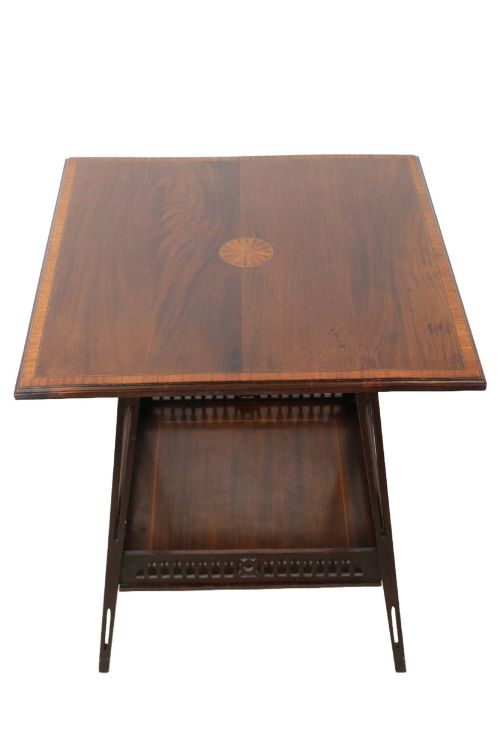
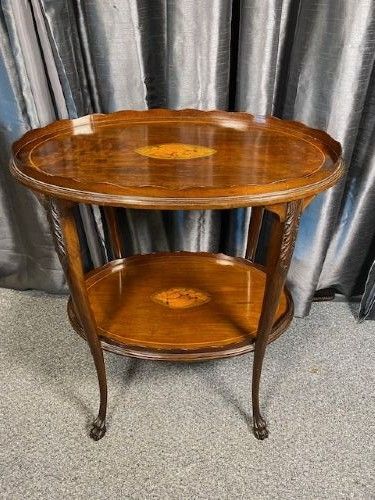
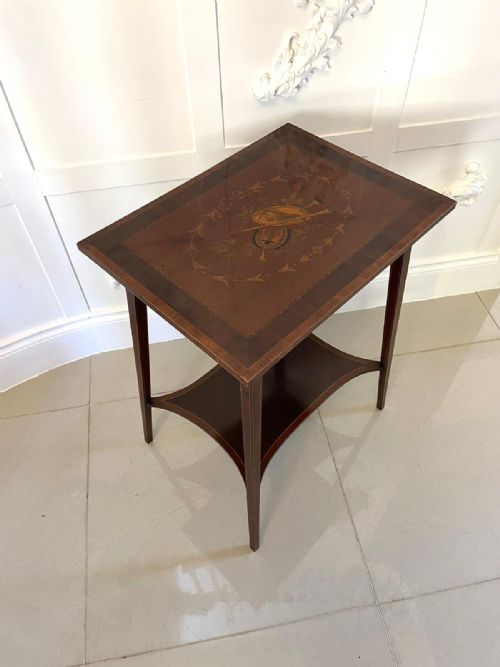
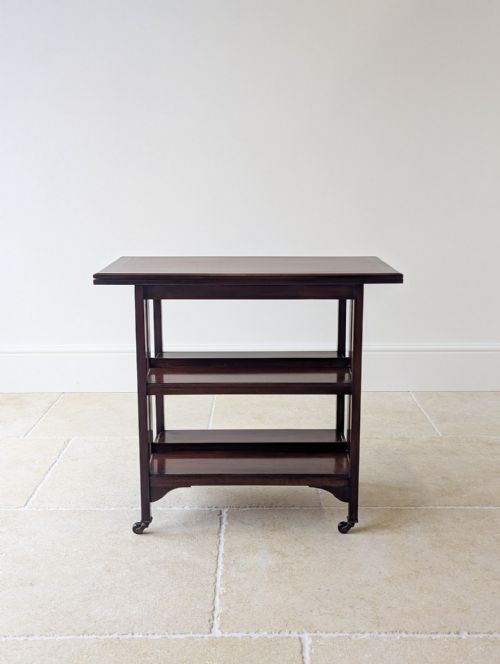
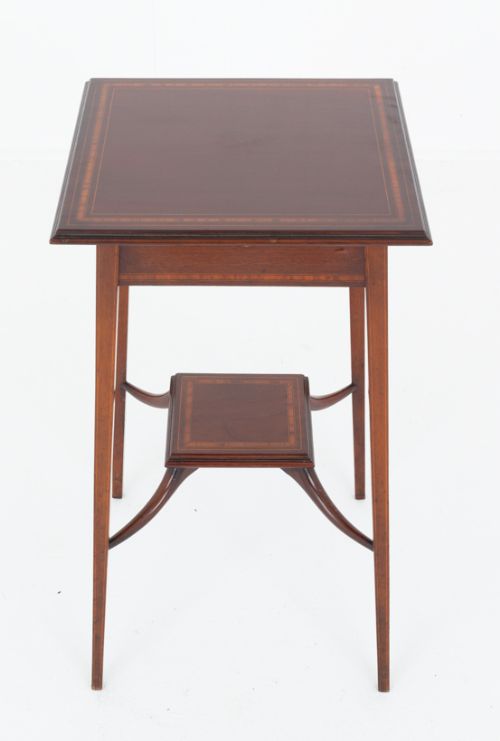
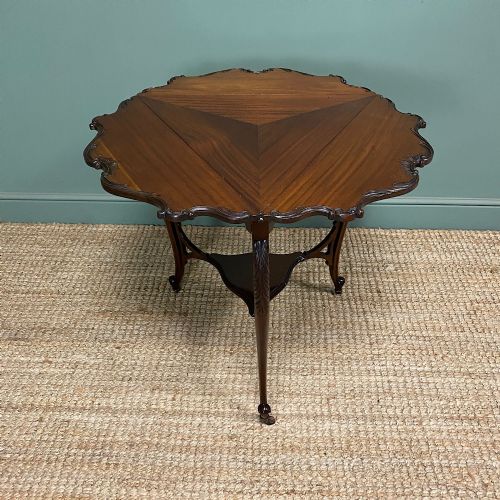
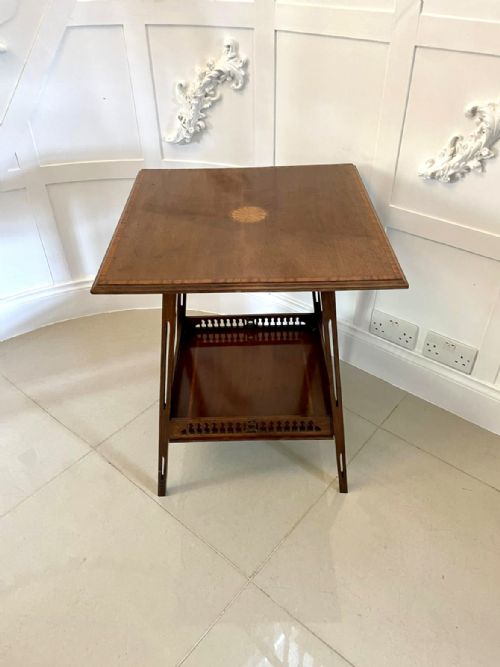
A mahogany tea table with shelf serves as a versatile piece of furniture designed for living spaces, combining a main top surface with a lower stretcher or tier. Buyers searching for this phrase encounter various forms, including drop-flap tea tables, card tables with bookshelf bases, Pembroke tables, and occasional tables.
The pieces on this page span several distinct periods, most notably the Edwardian era and the 1920s, alongside earlier Victorian examples and one eighteenth-century Pembroke table. Makers during the Edwardian period and the revival movements favoured rich timbers, often adapting Georgian and Sheraton forms for modern homes.
Styles range from straightforward traditional designs to revival pieces influenced by Chippendale and Sheraton aesthetics. Many incorporate functional elements like folding flaps or corner placement, making them adaptable for modern domestic use.
How they were made
Construction relies heavily on solid mahogany and mahogany veneer over a supportive wood carcase, chosen for durability and rich grain patterns. Craftsmen utilised traditional joinery methods to build stable frames capable of supporting both an upper surface and a lower display shelf.
Decorative detailing frequently involves contrasting timbers such as satinwood and boxwood, applied as intricate wood inlay to enhance tabletops and borders. Hardware like brass fittings appears selectively to accent drawers or structural points.
One Edwardian table thoughtfully crams four folding flaps into a single footprint, ready to expand whenever tea time gets out of hand.
What varies in quality
The distinction between standard and superior pieces rests on the precision of the cabinetwork and the selection of materials. Finer tables display carefully chosen mahogany veneers and crisp, neatly fitted wood inlay rather than painted substitutes.
Proportion and structural integrity also dictate worth, as better examples maintain absolute stability across both the primary surface and the lower shelf stretcher. The subtlety of revival styling, whether echoing Sheraton elegance or Chippendale heft, determines the sophistication of the finished piece.
Trevor Page and Co
The Mahogany Tea Table with Shelf Glossary
- Mahogany
- A durable tropical hardwood prized for its deep reddish-brown colour and stable grain. It serves as the primary material for the majority of these tables.
- Inlay
- A decorative technique where contrasting woods like satinwood or boxwood are inserted into recesses in the primary timber. This creates geometric or floral patterns across the surface.
- Pembroke table
- A small, versatile table featuring two hinged drop leaves on opposing sides. It often includes a single drawer and a lower stretcher shelf.
- Stretcher
- A horizontal support connecting the legs of a table to improve structural rigidity. In these pieces, the stretcher frequently doubles as an open display shelf.
- Sheraton Revival
- A late nineteenth and early twentieth-century design movement inspired by the neoclassical furniture of George Sheraton. It is characterised by slender legs, fine proportions, and delicate inlay.
Mahogany Tea Table with Shelf: Frequently Asked Questions
What is a shelf stretcher?
A shelf stretcher is a lower tier connecting the legs of a table to reinforce its structure. It provides an additional open surface for displaying small items or storing books.
In these designs, the shelf transforms a simple support element into a functional feature.
How do I identify Edwardian pieces?
Edwardian tables typically date from the early twentieth century and often feature lighter construction than their Victorian predecessors. They frequently display satinwood inlay and draw inspiration from earlier Sheraton designs.
Makers of this period combined traditional forms with a lighter aesthetic suited to contemporary parlours.
Where should I place a tea table?
These tables suit sitting rooms as lamp tables, central display pieces, or occasional surfaces beside seating. The lower shelf offers convenient space for books or small decorative objects without crowding the room.
Their finished backs and detailed tops allow them to sit away from walls if desired.
Are flap tables stable?
Drop-flap tables utilise hinged leaves supported by swing brackets or gatelegs to expand the surface area when needed. When properly maintained, the mechanism locks securely into place for daily use.
Care should be taken not to overload extended flaps to preserve the integrity of the hinges.