



Edwardian Silver Serveware
Edwardian silver serveware brings formal dining tables to life with gleaming plated dishes, toast racks, and entree servers.
Edwardian Silver Serveware
When you search for edwardian silver serveware, you are looking at dining table accessories designed for formal meals, afternoon teas, and elaborate presentation. The pieces you will most likely meet on this page date from the early twentieth century, spanning the Edwardian period, 1900, and 1910, alongside occasional Victorian and George V items.
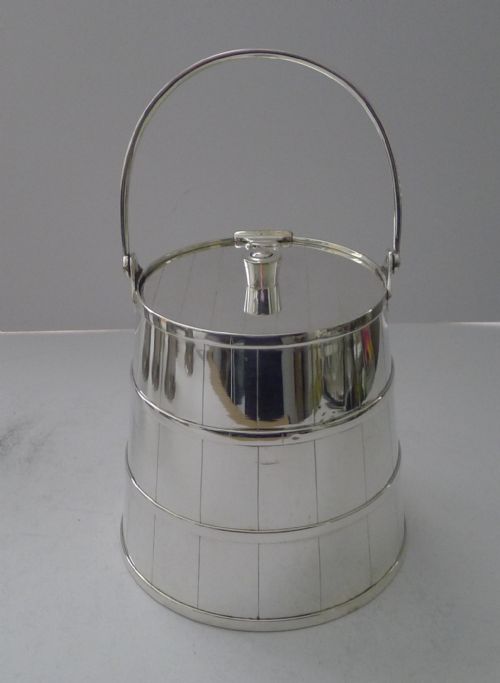
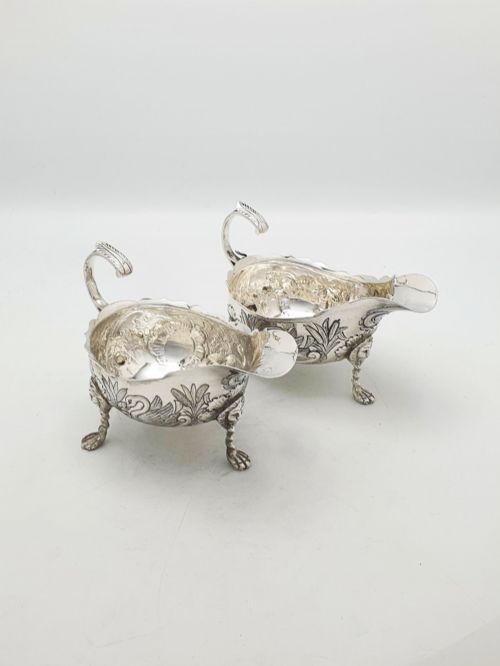
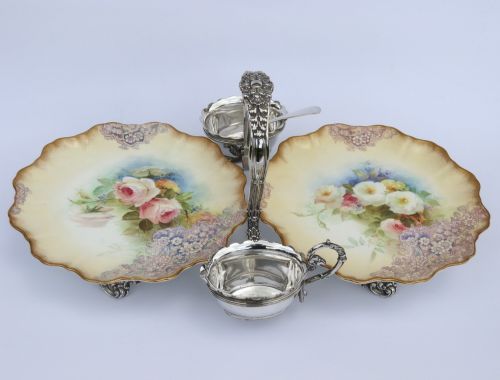
The selection ranges from practical items like toast racks, sauce boats, and spoon warmers to decorative pieces such as biscuit barrels, entree dishes, dessert sets, and barware. Many items incorporate other materials like glass, polished oak, gilt metal, and hand painted Doulton Burslem ceramic plates to create functional serving vessels.
Makers such as Mappin and Webb, Walker and Hall, and Roberts & Belk appear frequently among the listings, alongside unmarked novelty items and WMF style cheese dishes. Forms vary from simple oval platters to complex strawberry dishes, asparagus servers, and egg warmers designed for specific courses.
Materials and construction
The primary material foundation of these pieces relies on silver plate, electroplated nickel silver, and EPNS, supplemented by solid sterling silver items marked for Sheffield. Manufacturers applied thin layers of silver over base metal substrates through electroplating, creating durable domestic tableware that imitated solid metal at a lower cost.
Makers combined silver plate with transparent glass liners, cut crystal, polished oak, and gilt metal details, particularly in cheese dishes, salad bowls, and biscuit barrels. Decorative techniques included crisp surface engraving, applied borders, and hand painted ceramic inserts by potteries like Doulton Burslem.
Edwardian Silver Serveware Retail Price Guide 2026
Typical asking prices for edwardian silver serveware among the pieces listed under this phrase on Sellingantiques today, from the lower quarter to the upper quarter. They describe what is for sale here now, not the wider market.
Victorian households maintained specialised vessels just to keep their serving spoons warm before guests arrived.
Evaluating the pieces
Quality in edwardian silver serveware rests upon the crispness of applied ornamentation, the weight and balance of the base metal, and the integrity of the silver plating. Pieces bearing clear maker marks from established firms like Mappin and Webb or Roberts & Belk demonstrate higher manufacturing standards than anonymous workshop output.
The survival of original components, such as matching glass liners for cheese dishes or paired servers for strawberry sets, separates ordinary examples from superior ones. Hand painted ceramic details and careful surface engraving elevate the artistic merit of individual pieces above standard utilitarian production.
Walker and Hall·Mappin and Webb·Roberts & Belk
The Edwardian Silver Serveware Glossary
- Silver Plate
- A base metal object coated with a thin layer of silver. This technique allowed Victorian and Edwardian manufacturers to produce affordable domestic tableware with the appearance of solid silver.
- EPNS
- Electroplated Nickel Silver. A common base metal alloy of copper, nickel, and zinc coated with silver through an electrolytic process.
- Entree Dish
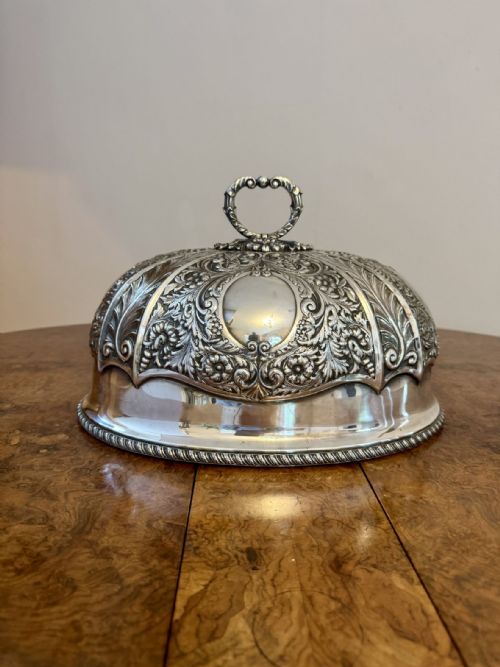
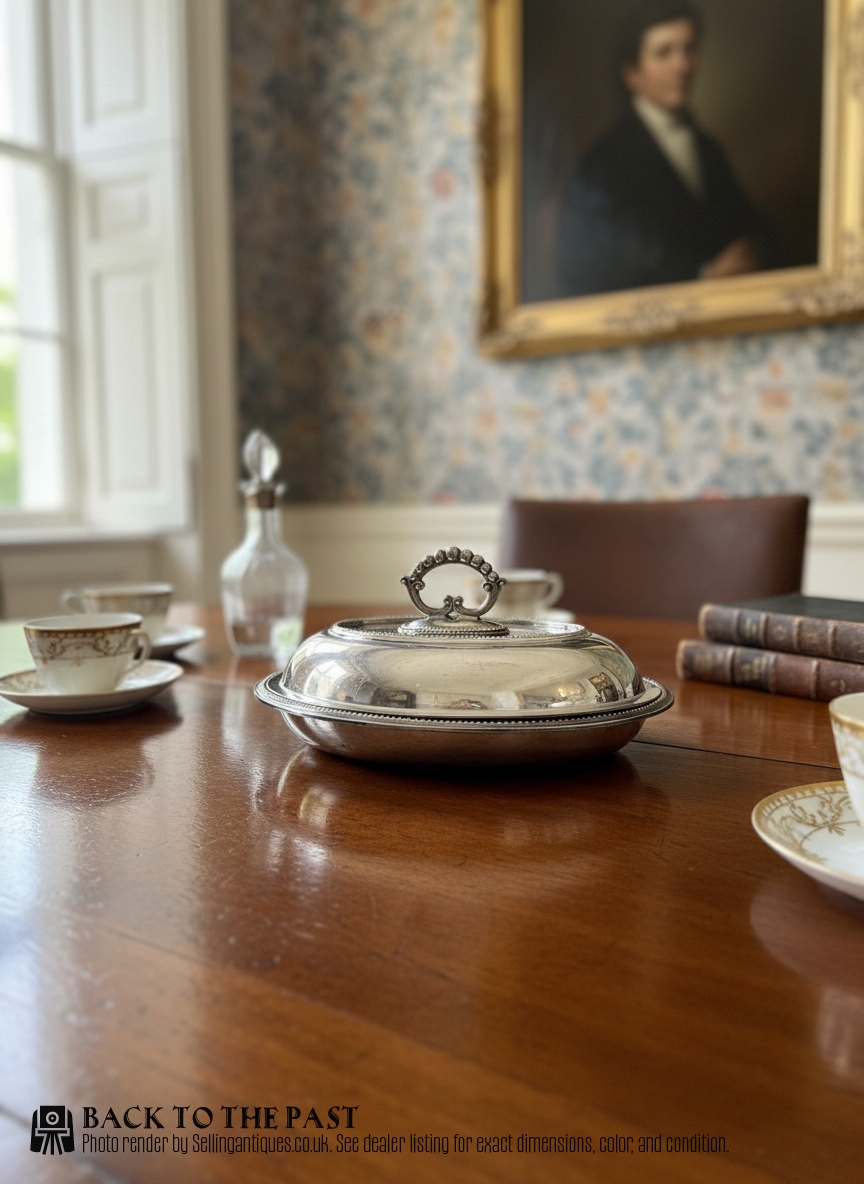
- A covered serving vessel used for bringing main courses or side dishes to the dining table. These often feature removable handles to allow the base to function independently as an open platter.
- Toast Rack
- A table accessory fitted with vertical metal divisions to hold slices of toast upright. These items prevent condensation from making the toast soggy before serving.
- Spoon Warmer
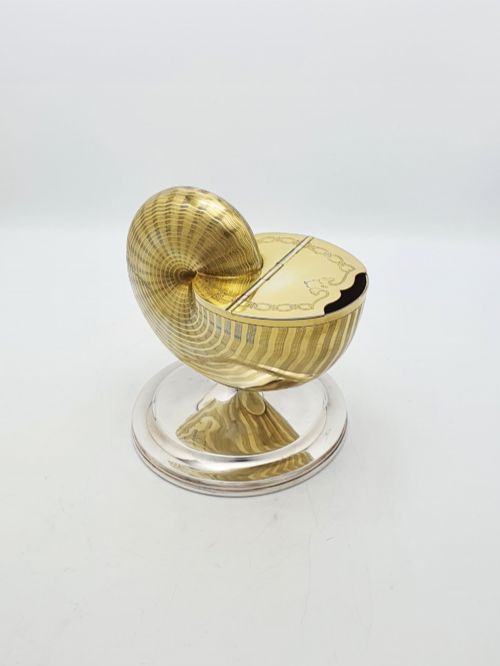
- A specialised Victorian and Edwardian hollow vessel filled with hot water to keep serving spoons warm. These typically take decorative novelty shapes, such as shells or urns.
- Tazza
- A small shallow bowl or platter raised on a central foot or pedestal. These items display fruit, cakes, or sweetmeats on the dining table.
Edwardian Silver Serveware: Frequently Asked Questions
What is edwardian silver serveware used for?
These items served specific functions during formal Victorian and Edwardian meals, from holding breakfast toast to presenting asparagus, biscuits, and cheese courses.
Hosts used specialised vessels like spoon warmers, entree dishes, and sauce boats to maintain food temperature and serve guests with proper etiquette.
How do I clean silver plate serveware?
Clean silver plate gently using a mild, non-abrasive silver polish and a soft cloth to avoid wearing away the thin metallic coating.
Avoid immersing items with wooden bases, such as polished oak salad bowls, or fragile glass inserts in hot water for extended periods.
What is electroplated nickel silver?
Electroplated nickel silver is a durable base metal alloy composed of copper, nickel, and zinc that received an electrical coating of silver.
This material became the standard method for producing affordable, high-quality domestic serveware throughout the late nineteenth and early twentieth centuries.