


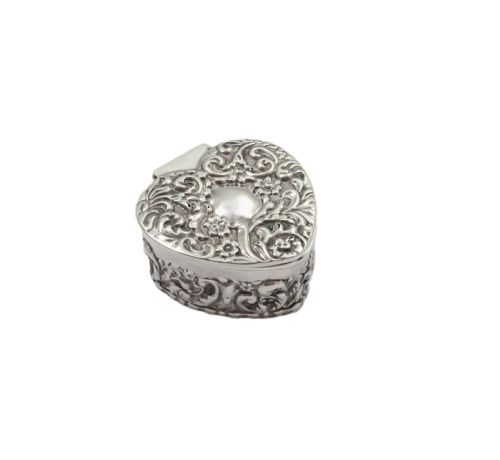

Edwardian Silver Ring Box
When an edwardian silver ring box sits on a dressing table, it brings the tactile refinement of the early twentieth century into daily use.
Edwardian Silver Ring Box
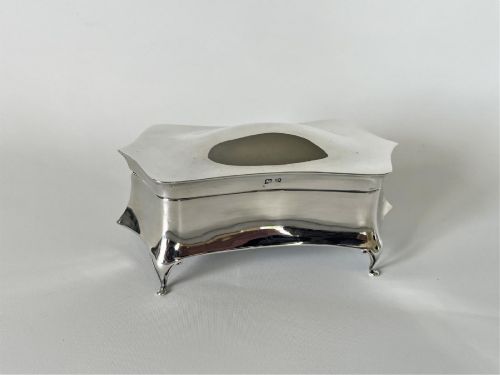
An edwardian silver ring box is a small receptacle designed specifically to secure precious bands, typically featuring a fitted interior lined to protect jewellery.
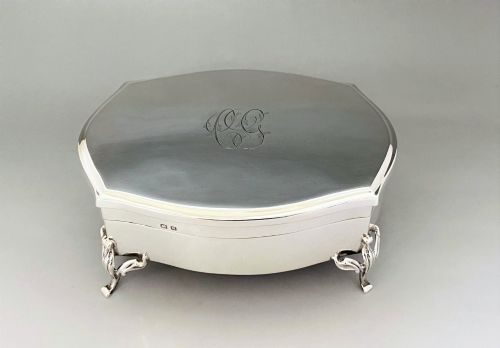
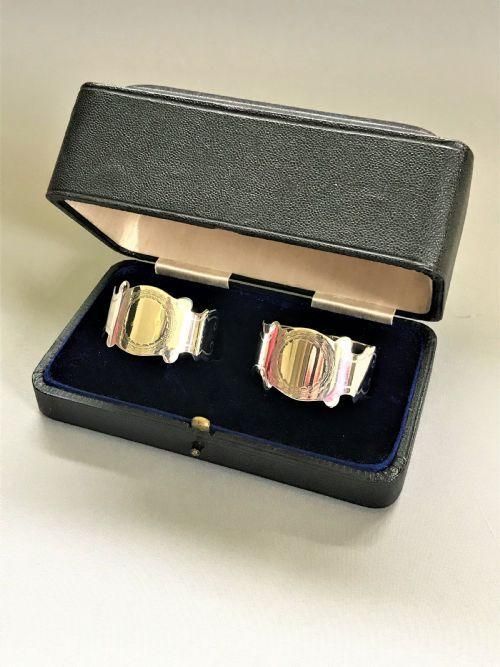
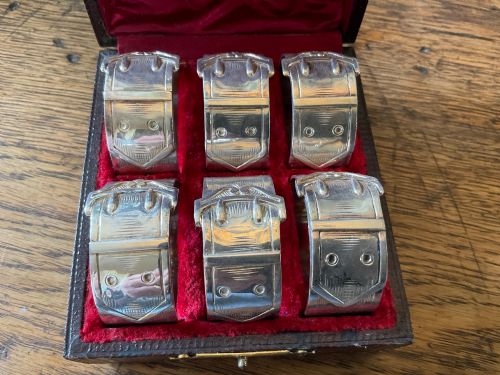
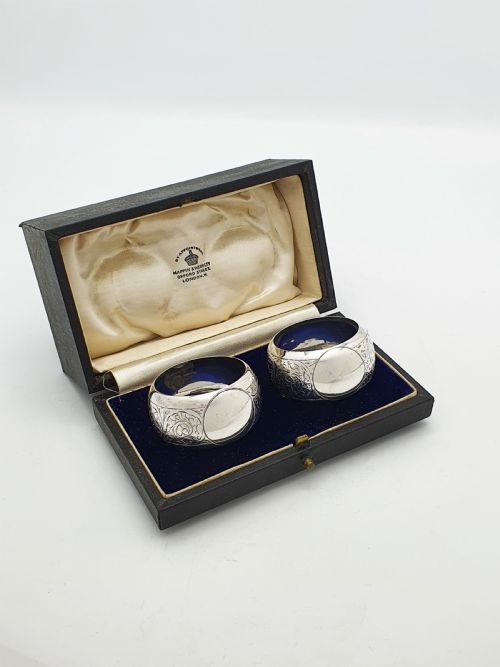
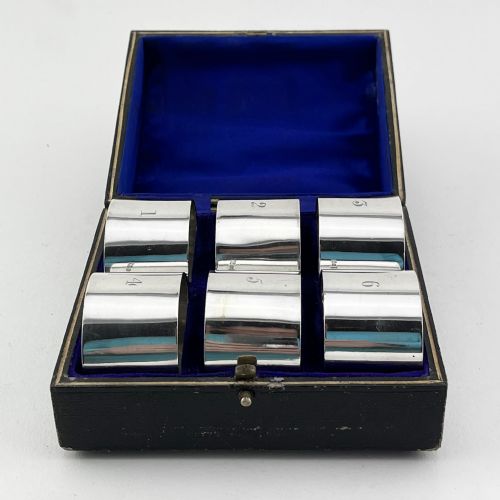
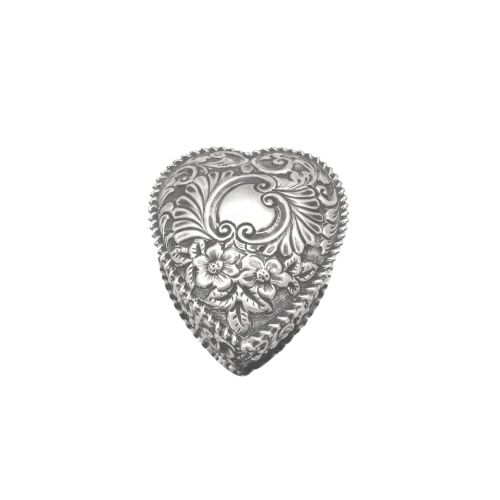
The versions met on this page span the Edwardian era alongside surrounding Victorian and George V years, taking shapes that range from simple geometric forms to novelty hearts and hinged caskets.
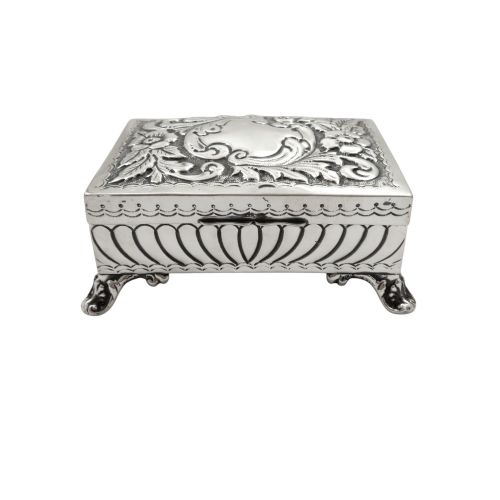
Makers of the period often employed stylistic revivals, incorporating Neoclassical or Art Nouveau motifs into the metal lids and mounts.
Materials and Construction
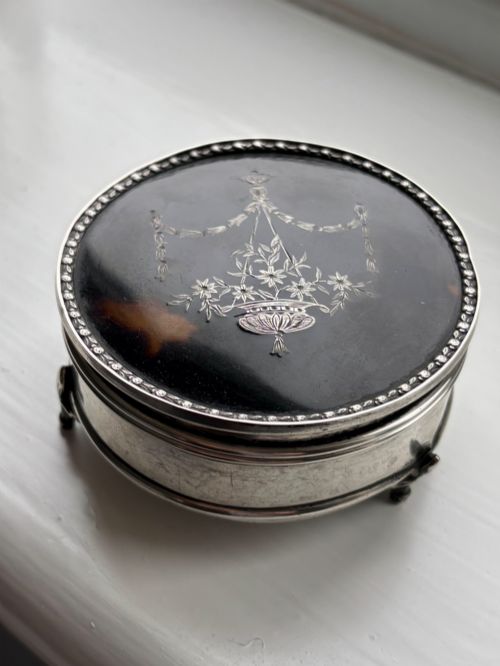
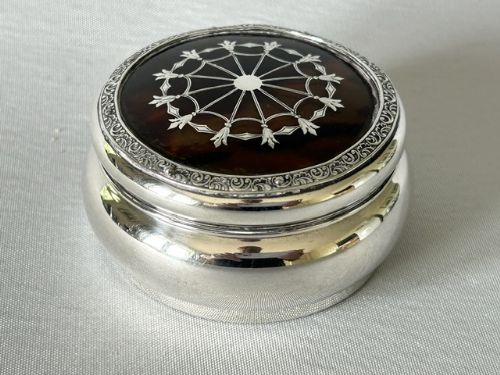
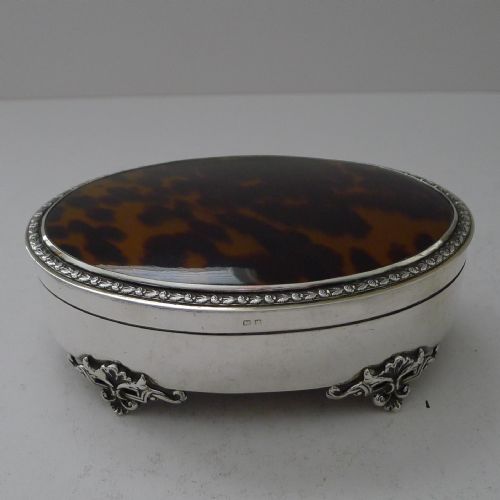
Silversmiths constructed the bodies from sterling silver or silver plate, frequently pairing the metal with organic panels of tortoiseshell, mother of pearl, or pique work.
Interiors rely on tactile textiles such as velvet, silk, or leatherette, folded and slotted to hold rings upright.
Hinges, clasps, and relief decorations were cast or stamped separately before being assembled onto the main body.
Several makers produced novelty boxes shaped as apples, weights, and even cherub-laden hearts to delight dressing table owners.
Assessing Quality
The distinction between tiers rests upon the crispness of the silversmith's chasing and the integrity of the interior lining.
Pieces incorporating inlaid tortoiseshell or complex pierced work demonstrate greater technical ambition than plain stamped bodies.
The survival of original fitted silk or velvet interiors unaltered over a century dictates the desirability of the piece.
Ollivant & Botsford·Asprey & Co·C.T. Burrows & Sons·Tiffany & Co·Mappin & Webb·William Comyns·William Neale & Sons·Henry Williamson Ltd·Levi & Salaman·Hamilton & Co
The Edwardian Silver Ring Box Glossary
- Hallmark
- Official stamps struck into precious metal indicating the assay office, standard of silver, and date letter. These marks allow collectors to date pieces precisely.
- Pique work
- A decorative technique involving tiny gold or silver pins inlaid into tortoiseshell or ivory. It appears frequently on luxury dressing table items of this period.
- Sterling silver
- An alloy of silver containing 92.5 percent pure silver and 7.5 percent other metals, usually copper. This standard is denoted by the lion passant mark on English silver.
- Trinket box
- A small lidded container used for holding small personal items or jewellery. These share construction methods with dedicated ring boxes.
- Assay office
- A body charged with testing the purity of precious metal items and applying statutory hallmarks. Towns such as Birmingham, Chester, and London operated distinct offices.
Edwardian Silver Ring Box: Frequently Asked Questions
How do I clean an edwardian silver ring box?
Silver components require gentle treatment with a specialised cloth to avoid damaging adjacent tortoiseshell or fabric linings. Moisture should be kept away from internal silk and velvet.
Harsh chemical dips will strip historical patina and ruin organic panels set into the lid.
Are all edwardian silver ring boxes hallmarked?
English pieces of this era typically bear full hallmarks on the base and lid, showing the maker's mark, sterling standard, assay town, and date letter.
Items lacking these stamps may be silver-plated rather than solid sterling silver.
What is the difference between a ring box and a trinket box?
A dedicated ring box contains internal slotted fabric channels specifically designed to hold rings upright. Trinket boxes feature open wells intended for loose jewellery or pins.
Many period boxes serve both functions depending on how the internal pad was configured.
How can I tell the date of my box?
The date letter stamped within the official hallmark corresponds to a specific assay office year cycle. Stylistic clues such as Art Nouveau curves or Neoclassical swags also point toward the Edwardian decade.