


Antique Sterling Trinket Box
An antique sterling trinket box holds dressing table secrets, offering silver craftsmanship paired with glass, enamel, or tortoiseshell to secure small treasures.
Antique Sterling Trinket Box
An antique sterling trinket box serves as a small receptacle designed for dressing tables, desks, and pocket use. These pieces surface across Victorian, Edwardian, and Georgian periods, originating primarily from British assay offices with occasional international examples.
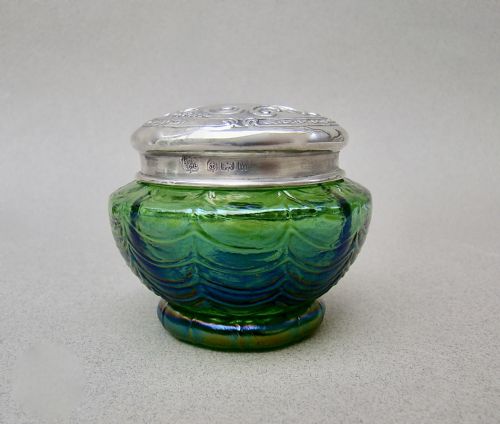
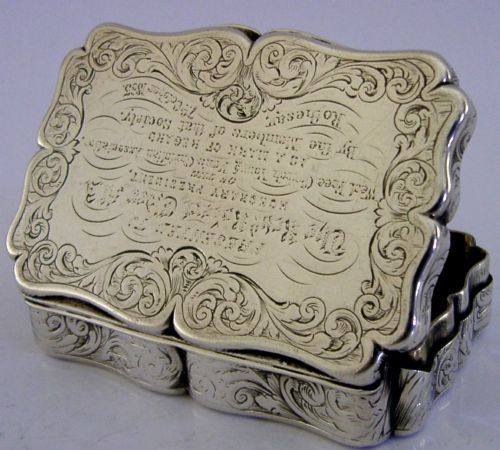
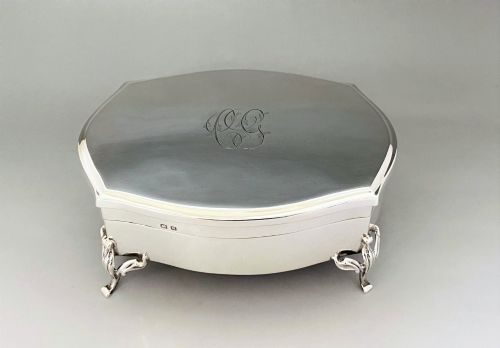
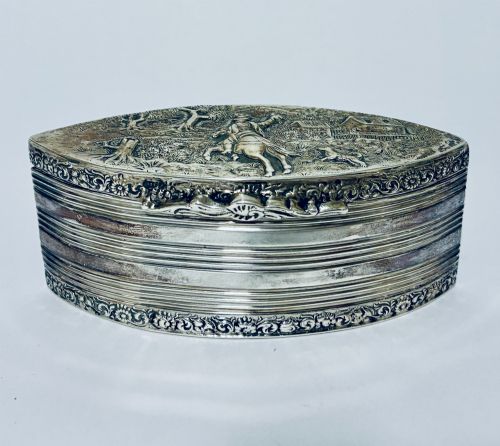
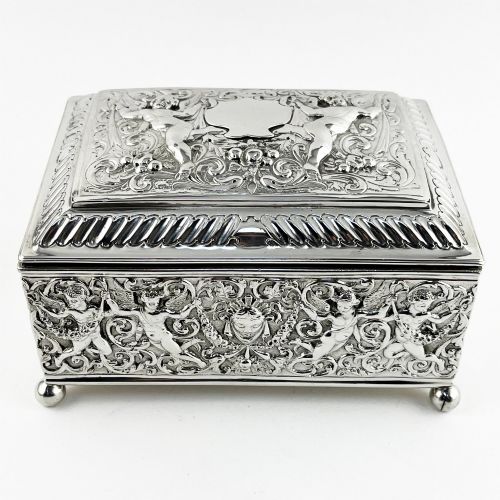
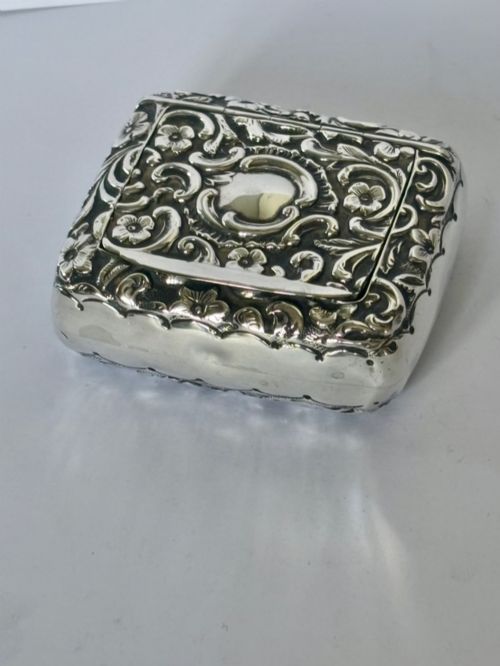
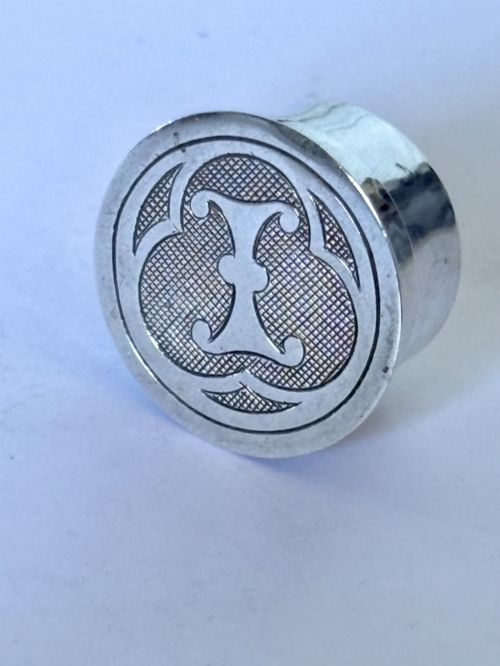
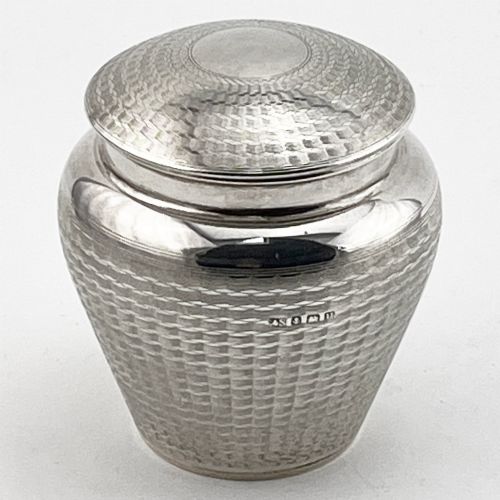
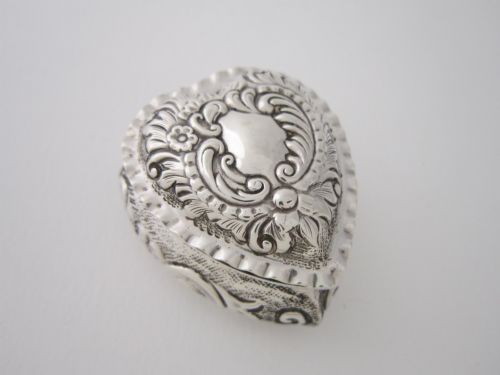
The form spans straightforward pill boxes, snuff boxes, and vinaigrettes to larger glass dressing table jars, ring boxes, and fitted jewellery containers. Many feature hinged lids, pierced silver galleries, or decorative repousse panels depicting scenic or floral motifs.
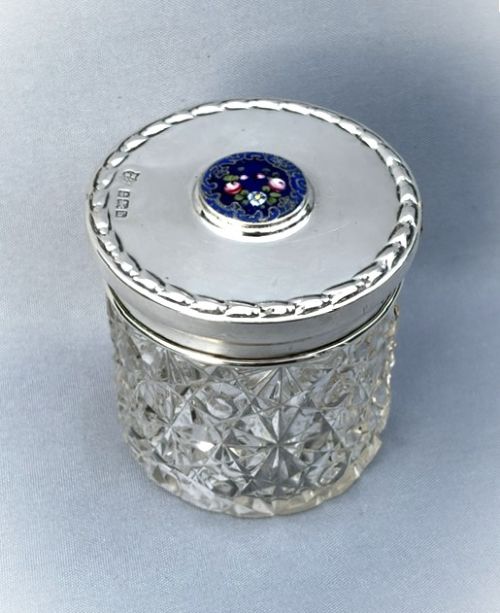
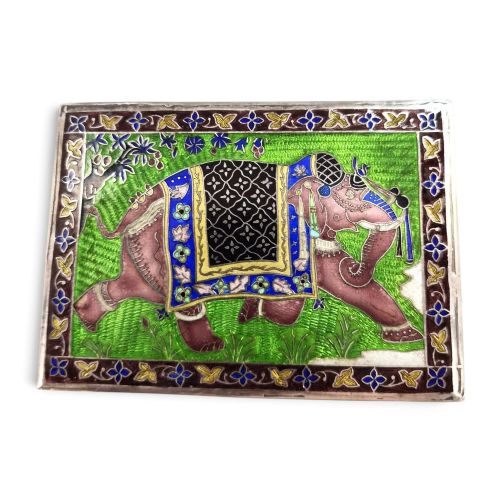
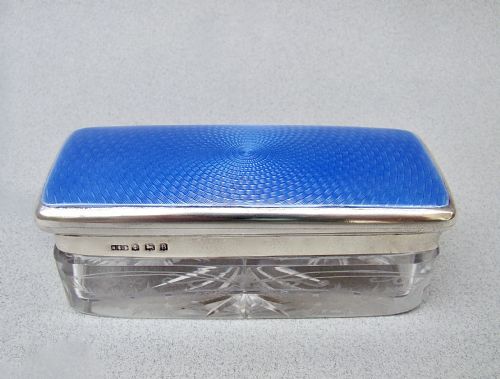
Buyers encounter everything from plain silver drum boxes to elaborate creations inset with agate, mother-of-pearl, or guilloche enamel. These containers reflect the domestic habits of past centuries, housing pins, stamps, coins, and personal ornaments.
How They Were Made
Silversmiths utilised solid sterling silver sheet, hammering, pressing, and casting the metal into bodies and hinged lids. Repousse and chased decoration required skilled hand-tooling to raise floral or figural designs from the reverse side.
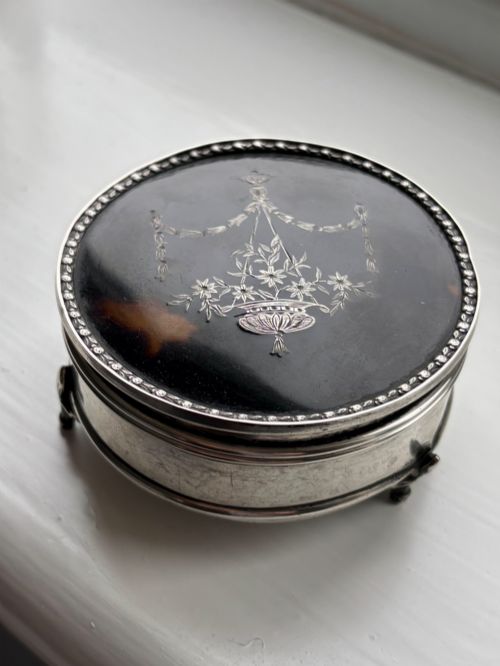
Many boxes incorporate secondary materials such as cut glass, satin glass, or Kralik glass fitted with silver mounts. Insets of tortoiseshell, enamel, and mother-of-pearl demand precise cutting and adhesive or bezel setting within the silver framework.
What Varies in Quality
The weight of the silver and the crispness of the hand-chased detail dictate the baseline of excellence. Substantial gauge silver resists bending, while sharply defined repousse work shows the hand of a master silversmith rather than a hurried press.
The integration of secondary materials defines the upper tier of production. Intact enamel without hairline fractures, unblemished tortoiseshell, and hand-cut glass bodies secured tightly to hallmarked silver rims elevate the standing of a piece.
A. J. Pepper & Co·Henry Clifford Davis·Henry Matthews·FA Barrett·Goldsmiths and Silversmiths Company·A. Bromet & Co·Mappin & Webb·Paul Storr·Thomas Shaw·Edward Smith·Cornelius Bland·Ollivant & Botsford
The Antique Sterling Trinket Box Glossary
- Hallmark
- Official stamps struck into precious metals indicating the assay office, metal purity, and date letter. These marks allow collectors to trace the exact year and origin of manufacture.
- Repousse
- A metalworking technique where the smith hammers the design from the reverse side to form a raised relief on the front. This creates tactile, three-dimensional decorative panels.
- Vinaigrette
- A small hinged box containing a perforated internal grille, historically holding a sponge soaked in aromatic vinegar. They were carried in pockets to mask unpleasant odours.
- Guilloche
- An intricate mechanical engraving technique producing precise, repeating geometric patterns beneath translucent enamel. The underlying pattern reflects light through the coloured glass coating.
- Silver Gilt
- Sterling silver that has been coated with a thin layer of gold through fire gilding or electroplating. This gives the interior or exterior a rich golden finish.
Antique Sterling Trinket Box: Frequently Asked Questions
What were antique trinket boxes used for?
These boxes held daily personal items such as hairpins, rings, buttons, and folded correspondence on dressing tables and writing desks. Smaller variants like pill boxes and snuff boxes travelled easily in pockets or reticules.
Their contents shifted according to fashion, accommodating stamps, calling cards, and sewing implements as decades progressed through the Victorian and Edwardian eras.
How do I date an antique silver box?
Dating relies primarily on the stamped hallmarks found on the silver body and inside the lid. These assay marks include a standard mark, a city symbol, and a specific date letter corresponding to the active year.
Stylistic cues such as Art Nouveau whiplash lines or heavy Victorian scrollwork provide secondary confirmation of the manufacturing period.
Are enamel and glass inserts original?
Original inserts fit the silver mounts precisely without excessive adhesive or loose gaps around the edges. Glass bodies often display period-appropriate wear, ground pontil marks, or specific manufacturing traits like Kralik iridescence.
Enamel panels should sit flush within their bezels, showing consistent colour and matching the expected palette of the stamped year.
How should I clean antique sterling silver?
Maintenance requires minimal intervention using a soft microfibre cloth designed for silver to remove surface tarnish. Aggressive chemical dips should be avoided, particularly on boxes featuring enamel, glass, or tortoiseshell elements.
Careful handling protects delicate hinges, delicate repousse detailing, and internal gilding from unnecessary wear.