


Silver Ring Casket
These silver ring caskets are small, precious containers designed to safeguard your most delicate jewellery, combining practical utility with exquisite craftsmanship.
What a silver ring casket is
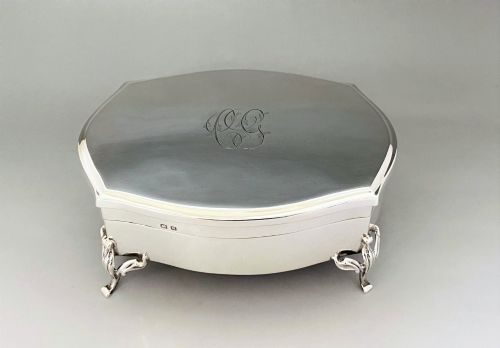
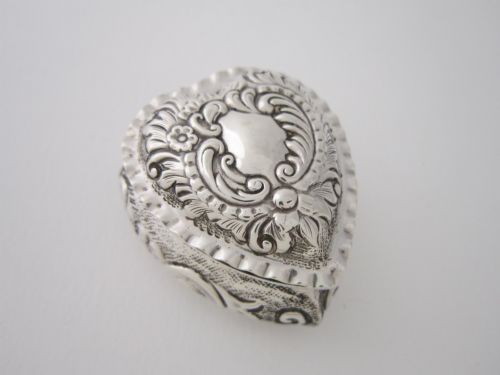
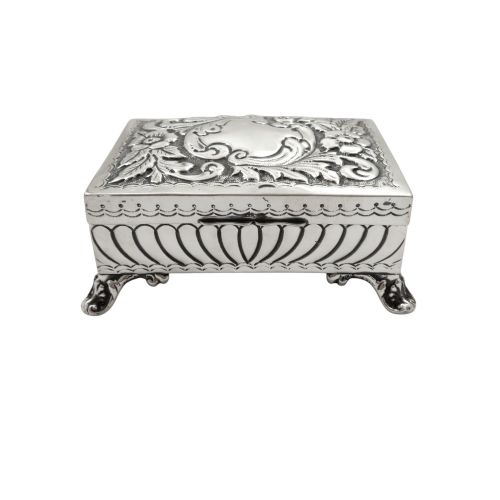
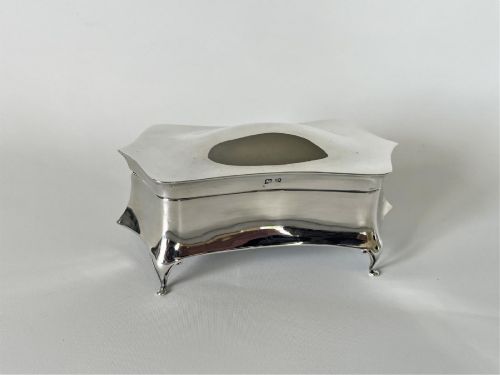
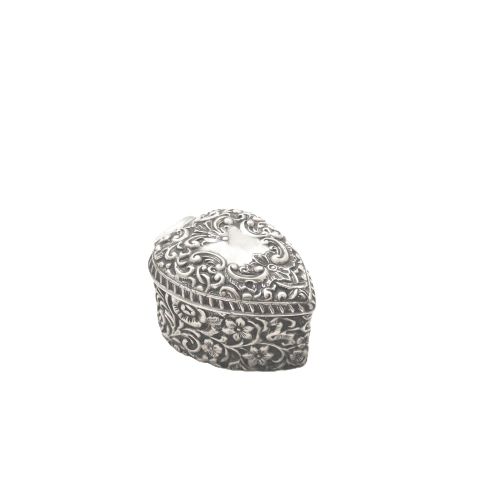
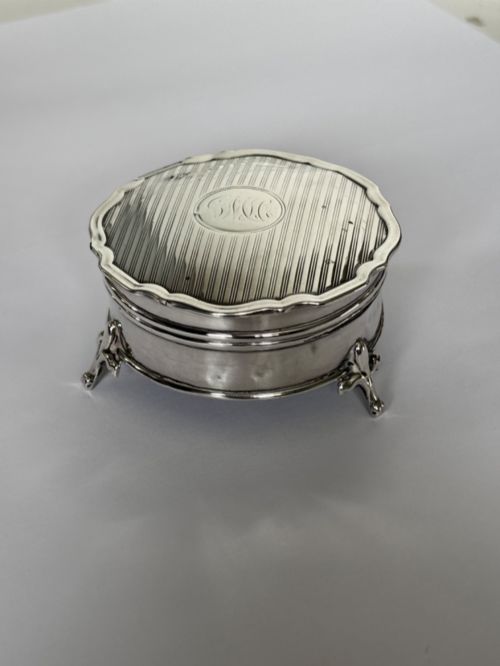
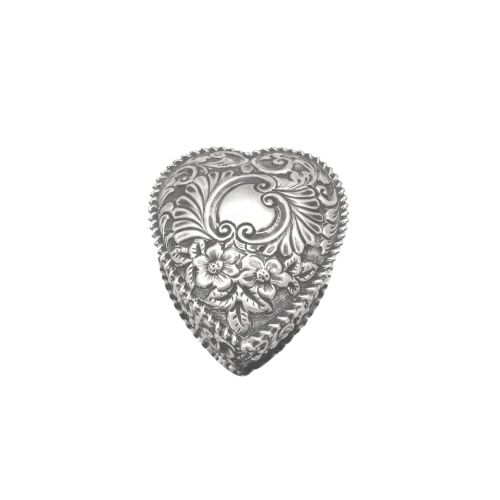
A silver ring casket is a compact dressing table box created to hold rings, pins, and small trinkets safely. The versions you are most likely to meet on this page span the Victorian, Edwardian, and George V periods.
These pieces function as miniature chests for personal valuables, often featuring specialised interior pads or velvet linings. They appear primarily as jewellery boxes, trinket boxes, and pin cushion lidded caskets.
How they were made
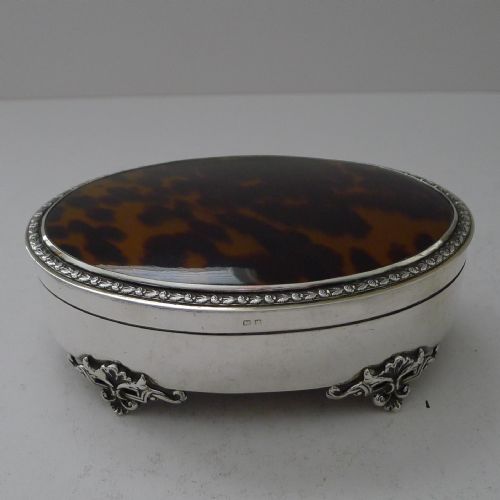
Silversmiths utilised sterling silver alongside organic materials such as tortoiseshell to construct these diminutive boxes. Techniques involved forming and piercing silver sheets to create sturdy yet ornate body structures.
Lids were frequently hinged and sometimes incorporated textile inserts like pin cushions or fitted velvet bases. Birmingham assay offices stamped many of these creations to guarantee their metal standard.
Retail Price Guide 2026
Typical UK retail prices for silver ring casket, calculated from the Sellingantiques database of over a million retail prices indexed since 2003. This retail price guide relies exclusively on Sellingantiques data; no external sources or auction records are used, so the figures do not describe the wider market.
Some lids doubled as pin cushions, meaning your grandmother's jewellery box was also secretly a Victorian sewing kit.
What varies in quality
Quality rests upon the crispness of the chased or pierced silver work and the integrity of any tortoiseshell panels. Superior examples display refined proportions and deliberate detailing rather than simple, plain construction.
The sophistication of the interior fitting and the weight of the sterling silver define the upper tier of these caskets. Minor variations in period hallmarks also distinguish the maker's attention to official standardisation.
The Silver Ring Casket Glossary
- Sterling silver
- An alloy consisting of ninety-two point five percent silver and seven point five percent other metals, usually copper. This standard composition provides the durability required for everyday dressing table items.
- Tortoiseshell
- A material sourced from the shell of certain turtle species, historically used for decorative overlay on boxes. It adds a warm, mottled amber tone that contrasts sharply with polished silver.
- Hallmark
- An official stamp applied by an assay office to indicate the metal purity, origin city, and date letter. Birmingham marks appear frequently on these pieces.
- Pin cushion
- A padded section integrated into the lid of a box to hold loose pins and needles safely in place. This feature transforms a standard trinket box into a dual-purpose sewing accessory.
Frequently Asked Questions
How were silver ring caskets used?
These caskets rested on dressing tables to store rings, small brooches, and pins overnight. Their soft interiors protected delicate metals and gemstones from scratching.
They also served as decorative items in Victorian and Edwardian bedrooms, reflecting the owner's taste and wealth.
How do I clean a silver casket?
Clean the exterior using a soft cloth and a gentle silver polish specifically formulated for antiques. Avoid getting polish on any tortoiseshell or fabric linings.
Regular, careful dusting helps maintain the natural lustre of the silver without wearing down the chased details.
What periods do these boxes come from?
The pieces available span the Victorian, Edwardian, and George V eras, generally dating from the late nineteenth century into the early twentieth century.
Each period brings distinct stylistic nuances, from ornate Victorian piercing to cleaner Edwardian silhouettes.
Can I store modern rings in them?
Yes, modern rings fit comfortably inside these historic boxes. The internal slots and pads are well-suited for holding contemporary bands and stones.
Using them daily connects modern habits with traditional dressing table practices.