
Edwardian Silver Pocket Chain
An edwardian silver pocket chain is a functional length of metal links designed to secure a timepiece.
Edwardian Silver Pocket Chain
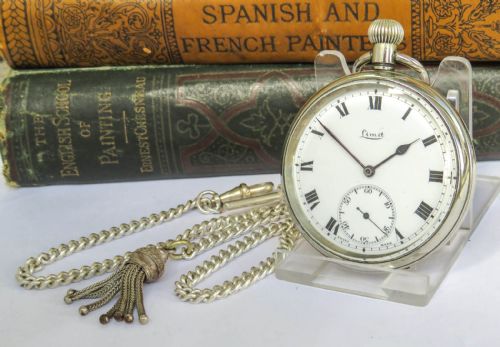
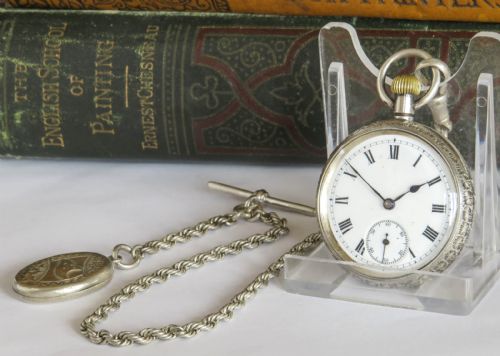
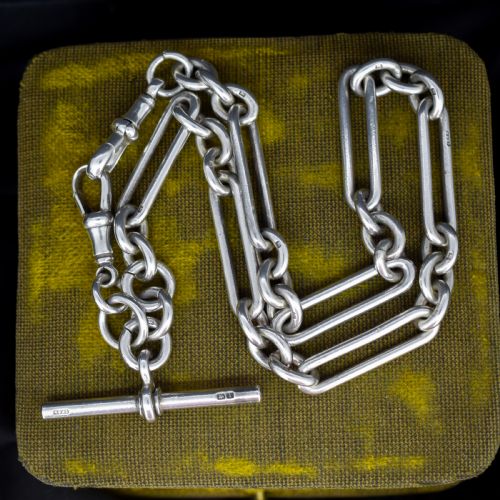
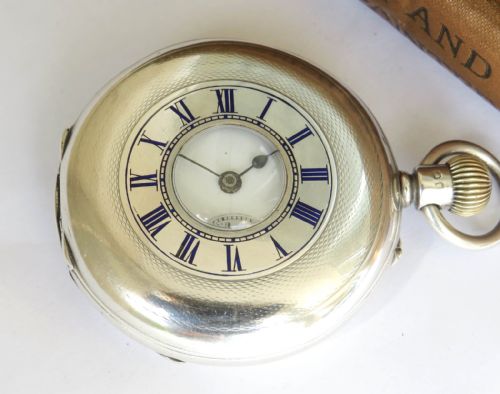
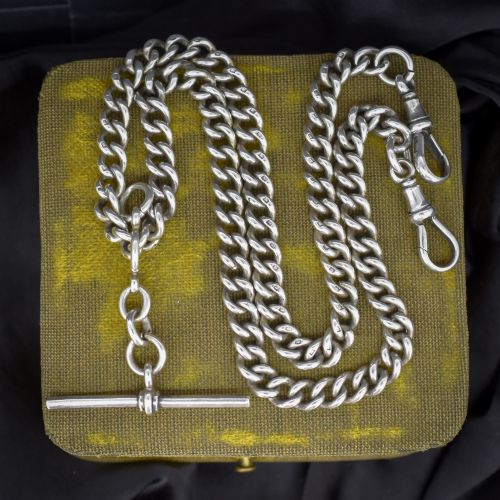
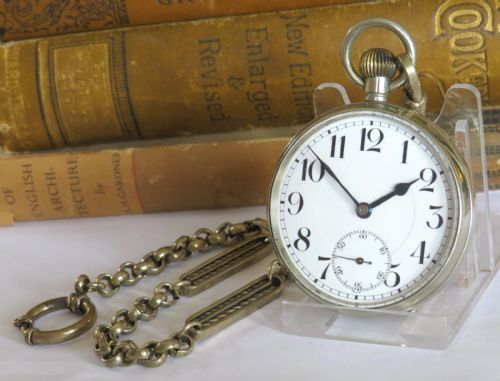
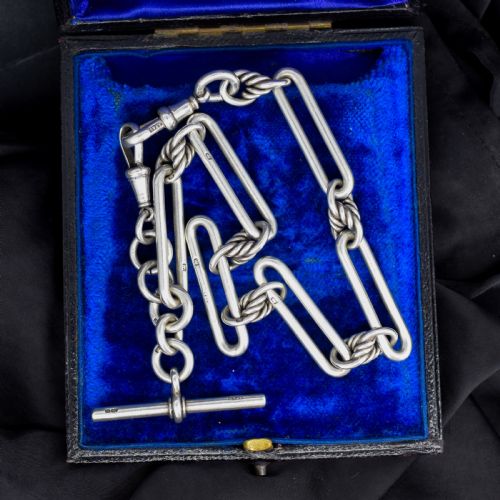
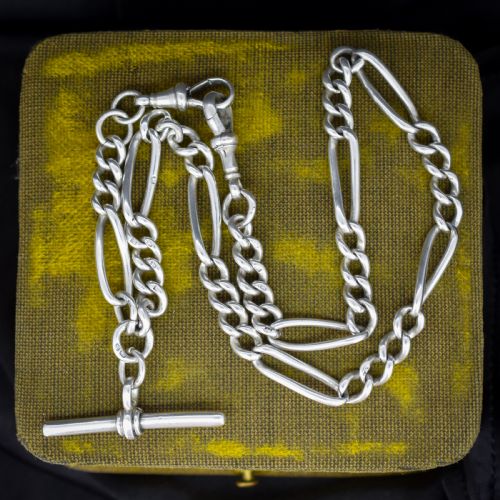
An edwardian silver pocket chain connects a timepiece to a waistcoat or garment, spanning periods from the late nineteenth century into the 1930s. Buyers searching this phrase encounter substantial curb links, intricate trombone formations, and fancy link designs alongside matching pocket watches.
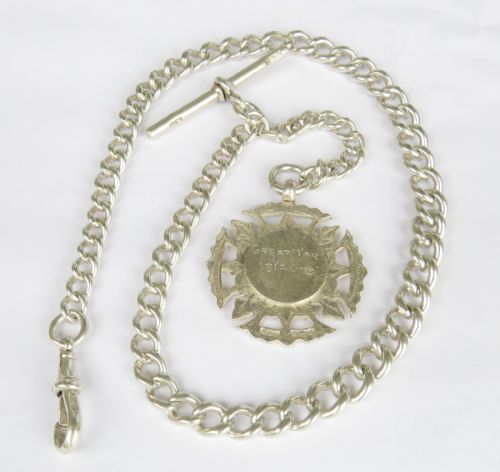
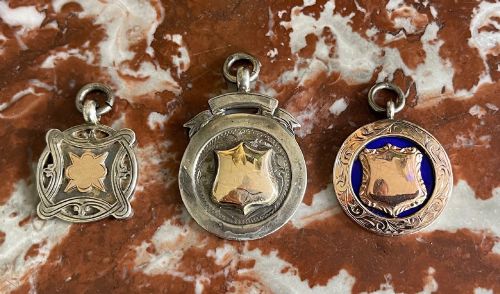
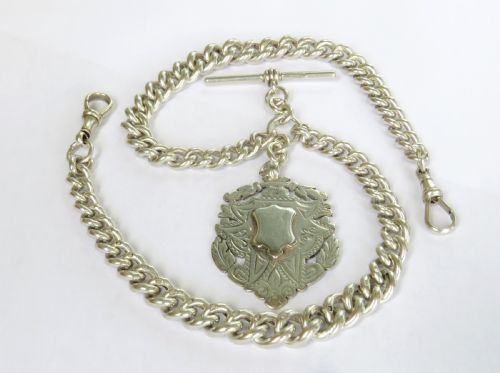
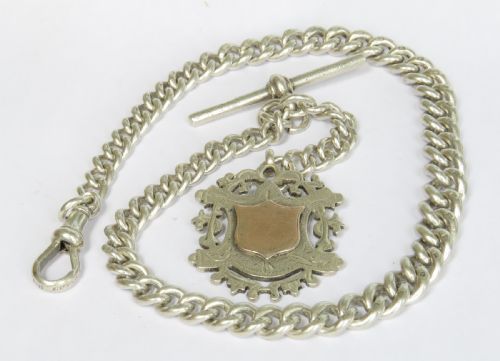
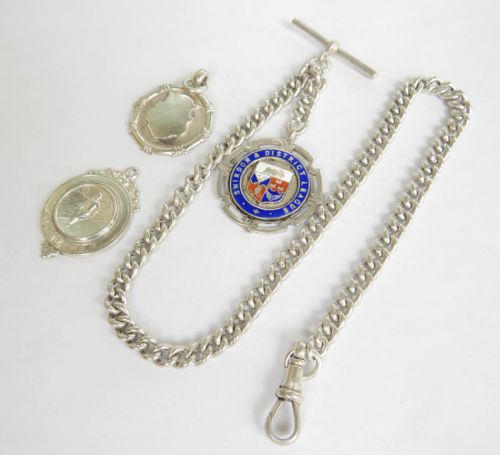
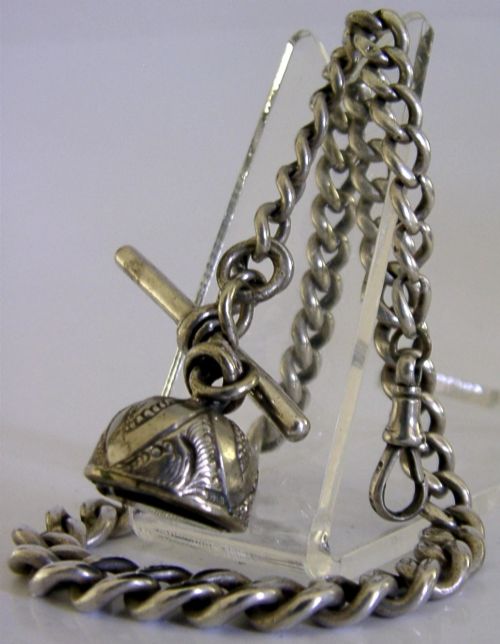
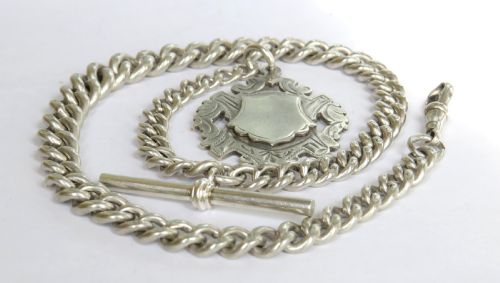
Many examples incorporate accessories such as dog clips, T-bars, and dangling fobs relating to sports, seals, or match safes. The styles bridge Victorian traditions and early twentieth-century manufacturing, reflecting a period when wearable silver held daily utility.
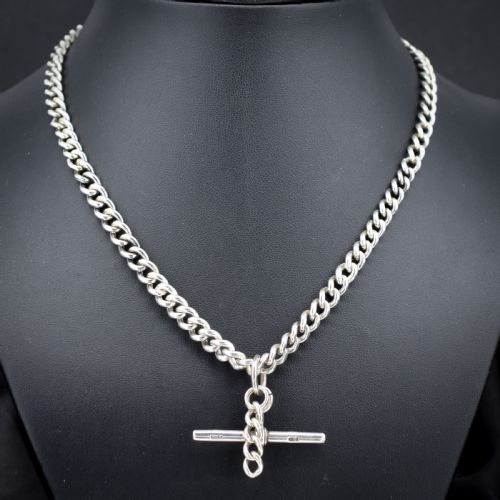
Originating largely from British workshops and assay offices, these pieces survive in single and double albert configurations. They frequently double as necklaces or bracelets depending on length and proportion.
Materials and construction
Makers utilised sterling silver, niello silver, and base metals alongside occasional gold highlights to construct these links. Individual links were stamped, drawn, or cast before being assembled by hand into robust chains.
Components such as dog clips, swivel connectors, and T-bars required precise mechanical joints to withstand daily wear. Enamel, glass, and steel elements were integrated into associated fobs and companion timepieces.
Listings feature sterling silver, niello, and brass across periods spanning the late nineteenth century to the 1930s.
Determinants of quality
Quality rests in the weight of the silver, the crispness of the link stamping, and the integrity of the individual joints. Substantial curb links and complex trombone patterns demand greater skill in assembly than simple uniform strands.
The presence of matching hallmarks, original dog clips, and associated functional fobs elevates an example. Wear on the pivot points of swivels and the tightness of spring gates distinguish heavily used pieces from well-preserved survivors.
Crisford and Norris
The Edwardian Silver Pocket Chain Glossary
- T-bar
- The crossbar component attached to the centre of an albert chain. It slips through a buttonhole to anchor the chain securely.
- Dog clip
- A spring-loaded snap hook fitted to the end of a watch chain. It fastens securely to the loop of a pocket watch.
- Trombone link
- A watch chain link style composed of alternating long rectangular bars and small round connecting rings. It offers a distinct geometric appearance.
- Vesta case
- A small pocket container used to hold matches. These frequently appear suspended as fobs from watch chains.
Edwardian Silver Pocket Chain: Frequently Asked Questions
How do I wear an edwardian silver pocket chain today?
These chains can be worn across a waistcoat using the T-bar through a buttonhole, much like their original purpose. Alternatively, shorter lengths function well as necklaces or wrapped bracelets.
Matching dog clips allow pendants or pocket watches to attach securely at either end. The substantial weight of curb and trombone links suits contemporary jewellery styling.
What is the difference between an albert chain and a standard watch chain?
An albert chain specifically incorporates a T-bar meant for securing the piece through a garment buttonhole. Standard watch chains may simply link a watch to a pocket without this specific anchoring crossbar.
Double albert variations feature two strands meeting at a central drop, often carrying a medallion or fob. Single alberts run directly from the watch to the anchor point.
What items are commonly attached as fobs?
Watch chains frequently host decorative or utilitarian pendants known as fobs. Common examples include sports medallions, stamp cases, vesta boxes, and compasses.
These additions reflect the personal interests and daily habits of the original owners. They attach via the central drop or directly to the dog clip.
How can I tell the period of a silver pocket chain?
Dating relies heavily on hallmarks stamped onto the links, T-bars, and dog clips, which indicate the assay office and year of manufacture. Stylistic shifts from Victorian ornamentation to early twentieth-century restraint also provide clues.
Associated pocket watches or dated fobs help narrow the era of use. Construction techniques, such as hollow versus solid links, align with specific decades.