



Edwardian Pocket Watch Accessory
An edwardian pocket watch accessory is a functional companion to timekeeping, offering both utility and wearable presence for the discerning collector.
Edwardian Pocket Watch Accessory
When searching for an edwardian pocket watch accessory, buyers encounter a diverse selection of items designed to accompany or house portable timepieces and currency. These pieces bridge daily utility and decorative adornment, reflecting the practical habits of the era.
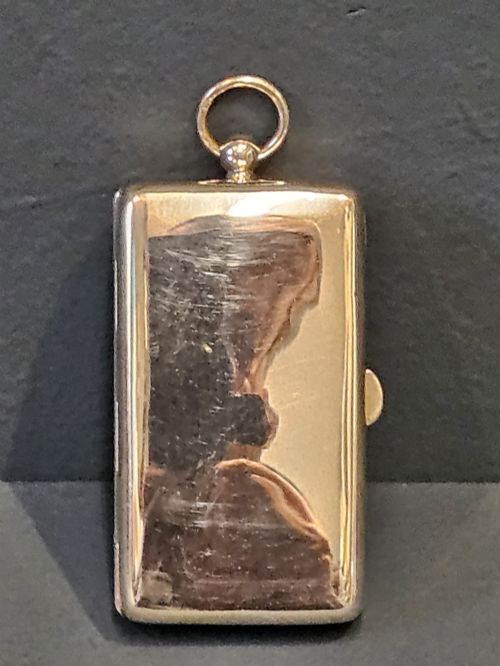
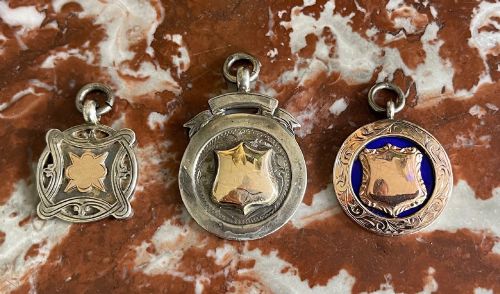
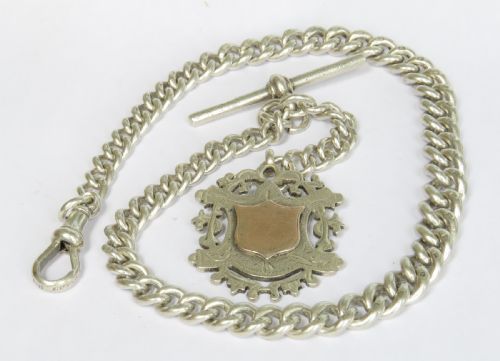
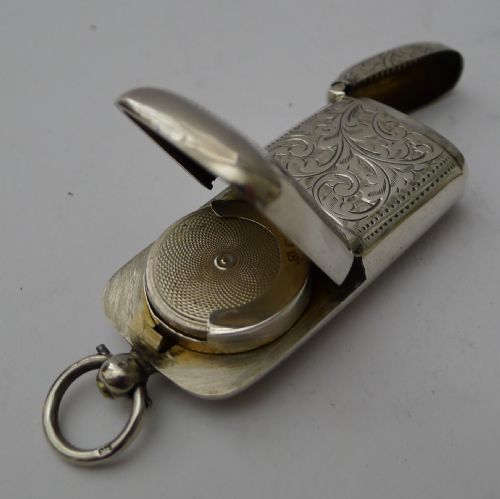
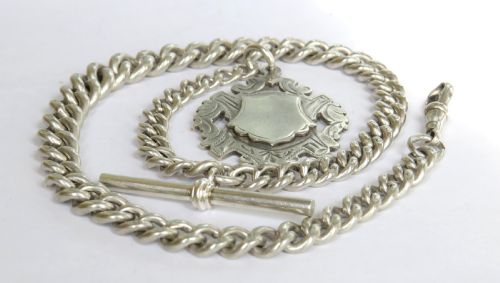
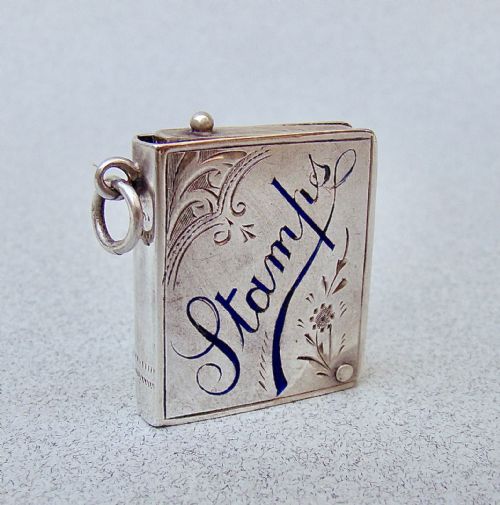
The assortment on this page most frequently includes sterling silver pocket watch chains, often styled as alberts fitted with swivel fobs, T-bars, and dog clips. Alongside chains, one meets sovereign cases, vesta cases, stamp cases, and desk accessories incorporating timepieces.
Origins span the late Victorian period through the Edwardian era into the reign of George V, with hallmarks pointing prominently to Birmingham and Chester assay offices. Materials range from solid yellow gold and rolled gold to sterling silver, frequently enhanced by enamel or carnelian.
How they were made
Silversmiths and goldsmiths utilised traditional metalworking techniques such as casting, stamping, and hand-engraving to form links, cases, and desk pieces. Sterling silver and nine-carat gold served as the primary media, shaped into robust albert chains, hinged sovereign holders, and heavy capstan inkwells.
Surface ornamentation often involved guilloche enamel work, adding vibrant colour and texture to watch stands and travel cases. Hallmarks stamped directly into the metal recorded the assay office, standard of fineness, and year of manufacture, providing a permanent record of origin.
Capstan inkwells doubled as timepiece homes, ensuring writers kept both time and ink close at hand.
What varies in quality
Quality in these items rests upon the weight of the metal, the crispness of the hallmarks, and the structural integrity of hinges and clasps. Heavier gauge silver chains and solid gold albert links demonstrate superior substance compared to lighter, hollow alternatives.
The refinement of decorative elements, such as intact guilloche enamel without loss or fracture and sharp, unrubbed engine-turned engraving, distinguishes finer examples. Maker marks from notable workshops further elevate the standing of a piece within its category.
Aaron Lufkin Dennison·Crisford Norris
The Edwardian Pocket Watch Accessory Glossary
- Albert chain
- A chain attached to a pocket watch, designed to be secured through a buttonhole or clipped to a waistcoat pocket. It often includes a T-bar at one end and a swivel clasp at the other.
- Vesta case
- A small pocket container specifically manufactured to hold matches and keep them dry. Many combined functions to house sovereigns or stamps alongside.
- Sovereign case
- A small, round, hinged metal container made to hold British sovereign gold coins securely in the pocket. They frequently paired with vesta cases in dual-purpose designs.
- Guilloche enamel
- A decorative technique where a precise geometric pattern is mechanically engraved beneath a translucent layer of enamel. This creates depth and plays with light across the surface of watch stands or cases.
- T-bar
- A small transverse bar attached to the centre of an albert chain, slipped through a waistcoat buttonhole to anchor the chain securely. It represents a defining component of period watch wear.
Edwardian Pocket Watch Accessory: Frequently Asked Questions
How do I use a sovereign case?
A sovereign case is a small spring-loaded container built to hold gold sovereign coins safely in the pocket. The hinged lid snaps shut to prevent loss while allowing quick access.
Many examples from this era combine this coin storage with a vesta compartment for matches, reflecting period habits.
What materials are most common?
Sterling silver and nine-carat yellow gold dominate the surviving pieces, frequently accompanied by rolled gold variations. Enamel and carnelian appear as decorative accents on fobs and cases.
Assay office hallmarks stamped on the metal confirm these material standards and date the pieces precisely.
How are desk accessories dated?
Desk accessories like inkwells and watch holders are dated using hallmarks stamped directly into the silver or gold components. These assay marks indicate the city of testing and the exact year of production.
Stylistic cues such as capstan shapes and integrated timepieces also help align pieces with the Edwardian period.