


Edwardian Silver Pepper Shaker
These edwardian silver pepper shaker pieces are miniature table silver designed to dispense seasoning with formality, adding period charm to any dining table.
Edwardian Silver Pepper Shaker
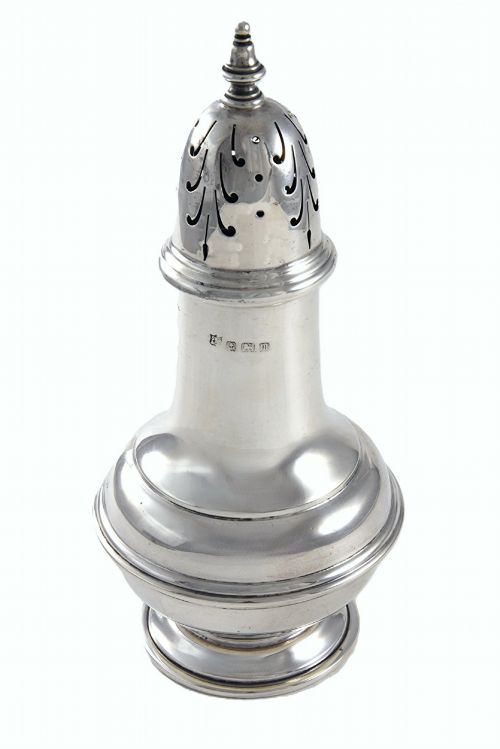
An edwardian silver pepper shaker represents a distinct class of domestic tableware designed for individual place settings or communal dining. The selection includes standard cylindrical casters alongside whimsical novelty forms modelled as animals and figures. While the overarching search phrase targets the Edwardian era, surviving examples span from the Victorian period through to the 1930s, encompassing George V and Georgian Revival styles.
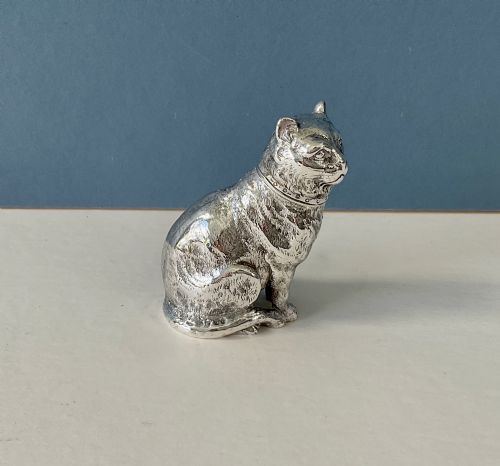
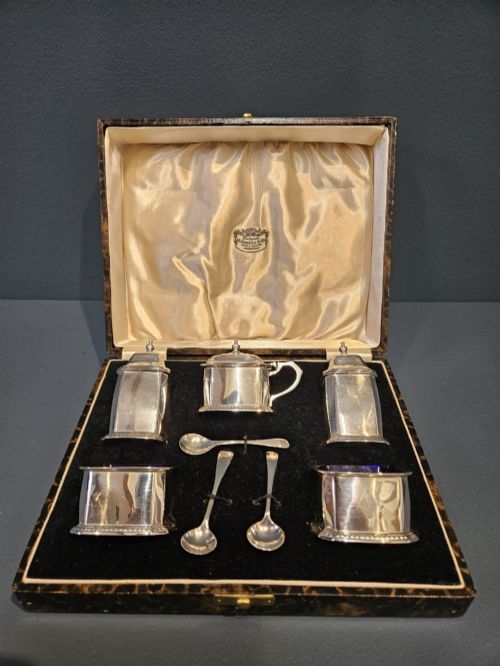
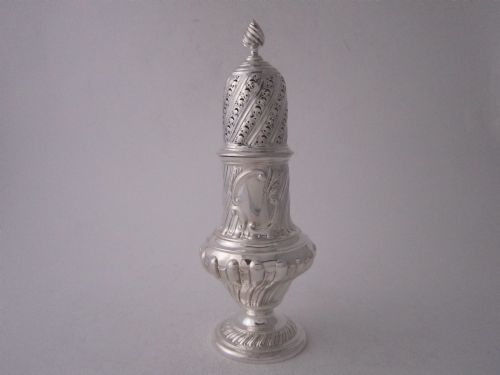
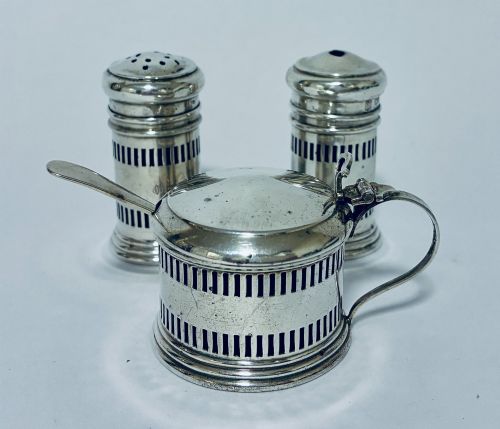
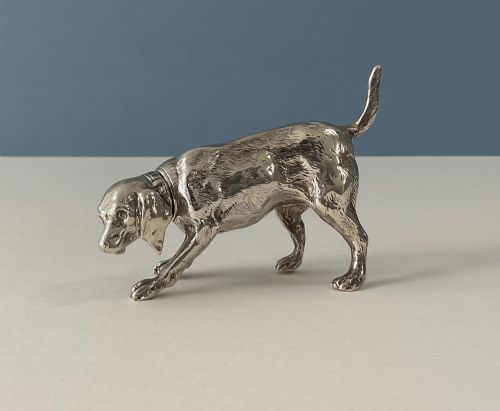
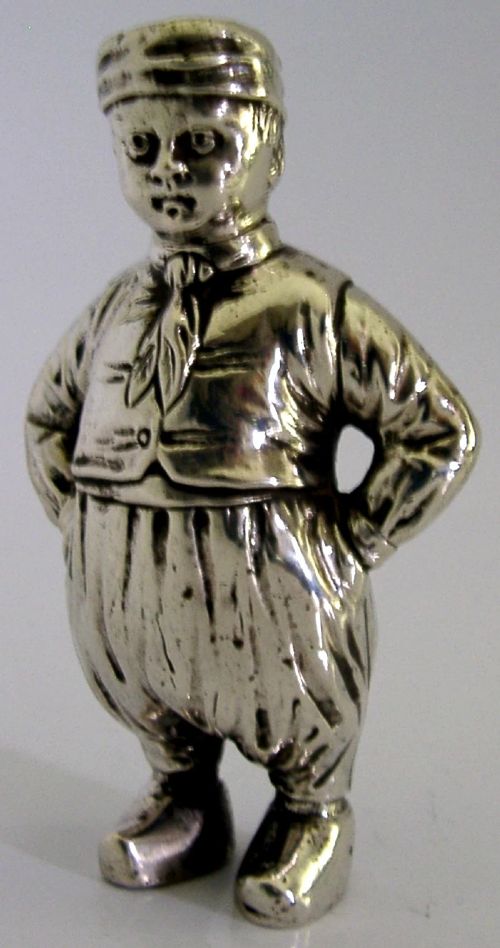
Buyers will encounter both single pepper pots and those forming part of larger multi-piece cruet sets or condiment stands. Materials extend beyond solid sterling silver to include silver plate, cut glass, and contrasting blue glass liners. Forms range from utilitarian pepperettes and sugar shakers to sculptural novelty pieces depicting dogs, cats, owls, and chicks.
How They Were Made
The primary material used across these listings is sterling silver or solid silver, supplemented by silver plate for larger condiment stands. Glass components, including cut glass and blue glass liners, appear frequently in combination with the metalwork. Velvet is also utilised in fitted presentation cases for cased sets.
Manufacturing methods rely on traditional silversmithing techniques such as casting, piercing for the shaker top, and hand-chasing for surface detail. Novelty items require detailed modelling to replicate animal and figural forms accurately.
Silversmiths modelled tiny pepper pots into surprisingly fierce bulldogs, attentive owls, and chubby chicks ready for the dining table.
What Varies in Quality
Quality in these small silver pieces rests upon the crispness of the modelling and the weight of the metal utilised. Heavier solid silver examples demonstrate superior substance compared to lighter counterparts or silver-plated alternatives.
Artistry also dictates worth, particularly in novelty pepper pots where anatomical precision and expressive detailing in animal or figural forms separate standard production from master craftsmanship.
Goldsmith & Silversmith's·Barker Brothers·Sampson Mordan
The Edwardian Silver Pepper Shaker Glossary
- Cruet set
- A matched collection of condiment containers, typically holding oil, vinegar, mustard, salt, and pepper within a tabletop frame.
- Pepperette
- A small shaker designed specifically for ground pepper, often matching a corresponding salt cellar in a condiment service.
- Sugar caster
- A tall, perforated vessel used for sprinkling powdered sugar onto desserts or baked goods.
- Pounce pot
- A historical container with a perforated lid used to sprinkle resin powder onto parchment before writing.
- Hallmark
- Official stamps struck onto precious metals indicating the assay office, purity standard, and year of manufacture.
Edwardian Silver Pepper Shaker: Frequently Asked Questions
Are these pepper shakers safe to use daily?
Most solid silver and silver-plated shakers remain fully functional for modern dining tables, provided they receive gentle hand washing.
Silver is a soft metal, so avoid abrasive cleaners to preserve the original surface and any chased detailing.
How do I clean tarnished silver pepper pots?
Regular polishing with a specialised silver cloth or mild liquid polish removes oxidation without damaging the metal.
Keep glass liners and cork stoppers separate during cleaning to prevent moisture damage to internal components.
What is the difference between a pepperette and a caster?
A pepperette is typically smaller and forms part of a matched cruet set designed for the dining table.
A sugar caster stands taller with a larger capacity, originally intended for kitchen or sideboard use.
How can I tell an Edwardian piece from a Victorian one?
Examining the official hallmarks stamped on the base provides the precise assay office and year of manufacture.
Stylistic shifts also help, as Edwardian silver often favours lighter neoclassical motifs compared to heavier Victorian designs.