


Antique Pepper Caster Set
An antique pepper caster set brings period elegance to the dining table, offering finely pierced silver and cut glass for daily service.
Antique Pepper Caster Set
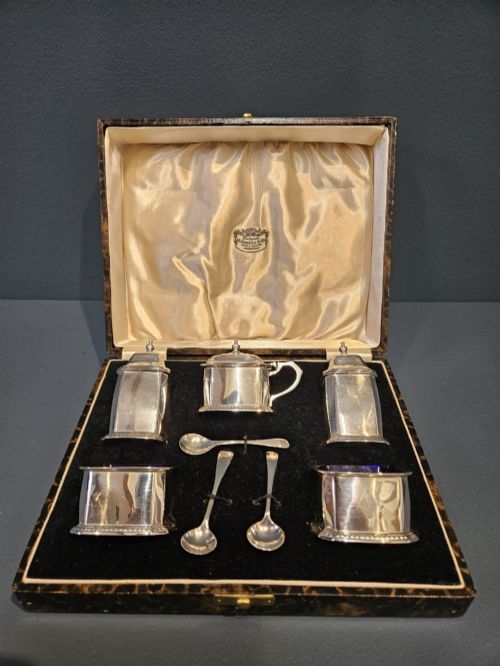
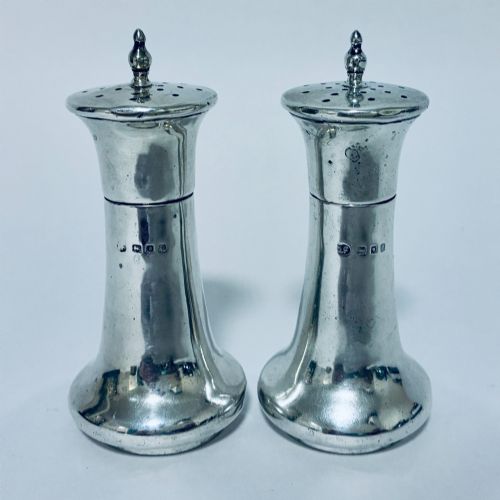
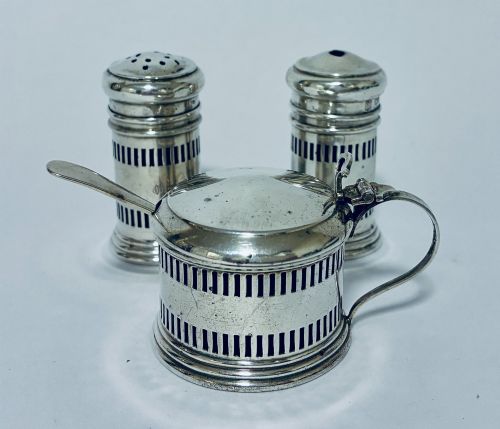
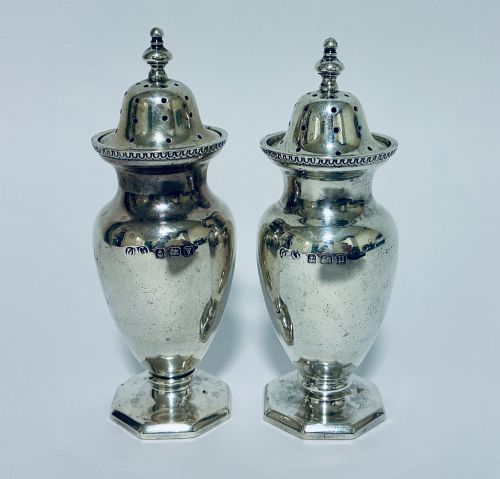
An antique pepper caster set comprises matched or part-matched vessels designed for seasoning food at the table, frequently appearing as standalone pairs of pepper pots, multi-bottle cruet frames, or complete condiment services alongside salt cellars and mustard pots. The examples gathered here span from the Georgian era through the Victorian, Edwardian, and Art Deco periods, showcasing a rich variety of forms.
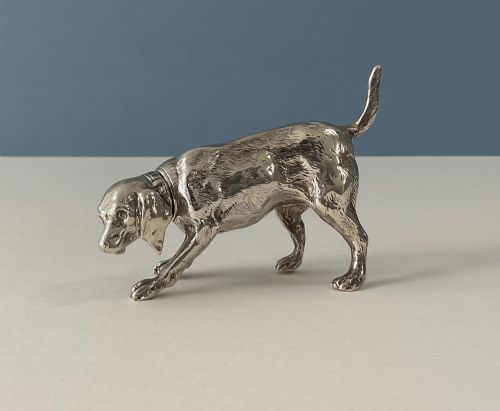
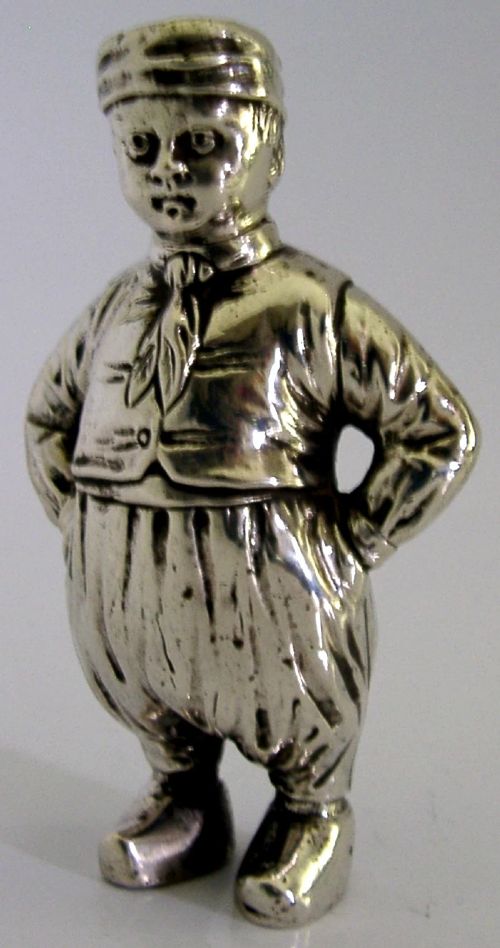
Buyers will most commonly encounter Edwardian and Victorian silver-plated or sterling silver sets, often combining cut glass bottles with pierced metal tops. Novelty forms shaped as animals, birds, and figures also emerge regularly across the nineteenth and early twentieth centuries, reflecting the whimsical tastes of Victorian and Edwardian silversmiths.
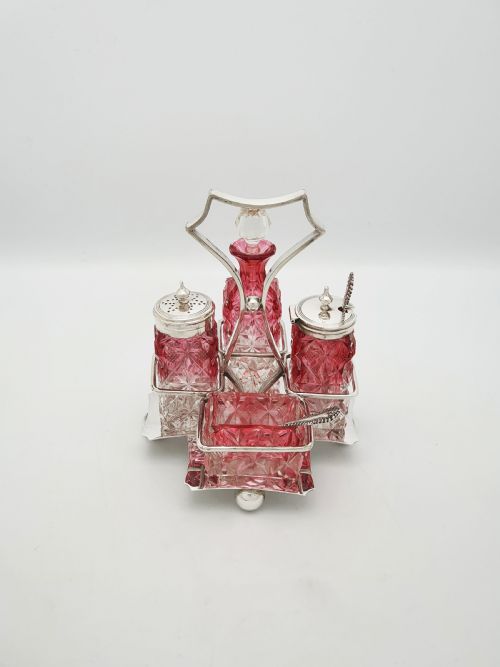
Larger formats include multi-bottle frames designed to hold oil, vinegar, salt, and pepper simultaneously, while bachelor sets offer a more compact arrangement intended for smaller households. Whether choosing a simple pair of sterling pepperettes or a substantial Georgian frame with multiple casters, each configuration demonstrates the shifting domestic habits of past centuries.
Materials and Techniques
The primary metals utilised across these pieces are sterling silver and silver plate, the latter involving a thin layer of silver fused to a base metal core such as copper or Britannia metal. Silversmiths shaped these materials through spinning, stamping, and casting, before applying hand-chased details and pierced decorative patterns to the lids.
Glass elements, particularly in multi-bottle cruet frames, were produced using heavy-lead cut glass or moulded glass, sometimes featuring cranberry flashed surfaces or delicate pressed facets. These glass bottles were then fitted with threaded or push-on metal collars and pierced caps that allowed the dry condiments to be shaken freely over food.
Listings feature sterling silver and silver plate alongside cut glass, spanning the Georgian, Victorian, Edwardian, and Art Deco periods.
Assessing Quality
The distinction between standard domestic wares and top-tier pieces rests on the crispness of the piercing on the caster tops and the weight of the metal. Heavier gauge sterling silver and deeply hand-cut crystal bottles indicate superior manufacture, whereas lighter electroplate and simpler press-moulded glass represent more utilitarian production.
Makers' marks and hallmarks provide a reliable indicator of pedigree, with well-known silversmiths commanding greater attention through superior chasing, balanced proportions, and fully legible stamps. The survival of an entire matching suite of bottles within an original cruet frame also elevates a set above mismatched or later assembled components.
Goldsmith & Silversmith's·Mappin Brothers·Walker & Hall·Charles Thomas Fox·Wilmot Manufacturing Co.·Thomas Pritchard
The Antique Pepper Caster Set Glossary
- Caster
- A small container with a pierced top used for sprinkling sugar, pepper, or other dry condiments over food. These vessels date back to the seventeenth century and became staples of the dining table.
- Cruet
- A small glass or ceramic bottle used for holding vinegar, oil, or other liquid condiments, usually housed within a fitted metal frame or stand. Sets often include matching pepper and mustard pots.
- Pepperette
- A small shaker designed specifically for ground pepper, differing from a taller caster by its domestic scale. They appear frequently in matched pairs or novelty animal shapes.
- Sterling Silver
- An alloy containing 92.5 percent silver by weight, combined with other metals such as copper to increase durability. British pieces bear official hallmarks indicating the assay office and date.
- Silver Plate
- A base metal substrate coated with a thin layer of pure silver, popularised during the nineteenth century to provide the appearance of solid silver at a lower cost.
Antique Pepper Caster Set: Frequently Asked Questions
What is a cruet set?
A cruet set is a matched collection of glass bottles and metal containers designed to hold table condiments like oil, vinegar, salt, and pepper in a shared frame.
These sets sat in the centre of the dining table for easy access during meals, combining practical function with decorative silver or plated display.
How do I clean antique silver?
Antique silver requires gentle cleaning with a soft cloth and a reputable silver cream specifically formulated for vintage metals.
Avoid harsh dips or abrasive brushes that can strip the natural patina and wear away thin silver plating on older pieces.
What are novelty pepper pots?
Novelty pepper pots are whimsical condiment containers shaped to resemble animals, birds, figures, or everyday objects rather than standard urns.
Victorian and Edwardian makers produced these in large numbers, turning functional dining accessories into engaging conversation pieces for the table.
How do I date an antique caster?
Dating an antique caster involves examining the stamped hallmarks on the metal components, which reveal the assay office, maker, and year of production.
Stylistic cues such as Georgian facet-cutting, Victorian floral chasing, or Art Deco geometric lines also help place the piece within a specific era.