
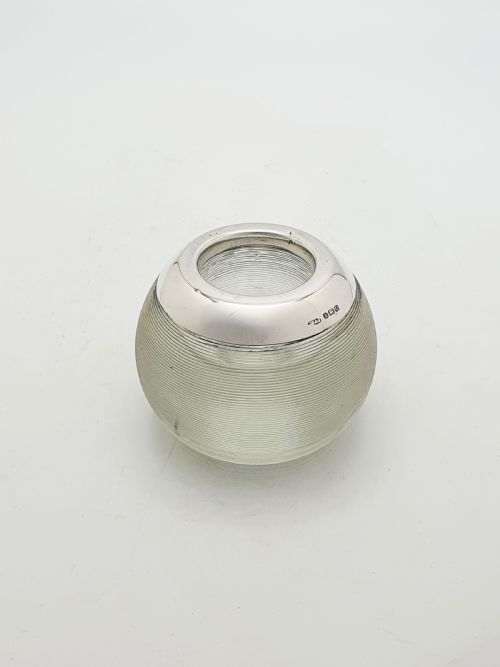


Edwardian Silver Glass Pot
When seeking an edwardian silver glass pot, you discover useful containers that combine sterling silver or silver plate with cut, coloured, or textured glass.
Edwardian Silver Glass Pot
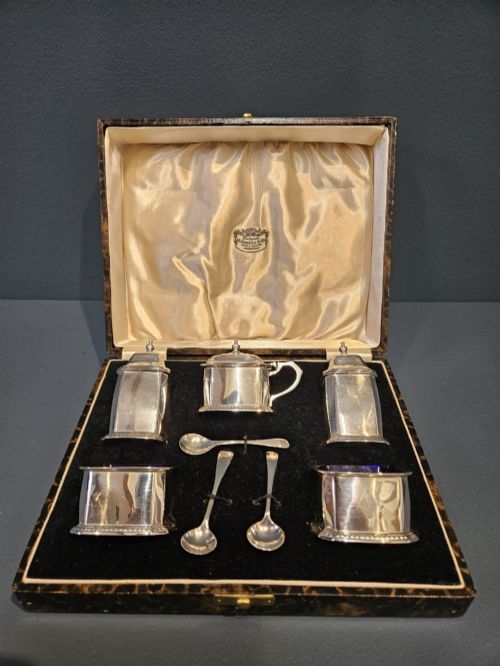
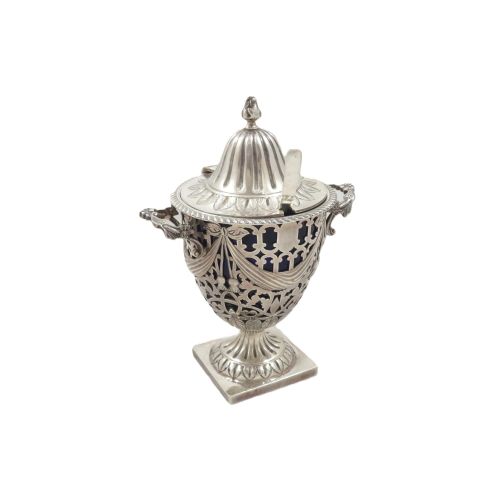
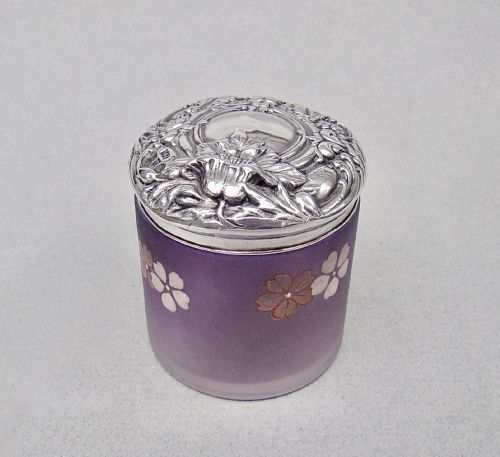
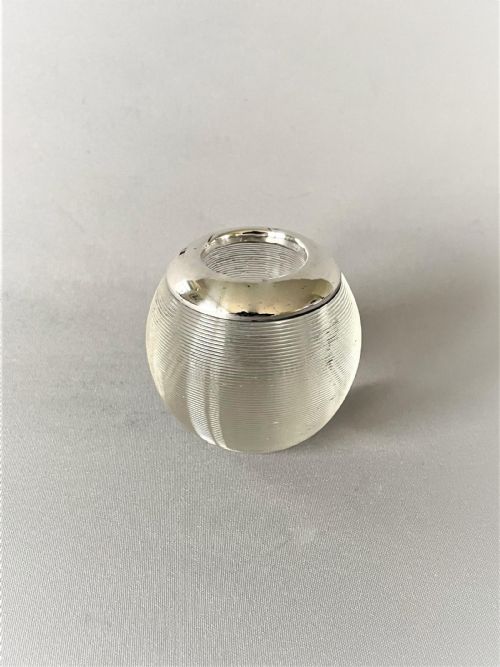
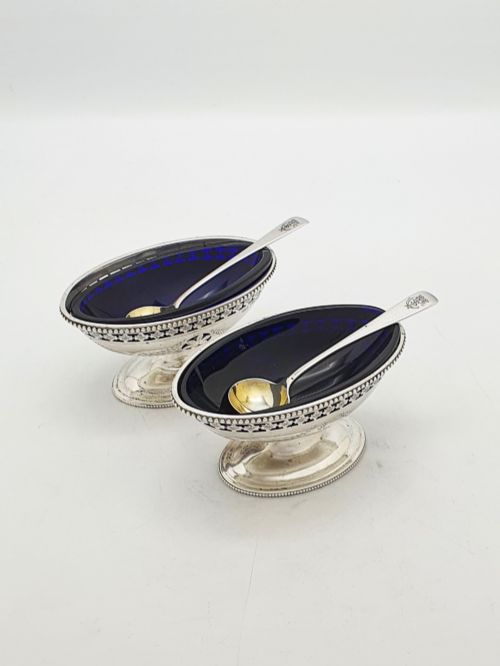
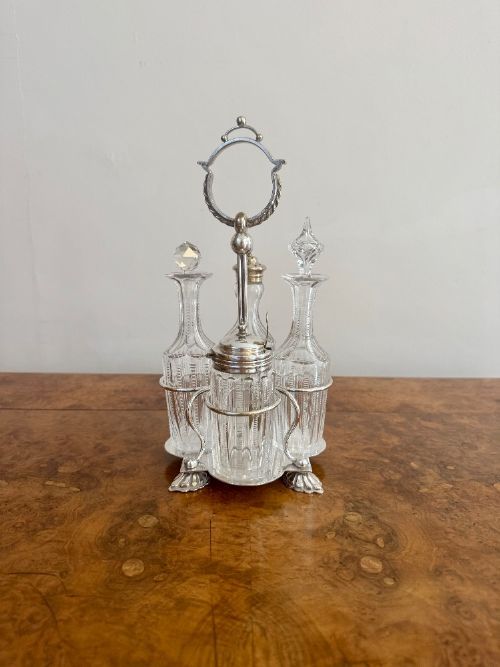
An edwardian silver glass pot encompasses a wide assortment of functional vessels made for the dressing table, desk, and dining room. The selection includes cruet sets, trinket boxes, vanity jars, inkwells, match strikers, and jam pots produced during the late Victorian and Edwardian eras.
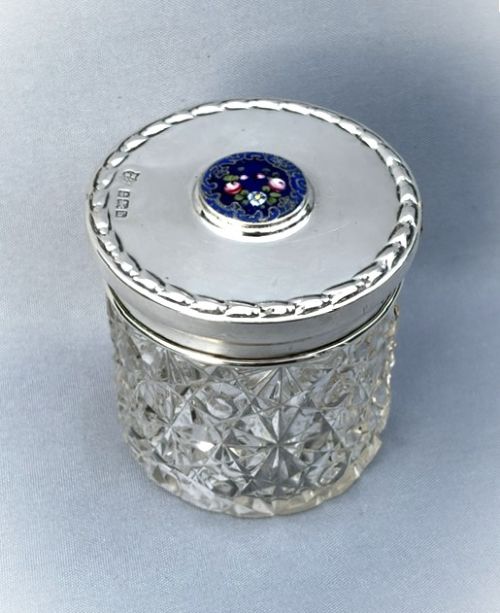
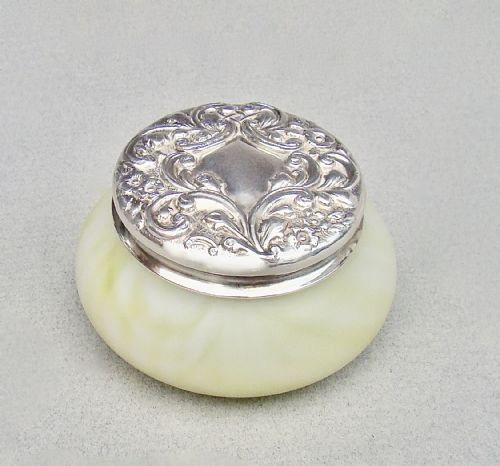
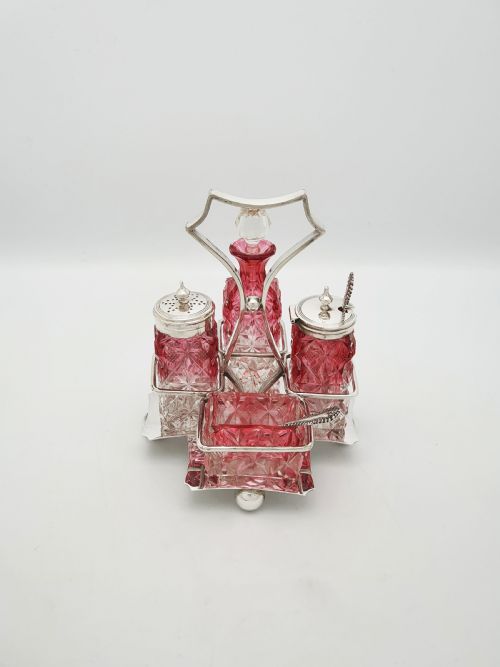
Most examples pair a glass base with a hallmarked sterling silver or silver plated lid, collar, or mount. Buyers frequently encounter vessels featuring cut glass, cranberry glass, and enamelled details from Birmingham and Chester makers.
How They Were Made
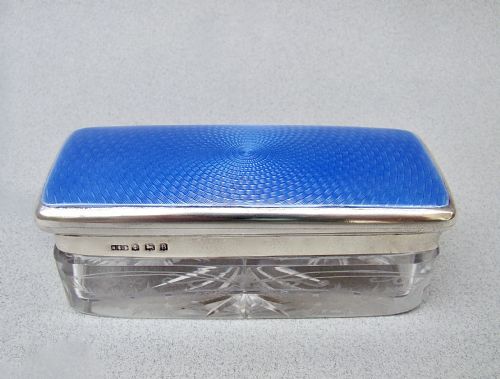
Silversmiths shaped mounts, lids, and frames from sterling silver or silver plate, often applying guilloche enamel, wirework, or embossed motifs. Glass bodies were blown, moulded, hobnail cut, or flashed in colours such as cranberry, cobalt, and amethyst.
Makers joined the metal components securely to the glass vessels using plaster or specialised adhesives, finishing the silver elements with hallmarks indicating the assay office and year of production.
Listings feature items from the Victorian, Edwardian, and Art Deco periods, utilising sterling silver, silver plate, cut glass, and enamel.
What Varies in Quality
Quality depends on the thickness and clarity of the glass, the depth of the cut or moulded patterns, and the weight of the silver mounts. Heavier gauge silver and intricate hand-engraved or enamelled lids distinguish superior pieces from standard utilitarian items.
The integrity of the fit between the silver lid and the glass rim influences desirability. Preserved glass liners, undamaged enamel work, and clear, crisp hallmarks elevate the standing of individual pots.
Henry Clifford Davis·A. Bromet & Co·Hukin and Heath·Hasset & Harper·Tiffany & Co·Levi & Salaman·A & J Zimmerman·John Grinsell & Sons·Henry Matthews
The Edwardian Silver Glass Pot Glossary
- Cruet set
- A matched collection of glass bottles or pots with silver mounts used for holding condiments at the dining table.
- Match striker
- A heavy glass pot with a textured or ribbed base designed for igniting safety matches against the exterior.
- Guilloche enamel
- Decorative metalwork covered in translucent enamel over a mechanically engraved geometric pattern.
- Hobnail cut
- A sharp, faceted geometric glass-cutting pattern that creates a textured, diamond-like surface.
- Sterling silver
- An alloy consisting of 92.5 percent silver and 7.5 percent other metals, typically copper, standard for British hallmarked items.
Edwardian Silver Glass Pot: Frequently Asked Questions
How were these glass pots originally used?
These vessels served various domestic functions, holding ink on writing desks, preserves on dining tables, and powders or pins on dressing tables. Many were designed for daily utility in wealthy Edwardian households.
Matching stands often held multiple condiment bottles or cruets together for easy serving during formal meals.
Can I use an antique jam pot for food?
Most glass preserve jars and cruet pots are safe for serving food provided the glass is thoroughly washed and free from internal cracks. Sterling silver components require gentle cleaning with appropriate silver polish to avoid damaging the glass.
Containers featuring applied enamel or glued mounts should be hand washed carefully without prolonged soaking in water.
How do I identify an Edwardian silver mount?
British hallmarked silver mounts typically display a series of stamped symbols indicating the maker's mark, the standard of purity such as the lion passant for sterling, the assay office city mark, and a date letter.
Edwardian pieces generally bear date letters spanning from 1901 to 1910, though similar styles continued into the George V period.
What coloured glass is common in these pieces?
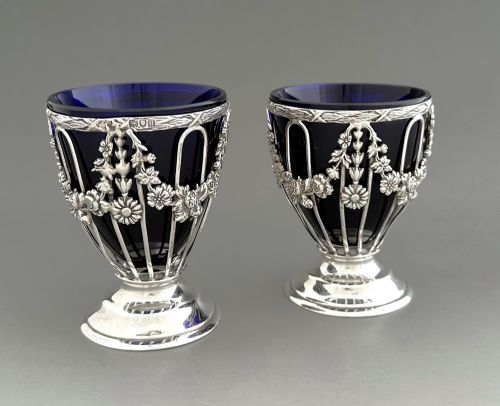
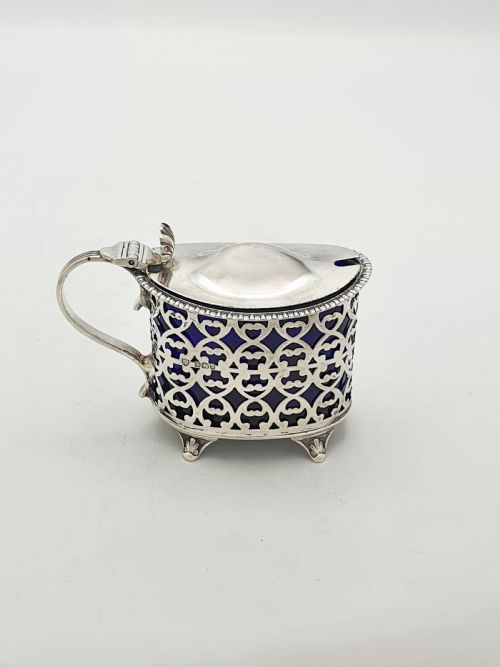
Cranberry glass and cobalt blue glass appear frequently as liners for salt cellars, mustard pots, and biscuit barrels. Amethyst and frosted glass are also seen on dressing table jars and rouge pots.
Coloured glass was often achieved by adding metallic oxides to the molten glass mixture during production.