


Vintage Glass Silver Pot
When you search for a vintage glass silver pot, you are looking at lidded jars, cruets, and dressing table pieces that combine metalwork and glass.
Vintage Glass Silver Pot
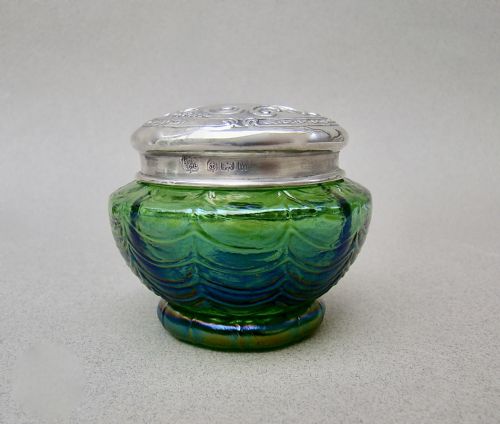
A vintage glass silver pot brings together two distinct mediums, pairing a glass body with metal mounts, lids, or internal frames. When exploring a vintage glass silver pot on this page, buyers frequently encounter Edwardian and Art Deco examples alongside Victorian and mid-century items.
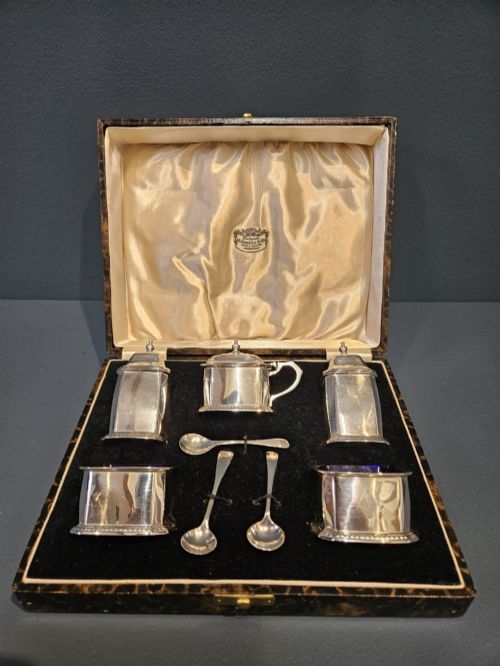
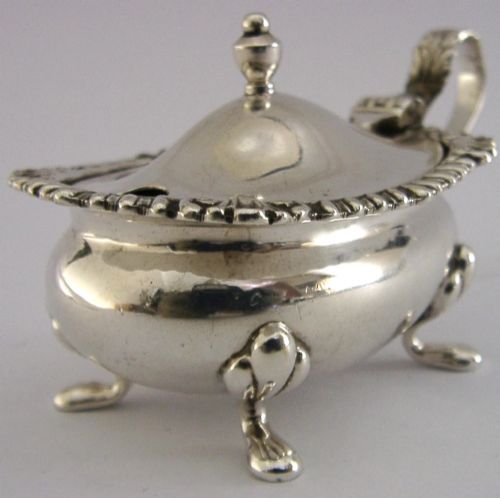
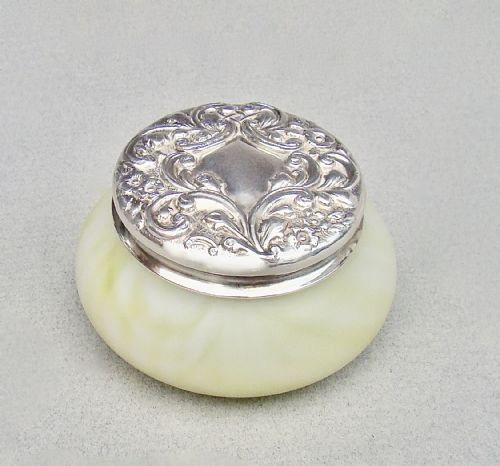
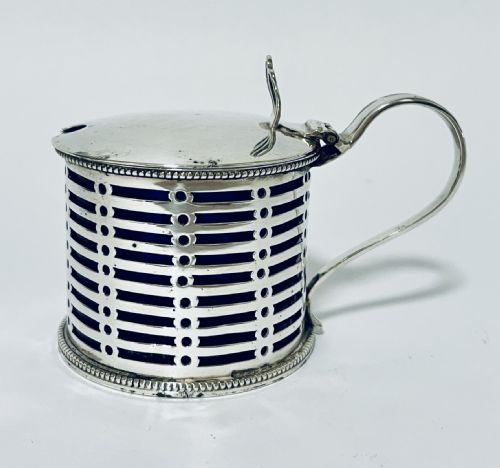
The functional forms span diverse domestic categories, including inkwells, mustard pots, trinket boxes, dressing table jars, and condiment sets. Many pieces feature clear cut glass or coloured glass bodies, such as cranberry glass or satin glass, secured with hallmarked sterling silver or silver plate.
Makers and silversmiths utilised these combinations for practical tabletop and vanity use. The surviving stock reflects production ranging from the nineteenth century through to the nineteen-sixties.
How they were made
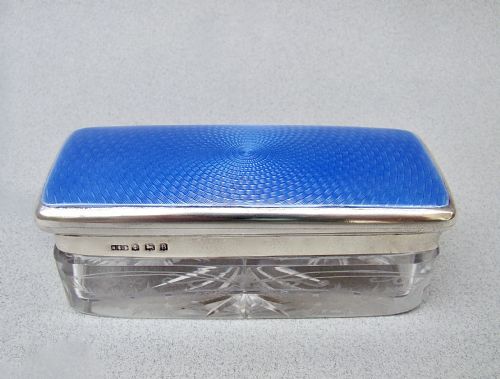
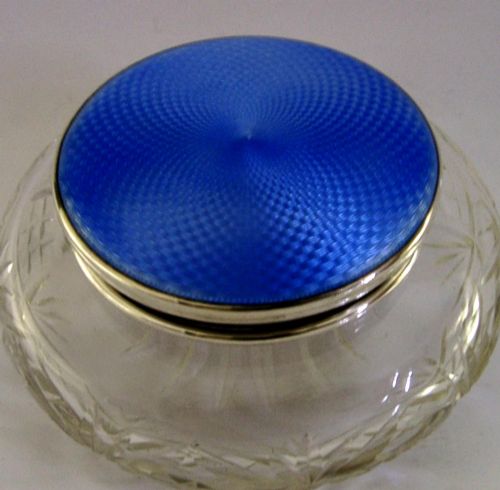
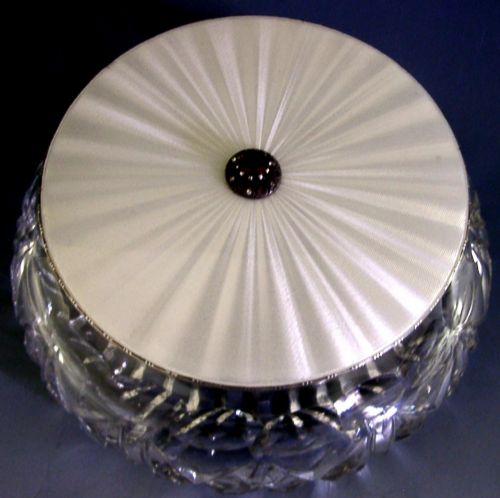
Makers combined blown or cut glass vessels with fitted metal hardware, utilising sterling silver or silver plate for lids, mounts, and rims. Artisans frequently integrated decorative elements such as guilloche enamel panels, coloured glass overlays, or textured surfaces directly onto the glass bodies.
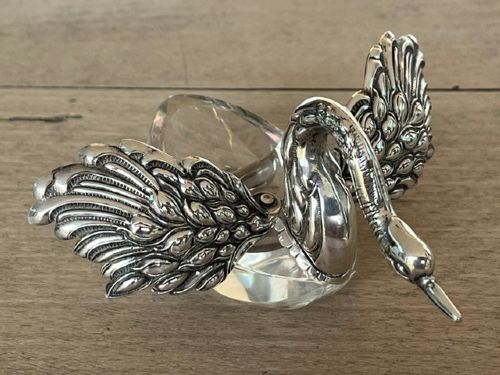
Hinged components, movable wings, and pierced spoons required precise metalwork to fit the contours of the glass containers. Birmingham and London assay offices stamped many of the silver mounts with hallmarks indicating the year of manufacture and the silversmith's mark.
A silver jam pot shaped entirely like an apple brings a touch of orchard whimsy to the dining table.
What varies in quality
The distinction between tiers rests upon the weight of the metal and the clarity of the glass. Heavier sterling silver mountings and crisply executed cut glass patterns signal superior manufacture compared to lighter silver plate and moulded glass.
Enamelling technique and the preservation of delicate guilloche patterns also determine the standard of a piece. Intricate mechanisms, such as movable wings or fitted glass liners, separate standard production items from finer studio output.
A. J. Pepper & Co·Henry Clifford Davis·A. Bromet & Co·Hukin and Heath·Tiffany & Co·William Neale & Son
The Vintage Glass Silver Pot Glossary
- Cruet set
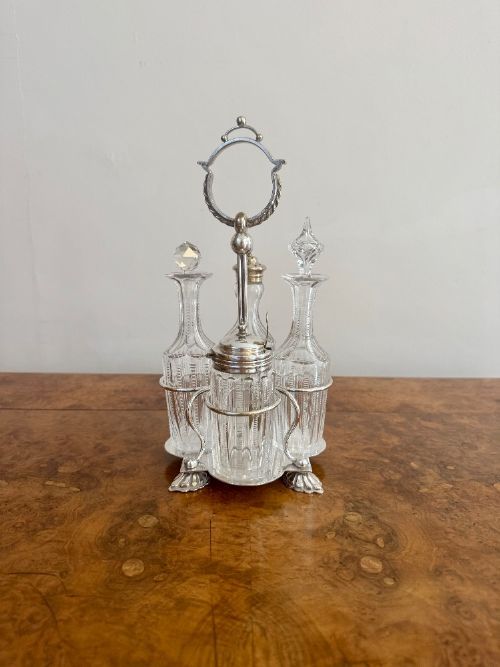
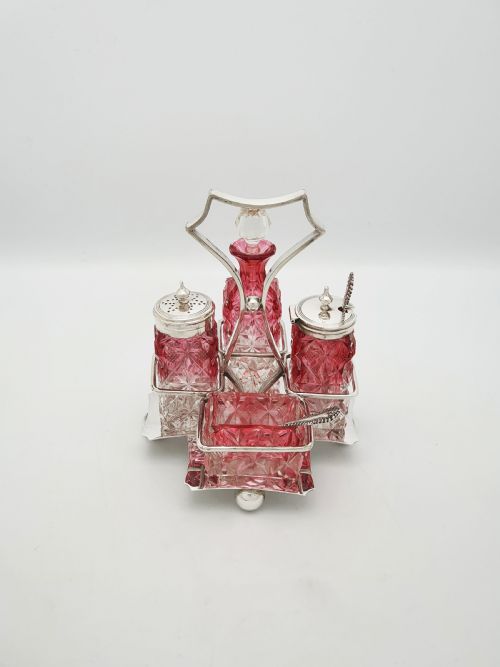
- A collection of small glass containers with silver or silver-plated frames designed for holding condiments at the dining table. These often include mustard pots, pepper shakers, and salt cellars.
- Guilloche enamel
- A decorative technique where intricate geometric patterns are engraved beneath translucent enamel. This finish frequently appears on the lids of dressing table jars and trinket boxes.
- Cranberry glass
- A rich red glass produced by adding gold chloride to the molten mixture. It is commonly seen in Victorian and Edwardian bowls, preserve pots, and biscuit barrels.
- Match striker
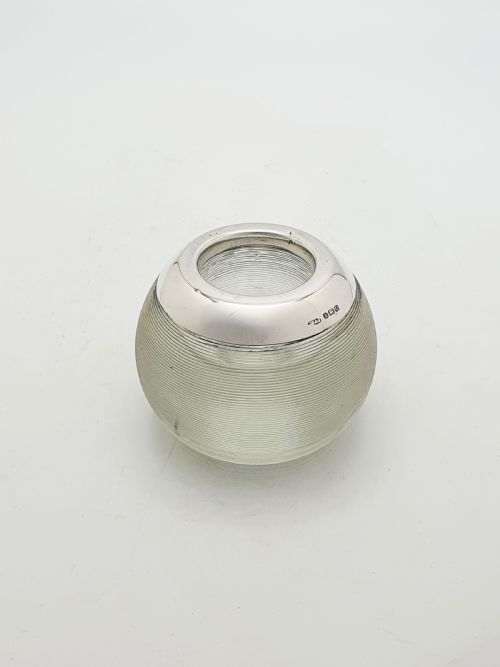
- A heavy glass container with a textured striking surface, usually mounted with a silver rim. They were utilised for safely igniting safety matches in domestic rooms.
- Hallmark
- An official stamp applied to precious metals indicating the purity, the maker, and the assay office. British sterling silver pieces frequently display these marks on the rims or lids.
Vintage Glass Silver Pot: Frequently Asked Questions
What is a vintage glass silver pot used for?
These vessels served various practical functions around the home, primarily holding condiments at the dining table or storing cosmetics and trinkets on a dressing table. Common forms include inkwells for writing desks and mustard pots for dining.
Over time, their roles shifted from daily utility items to decorative display pieces. Collectors often utilise them today as vanity containers or desktop storage.
How do I identify the date of my pot?
Dating relies primarily on the assay hallmarks stamped into the silver mounts or lids. These marks typically indicate the specific year of testing and the town where the assay office operated.
Stylistic cues, such as Art Deco geometric lines or Edwardian floral motifs, provide additional context when hallmarks are absent or worn.
Are all these pots made of sterling silver?
The metal components vary between solid sterling silver and silver plate. Listings specify whether a piece carries solid hallmarks or a plated surface.
Glass types also differ significantly, ranging from clear cut crystal to coloured cranberry glass and satin glass.
How should I clean a vintage glass silver pot?
Cleaning requires separating the glass body from the silver mount if possible, to avoid damaging adhesives or delicate metal hinges. Mild soapy water suits the glass, while silver polish should be used cautiously around enamel sections.
Harsh abrasives must be avoided on enamelled lids and plated surfaces to preserve the original finish.