
Edwardian Silver Fruit Bowl
When you search for an edwardian silver fruit bowl, you find handled baskets and pedestal dishes designed to hold table fruit with style.
Edwardian Silver Fruit Bowl
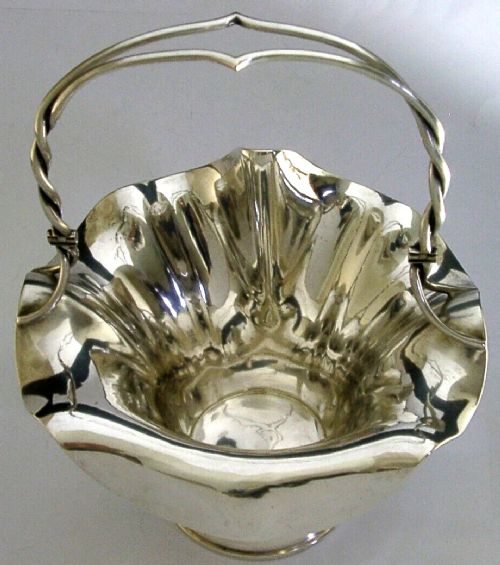
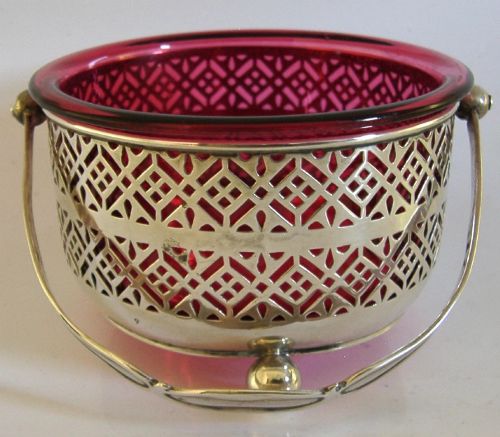
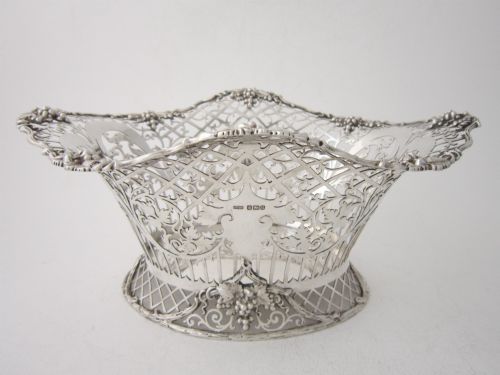
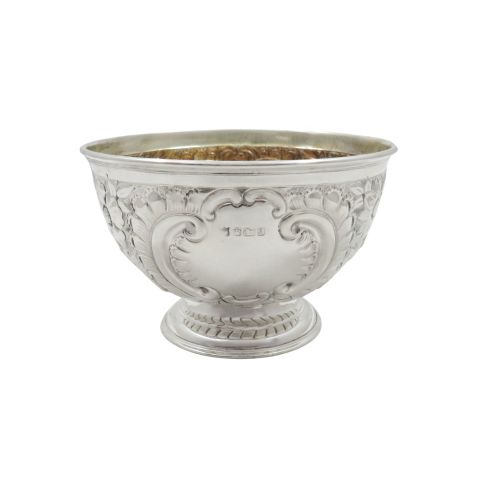
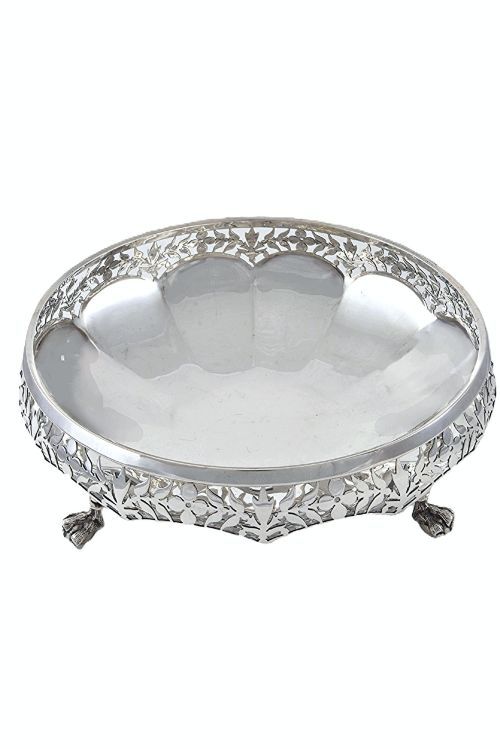
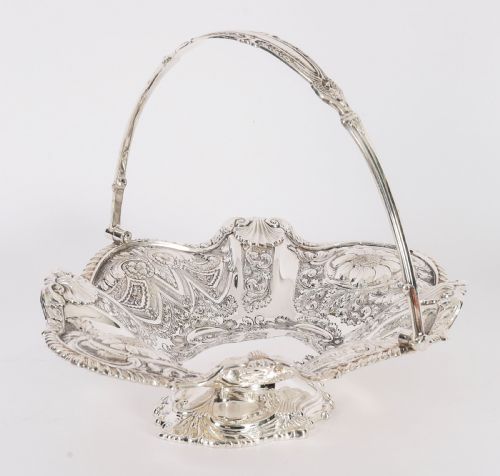
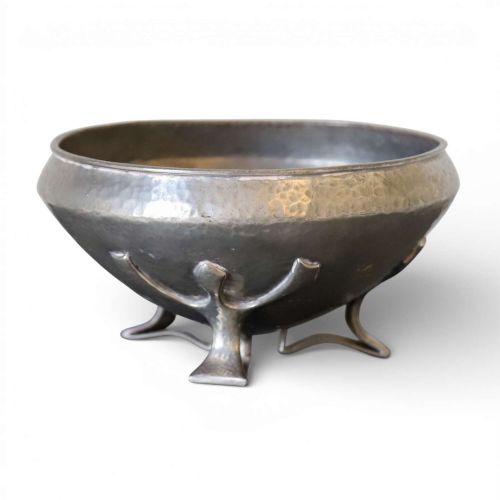
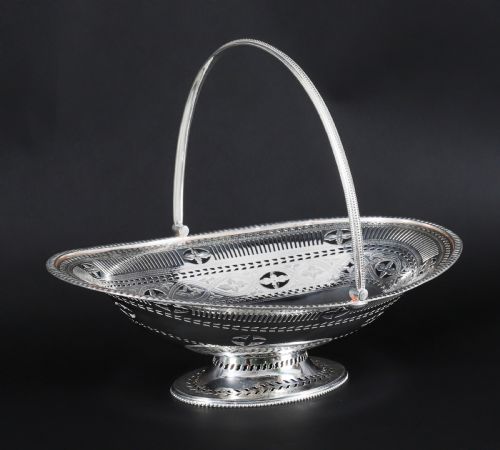
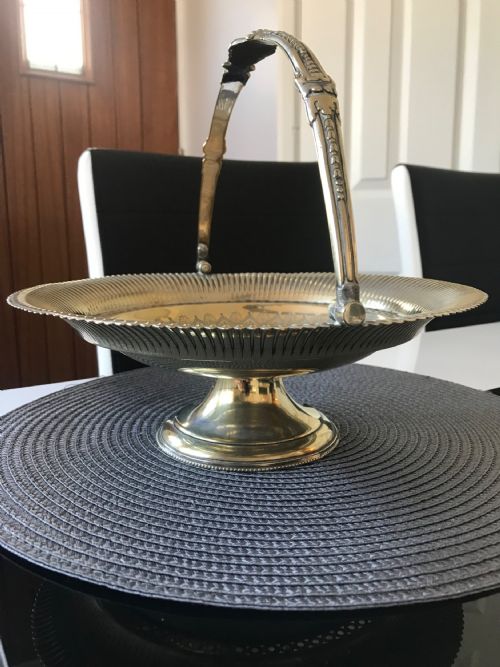
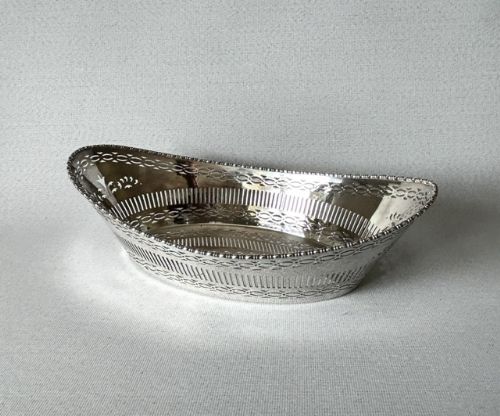
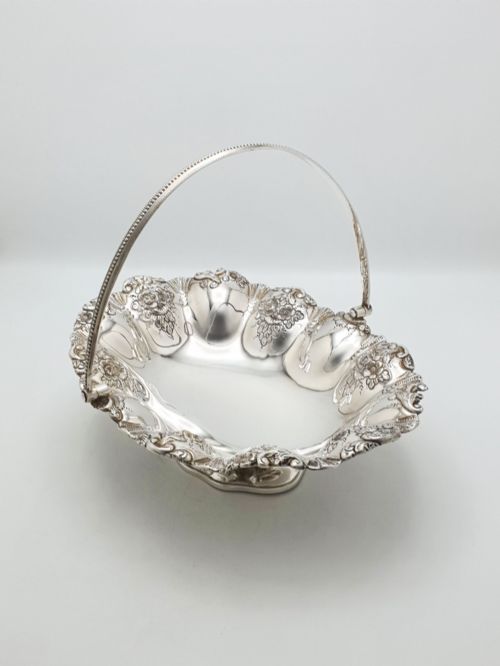
An edwardian silver fruit bowl usually takes the form of an open basket, pedestal dish, or footed bowl intended for dining tables. Many examples from this period incorporate swing handles, pierced lattice work, or embossed floral rims designed to display fruit.
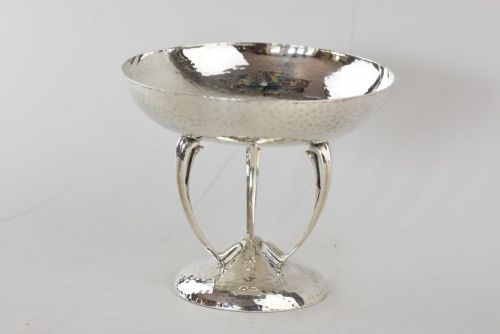
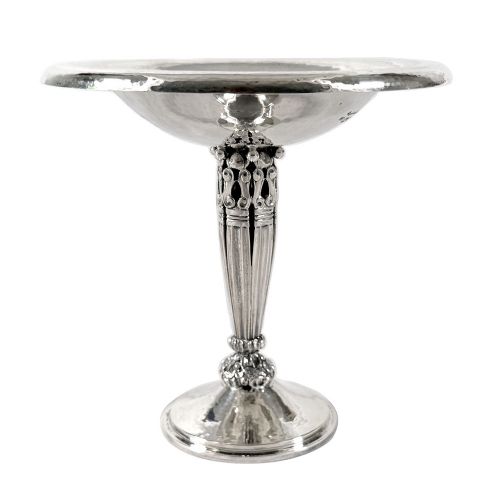
Makers of the era also produced related centrepieces, tazzas, and large serving dishes in sterling silver and silver plate. These items reflect the formal dining customs of the early twentieth century, though nineteenth-century Victorian and later George V pieces also appear frequently.
Materials and technique
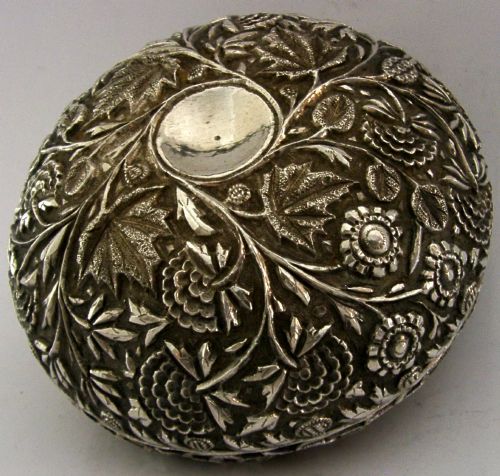
Silversmiths utilised sterling silver and silver plate over base metals, often employing piercing, fretwork, and hammering techniques to shape the metal. Repoussé decoration created raised floral motifs along the rims, while cast mounts provided sturdy pedestal feet.
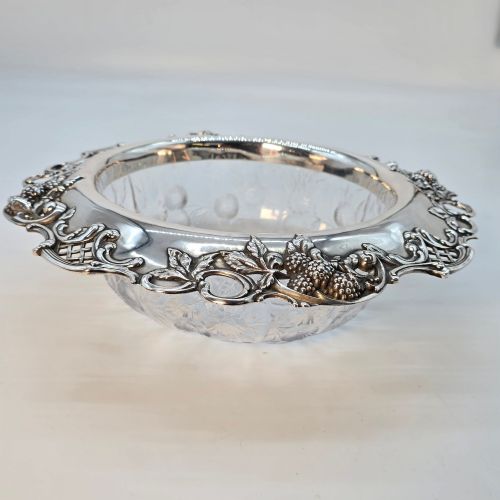
Selected designs combined silver with cranberry glass inserts, crystal bowls, or ceramic liners. Swing handles were fitted using hinged pivots attached to the main body of the basket.
Some Edwardian baskets feature handles that swing with such reliable balance they practically beg to be carried around a dining room.
Variations in quality
The weight of the metal and the depth of the repoussé work largely determine the quality of an edwardian silver fruit bowl. Substantial gauge silver and crisp, hand-pierced lattice patterns indicate superior craftsmanship compared to thin pressings.
Maker attribution also influences standing, with renowned firms executing cleaner lines and more balanced proportions in their pierced bowls and baskets.
Goldsmiths and Silversmiths Company·Hamilton & Inches·George W. Scott & Sons Ltd·Liberty & Co·Tiffany & Co·Charles Boyton·Elkington & Co·Thomas Bradbury·Joseph Rodgers·Walker & Hall·Hammond, Creake & Co·William Hutton & Sons·Jay Richard Attenborough
The Edwardian Silver Fruit Bowl Glossary
- Sterling silver
- An alloy containing 92.5 percent pure silver and 7.5 percent other metals, mostly copper. This standard forms the basis for British hallmarks on quality dining silver.
- Silver plate
- A layer of silver bonded to a base metal such as copper, nickel, or brass. Elkington and other major firms perfected electroplating methods for large vessels.
- Pierced work
- A decorative technique involving the cutting or piercing of holes through the metal sheet to create geometric or floral lattice patterns. This reduces weight while maintaining structural form.
- Repoussé
- A method of shaping metal by hammering from the reverse side to create a raised design on the front. Floral rims on fruit baskets often utilise this technique.
- Tazza
- A shallow bowl or dish mounted on a pedestal foot. These pieces function as decorative serving vessels for fruit or small cakes.
Edwardian Silver Fruit Bowl: Frequently Asked Questions
How were silver fruit bowls used?
These vessels stood at the centre of dining tables to hold fresh fruit or ornamental displays during formal meals. Swing-handled versions allowed servants to pass the fruit around the table more easily.
Over time, households also utilised them for bread, cakes, or simply as decorative table centrepieces without contents.
How do I care for an antique silver bowl?
Regular dusting with a soft cloth prevents dust accumulation in pierced lattice work and repoussé recesses. Periodic polishing with a reputable silver cream maintains the lustre without wearing away the metal.
Avoid using harsh chemical dips, particularly on pieces with glass or ceramic liners, as these substances can damage soldered joints and base metals.
How can I tell Edwardian pieces from Victorian ones?
Edwardian items date from the reign of King Edward VII between 1901 and 1910, showing lighter forms and influences from Art Nouveau and Arts and Crafts styles. Victorian pieces originate from the nineteenth century and frequently display heavier, more ornate Neo-Classical or revivalist ornamentation.
Checking the date letter within the British hallmarks provides the exact year of assay for sterling silver objects.
What is the difference between solid silver and silver plate?
Solid sterling silver consists of the same precious metal all the way through and bears a full set of British assay office hallmarks including the lion passant. Silver plate involves a thin coating of silver applied over a base metal such as nickel silver or pewter.
Plated items generally carry maker marks indicating electroplating rather than standard sterling hallmarks.