
Edwardian Silver Collectibles
Edwardian silver collectibles bring together pocket items, novelty pin cushions, and walking cane handles crafted in sterling silver.
Edwardian Silver Collectibles
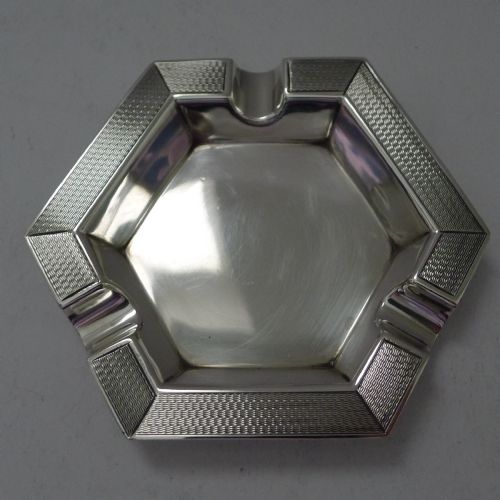
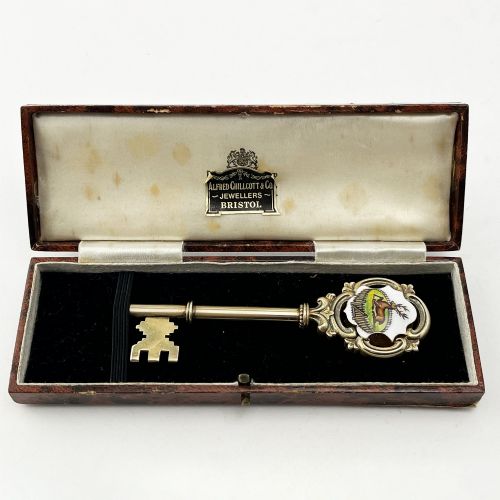
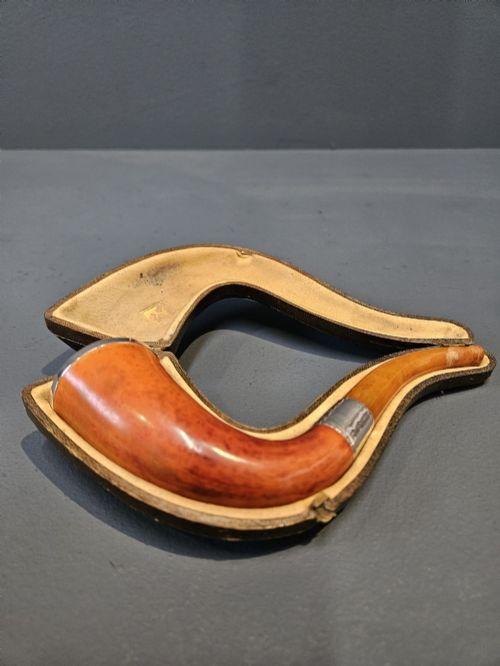
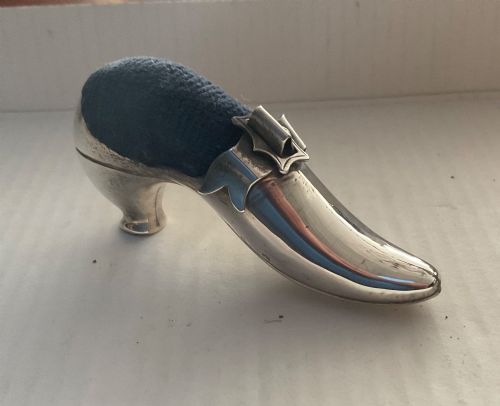
Edwardian silver collectibles encompass a diverse array of small personal objects, desk accessories, and novelty items produced primarily during the early twentieth century. When searching for edwardian silver collectibles, buyers frequently encounter pin cushions shaped as animals or shoes, vesta cases, and pocket watches.
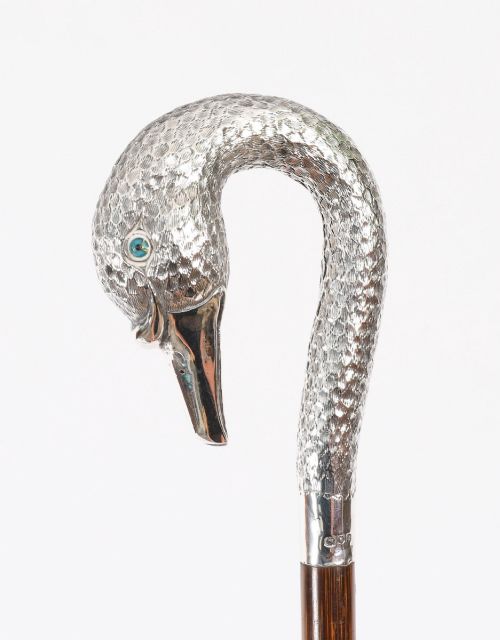
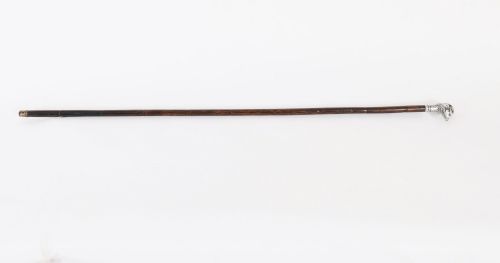
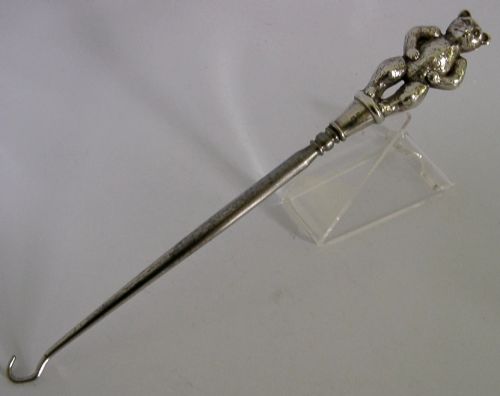
The selection extends to walking stick handles, button hooks, and miniature models fashioned from sterling silver. These pieces often reflect Victorian novelty traditions that continued into the Edwardian era and the reign of George V.
Originating largely from British workshops and assay offices in cities such as London and Birmingham, these objects served both utilitarian and decorative functions for their original owners.
How they were made
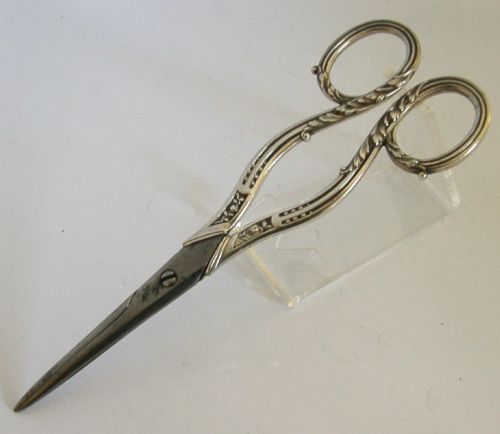
Makers utilised sterling silver alongside supportive interior materials like velvet, wood, and fabric, particularly within fitted boxes, travel kits, and pin cushions. Components such as steel scissors, glass clock faces, and enamel decoration added contrasting textures and colour.
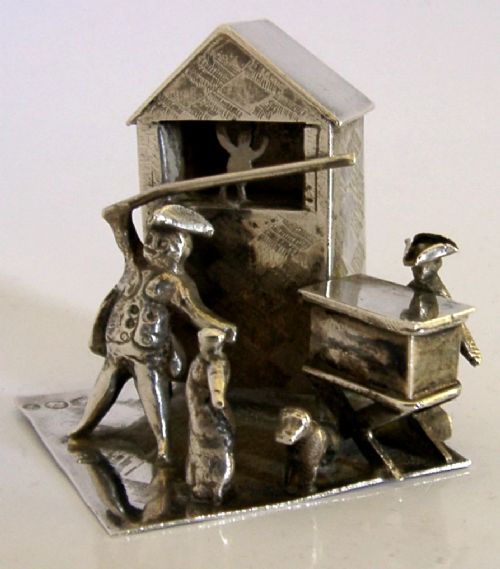
Techniques combined traditional silversmithing methods like casting, stamping, and hand-chasing with detailed engraving. Novelty forms required skilled modelling to render animal figures, railway lamps, and miniature shoes with distinct character.
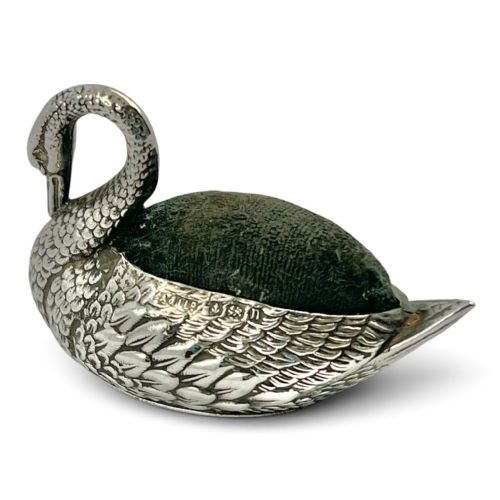
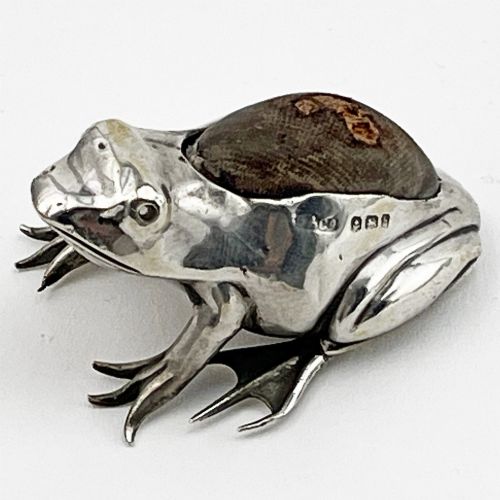
Miniature silver frogs, pigs, and swans wait patiently to hold your sewing pins.
What varies in quality
Quality rests upon the crispness of the original cast and the preservation of hand-chased surface detail on figural subjects. Pieces that retain their full definition without excessive polishing display the maker's intended modelling most clearly.
The presence of clear, legible hallmarks and maker marks distinguishes standard production items from workshop outputs attributed to notable silversmiths. Integrity of fitted elements, such as working vesta lids or original velvet pads, influences the overall standard of preservation.
Sampson Mordan·William Neale·Adie & Lovekin·Elkington & Co·Charles Horner·Alfred Clark·Blumfeld
The Edwardian Silver Collectibles Glossary
- Vesta case
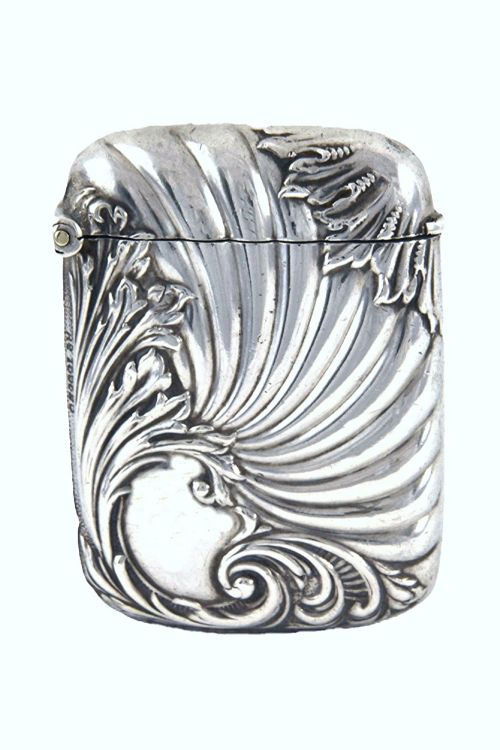
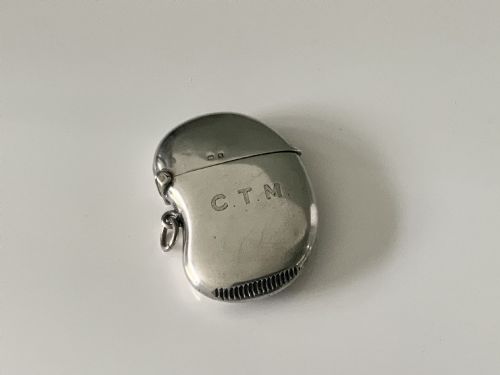
- A small portable container designed to hold matches, typically featuring a spring-loaded lid and a striking surface on the base. These cases often showcase engraved patterns or figural enamel decoration.
- Pin cushion
- A padded object used to hold sewing pins, frequently fashioned in solid silver as novelty animals, birds, or footwear. They rely on internal materials like velvet or wool to secure the pins.
- Hallmark
- An official stamp applied by an assay office to indicate the purity of the metal, the place of testing, and the date of manufacture. British sterling silver marks typically include a lion passant and a date letter.
- Chatelaine
- A decorative belt hook worn with a series of suspended chains carrying everyday household and personal tools such as scissors, watches, or thimbles. They combined utility with visible social status.
- Novelty silver
- Small decorative items shaped to resemble familiar objects, animals, or humorous scenes rather than traditional tableware. This style flourished during the late Victorian and Edwardian periods.
Edwardian Silver Collectibles: Frequently Asked Questions
How do I identify a vesta case?
A vesta case is a compact pocket container originally created to hold wax matches safely before the widespread use of safety matches. They usually feature a hinged lid at the top and a serrated striking strip integrated into the bottom.
Many examples from this period exhibit detailed engraved monograms, floral motifs, or applied enamel decoration depicting animals and sporting scenes.
Were pocket watches used daily?
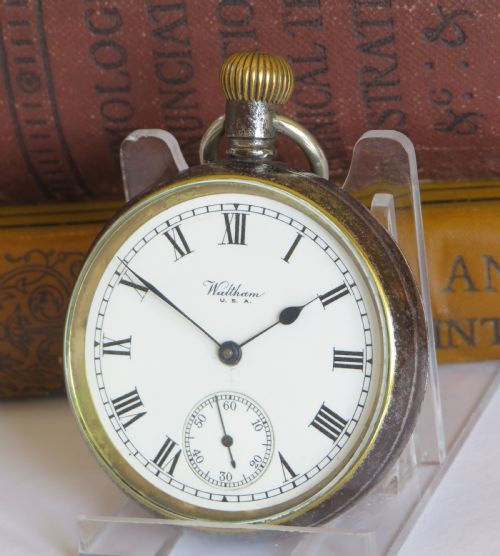
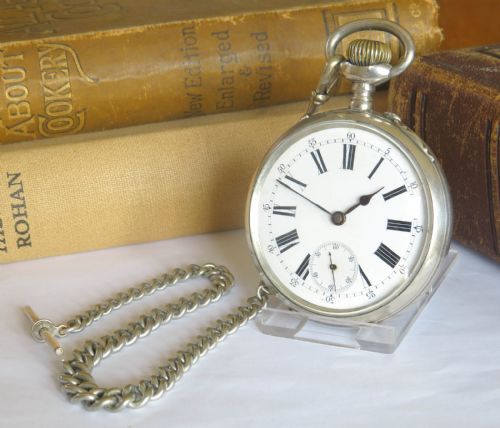
Pocket watches served as essential timekeeping instruments for railway staff, professionals, and travellers before wristwatches became common. Owners carried them secured to waistcoats or chatelaines using silver chains.
Examples range from standard railway timepieces to heavy goliath watches housed in travel cases for bedside use.
How can I date my silver piece?
British silver items can be dated accurately using the official hallmarks stamped directly onto the metal. These marks include a specific letter code for the year of assay alongside the maker's mark and the lion symbol for sterling standard.
Comparing the style, such as an Edwardian novelty design or a George V caddy spoon, helps confirm the production era alongside the stamped assay office records.