




Edwardian Silver Caddy Jar
An edwardian silver caddy jar combines polished metal and clear glass, serving as a functional container for tea or biscuits.
Edwardian Silver Caddy Jar
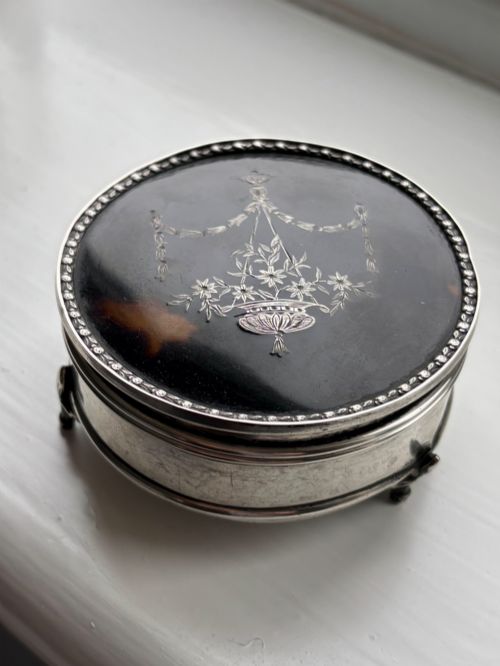
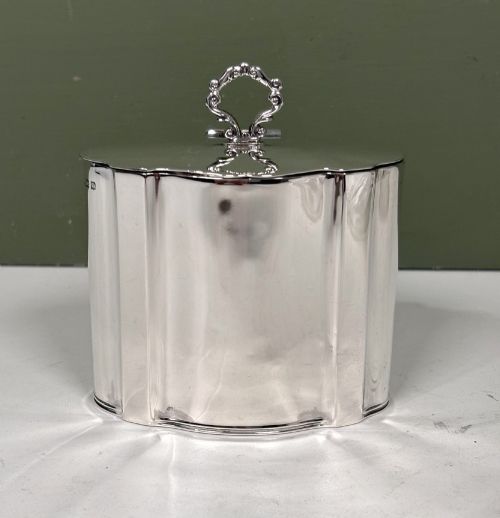
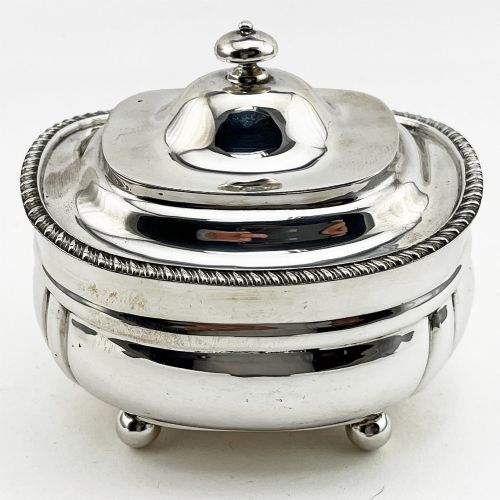
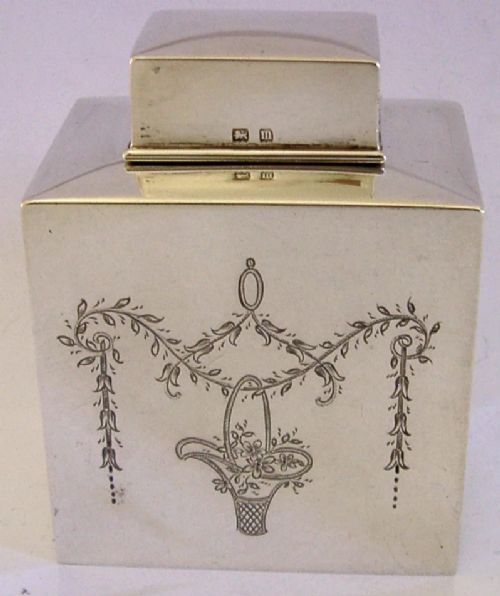
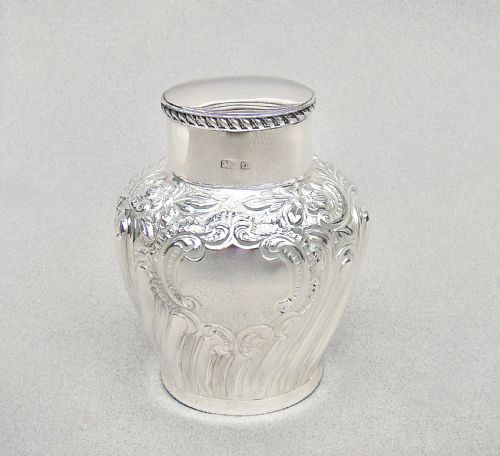
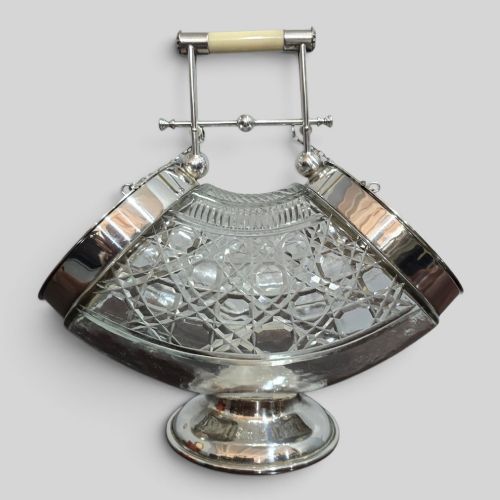
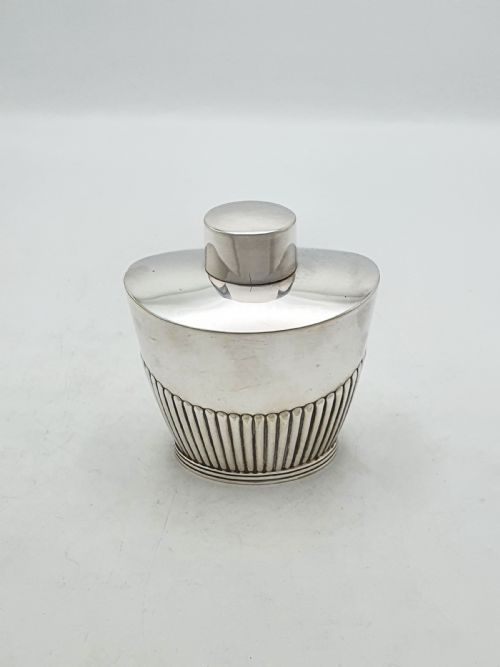
The phrase edwardian silver caddy jar describes covered receptacles produced primarily around the start of the twentieth century to store provisions like tea or biscuits. These pieces combine sterling silver or silver plate with cut glass, crystal, oak, and occasionally faux tortoiseshell.
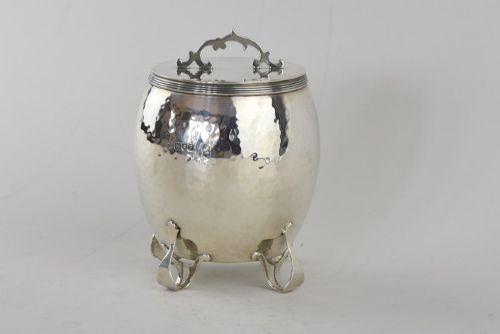
Makers utilised styles spanning Arts and Crafts handwork, Neoclassical restraint, and Georgian Revival motifs. Buyers encounter both solid sterling silver bodies and silver plated mounts fitted to glass or oak containers.
What varies in quality
The standard of an edwardian silver caddy jar depends upon the weight of the metal and the precision of the silversmith's craftsmanship. Pieces featuring hand-hammered surfaces or detailed repousse work demonstrate greater artisan involvement than plain walled items.
The clarity and depth of hobnail or cut glass liners also influence the overall standard, alongside the prominence of the maker and the crispness of the hallmarks. Oak and faux tortoiseshell elements add distinct textural variety to the range.
Listings feature items from nineteen hundred, nineteen ten, and nineteen twenty, alongside Victorian and Georgian Revival examples in sterling silver and silver plate.
The Edwardian Silver Caddy Jar Glossary
- Sterling silver
- An alloy containing 92.5 percent silver by mass, widely utilised for the construction of premium tea caddies and boxes. This material bears hallmarks indicating the assay office and year of manufacture.
- Silver plate
- A thin layer of silver applied to a base metal substrate, commonly seen on novelty biscuit boxes and barrels from the period. This technique offered a decorative finish at a more accessible cost.
- Repousse
- A metalworking technique where the silversmith hammers the metal from the reverse side to form a raised design on the front. It appears frequently on decorative tea containers.
- Hobnail cut
- A faceted geometric pattern cut into glassware that creates rows of protruding square points. This surface treatment catches the light effectively on glass biscuit barrels.
- Hallmark
- An official stamp applied to precious metal items to guarantee the purity of the silver. These marks typically identify the maker, the assay office, and the date of production.
Edwardian Silver Caddy Jar: Frequently Asked Questions
What is an edwardian silver caddy jar used for?
These containers were originally manufactured to store dry goods such as tea leaves, biscuits, or other table provisions. The fitted lids helped preserve the freshness and aroma of the contents.
Today, collectors utilise them as decorative display items on sideboards, dressing tables, or dining surfaces. Their mixed media construction of glass and silver adds visual texture to a room.
How do I identify an Edwardian piece?
Authentic pieces from this era often feature hallmarks that correspond to the early twentieth century, specifically between nineteen hundred and nineteen ten. Stylistic indicators include Neoclassical motifs and early Arts and Crafts influences.
Makers active during this period frequently registered their marks in major cities like London, Birmingham, and Sheffield. Comparing the design to documented examples helps confirm the manufacturing era.
Are these jars made of solid silver?
The listings include both solid sterling silver examples and silver plated alternatives mounted on glass or oak bodies. Hallmarks stamped directly into the metal indicate whether a piece is solid sterling.
Items described as silver plate consist of a base metal coated with a thin layer of silver. Both material types were common during the Edwardian period.
How should I clean my silver caddy jar?
Silver components require gentle cleaning with a specialised non-abrasive silver cloth to maintain their polished appearance. Avoid harsh chemical dips that can damage integrated glass or organic materials like oak and faux tortoiseshell.
Glass liners and jars can be washed separately in warm soapy water and dried thoroughly. Regular, light maintenance prevents excessive tarnish buildup on the metal mounts.