

Antique Tea Jar
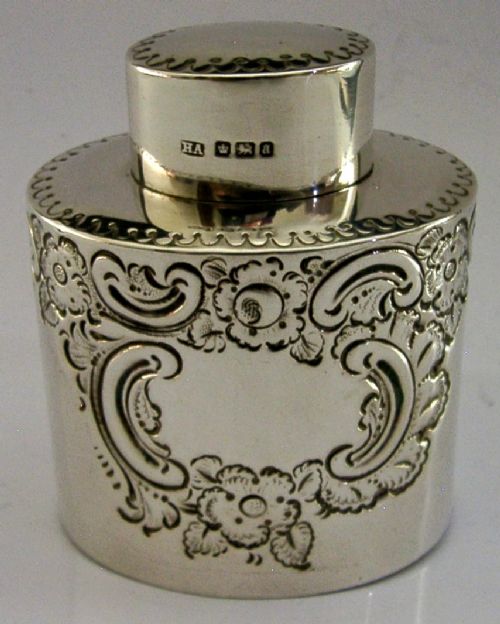
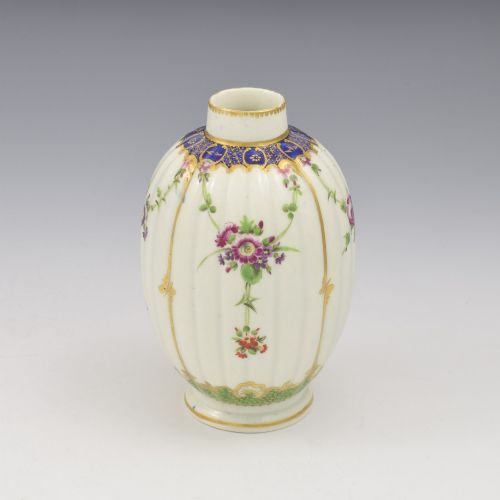
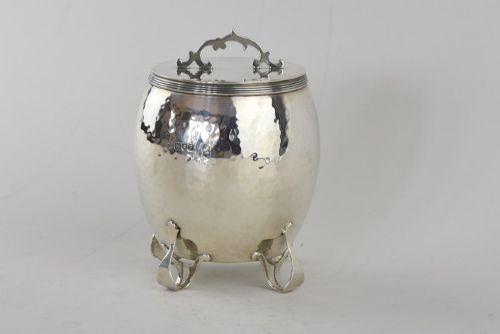
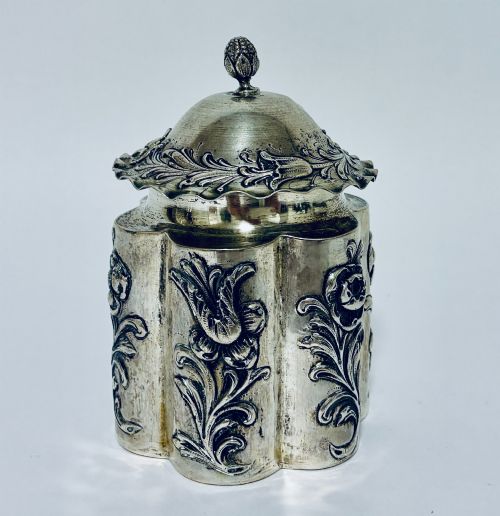
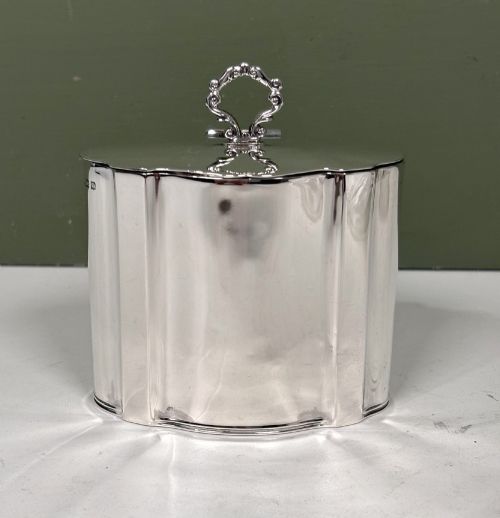
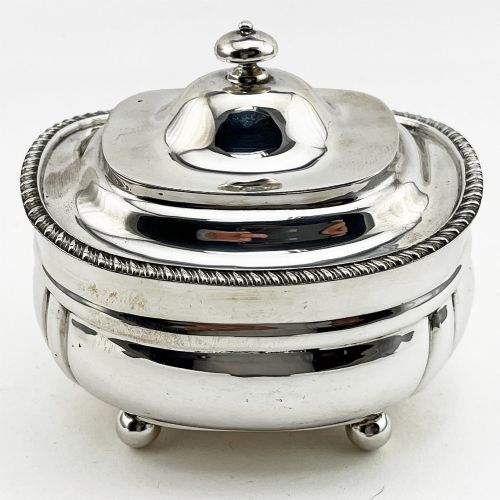
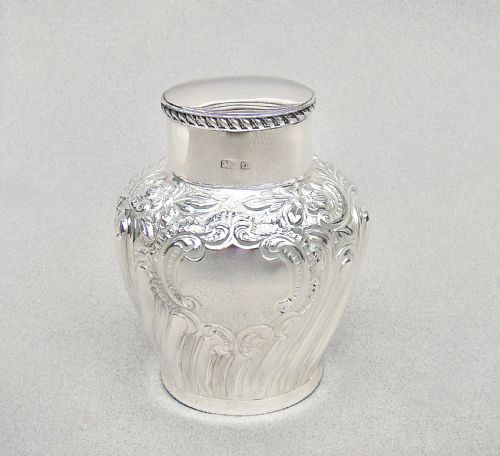
An antique tea jar preserves the dry leaf securely, coming down to us in sterling silver, porcelain, or carved bamboo.
Antique Tea Jar
When you search for an antique tea jar, you encounter vessels designed to keep precious leaves fresh, ranging from silver caddies to ceramic canisters and lidded boxes. The pieces span the eighteenth, nineteenth, and early twentieth centuries, reflecting changing domestic habits across the Georgian, Victorian, and Edwardian eras.
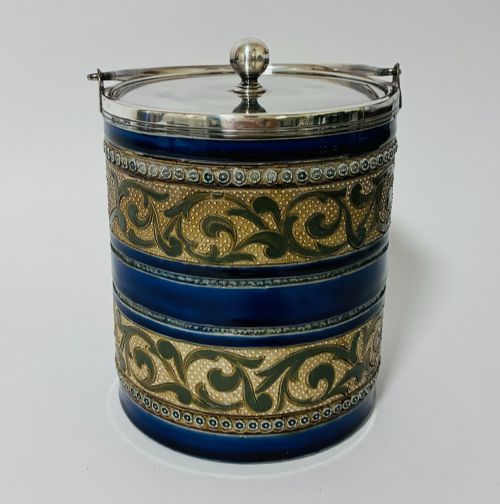
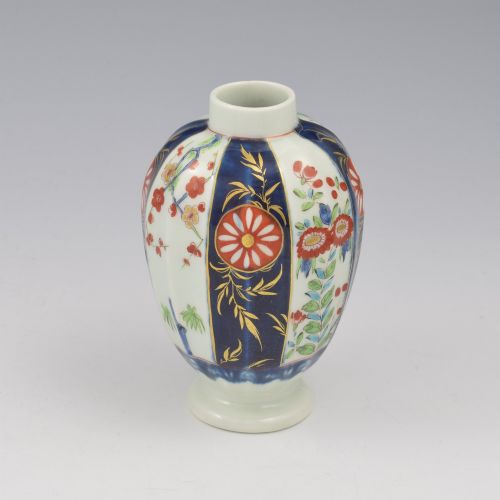
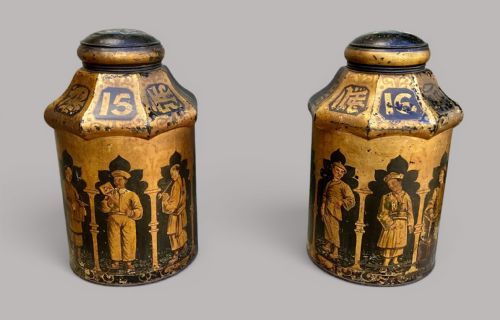
You meet porcelain examples decorated in the Chinese Export taste or with Worcester patterns, alongside heavy sterling silver boxes and toleware canisters featuring Chinoiserie gilding. Biscuit barrels and sugar bowls also appear among the selections, sharing the same dining tables and hospitality routines as the tea jars.
How they were made
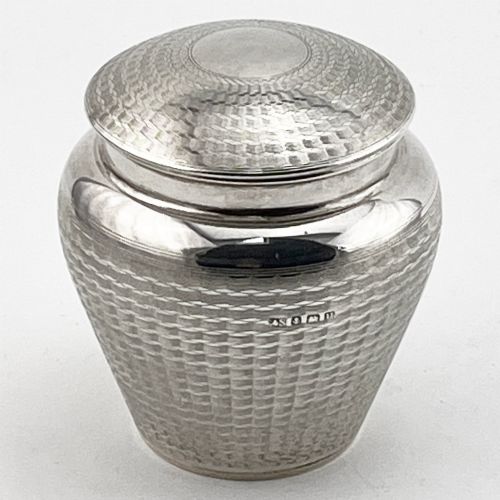
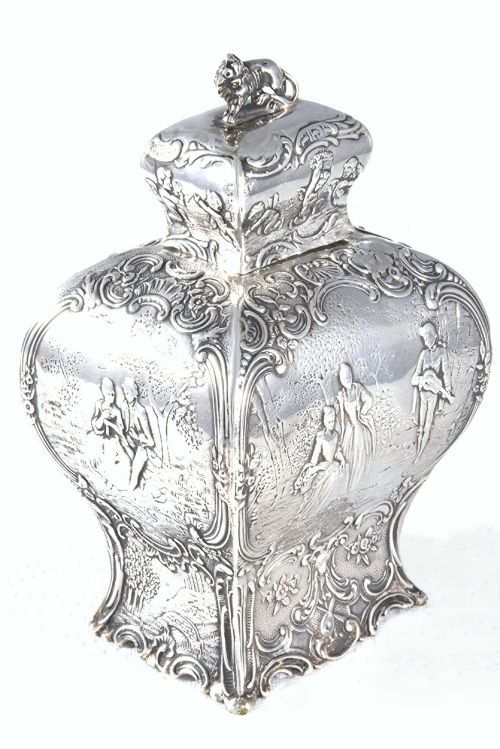
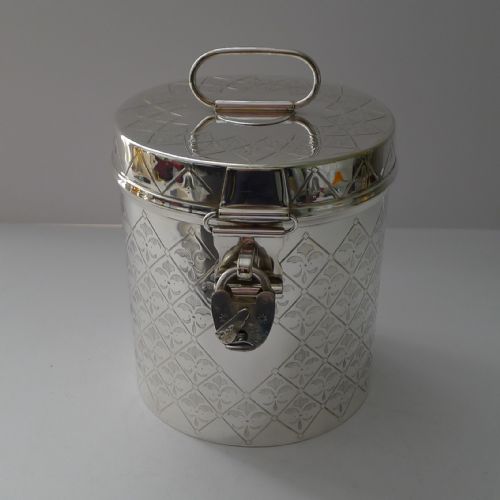
Silversmiths constructed sterling silver and silver-plated containers through hammering, piercing, and embossing, often incorporating cast mounts and locking mechanisms. Makers formed other vessels from soft-paste porcelain, earthenware, and flow blue ceramic, applying hand-painted glazes and gold leaf.
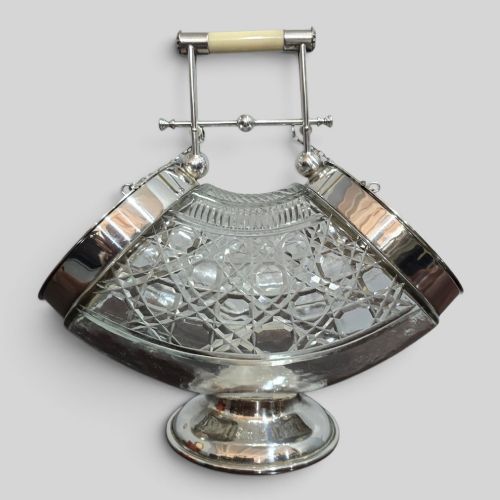
Carvers shaped organic materials such as bamboo into cylindrical jars, while cabinetmakers utilised oak with brass banding for novelty biscuit boxes and barrels. Cut glass and crystal liners added weight and clarity to pierced silver frames.
Listings feature sterling silver, porcelain, and carved bamboo spanning the Georgian, Victorian, and Edwardian periods.
What varies in quality
The standard of an antique tea jar rests on the crispness of its silver chasing, the weight of the metal gauge, and the fineness of the ceramic body. Pieces bearing clear hallmarks for identifiable silversmiths command attention through precise craftsmanship and well-balanced proportions.
Condition and originality dictate value, separating intact hand-painted porcelain or undamaged cut glass liners from heavily restored examples. The quality of surface decoration, whether Chinoiserie tole lacquer or Imari patterns, determines the visual impact of the piece.
Charles Edwards·Thomas Hayes·Mappin and Webb·Zimmermann
The Antique Tea Jar Glossary
- Tea caddy
- A small vessel designed to store loose tea leaves securely before infusion. The term evolved from cattee, a Chinese weight measurement.
- Soft-paste porcelain
- A ceramic material composed of clay and glass frit, fired at lower temperatures than hard-paste porcelain. It produces a warm glaze texture common in eighteenth-century English factories.
- Hallmark
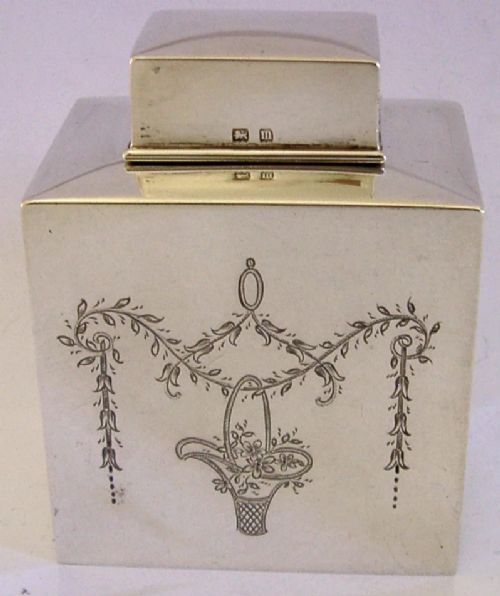
- A stamped mark on precious metal indicating purity, place of assay, and date letter. These symbols allow accurate dating of silver pieces.
- Toleware
- Enamelled and japanned sheet metal decorated with painted scenes or gilding. This technique imitated oriental lacquerware during the eighteenth and nineteenth centuries.
- Imari
- A style of ceramic decoration featuring deep underglaze blue and iron red with gold highlights. The palette originates from Japanese export wares.
Antique Tea Jar: Frequently Asked Questions
What is an antique tea jar used for?
These vessels originally held precious dry tea leaves in the dining room or drawing room, protecting them from moisture and light. Wealthy households locked the containers to ration expensive tea.
Today, collectors utilise them as decorative objects, vanity boxes, or small storage containers on sideboards and desks.
How do I clean a silver tea jar?
Sterling silver and silver plate require gentle wiping with a soft, non-abrasive cloth to remove dust and tarnish without disturbing antique patination. Avoid harsh chemical dips that strip away the original character of the metal.
Ceramic and glass components benefit from warm water and mild soap, ensuring liners and jars remain undamaged.
How can I tell the age of a tea jar?
Silver pieces often carry hallmarks indicating the assay office and date letter, providing an exact year of manufacture. Stylistic clues such as Georgian proportions, Victorian ornamentation, or Edwardian piercing also help narrow the period.
Ceramic bodies and hand-painted marks point towards eighteenth-century factories or later nineteenth-century revivals.
Were tea jars and caddies locked?
Many examples feature fitted locking lids and matching keys because tea was an expensive commodity in the eighteenth and nineteenth centuries. Servants were typically excluded from accessing the leaves directly.
Locking mechanisms ranged from simple brass catches to complex brass-bound systems on wooden and metal boxes.