


Edwardian Silver Biscuit Jar
An edwardian silver biscuit jar brings tactile charm to a table, combining polished metal mountings with fitted glass or ceramic bodies for serving biscuits in style.
Edwardian Silver Biscuit Jar
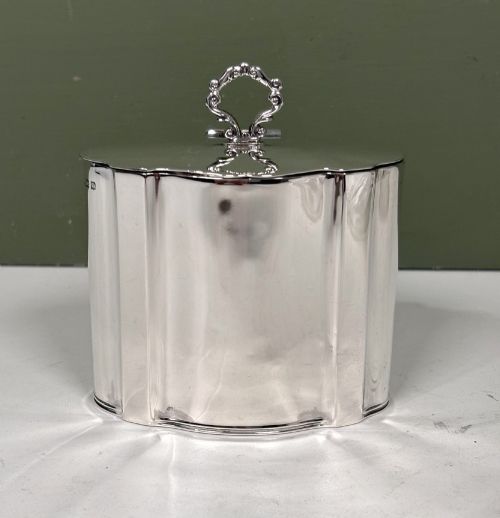
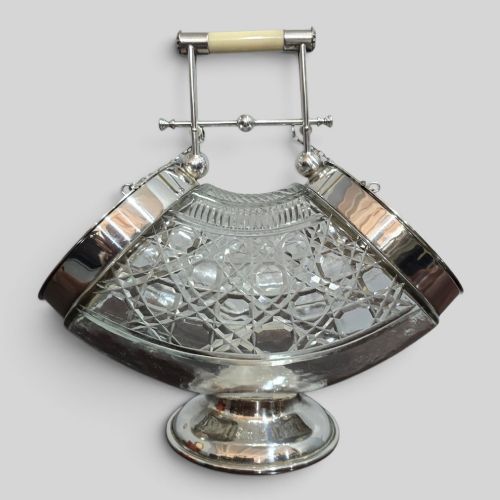
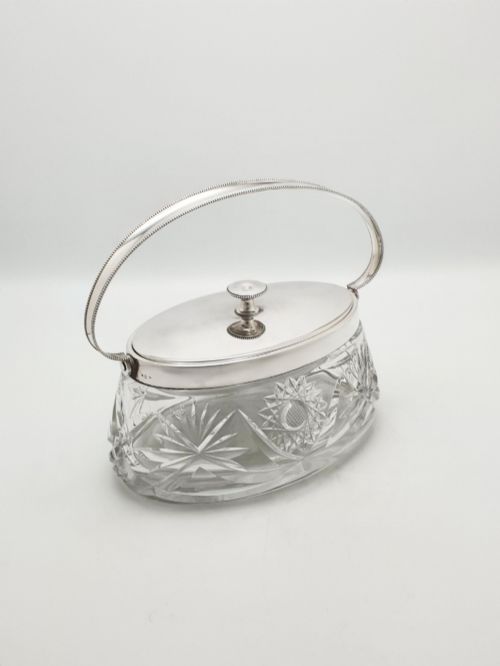
An edwardian silver biscuit jar is a lidded container designed for the dining table, most frequently encountered in silver plate combined with cut glass or earthenware bodies from the opening decades of the twentieth century. These pieces encompass cylindrical, drum and barrel forms, often equipped with a swing handle for carrying from sideboard to dining setting.
The material combinations span solid sterling silver and heavy silver plate paired with brilliant cut glass, cranberry glass, oak, and flow blue ceramic liners. While many examples originate from the Edwardian period itself, the category also embraces late Victorian precursors and subsequent George V productions sharing the same essential domestic function.
Materials and construction
Makers utilised heavy silver plating or solid sterling silver for mounts, hinged lids and swing handles, engineering secure bezels to hold the internal vessels. Glass bodies received deep hobnail, faceted or twisted cutting by hand, while ceramic versions relied on earthenware with glazed transfer-printed decoration.
Wooden elements such as oak appeared in drum-form constructions, banded with metal mounts and fitted with interior linings. Silversmiths and electroplaters collaborated with glasshouses and potteries to produce these composite vessels, securing metal collars directly to the rims of glass liners.
Listings feature items spanning the Victorian era through the 1930s, constructed from silver plate, solid silver, cut glass, oak, and earthenware.
Judging quality and craftsmanship
The standard of an edwardian silver biscuit jar rests on the thickness of the silver plating or the weight of the solid sterling silver, alongside the depth and clarity of the glass cutting. Superior examples display crisp hallmarks or maker stamps, substantial metal gauge, and heavy glass liners free from chips.
Design ambition separates standard factory wares from finer workshop productions, visible in novelty forms such as weights or automated mechanisms, as well as high-grade materials like cranberry glass and polished English oak.
Thomas Bradbury·John Grinsell And Sons·James Dixon And Sons
The Edwardian Silver Biscuit Jar Glossary
- Silver Plate
- A base metal such as nickel silver coated with a layer of pure silver through electroplating. This technique allowed manufacturers to produce durable domestic wares at a lower cost than solid silver.
- Hobnail Cut
- A geometric pattern of sharp-pointed pyramids carved into the surface of glassware. This deep cutting catches the light and adds considerable weight to the glass liner.
- Cranberry Glass
- A rich red glass coloured by the addition of gold chloride to the molten batch. It gained popularity for decorative tableware during the Victorian and Edwardian eras.
- Flow Blue
- A cobalt blue transfer printing technique on earthenware where the colour blurred slightly into the glaze during firing. This produced a soft, hazy effect popular in ceramic containers.
- Sterling Silver
- An alloy consisting of ninety-two point five percent silver and seven point five percent other metals, usually copper. It provides the legal standard for solid silver hallmarked items.
Edwardian Silver Biscuit Jar: Frequently Asked Questions
How were biscuit jars used?
These jars were kept on the dining table or sideboard to store dry biscuits and dry goods, keeping them crisp behind a fitted lid.
Servants or hosts brought them out during afternoon tea or after dinner to offer guests a selection of baked goods.
Are liners usually original?
Most surviving pieces retain their original fitted glass or ceramic liners, which rested securely inside the metal frames.
Replacement liners do occur due to accidental breakage over the decades, so checking the fit against the rim is standard practice.
How do I clean the silver?
Silver plate and sterling silver require gentle cleaning with a specialist silver cloth or mild polish to remove tarnishing.
Harsh abrasive dips should be avoided, particularly near mounted glass or wooden elements to protect the surrounding materials.
What styles are common?
Design styles span late Victorian and Edwardian aesthetics, alongside occasional George V pieces and continental influences like Jugendstil.
Form follows function closely, resulting in cylindrical barrels, drum shapes, and novelty configurations such as weights.