

Edwardian Silver Barware
Edwardian silver barware brings together polished metals, cut glass and drinking vessels designed to serve spirits and wine with style.
Edwardian Silver Barware
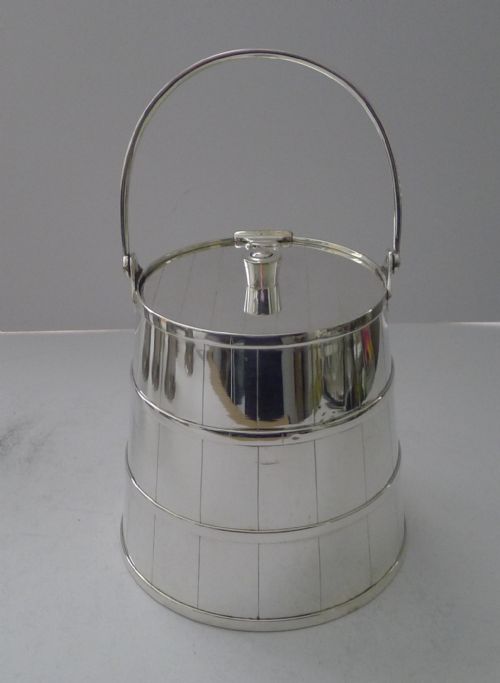
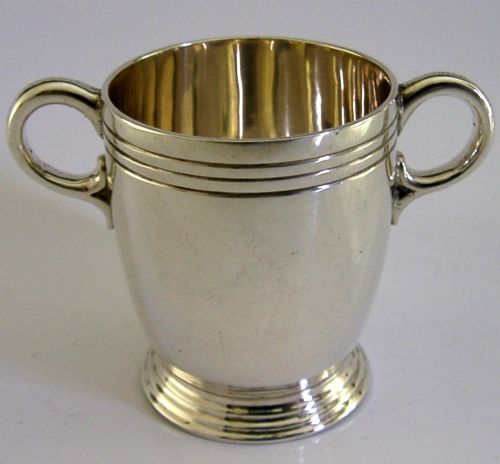
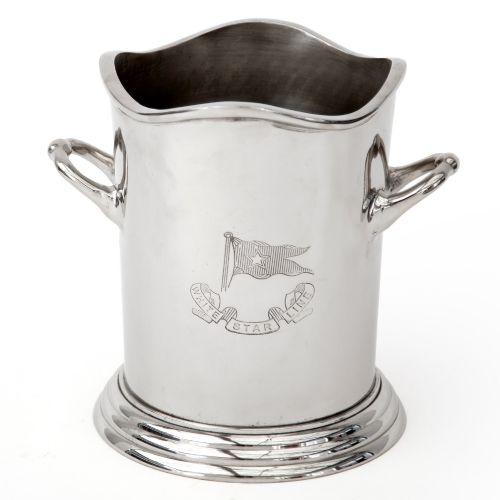
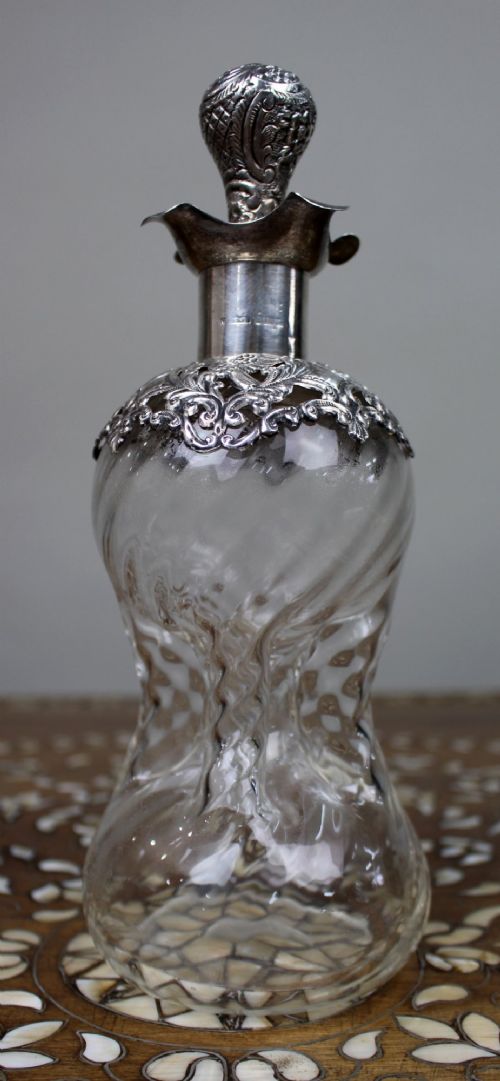
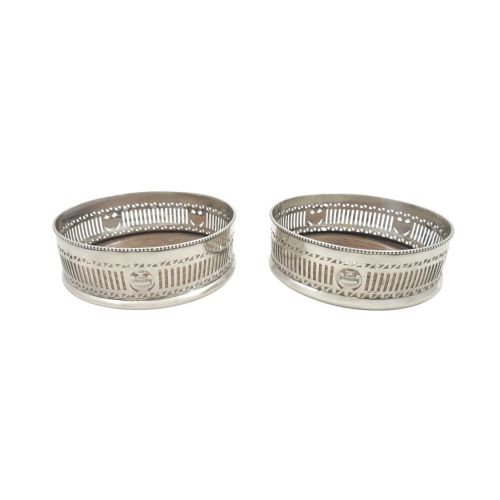
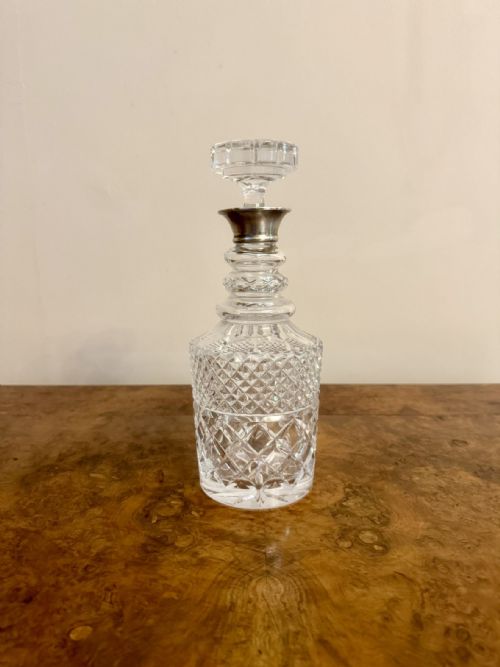
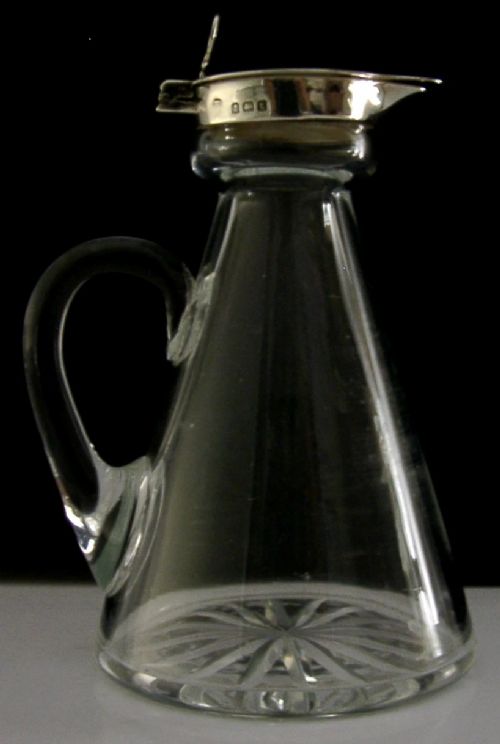
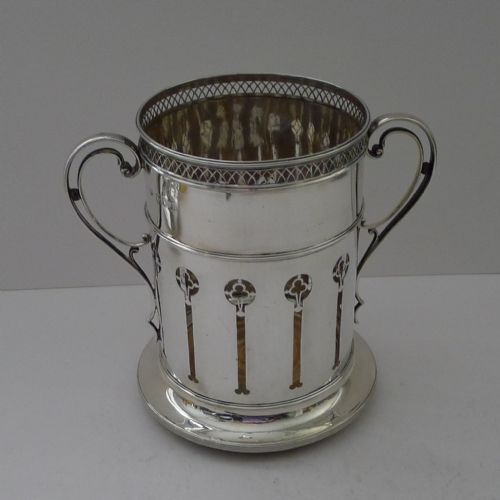
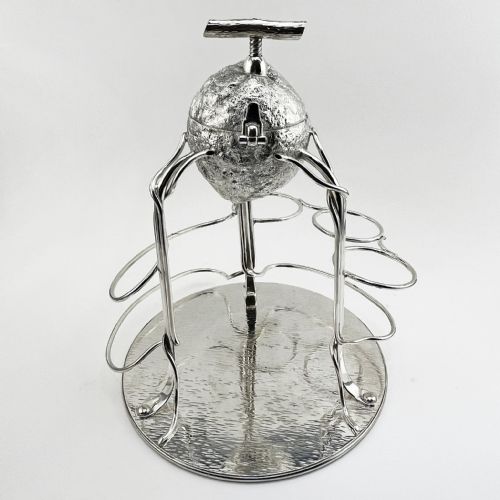
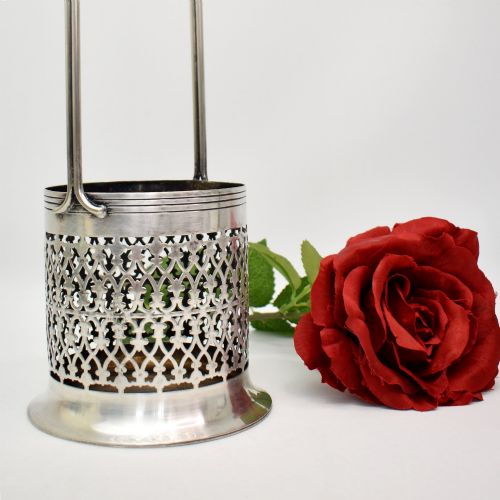
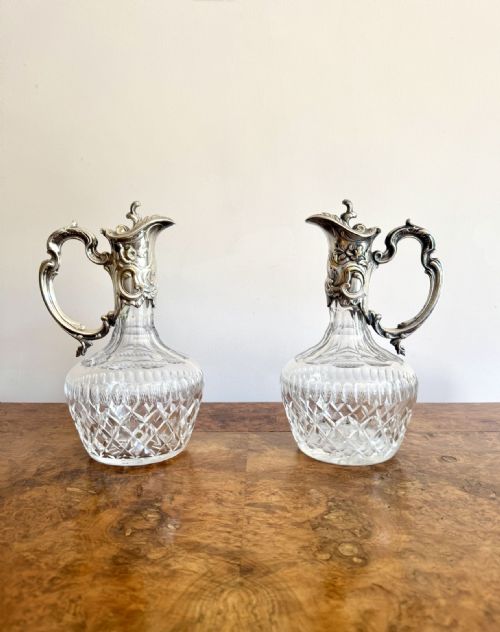
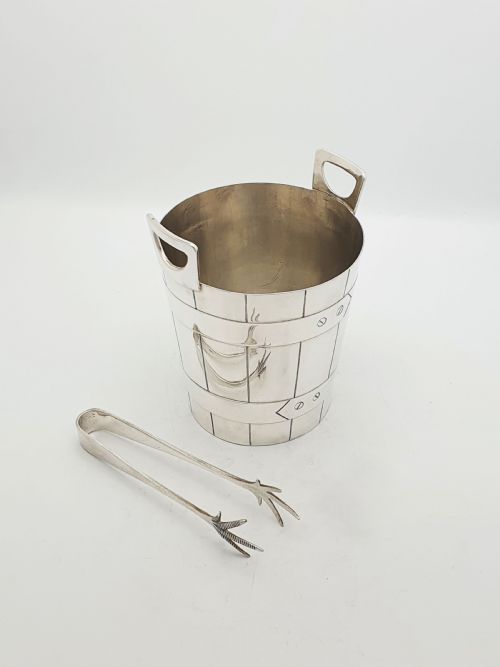
Edwardian silver barware encompasses a diverse range of serving pieces, from decanters and hip flasks to wine coolers and ice buckets, originating predominantly from the early twentieth century alongside Victorian and later periods. Buyers examining this category encounter items designed for formal entertaining, including claret jugs, tantalus sets, whiskey noggins, and bottle coasters.
The objects frequently combine precious metals or silver plate with cut glass and crystal, reflecting the social habits of period dining and domestic hospitality. Pieces range from small pocket flasks to large serving trays and champagne holders.
Materials and Technique
Craftsmen utilised sterling silver and silver plate alongside heavy cut glass, crystal, and ruby glass to construct these drinking accessories. Many vessels incorporate fitted mounts, collars, and hinged tops directly onto blown or moulded glass bodies.
Makers employed techniques such as silver plating over base metal, hand-hammered finishes on sterling silver, and secure locking mechanisms for hip flasks and tantalus frames. Oak and crocodile leather also appear as structural or decorative elements in combination with metalwork.
Several hip flasks include locking mechanisms designed to keep nineteenth-century spirits safe from thirsty coachmen.
Distinctions in Standard
The calibre of Edwardian silver barware rests on the weight and purity of the metal components, the clarity of the cut glass or crystal, and the integrity of any mechanical fittings like locks and hinges. Substantial gauge silver and crisp, deep cutting on glass surfaces separate finer examples from standard commercial output.
Design sophistication and maker attribution further define the hierarchy, with signed pieces and balanced proportions commanding greater appreciation among collectors.
Hukin and Heath·Brook and Son Edinburgh·Christofle·J Dixon·Asprey London
The Edwardian Silver Barware Glossary
- Tantalus
- A locked wooden cabinet holding decanters that displays the contents while preventing unauthorised access to the liquor. The frame requires a key to release the stoppers.
- Whiskey Noggin
- A small decanter or pitcher designed for individual spirit portions, usually featuring a silver mount and a matching pouring lip.
- Hip Flask
- A curved pocket container for carrying spirits, typically constructed with a captive screw cap and fitted with a silver or silver-plated body.
- Claret Jug
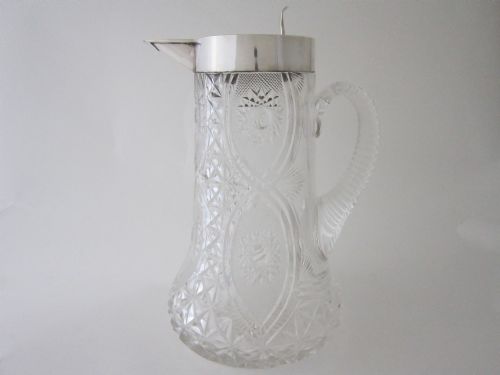
- A large pouring vessel for wine, combining a glass body with an elaborate silver or plated handle, collar, and hinged spout.
Edwardian Silver Barware: Frequently Asked Questions
What is a tantalus used for?
A tantalus holds decanters securely within a locked metal and wood frame to prevent servants or guests from helping themselves to the contents.
The locking mechanism traps the stoppers in place until a key releases the top bar of the stand.
How do I clean silver plate barware?
Silver plate requires gentle cleaning with a specialised silver polish and a soft cloth to avoid wearing through the thin plating layer.
Harsh abrasives or chemical dips should be avoided, particularly around glass mounts and fitted wooden bases.
Are whiskey noggins sold with glasses?
Whiskey noggins are individual serving jugs that typically appear on their own or accompanied by a small matching tot glass.
They were designed for personal use on a tray or desk during the Edwardian period.
How can I date my silver hip flask?
Dating relies on identifying the hallmarks stamped into the silver, which indicate the assay office, date letter, and maker's mark.
Unmarked pieces or silver-plated items are dated through style, construction methods, and associated retail clues.