


Sterling Silver Bottle Holder
These sterling silver bottle holder examples range from Georgian wine coasters to Victorian scent flasks, offering functional elegance for the table and dressing room.
Sterling Silver Bottle Holder
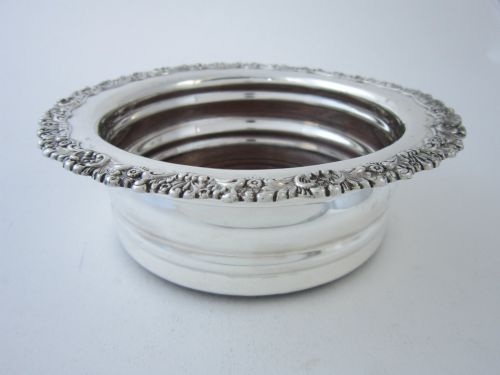
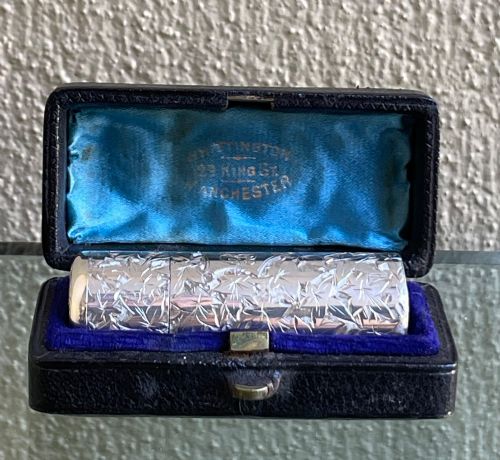
A sterling silver bottle holder encompasses several distinct forms, most frequently appearing as circular wine coasters designed for the dining table or small cased flasks intended for perfume and scent. The listings on this page span nearly two centuries of British silversmithing, connecting utilitarian tablewares with personal luxury items.
Materials and construction methods
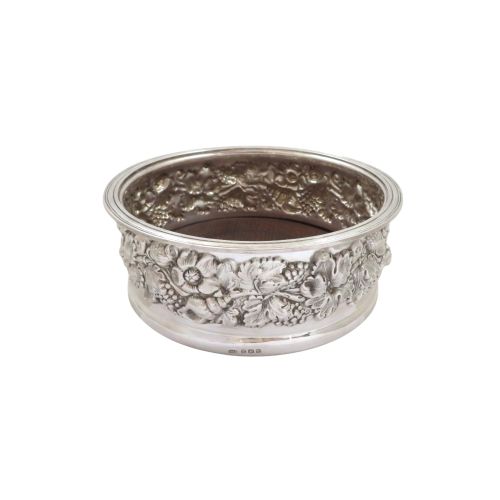
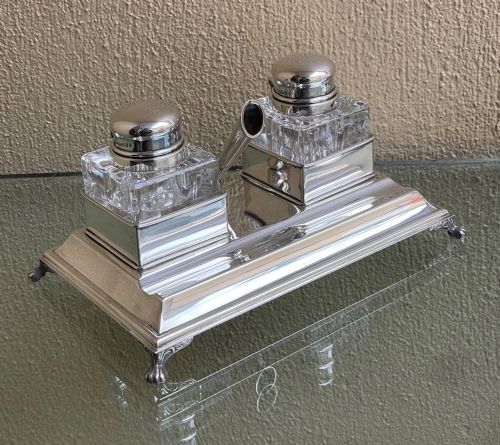
Silversmiths constructed these pieces primarily from solid sterling silver, frequently combining the precious metal with dense hardwoods such as mahogany or turned timber for the bases of wine coasters. Glass and cut glass form the functional vessels of the scent bottles and inkstands, protected by tight silver casings or collars.
Decorative techniques recorded in the evidence include chased grape and vine motifs, pierced galleries, and Art Nouveau styling, executed by hammering, casting, and soldering individual components. Hallmarks stamped directly into the silver record the assay office, maker's mark, and year of manufacture.
Materials appearing alongside sterling silver in these categories include cut glass, mahogany wood, silk, velvet, and leather.
Assessing quality in silver holders
Quality reveals itself in the weight of the silver and the crispness of the chased or pierced ornamentation, where finer examples display sharp definition in motifs like grape leaves and floral scrolls. The integration of materials also matters, particularly in how securely the silver collar fits the glass body or how evenly the wood base aligns with the metal rim.
Maker attribution elevates certain pieces, with noted silversmiths and specific assay offices commanding closer attention from collectors. The survival of original glass inserts in scent bottles and the clarity of full hallmarks further distinguish superior examples from standard production.
Horton & Allday·Hester Bateman·G H James & Co·Sampson Mordan
The Sterling Silver Bottle Holder Glossary
- Sterling silver
- An alloy consisting of 92.5 percent silver and 7.5 percent other metals, usually copper, chosen for durability in tableware and decorative objects. This standard is verified by official hallmarks.
- Wine coaster
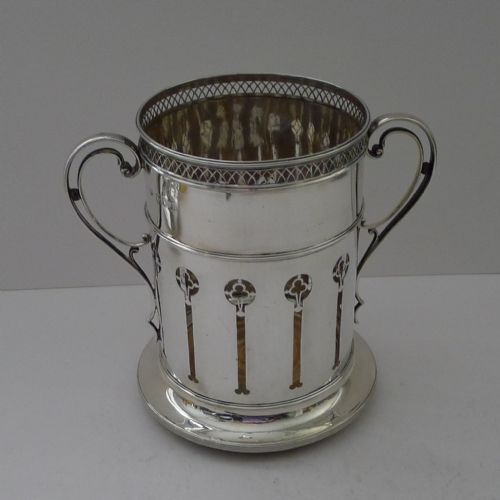
- A small, portable tray or stand with a raised rim, designed to hold a wine bottle and protect the dining table from drips. Bases are frequently lined with wood or felt.
- Hallmark
- A series of official marks stamped on precious metal items in the United Kingdom, indicating the standard of purity, the assay office, the maker, and the year of production.
- Cruet stand
- A frame holding multiple glass bottles or cruets for condiments such as oil, vinegar, salt, and pepper. These frames often share construction techniques with bottle holders.
- Scent bottle
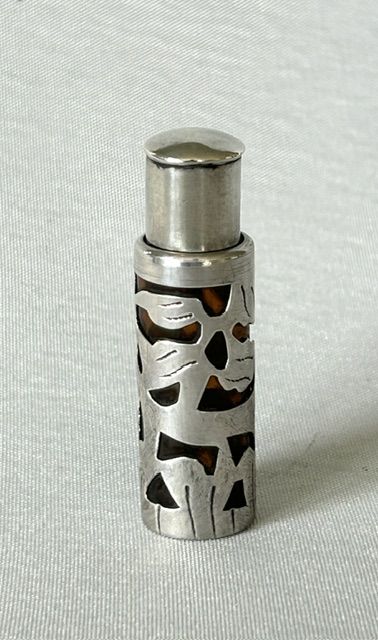
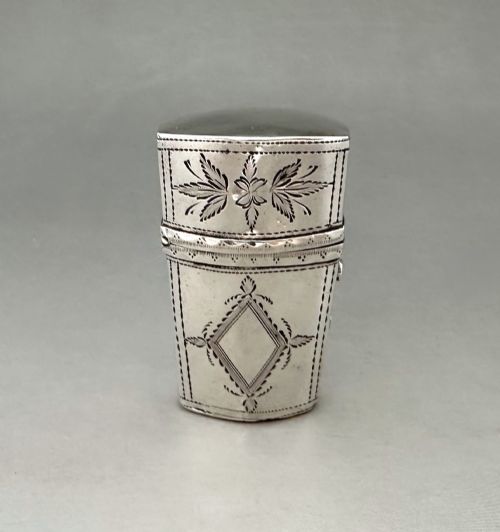
- A small glass vial enclosed in a silver case or fitted with a silver cap, used to hold liquid perfume. Examples range from single-ended flasks to double-ended Victorian designs.
Sterling Silver Bottle Holder: Frequently Asked Questions
How do I clean a sterling silver bottle holder?
Clean sterling silver gently using a specialised microfibre cloth and a mild, non-abrasive silver polish to remove tarnish without disturbing chased details. Avoid harsh chemical dips, particularly on pieces with wooden bases or glass inserts that could be damaged by moisture.
Store the holder in a dry environment away from direct sunlight and rubber materials, which can accelerate tarnishing. Regular, light dusting helps preserve the polished finish of the metal.
Are these bottle holders safe for modern wine bottles?
Many historical wine coasters and holders were sized for traditional bottle dimensions of their specific period, such as the Georgian or Edwardian eras. Standard modern wine and champagne bottles generally fit the wider coaster variations, though exceptionally heavy or oversized bottles may require careful measurement.
Check the interior diameter of the silver rim against the base of your preferred wine bottle before placing it on the dining table. Coasters with wooden bases provide a stable platform for standard-sized glass.
How can I date my silver bottle holder?
Dating relies primarily on the British hallmark stamped onto the silver, which includes a specific letter code corresponding to the year of assay at offices such as London, Birmingham, or Chester. Stylistic indicators, such as Art Nouveau floral lines or George III pierced galleries, provide an initial period estimate before checking the maker's mark.
Reference marks against established silversmith registries to narrow down the decade of production. Pieces lacking clear hallmarks can often be dated approximately by their construction methods and material combinations.
What is the difference between a coaster and a stand?
A wine coaster is specifically designed to sit flat on a table and hold a single bottle, featuring a low gallery wall and frequently a turned wooden base. Stands, such as cruet or ink stands, generally incorporate handles, feet, or frames designed to hold multiple distinct glass vessels simultaneously.
Coasters prioritize mobility across dining surfaces during a meal, whereas stands are typically stationary desk or sideboard accessories. Both share the same fundamental silver fabrication techniques seen across the periods.